
Churchill before the 25 ministers — 28 May 18:00
has been British Prime Minister for only 18 days, since Chamberlain's resignation on 10 May 1940. During those 18 days, the Allied military situation has collapsed: Netherlands and Belgium invaded, breakthrough at Sedan on 13 May, Panzers at Abbeville on 20 May, BEF encircled in the Flanders pocket.
Since 25 May, the War Cabinet of five has been debating the Italian mediation brought forward by Ambassador Bastianini: Mussolini could serve as intermediary with Hitler if London agrees to talk. Lord Halifax, Foreign Secretary, presses for that path to be explored. Churchill opposes it. Nine War Cabinet meetings in three days, without resolution.
On 28 May 1940, the situation reaches its peak. capitulates in Belgium in the small hours. The evacuation from Dunkirk begins — only 7,669 men brought back in the first 24 hours, out of several hundred thousand to evacuate. Halifax contemplates resignation.
Churchill decides to reach beyond the War Cabinet of five for the ministers. He summons the 25 ministers of the Outer Cabinet (the full government) at 18:00 — most have not followed the discussions of the last three days. A 25-minute address: Churchill sets out the military situation, presents the Italian proposal, gives his personal opinion. The tone of the peroration remains to be chosen.
What tone should Churchill adopt before the 25 ministers?
Churchill chooses B. Towards the end of the speech, he delivers the line: "If this long island story of ours is to end at last, let it end only when each one of us lies choking in his own blood upon the ground." (witness) notes in his diary: "There were loud cries of approval all round the table, no one expressed even the faintest flicker of dissent." Halifax is isolated. The Italian proposal is buried that very evening. The doctrine of "no peace without victory" becomes official. On 4 June, Churchill delivers to the Commons the famous "We shall fight on the beaches". For five years, until May 1945, Britain holds on. The decision of 28 May 1940 by the vote of 25 ministers is one of the founding moments of British resistance. According to several historians (Roberts, Reynolds, Lukacs), without it, Britain could have tipped into a compromise peace. The 28th of May remains one of the most important "five days" of the war on the British side.
Learn more about this event
Related polls
10
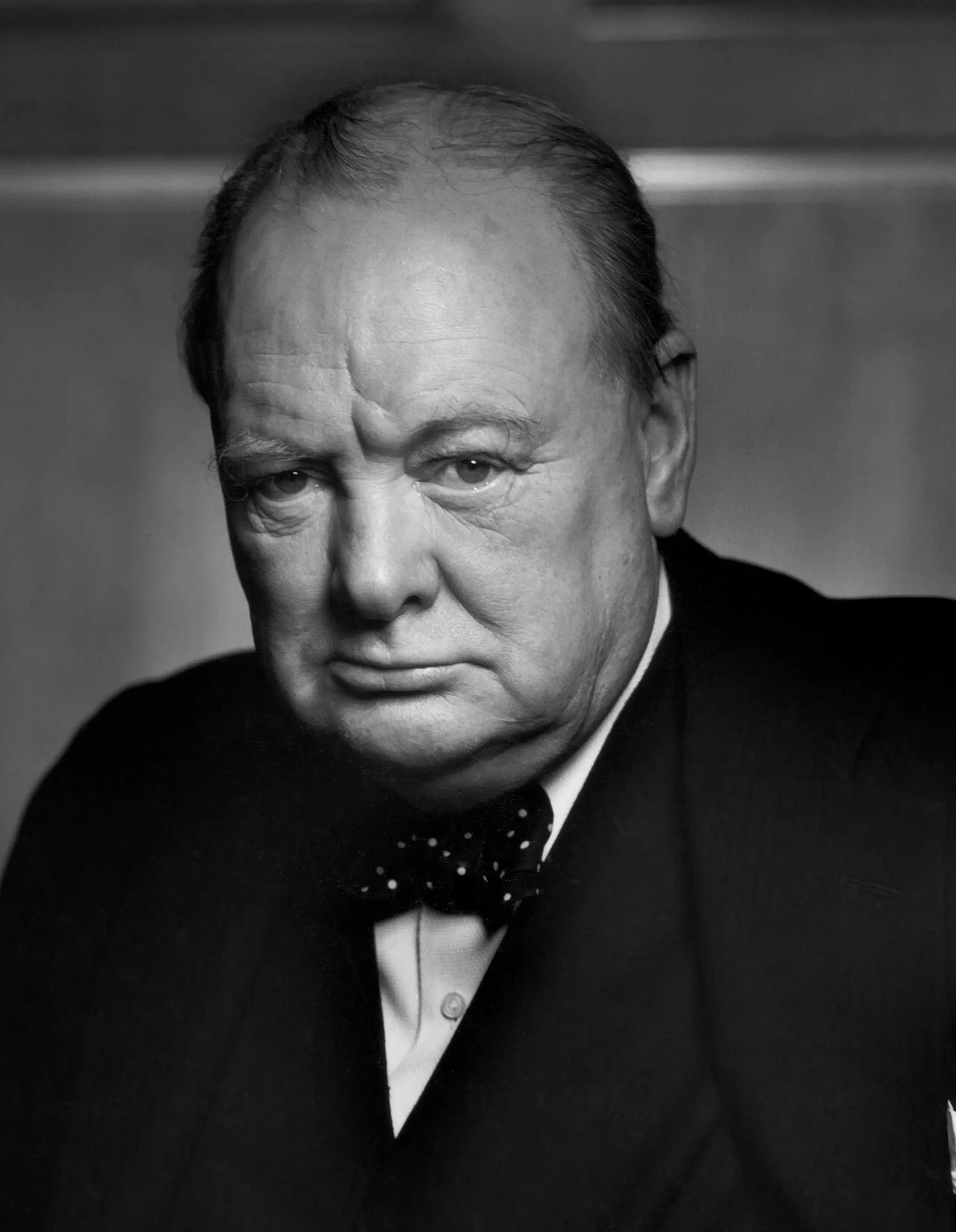
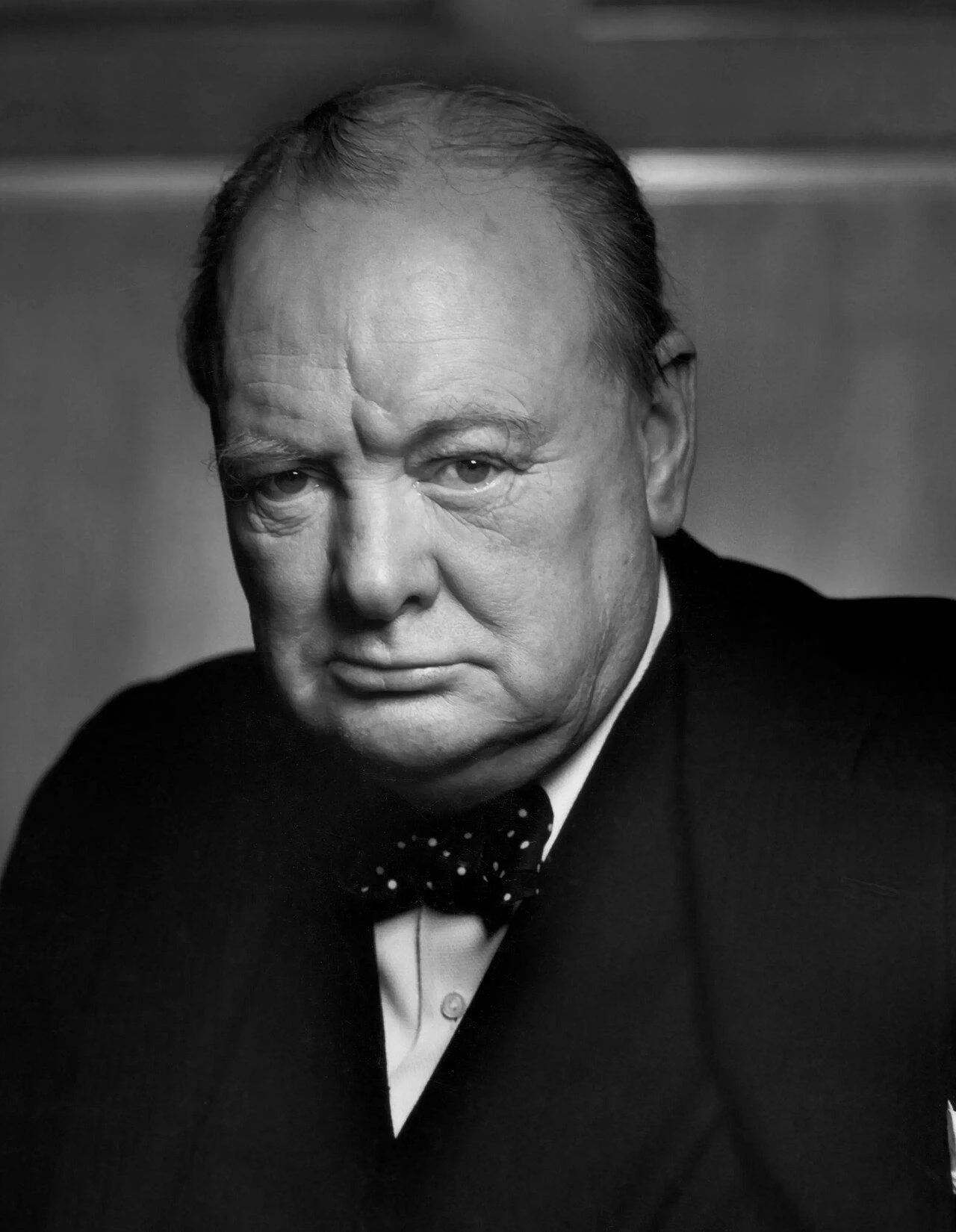
Churchill before the Commons — 4 June
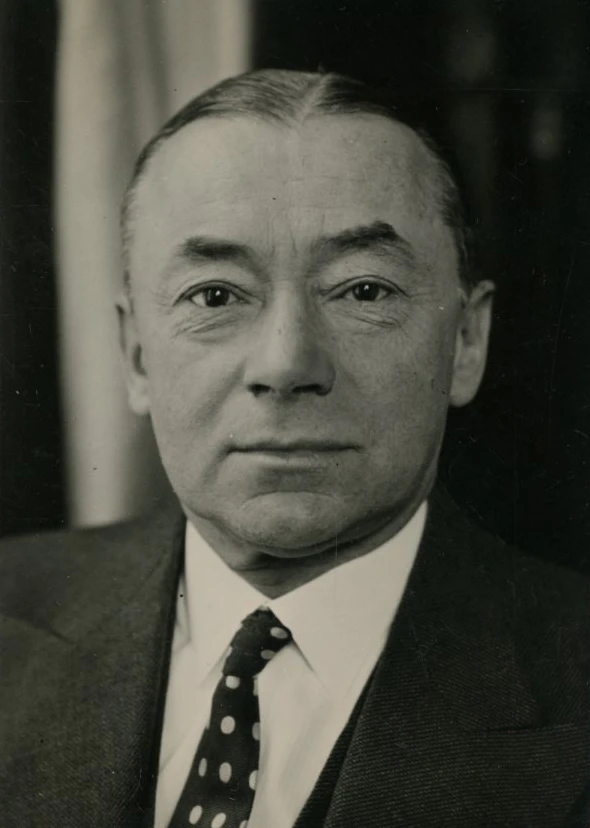
Halifax at the War Cabinet — 25 May 18:00
Reynaud in London — 26 May
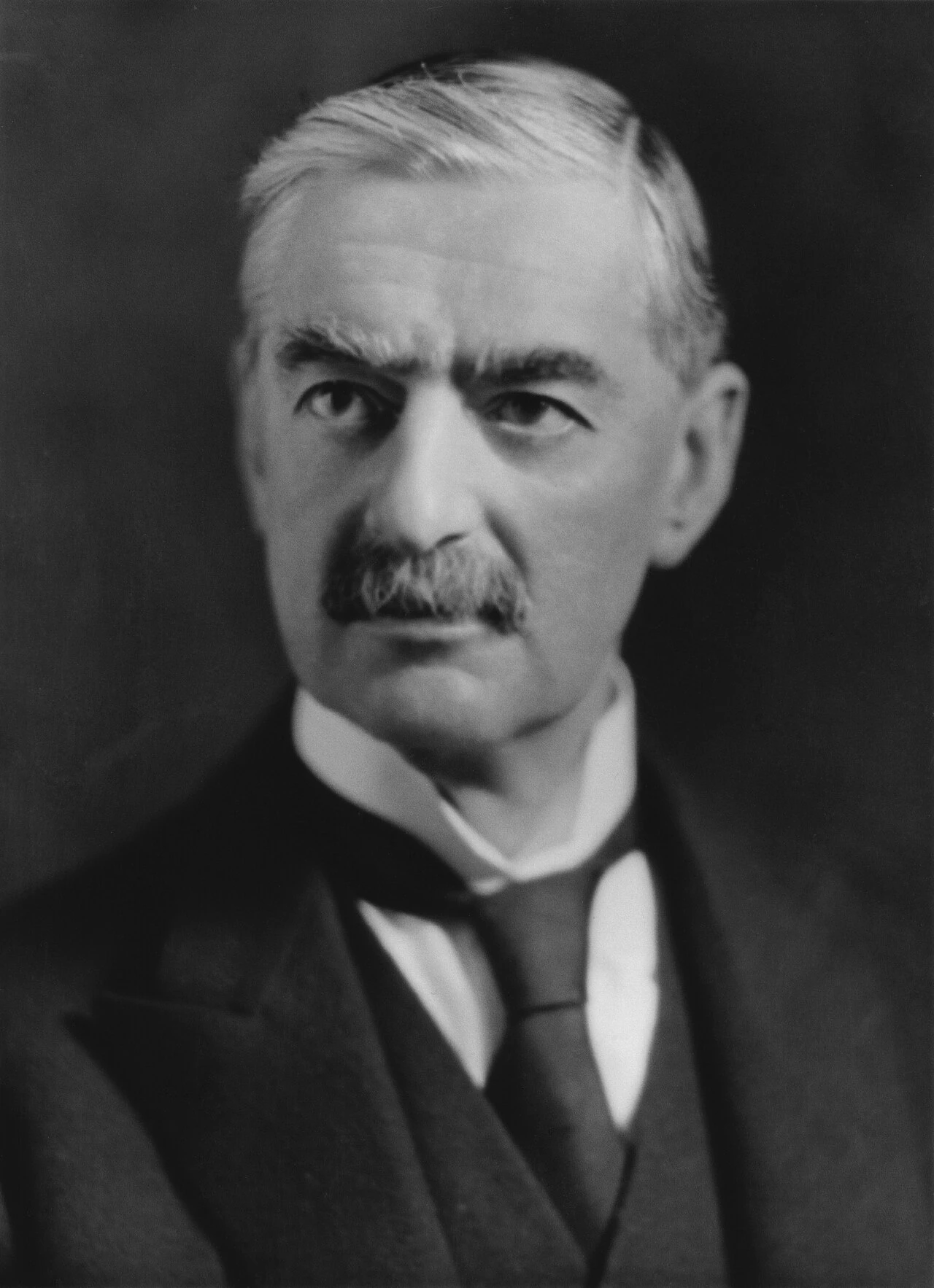
Chamberlain at Central Hall — 4 April
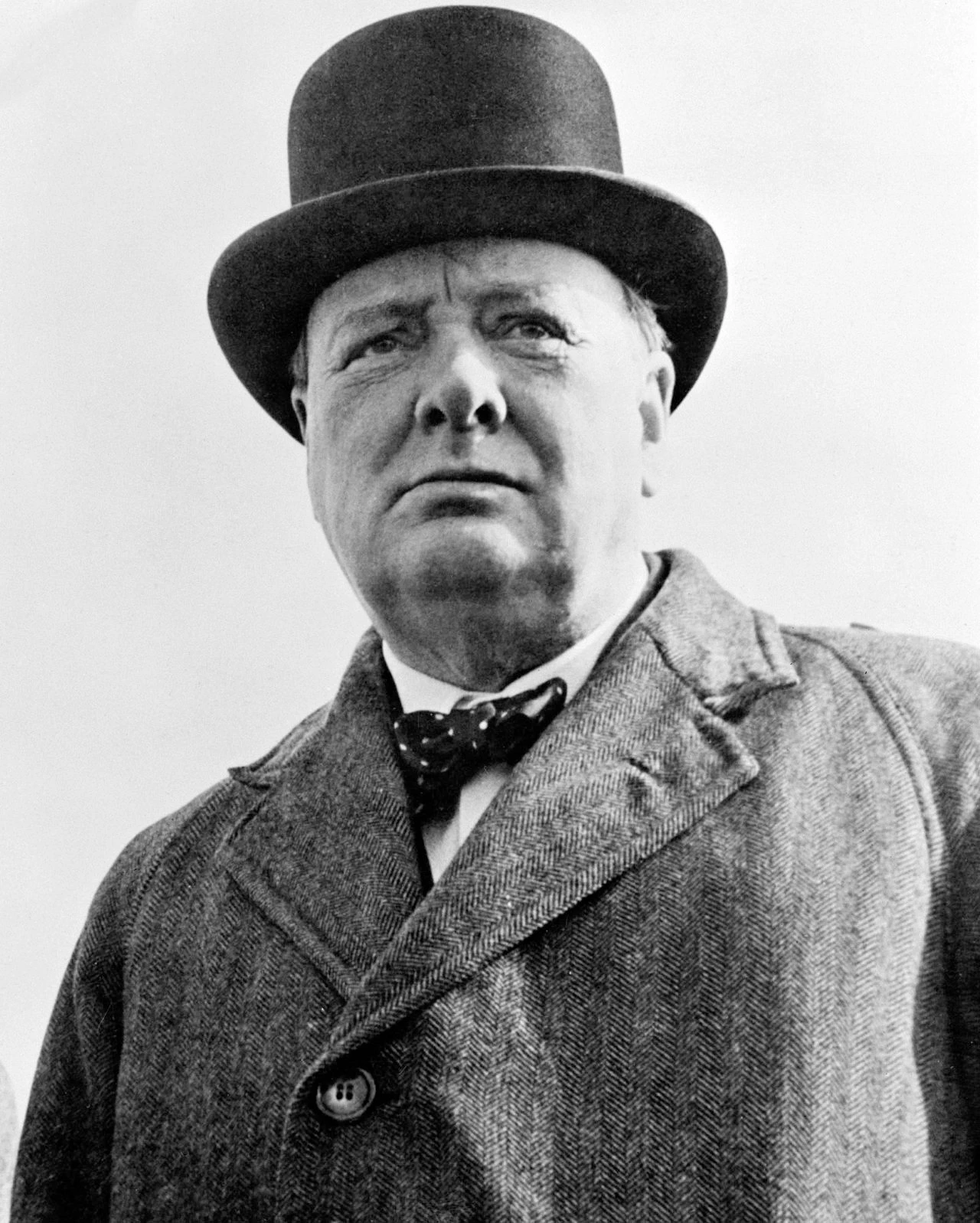
Churchill in power
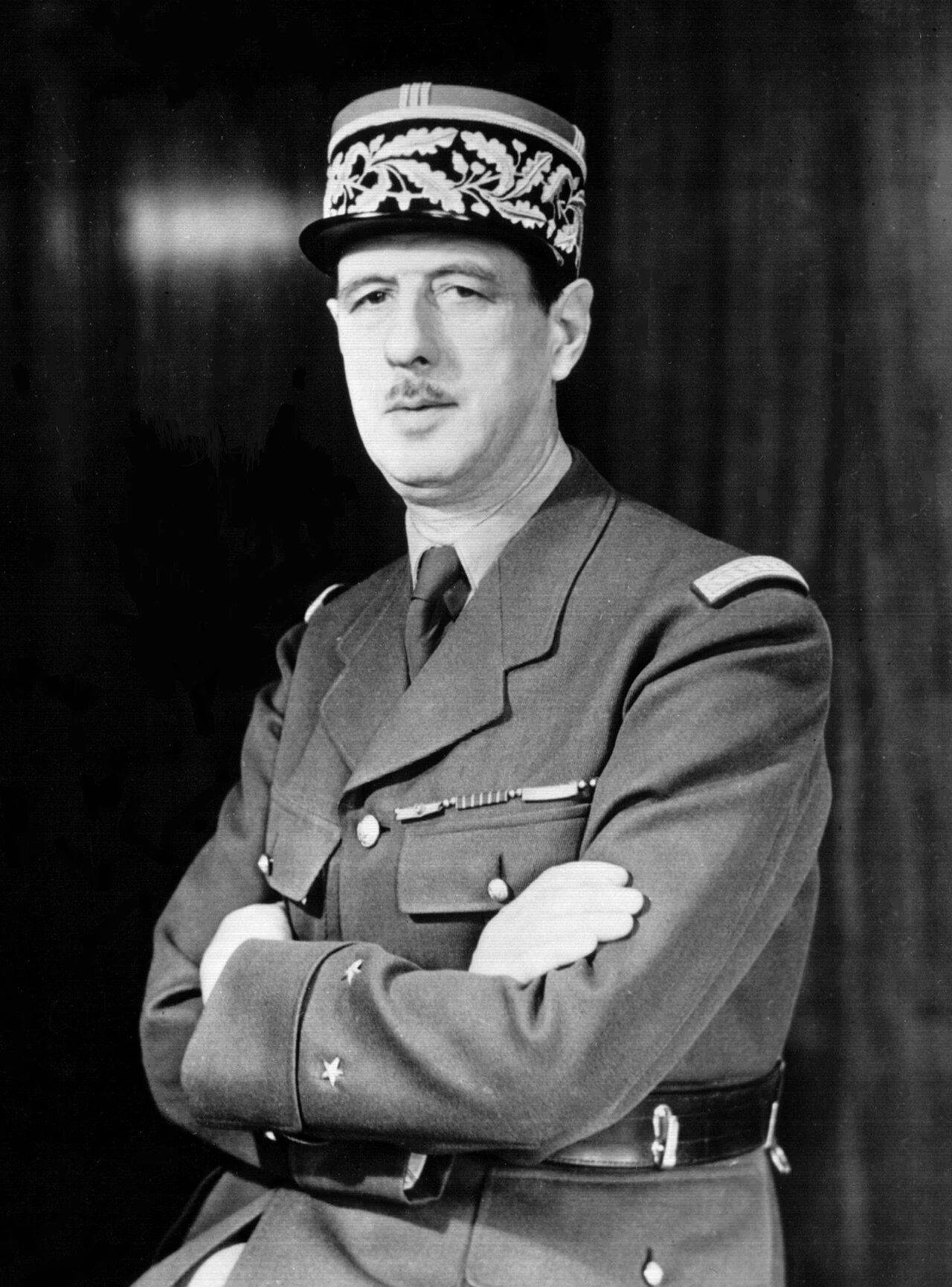
De Gaulle calls on Churchill — 9 June
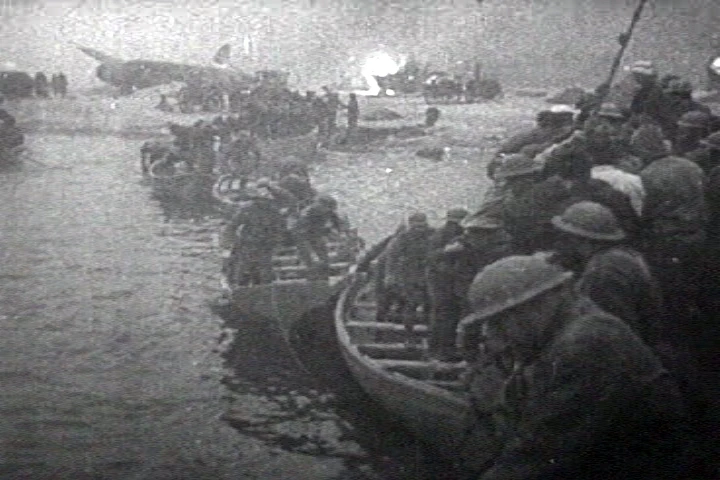
Ramsay — Dover, 14:23
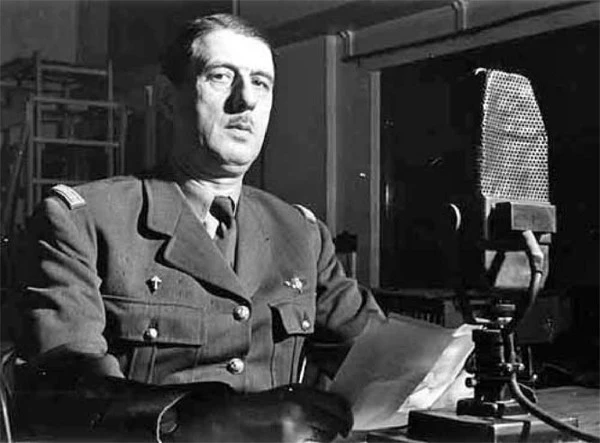
The Appeal of 18 June
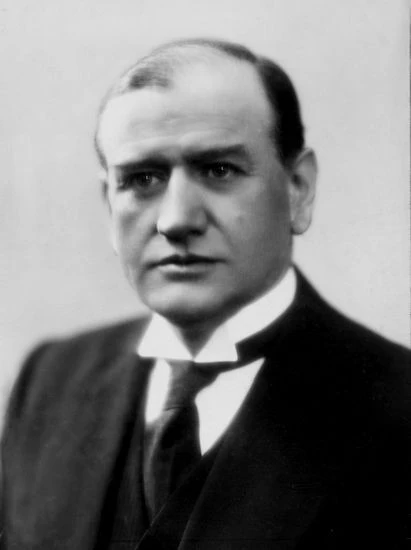
Daladier asked to leave the War Ministry
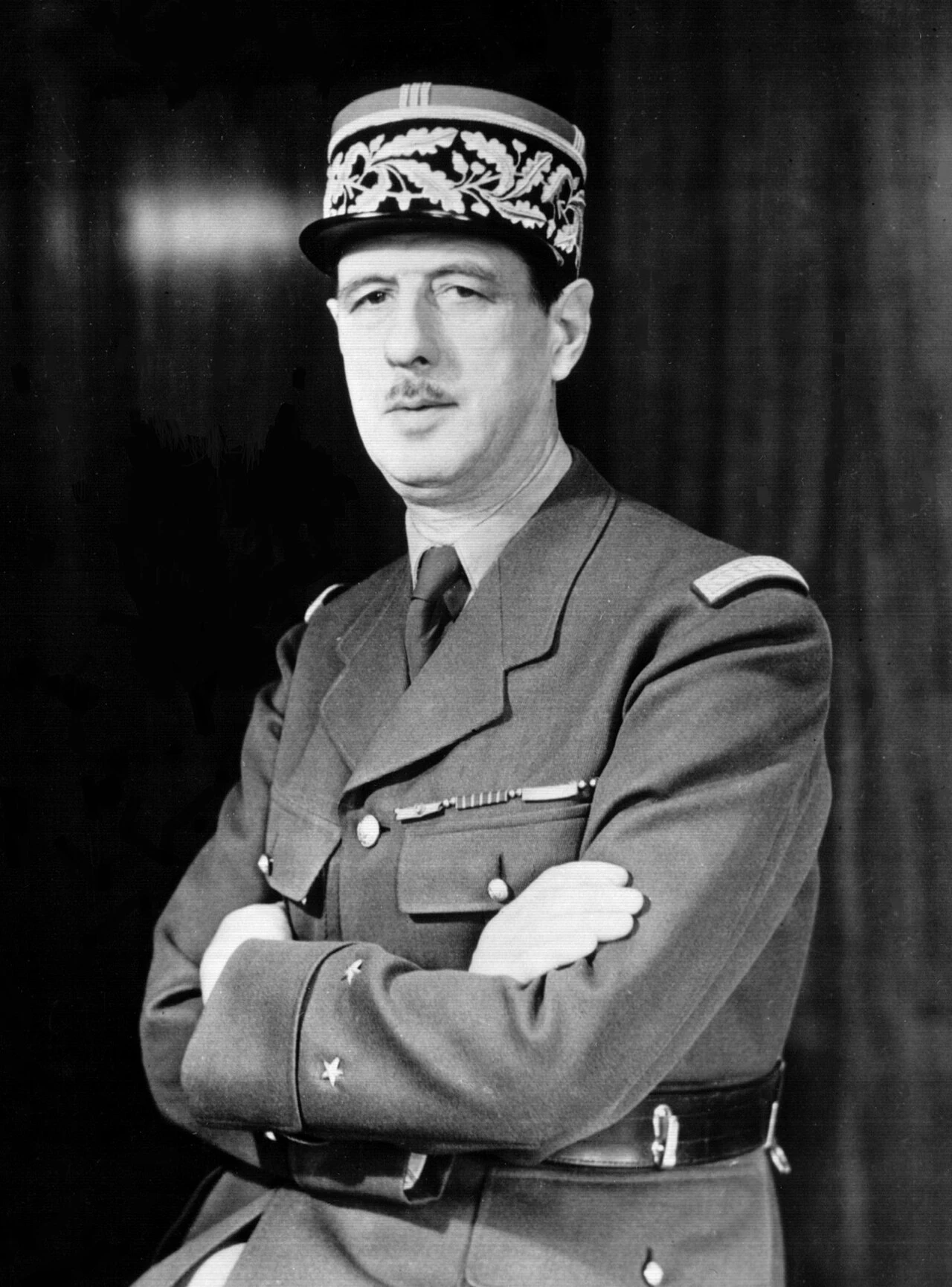
De Gaulle at the BBC microphone — 18 June, 18:00
Churchill before the Commons — 4 June
Halifax at the War Cabinet — 25 May 18:00
Reynaud in London — 26 May
Chamberlain at Central Hall — 4 April
Churchill in power
De Gaulle calls on Churchill — 9 June
Ramsay — Dover, 14:23
The Appeal of 18 June
Daladier asked to leave the War Ministry