
Boutmy at Mont-Cenis
Captain commands the fortified work of Saint-Gobain, on the Mont-Cenis pass (2,081 m), part of the Alpine Maginot Line. His garrison — about 200 men, a few 75 mm guns and machine guns — faces, from 21 June, several Italian divisions hurled into the assault on Mussolini's orders.
Conditions are extreme: melting snow, fog, high-altitude cold. The work was designed for Alpine defence; its reduction would require heavy artillery that the Italians struggle to haul up to the passes.
With the Franco-German armistice just signed and the Italian one under negotiation, Boutmy must decide the fate of his work. The Alpine forts, more recent than those of the North-East, were designed precisely for this kind of pass combat, where altitude and snow preclude the use of tanks. Boutmy can hold Saint-Gobain at all costs, withdraw toward Modane if encircled, or attempt an offensive sortie. The fate of a key bolt on the frontier depends on it.
Should Boutmy hold the work indefinitely or consider withdrawal?
Boutmy chooses A: his garrison holds Saint-Gobain until the cease-fire takes effect on 25 June. Not a single Italian soldier crosses Mont-Cenis. Decorated for this defence, Boutmy embodies the victorious resistance of the , which yielded on none of its fortified axes. This 'victory within defeat' — one of the very few of the French campaign — will long be unknown, eclipsed by the general collapse of June 1940. Yet it shows what the French army was still capable of on suitable terrain with a suitable doctrine: a tenacious fortified defence, where mobile warfare had crushed it in May.
Learn more about this event
Related polls
10
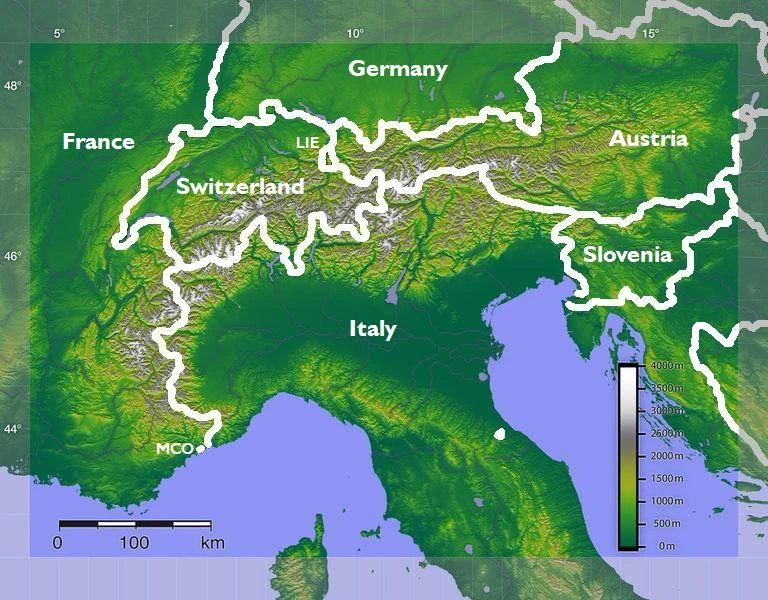
The Army of the Alps against the Italians
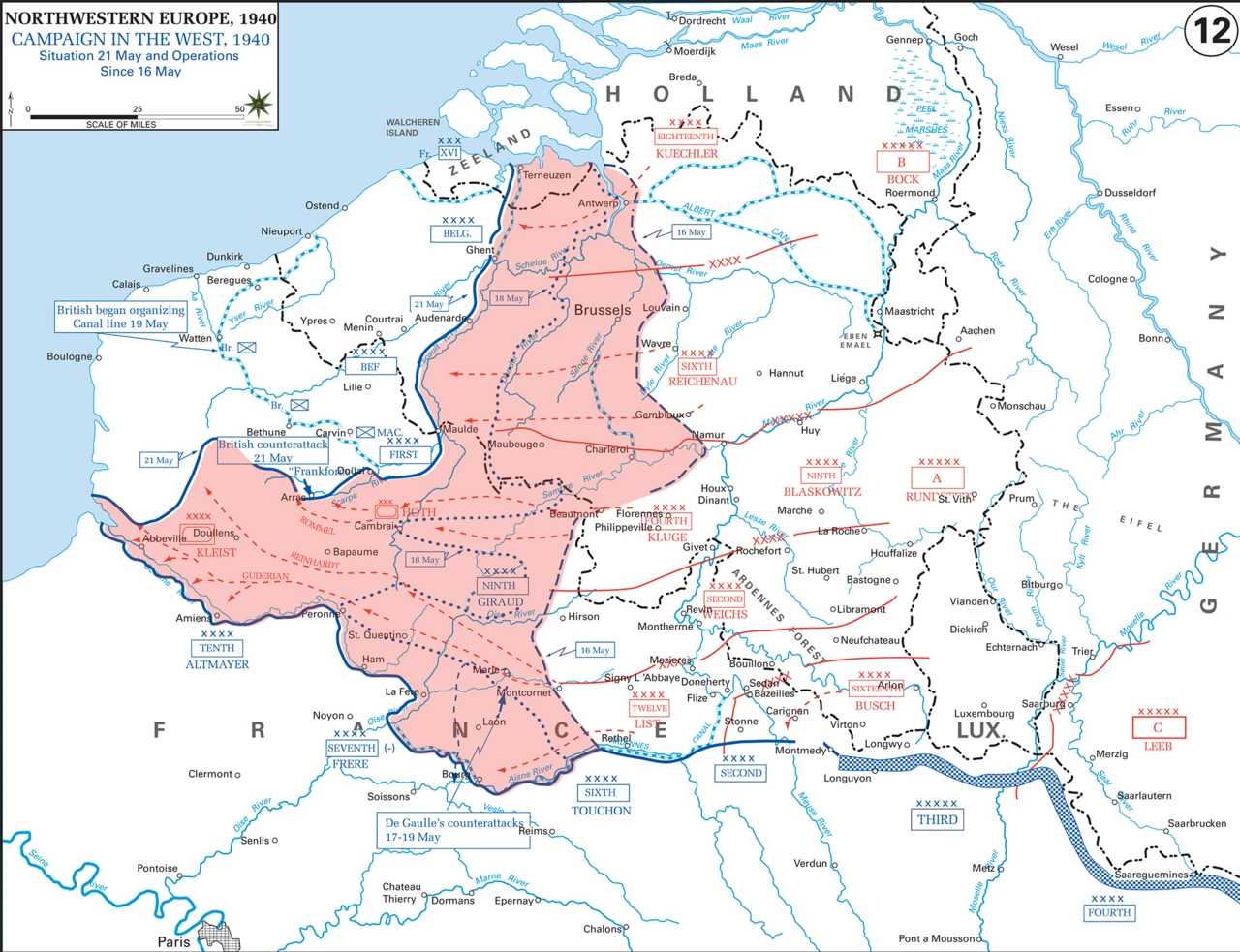
Boulogne — Fox-Pitt and the Guards facing the port
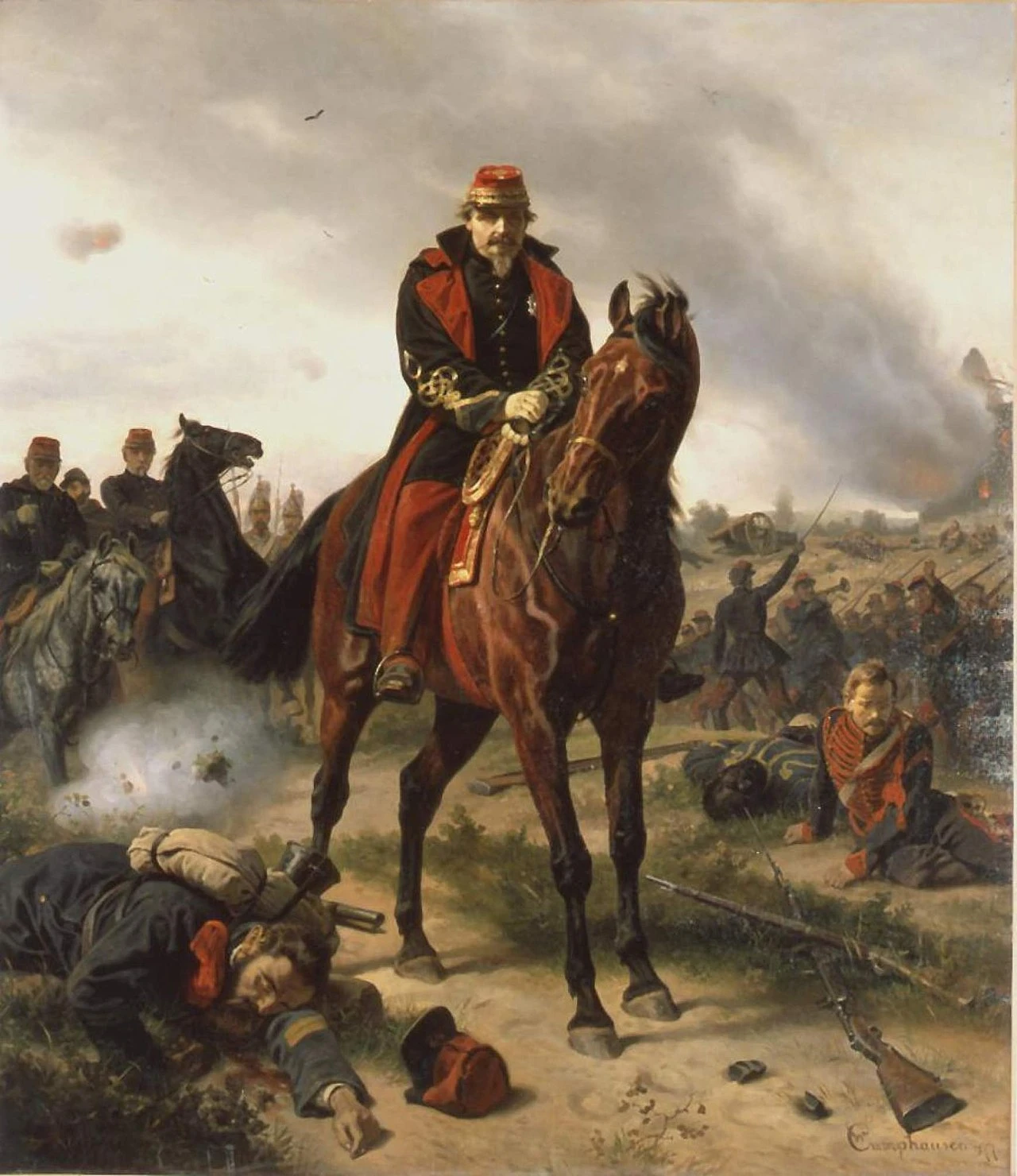
Bulson — Lafontaine and the 02:00 rumour
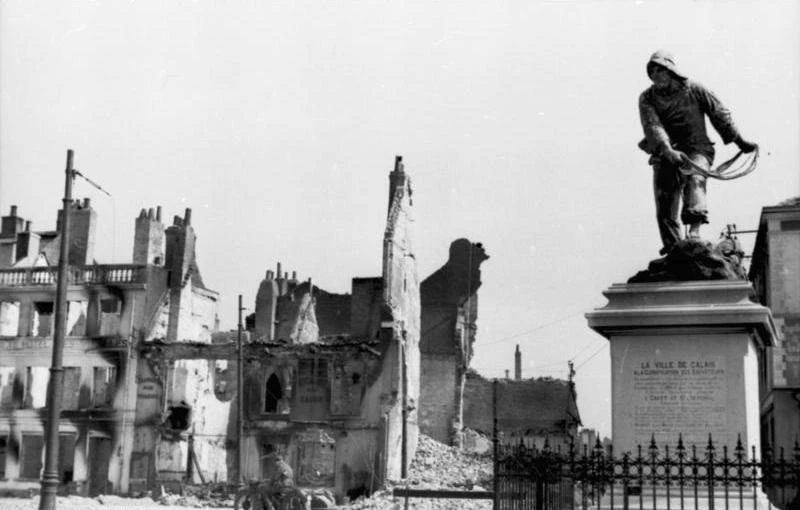
Calais — Nicholson facing the ultimatum
The Defence of Boulogne
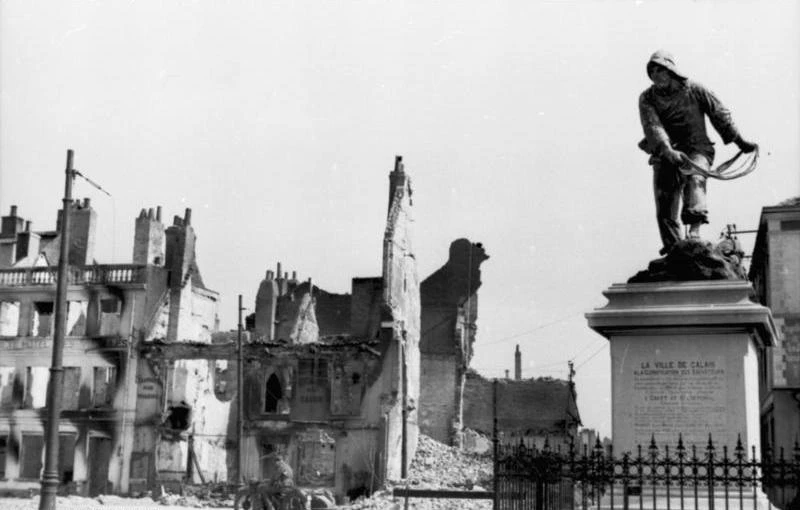
The Defence of Calais
The Weygand Line on the Somme
Lille — Molinié and the 5th DINA
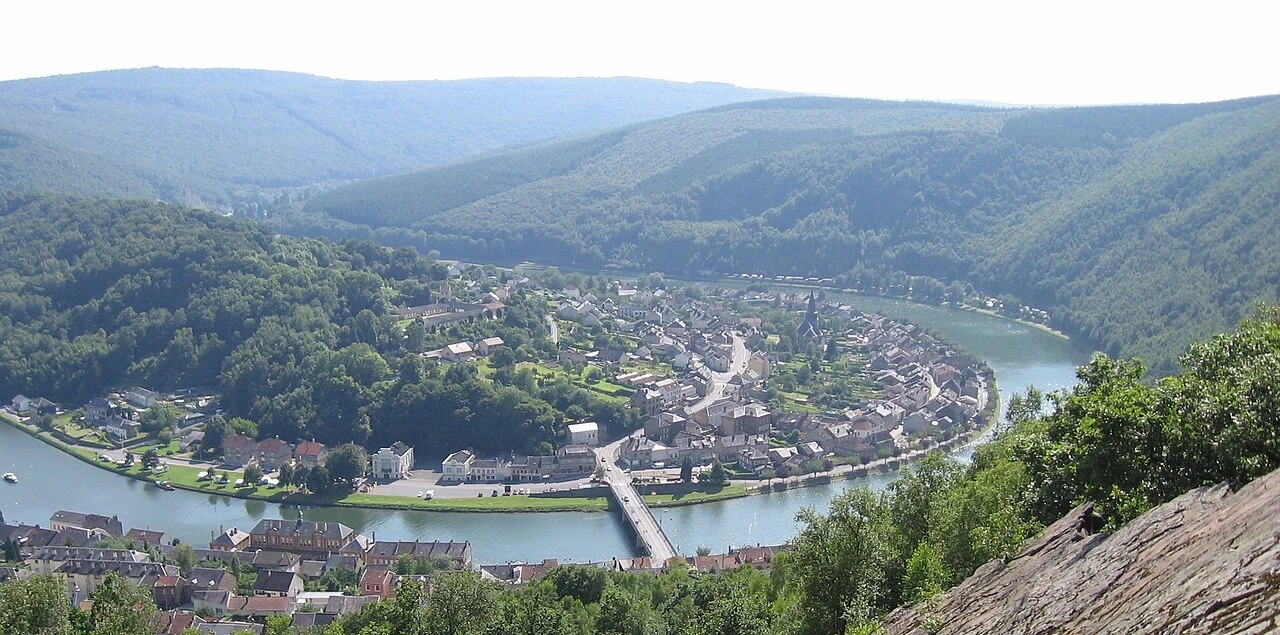
Monthermé — Portzert in the Meuse loop
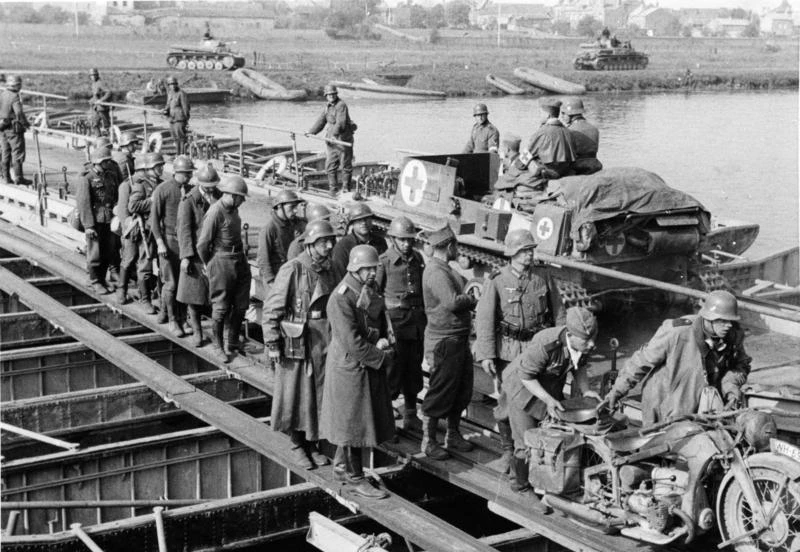
The panic of Bulson
The Army of the Alps against the Italians
Boulogne — Fox-Pitt and the Guards facing the port
Bulson — Lafontaine and the 02:00 rumour
Calais — Nicholson facing the ultimatum
The Defence of Boulogne
The Defence of Calais
The Weygand Line on the Somme
Lille — Molinié and the 5th DINA
Monthermé — Portzert in the Meuse loop