
Mining the Rhine — Operation Royal Marine
, 65, returned to the Admiralty in September 1939, the post he already held in 1914. Frustrated by the inaction of the "phoney war," he multiplies projects to carry the war to the enemy rather than wait for it in the trenches.
His idea of the moment bears a name: Royal Marine. It involves dropping into the French waters of the Rhine thousands of drifting river mines, designed to explode on contact with German bridges, barges and lighters and paralyse traffic on the Reich's great industrial river. The first mines, 300 to 400, are ready by mid-March 1940.
But the French government is blocking. The War Committee, under the influence of , fears German aerial reprisals on French factories and cities, more exposed than the British. In parallel, London and Paris are already preparing the mining of Norwegian waters to cut off Swedish iron destined for Germany. At the Supreme War Council, Churchill pleads. Should the Rhine mines be launched despite the French veto, abandoned, or have the fate of Royal Marine tied to the Norwegian mining?
First Lord of the Admiralty, will you impose the mining of the Rhine despite the French refusal?
Churchill chose C by constraint, then slid toward B for lack of a green light. The Norwegian mining (Wilfred) was carried out in early April 1940, but Royal Marine remained suspended by the veto of the French War Committee, anxious about reprisals. Churchill went himself to Paris in April to sway and Daladier, and let drop, in disappointment: "We are going to miss the bus." The postponement lasted nearly three months. The river mines were finally only released from 10 May 1940 — the very day the Wehrmacht rolled west, rendering the operation marginal. Royal Marine damaged a few bridges and barges on the Rhine and Moselle, but the German offensive settled the campaign before the river weapon could weigh in. The episode illustrates the strategic discord between the French and British during the phoney war.
Learn more about this event
Related polls
10
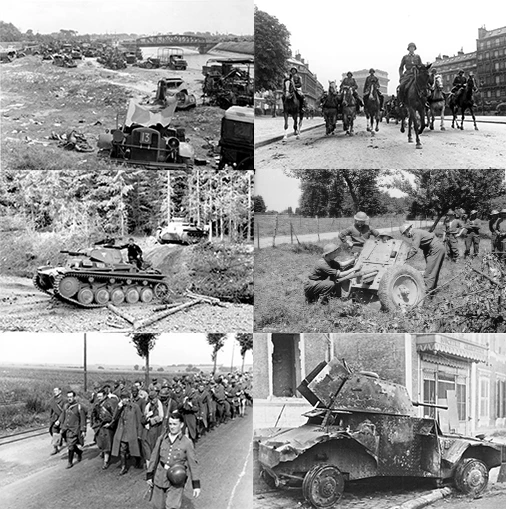
The War Cabinet — Negotiate or Carry On
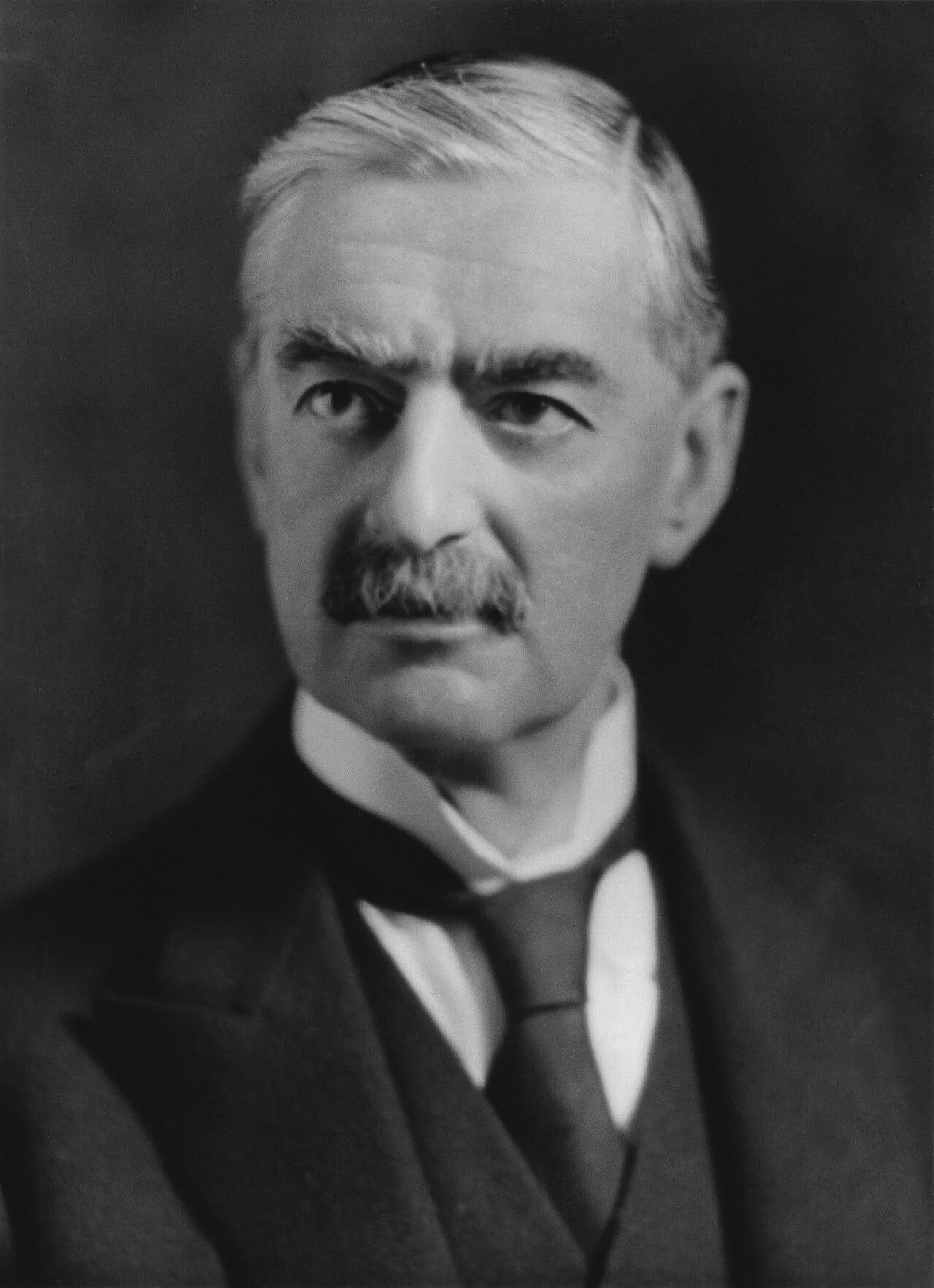
War council — leave central Norway?
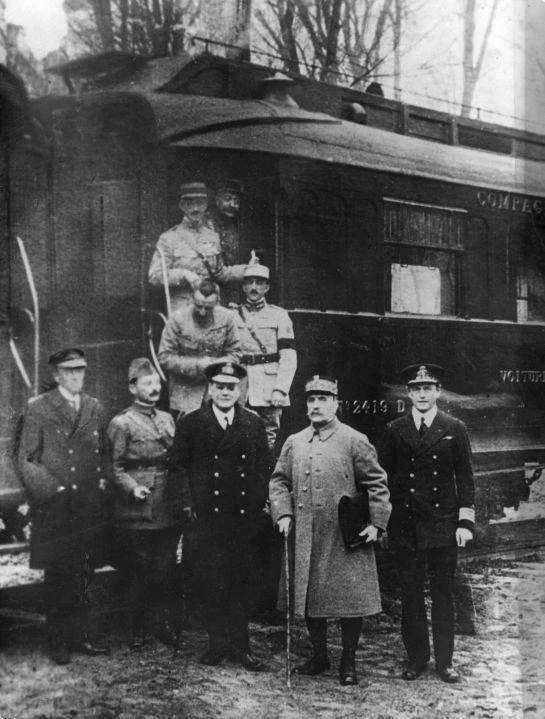
Rethondes — Article 8 on the Fleet
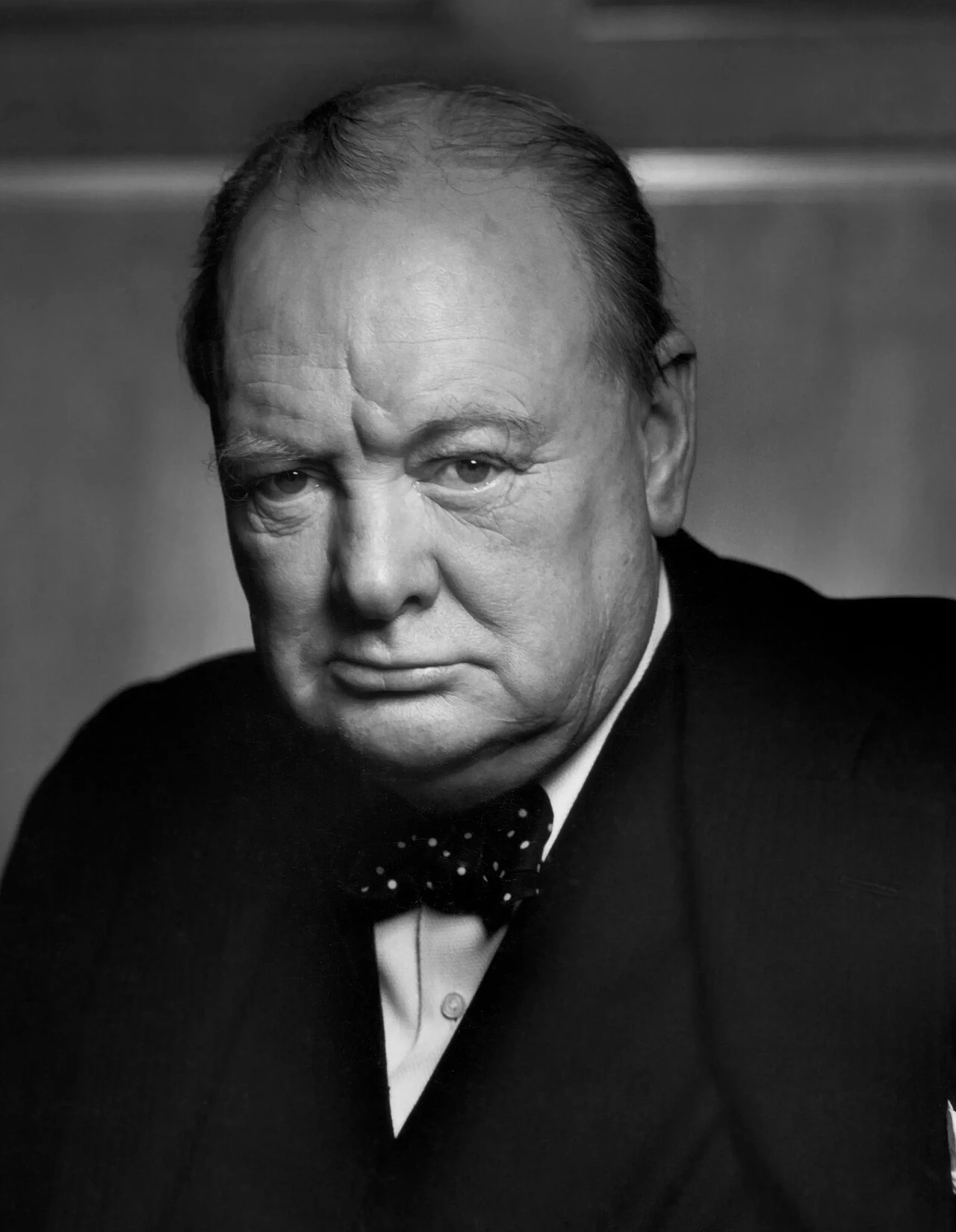
The Cabinet and Operation Catapult — 1 July
Churchill and the ultimatum on the Burma Road
Reynaud — Matignon 21 March
The Admiralty and the Strasbourg Rumour
Auchinleck replaces Wavell
The blockade of Germany
Bombing London — and the reply on Berlin
The War Cabinet — Negotiate or Carry On
War council — leave central Norway?
Rethondes — Article 8 on the Fleet
The Cabinet and Operation Catapult — 1 July
Churchill and the ultimatum on the Burma Road
Reynaud — Matignon 21 March
The Admiralty and the Strasbourg Rumour
Auchinleck replaces Wavell
The blockade of Germany