
Stonne — Billotte facing the Panzer column
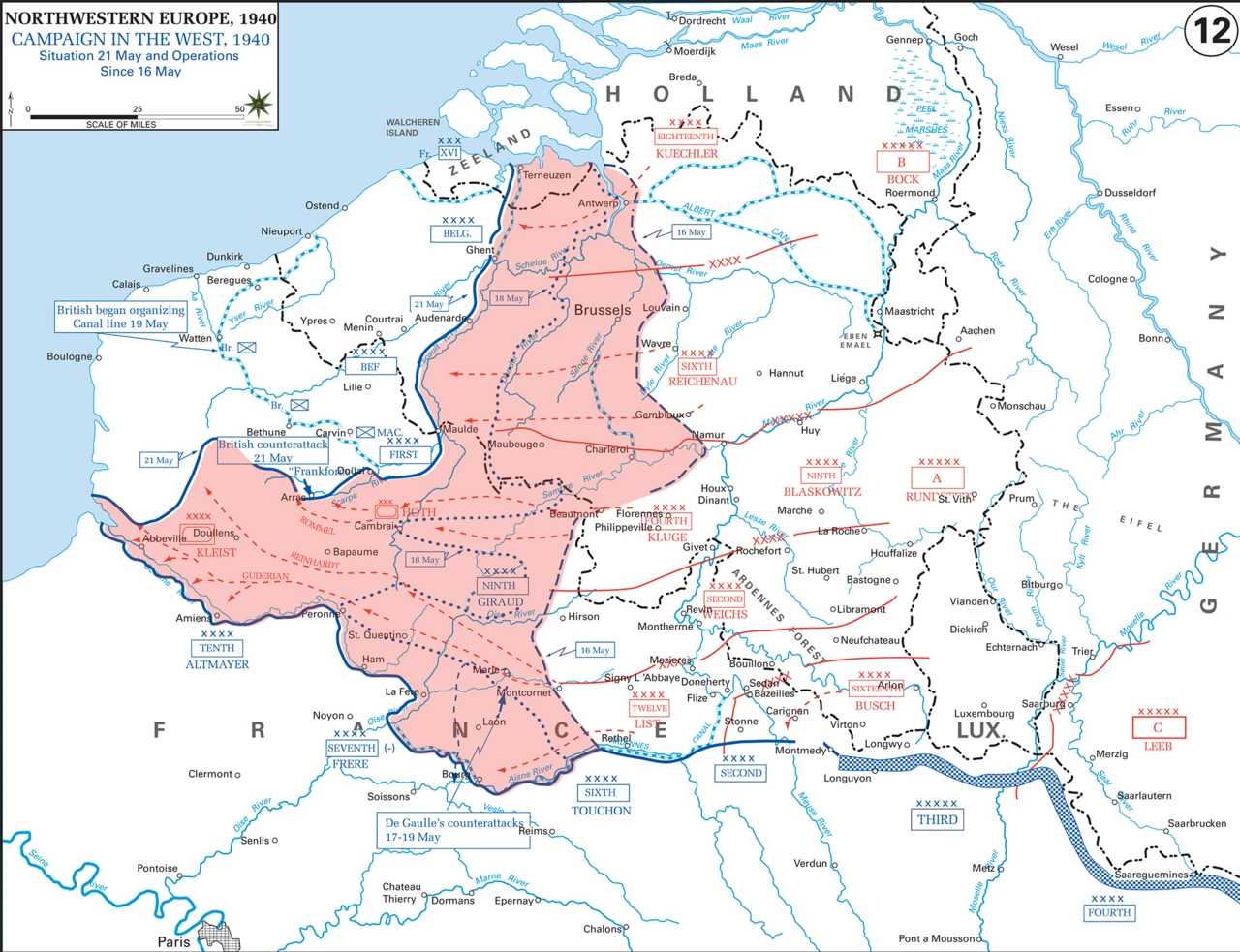
The village of Stonne, perched at 850 feet on the plateau overlooking Sedan, had become a lock that both sides had been wrestling over since 15 May 1940. Captain , 34, son of General who commanded Army Group 1, was a cavalry officer who had transferred to armour. He commanded the 1st company of the , attached to Brocard's .
His company fielded 3 Char B1 bis and about ten H39 light tanks. At 10:00, Billotte received the order to hold Stonne against the assaults of the . He climbed into his Char B1 bis No. 337, named "Eure": 32 tons, a 75 mm gun in the hull, a 47 mm gun in the turret, 60 mm of armour — the best-protected tank on the battlefield.
Around 16:00, emerging into the village's main street, "Eure" found himself facing a column of about a dozen Panzer IIIs and IVs, a hundred yards away. An ideal range for his 47 mm — but also for the German guns. Billotte had only a few seconds.
Open fire on the spot, manoeuvre for a dominant position, or fall back?
Billotte applied A. He opened fire at once and in a few minutes destroyed thirteen German armoured vehicles — 2 Panzer IVs and 11 Panzer IIIs — boxed in along the street. His Char B1 "Eure" took about 140 impacts from 37 mm anti-tank guns, but none pierced its 60 mm armour: the tank emerged intact. Billotte became a national hero. Captured during the second phase of the campaign, he escaped from an Oflag in 1941, joined the Free French and ended the war as a general; he would be a minister under the Fourth Republic and would die in 1992. The village of Stonne changed hands seventeen times between 15 and 19 May, paid for at immense cost on both sides. The Char B1 bis "Eure" is today preserved at the Musee des Blindes at Saumur, witness to the squandered technical superiority of a poorly handled French army.
Learn more about this event
Related polls
10
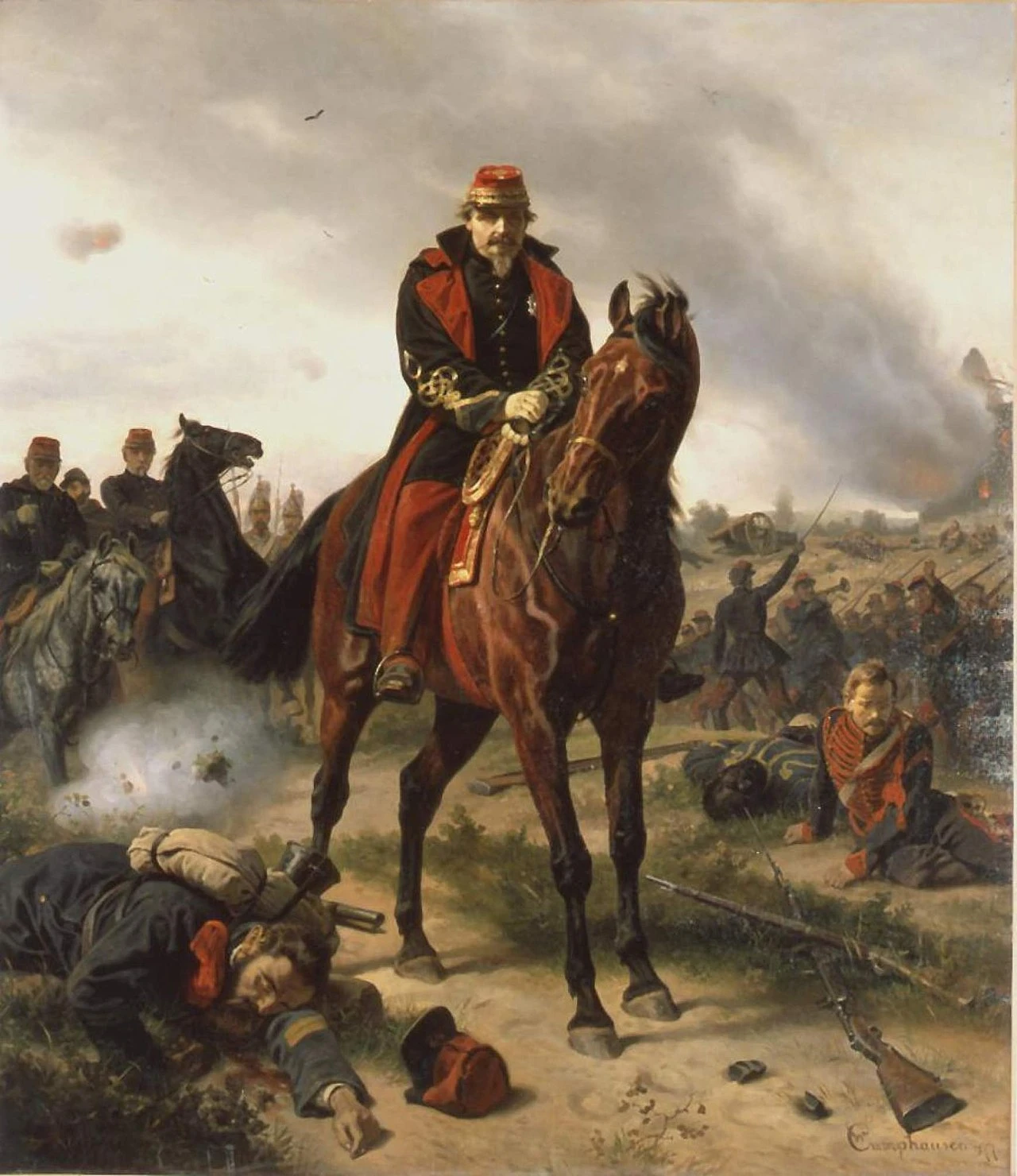
Bulson — Lafontaine and the 02:00 rumour
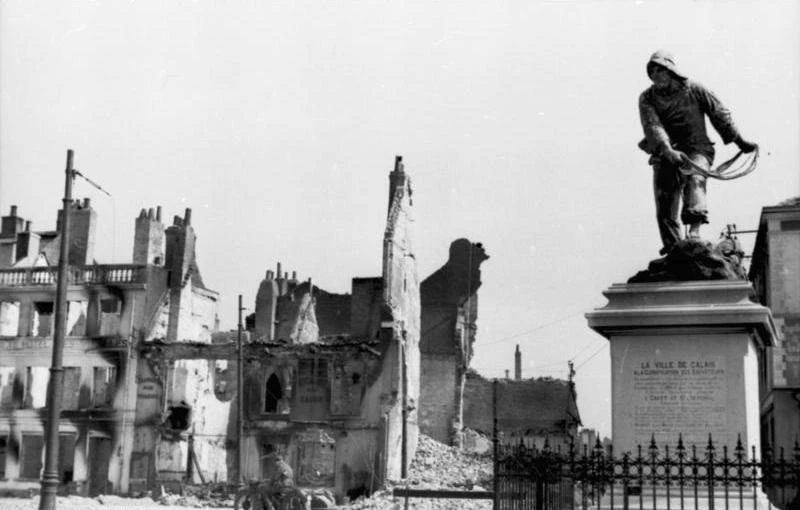
Calais — Nicholson facing the ultimatum
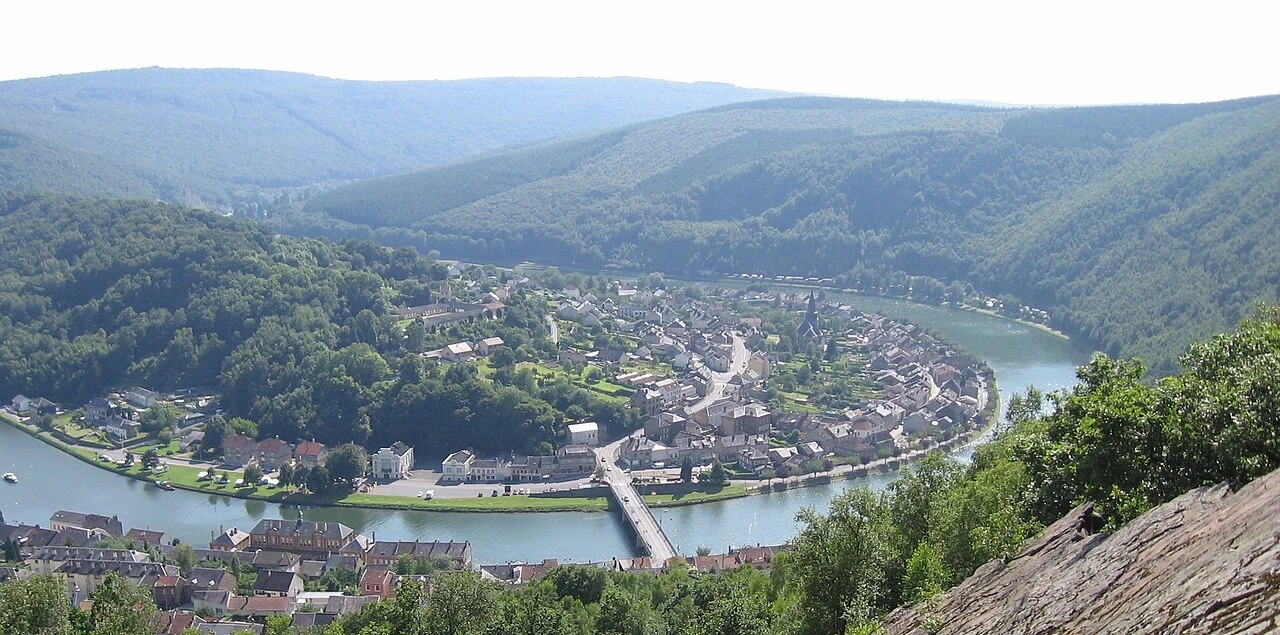
Monthermé — Portzert in the Meuse loop
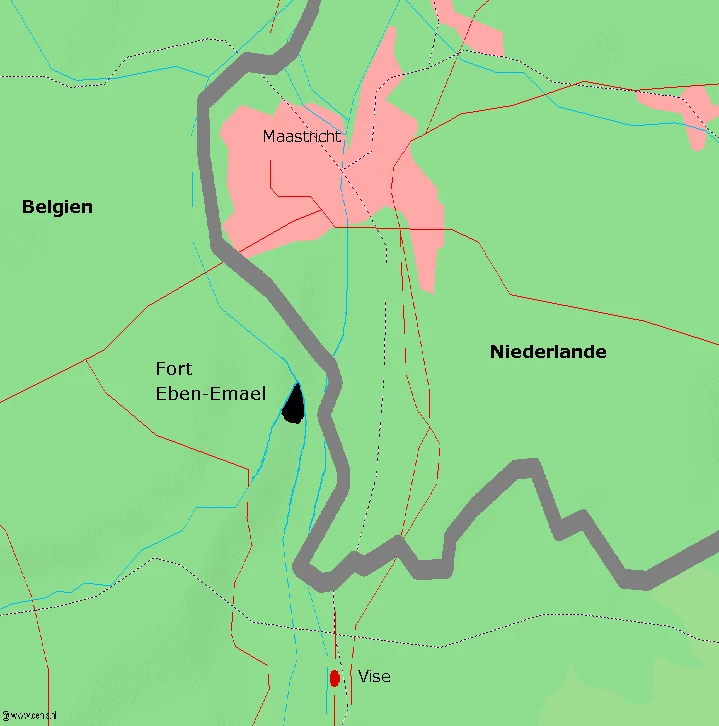
Eben-Emael — Jottrand under the explosions
Boulogne — Fox-Pitt and the Guards facing the port
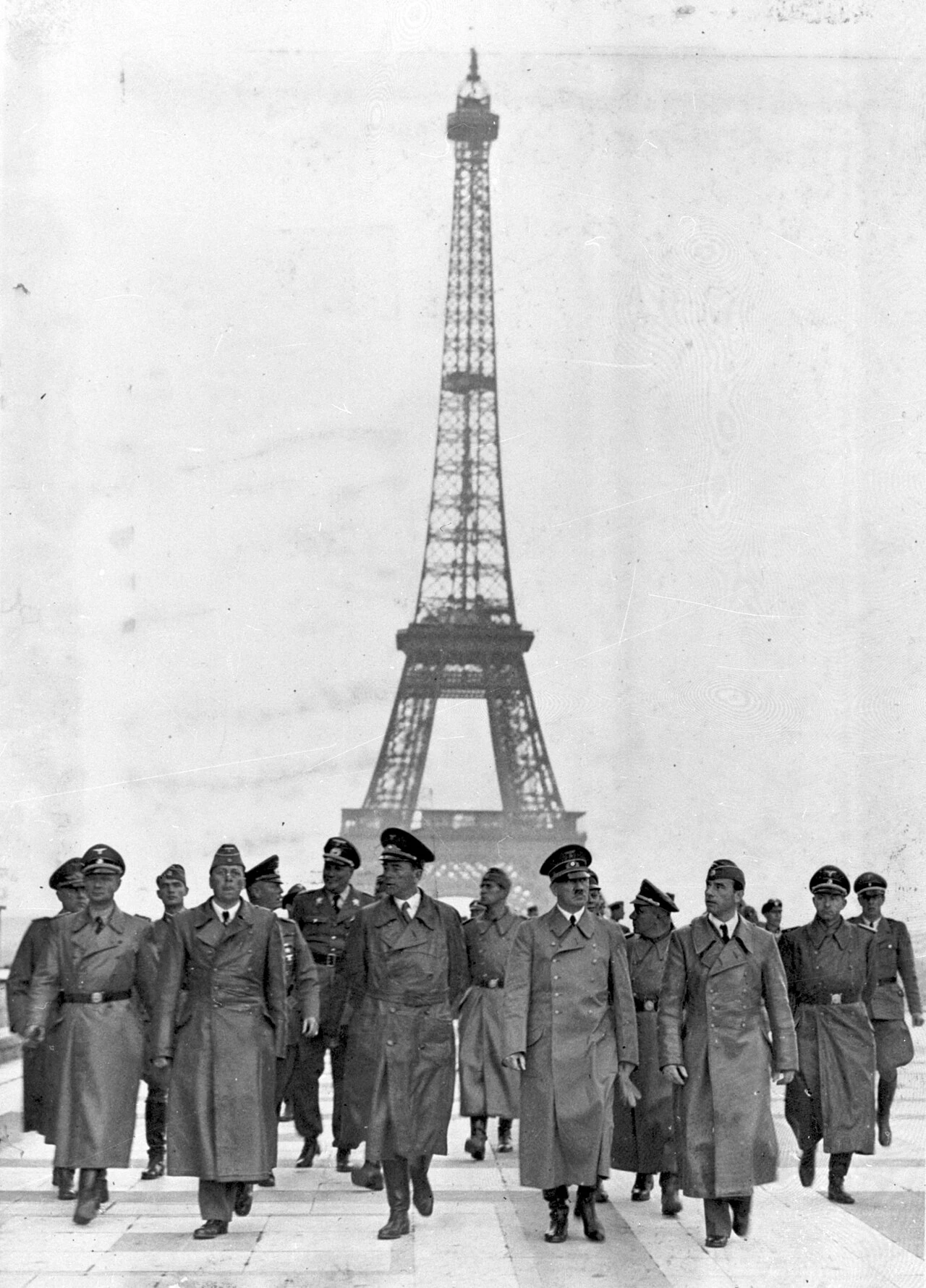
The Defence of Boulogne
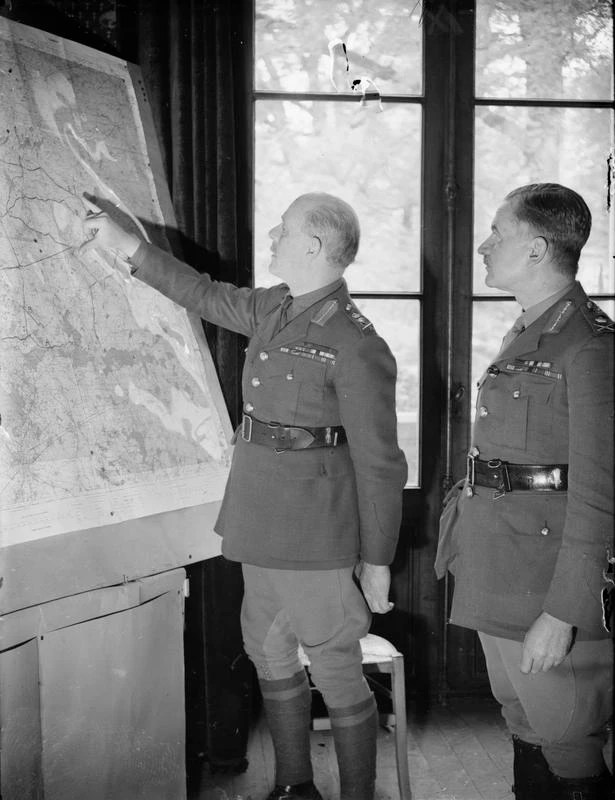
Gort at Habarcq — trust in the French plan
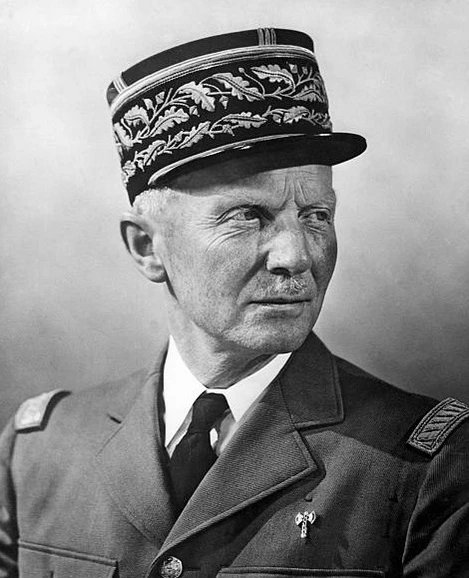
Huntziger over the Sedan reports — 13 May
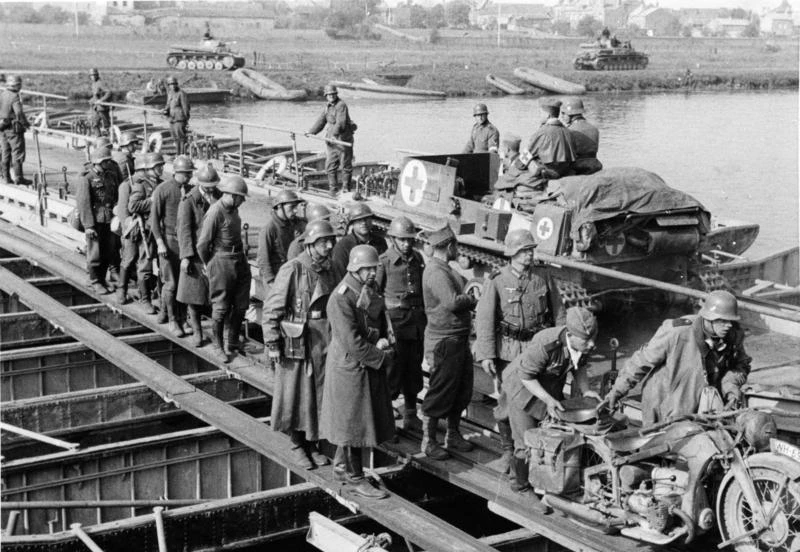
The panic of Bulson
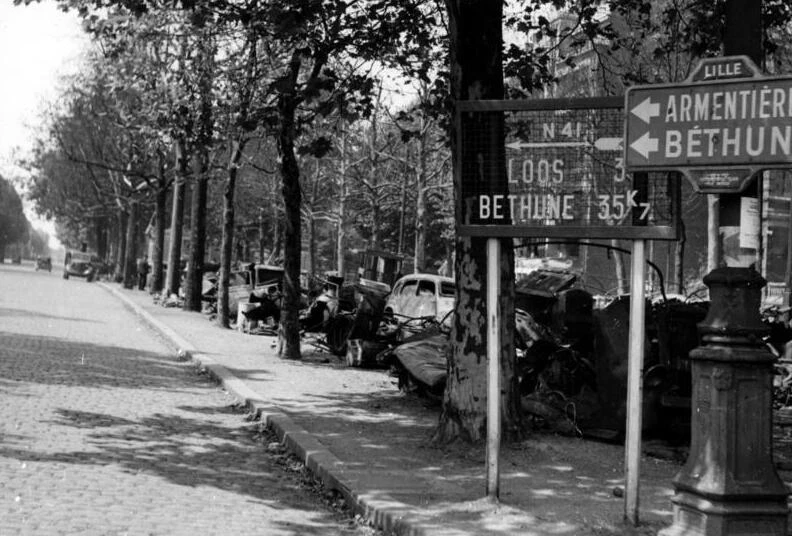
The Lille Pocket
Bulson — Lafontaine and the 02:00 rumour
Calais — Nicholson facing the ultimatum
Monthermé — Portzert in the Meuse loop
Eben-Emael — Jottrand under the explosions
Boulogne — Fox-Pitt and the Guards facing the port
The Defence of Boulogne
Gort at Habarcq — trust in the French plan
Huntziger over the Sedan reports — 13 May
The panic of Bulson