
Churchill — Buckingham 10 May 18:00
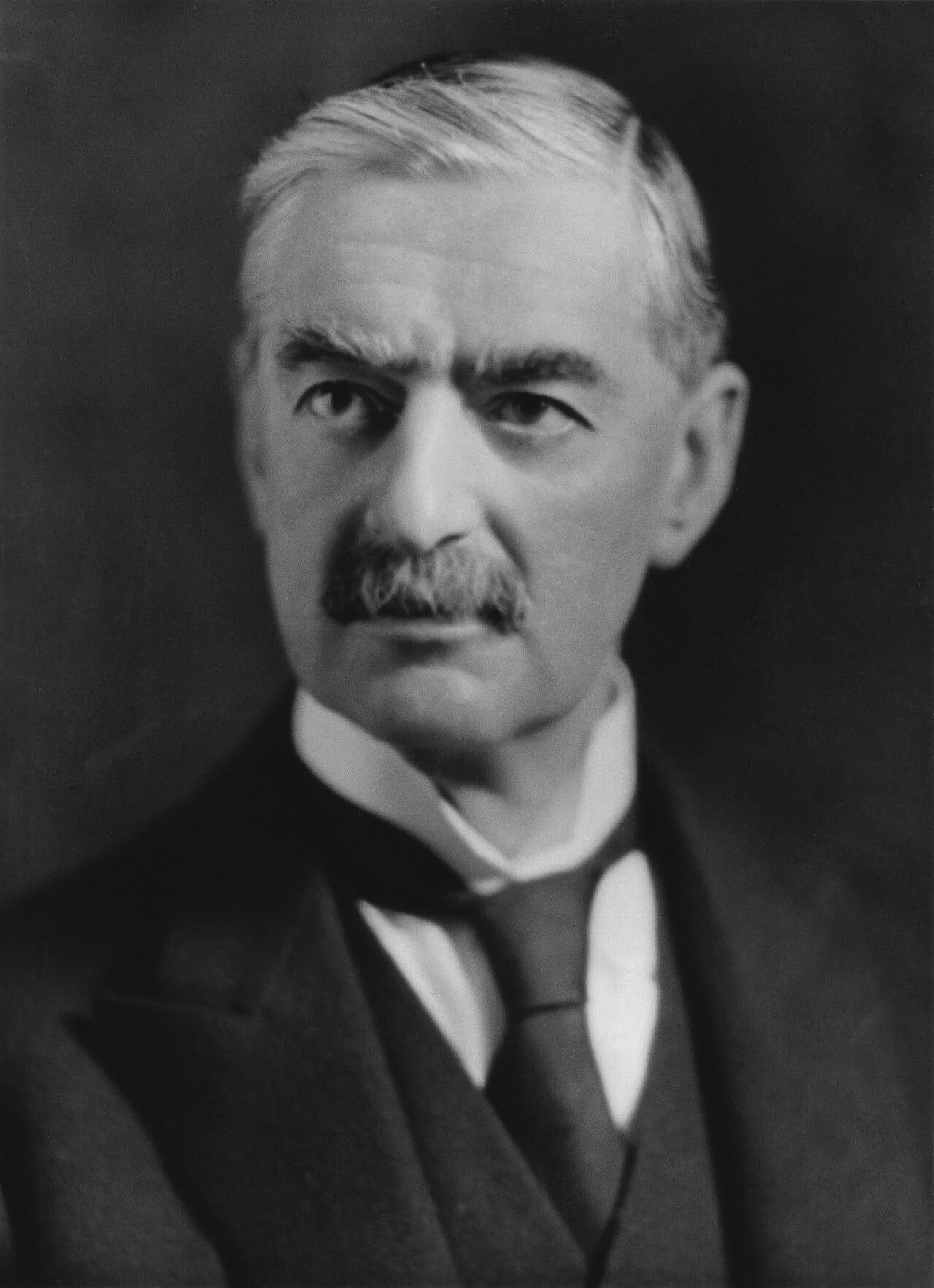
On 10 May 1940 at 04:35, Operation Fall Gelb is launched: simultaneous invasion of the Netherlands, Belgium, Luxembourg and an offensive against France. In London, the news reaches Downing Street at 05:00. , already on his way out after the Norway Debate, hastens his resignation. At 11:00, he summons the King.
initially proposes Lord Halifax, his personal favourite. But Halifax declined the day before (historic meeting of 9 May with Churchill and Chamberlain, where he argued that a Prime Minister sitting in the Lords could not function in wartime). therefore accepts .
At 18:00 on 10 May 1940, Churchill goes to Buckingham Palace. Royal hand-kissing ceremony: asks him to form a government. Churchill accepts. He is 65; former Colonial Secretary (1921), Air Minister (1919), Chancellor of the Exchequer (1924-1929), First Lord of the Admiralty since September 1939.
At 22:00, Churchill arrives at 10 Downing Street. First meeting of the War Cabinet of five: Churchill (Prime Minister and Minister of Defence — an institutional innovation), Chamberlain (Lord President of the Council), Halifax (Foreign Affairs), Attlee (Lord Privy Seal, Labour), Greenwood (Minister without Portfolio, Labour).
The question for Churchill: what tone to give his first speech to the Commons, scheduled for 13 May?
What tone should Churchill adopt for his first speech to the Commons?
Churchill applies B. First speech to the Commons on 13 May 1940: "I have nothing to offer but blood, toil, tears and sweat." The phrase becomes immediately iconic. Programme: "You ask, what is our policy? I will say: It is to wage war, by sea, land and air, with all our might and with all the strength that God can give us. You ask, what is our aim? I can answer in one word: It is victory. Victory at all costs. Victory in spite of all terror. Victory however long and hard the road may be." For the next 66 months, Churchill embodies British resistance. His leadership is credited as one of the decisive factors in the Allied victory. At the July 1945 election, paradoxically defeated by Attlee's Labour. He returns to office as Prime Minister 1951-1955, dies in January 1965 — a state funeral, the first for a non-member of the royal family since 1898.
Learn more about this event
Related polls
10
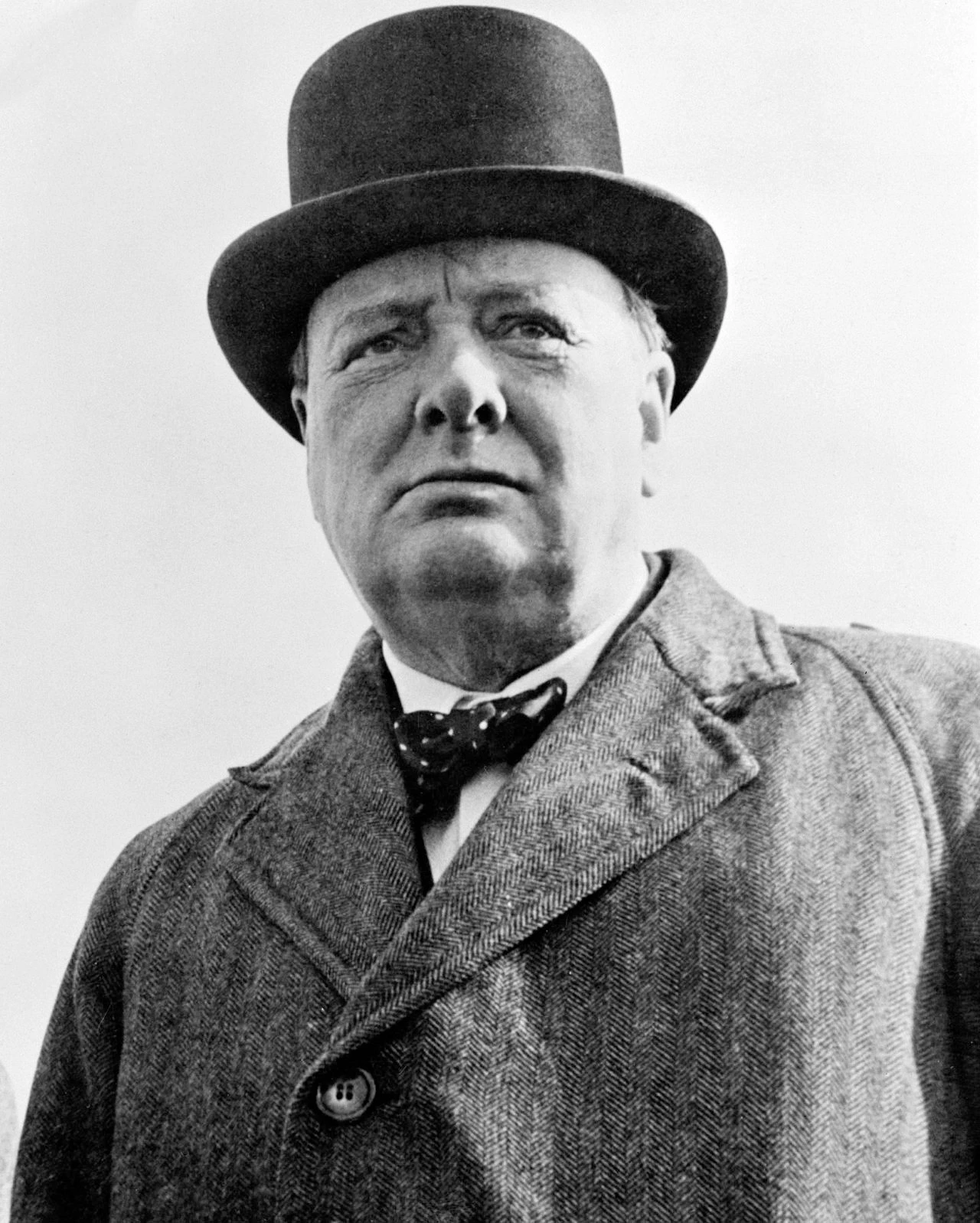
Churchill in power
War council — leave central Norway?
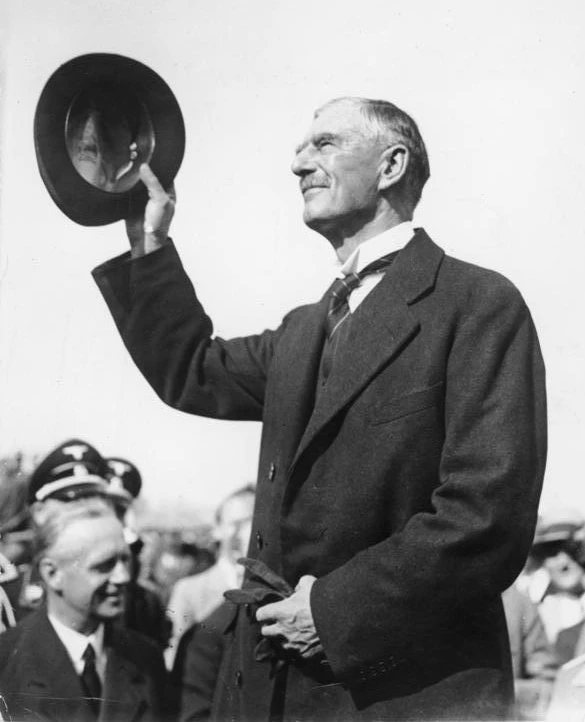
Norway Debate — 7-8 May
The War Cabinet — Negotiate or Carry On
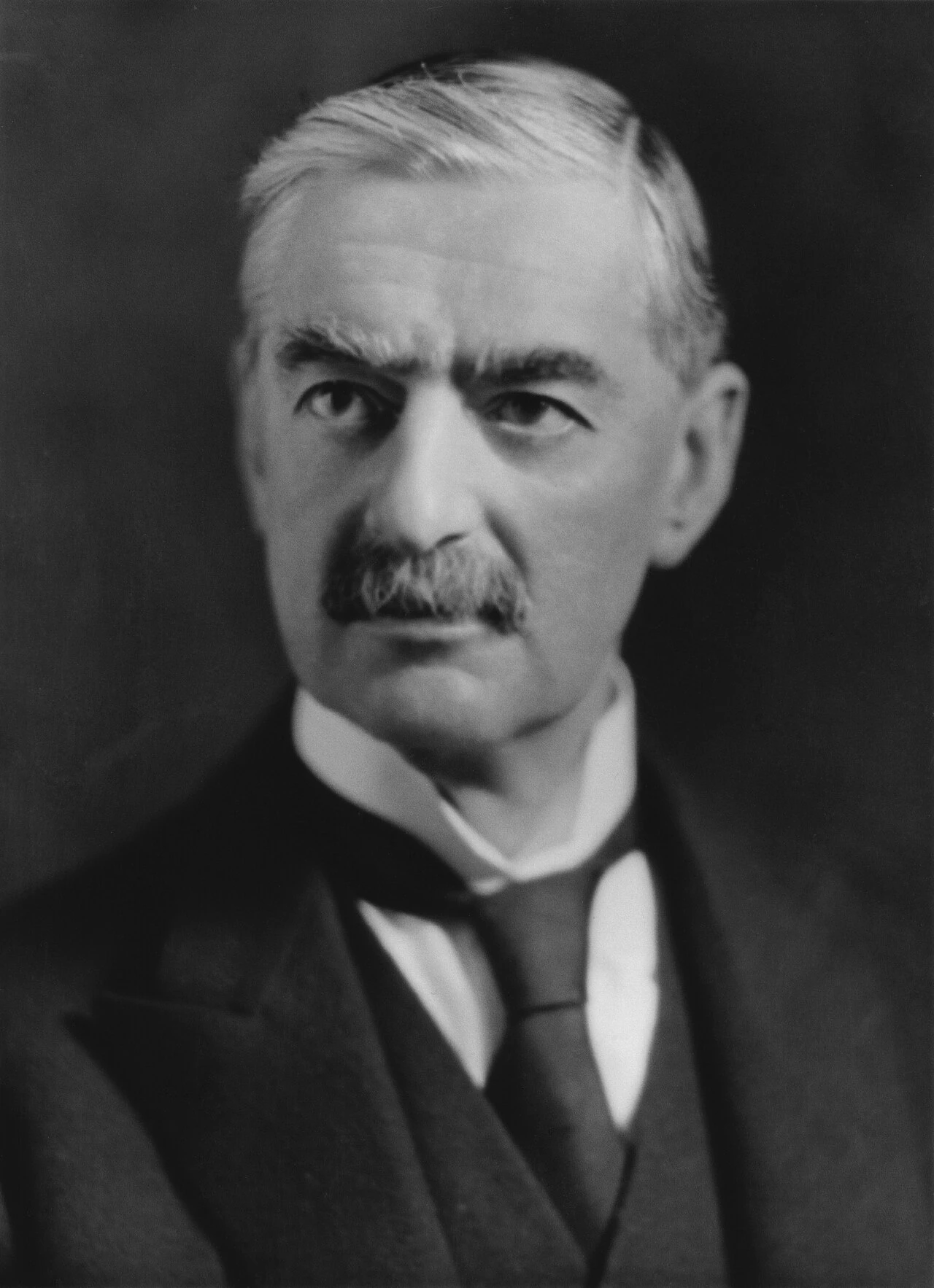
Chamberlain at Central Hall — 4 April
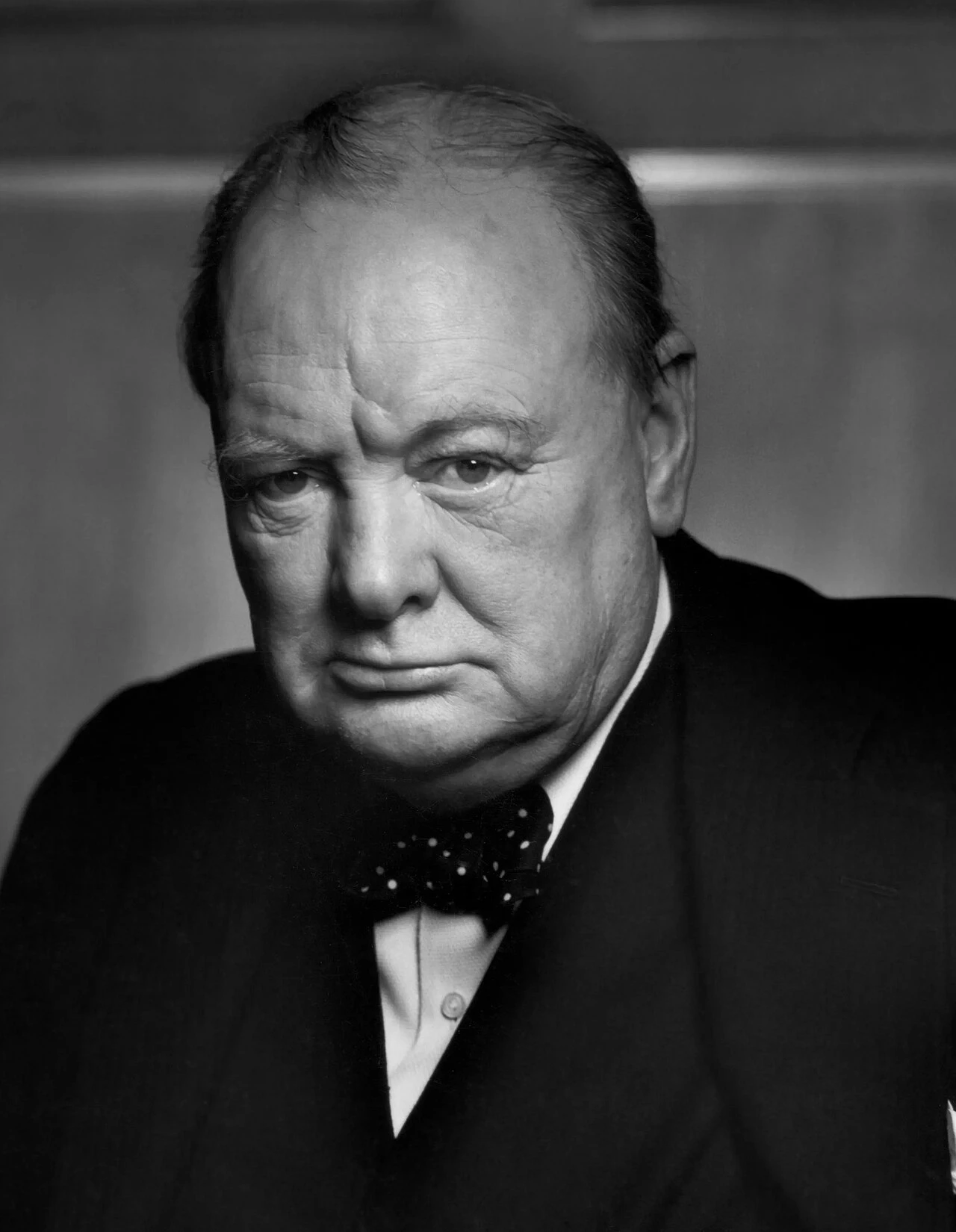
Churchill before the 25 ministers — 28 May 18:00
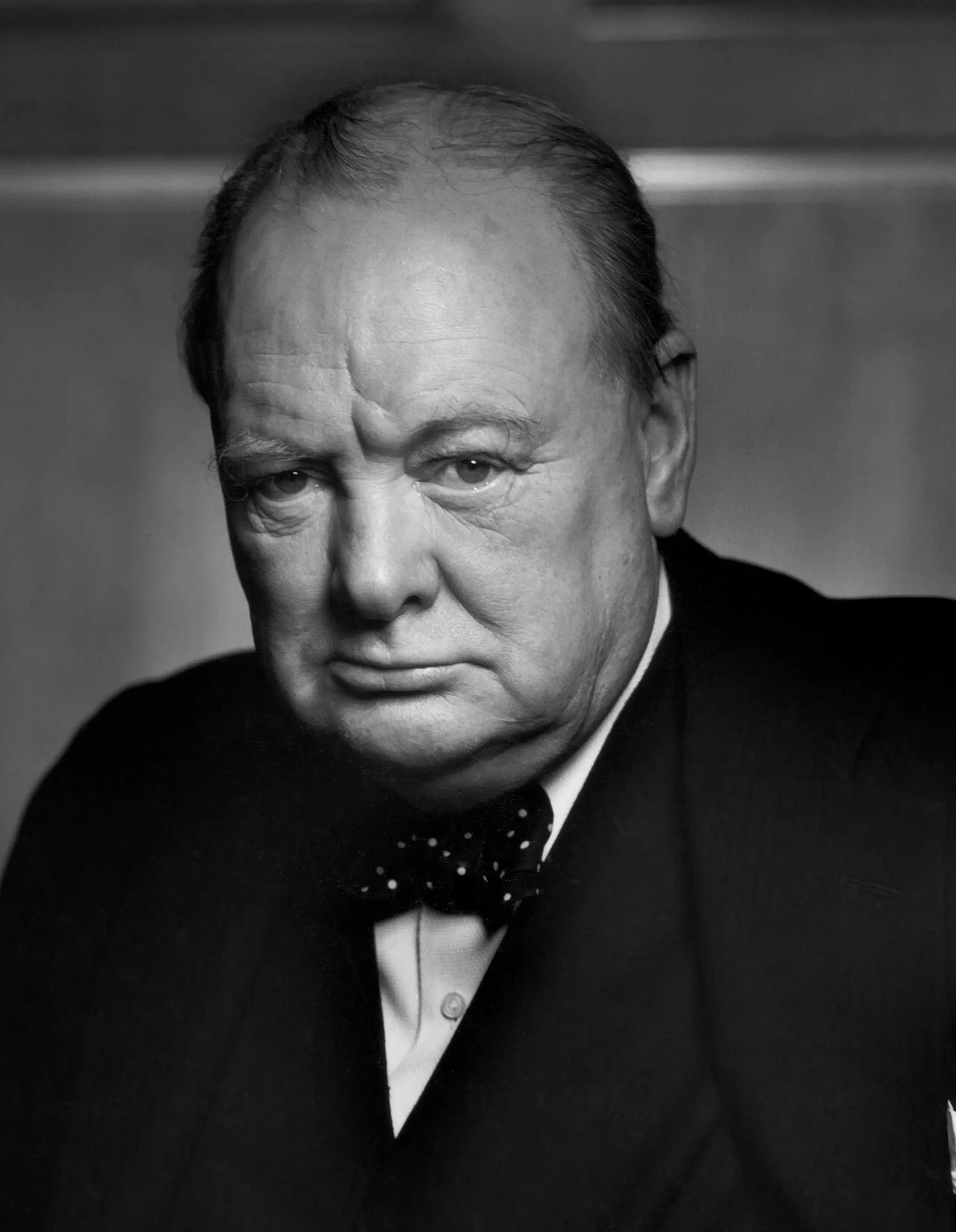
Churchill before the Commons — 4 June
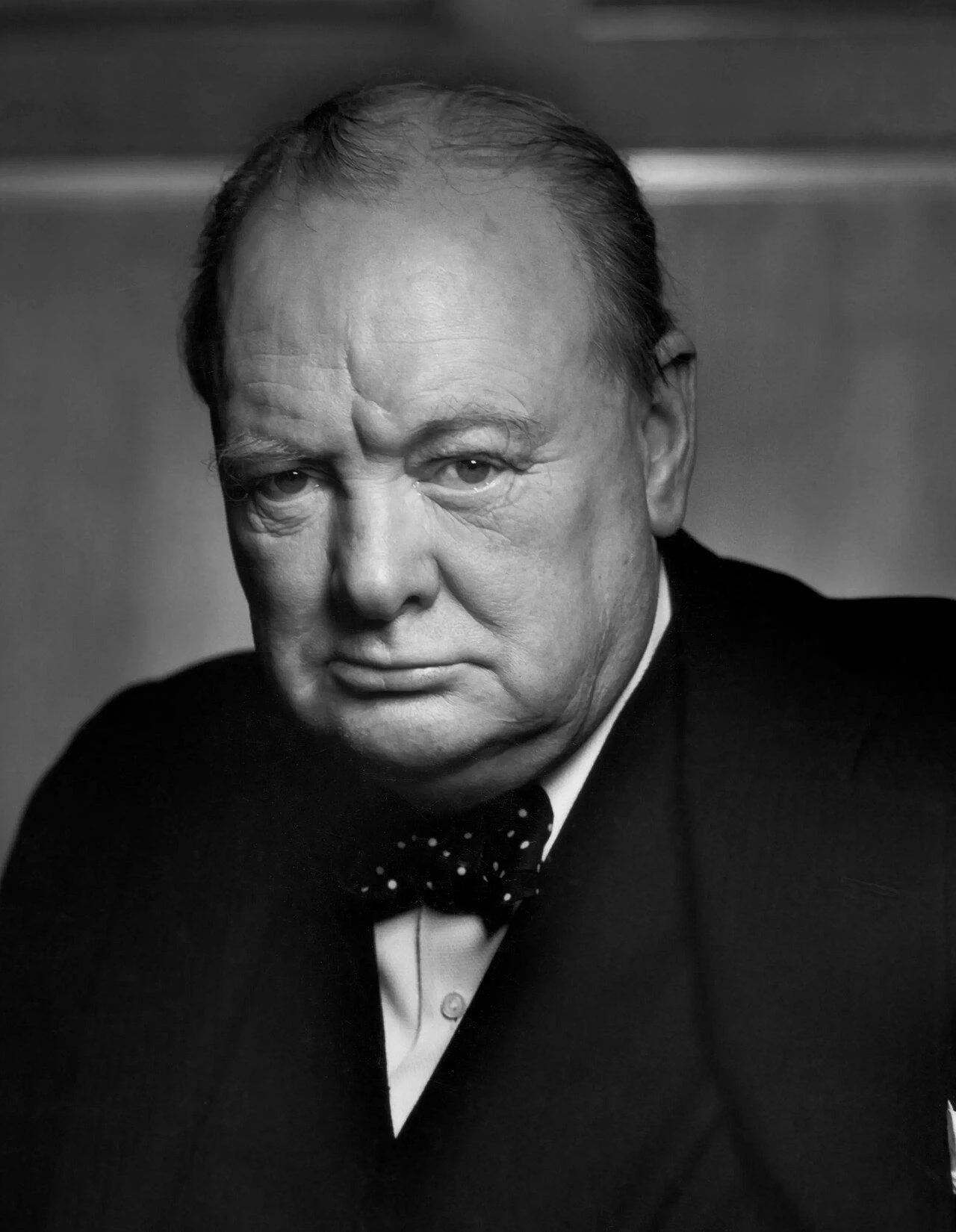
Halifax at the War Cabinet — 25 May 18:00
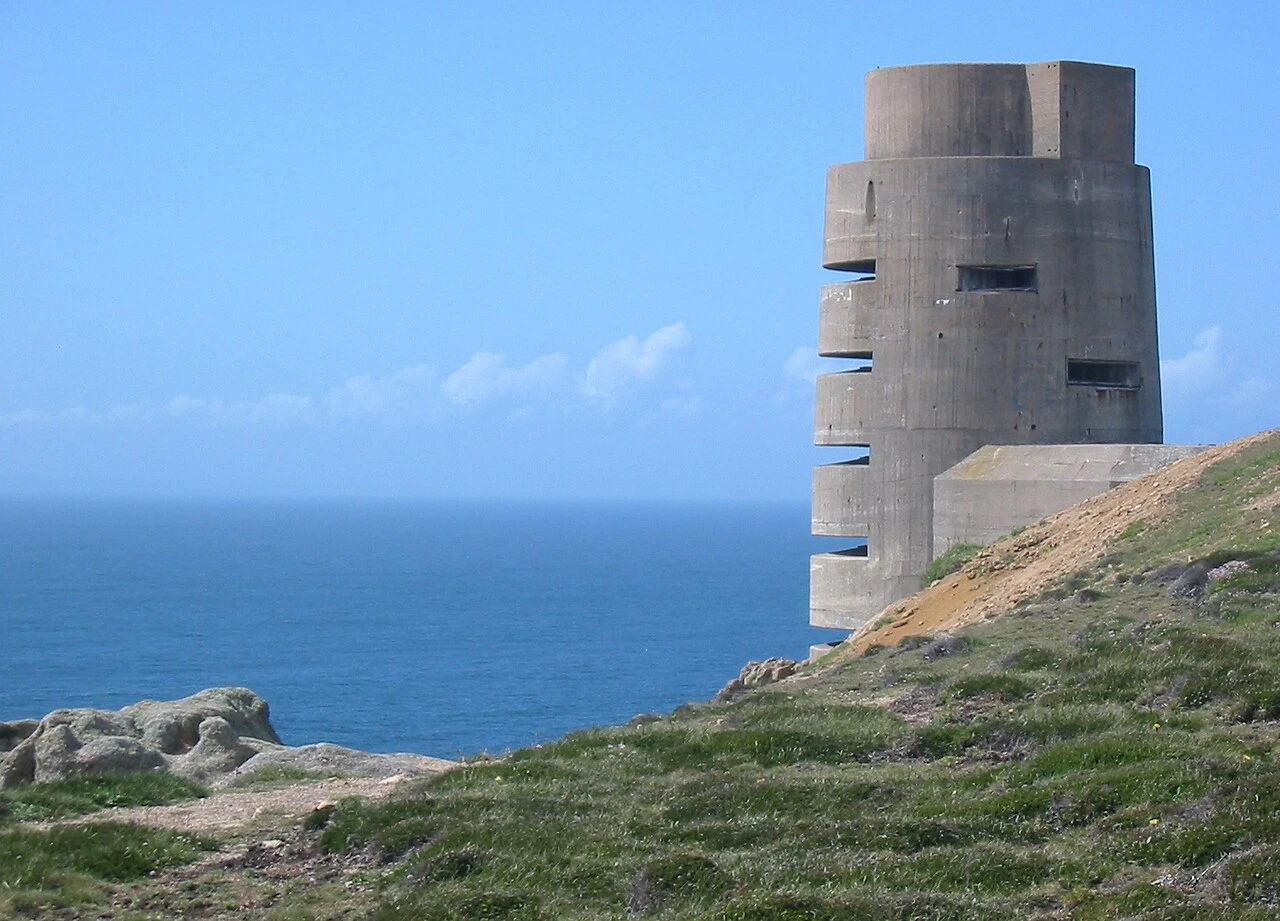
The fate of the Channel Islands
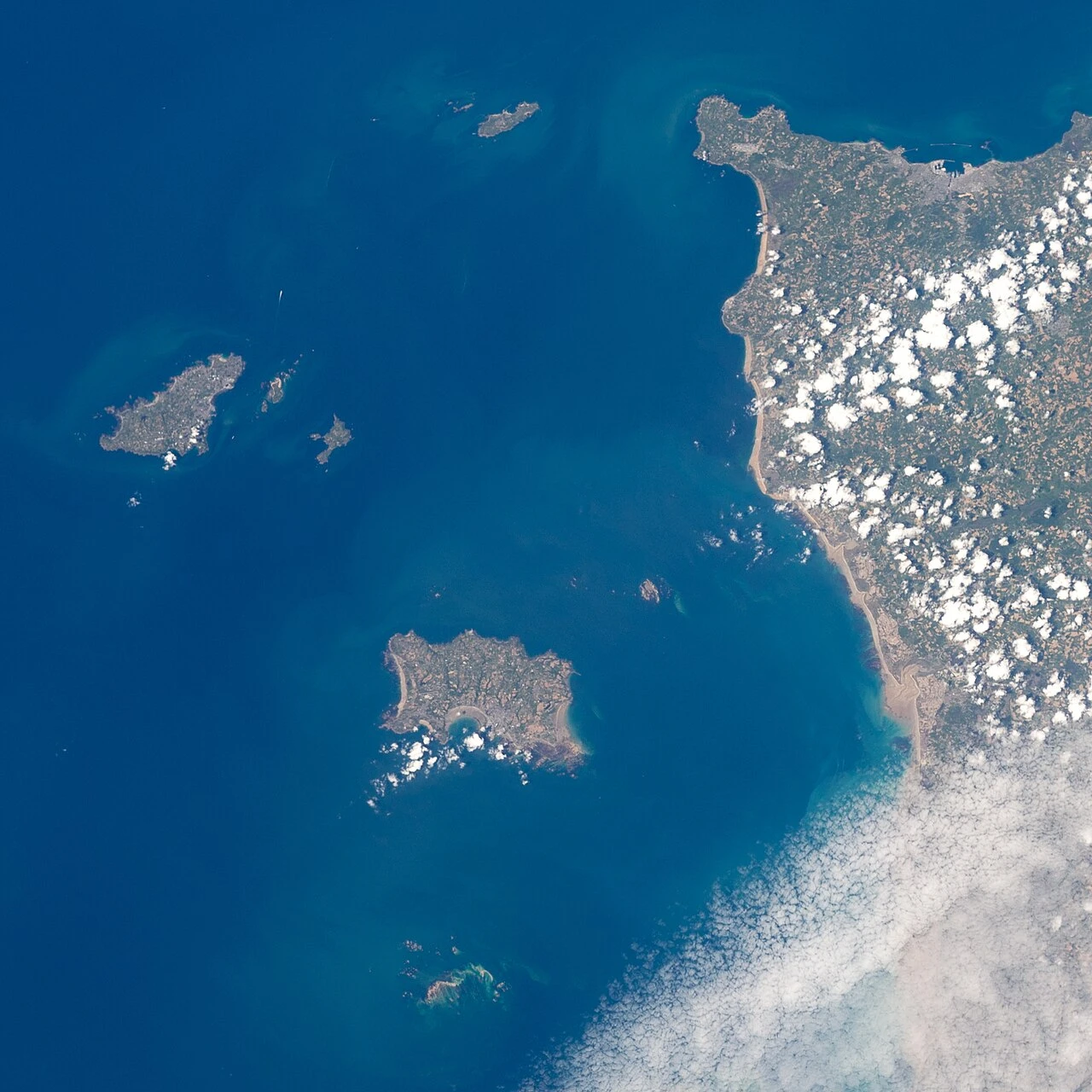
The Channel Islands — open city?
Churchill in power
War council — leave central Norway?
Norway Debate — 7-8 May
The War Cabinet — Negotiate or Carry On
Chamberlain at Central Hall — 4 April
Churchill before the 25 ministers — 28 May 18:00
Churchill before the Commons — 4 June
Halifax at the War Cabinet — 25 May 18:00
The fate of the Channel Islands