
Whittle, his jet engine and the rebellious combustion chamber
On 15 May 1941, at RAF Cranwell, the Gloster E.28/39 flown by Squadron Leader made the first British flight powered by a turbojet, designed by . A resounding success. But the aircraft was a flying testbed, and the engine intended for series production, the W.2, remained fragile.
The trials revealed stubborn limitations: beyond roughly 1,000 pounds of thrust, the compressor went into surge and the gas temperature ran away. The heart of the problem lay in the reverse-flow combustion chambers, the compact architecture Whittle had championed from the start. Some engineers felt everything needed to be rethought towards a straight-through flow, longer but simpler.
Whittle, exhausted and under pressure from both the Air Ministry and the subcontractor Rover, had to settle on the technical direction of his production engine.
Faced with the production engine's flaws after the first flight, which technical path should Whittle prioritise?
Whittle stayed committed to his reverse-flow architecture and wanted to concentrate all efforts on a single improved design, the W.2B/23. In parallel and without his agreement, Rover's engineers () secretly developed a straight-through version, the B.26, encouraged by the Ministry. The conflict poisoned the Power Jets-Rover relationship; by the end of 1941 the arrangement was no longer working. It was ultimately Rolls-Royce that took over the programme in 1942-1943, and the combustion chambers would be entirely redesigned by Joseph Lucas Ltd to produce the production Rolls-Royce Welland.
Learn more about this event
Related polls
10
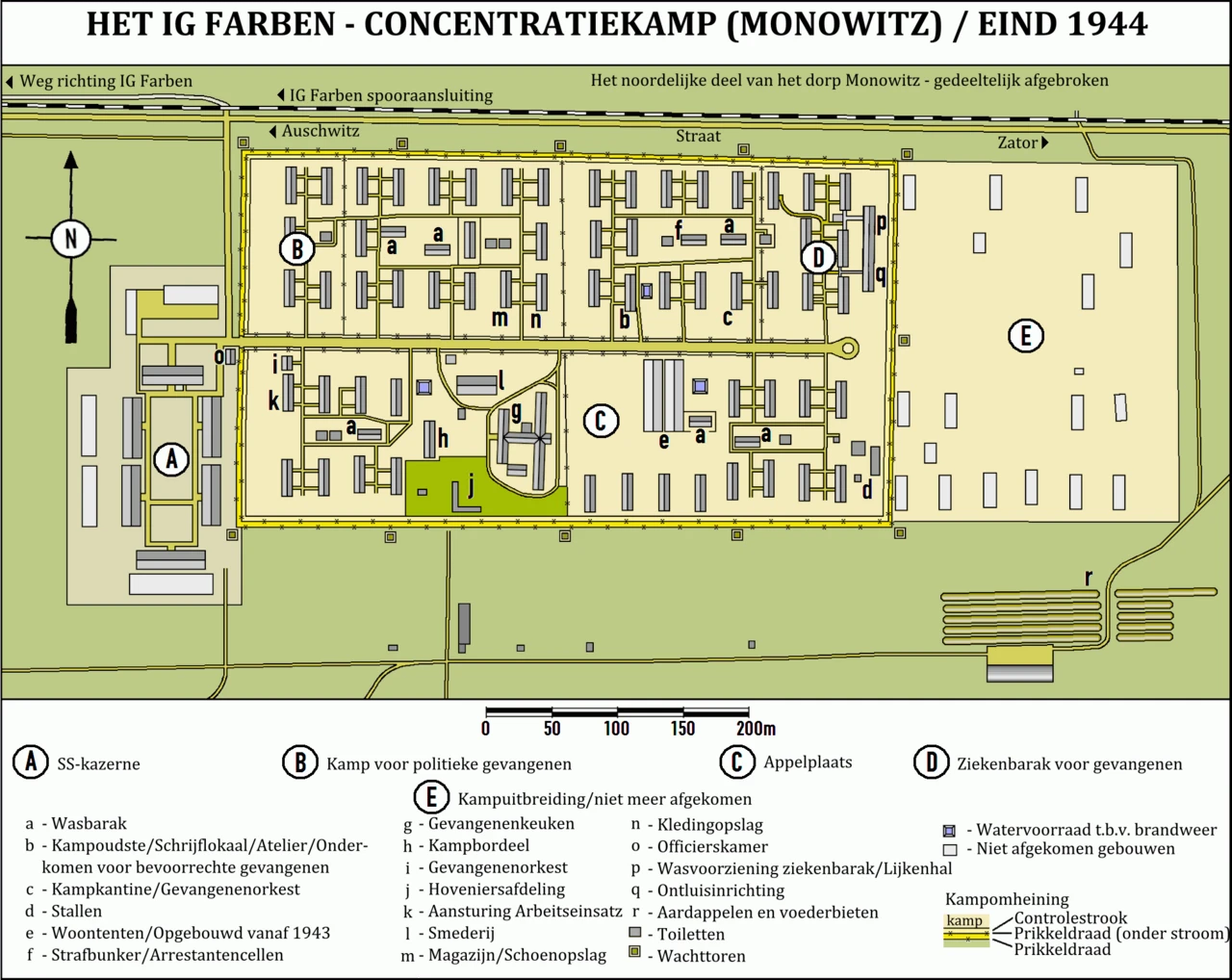
The Monowitz Construction Site
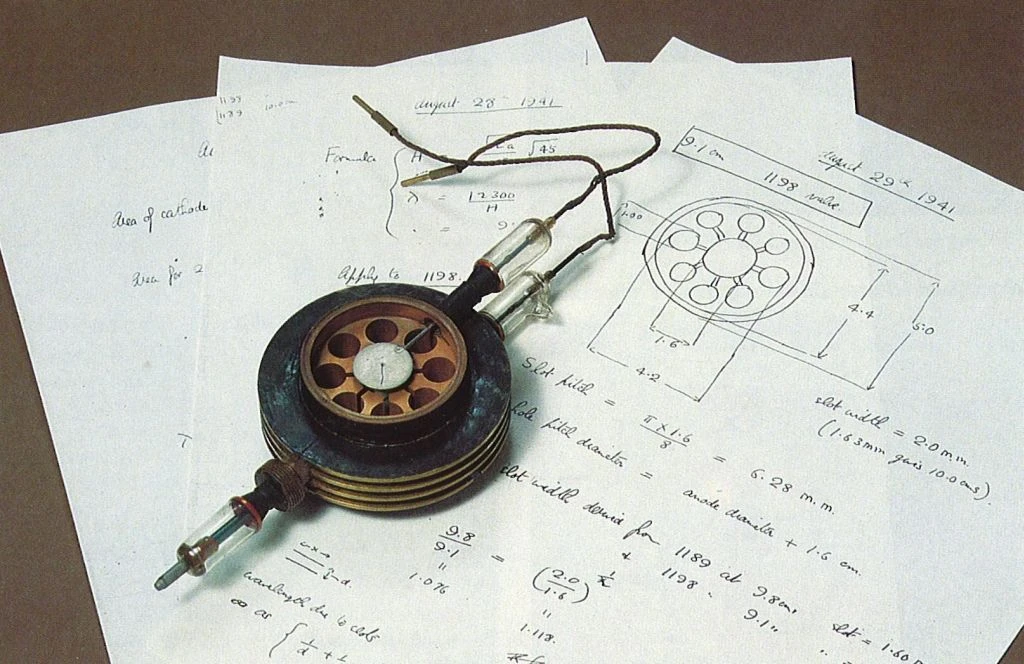
The Tizard Mission's Trunk for America
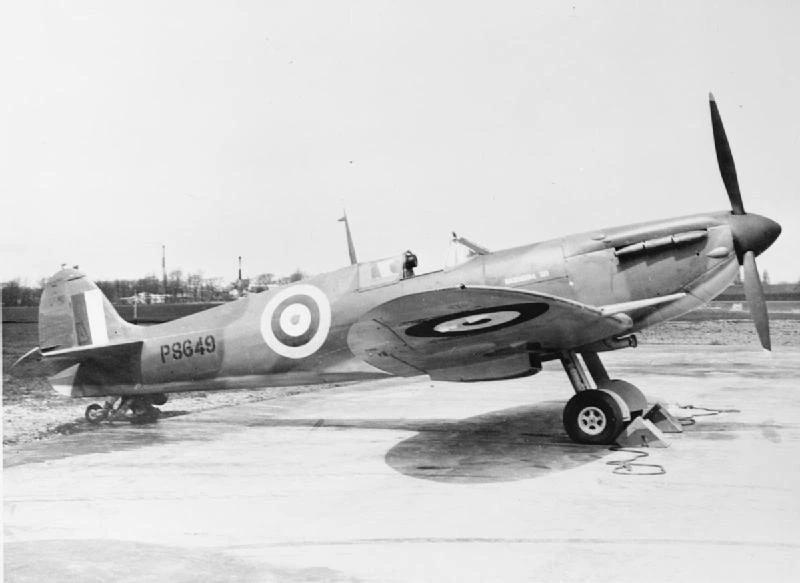
The Shadow Factories
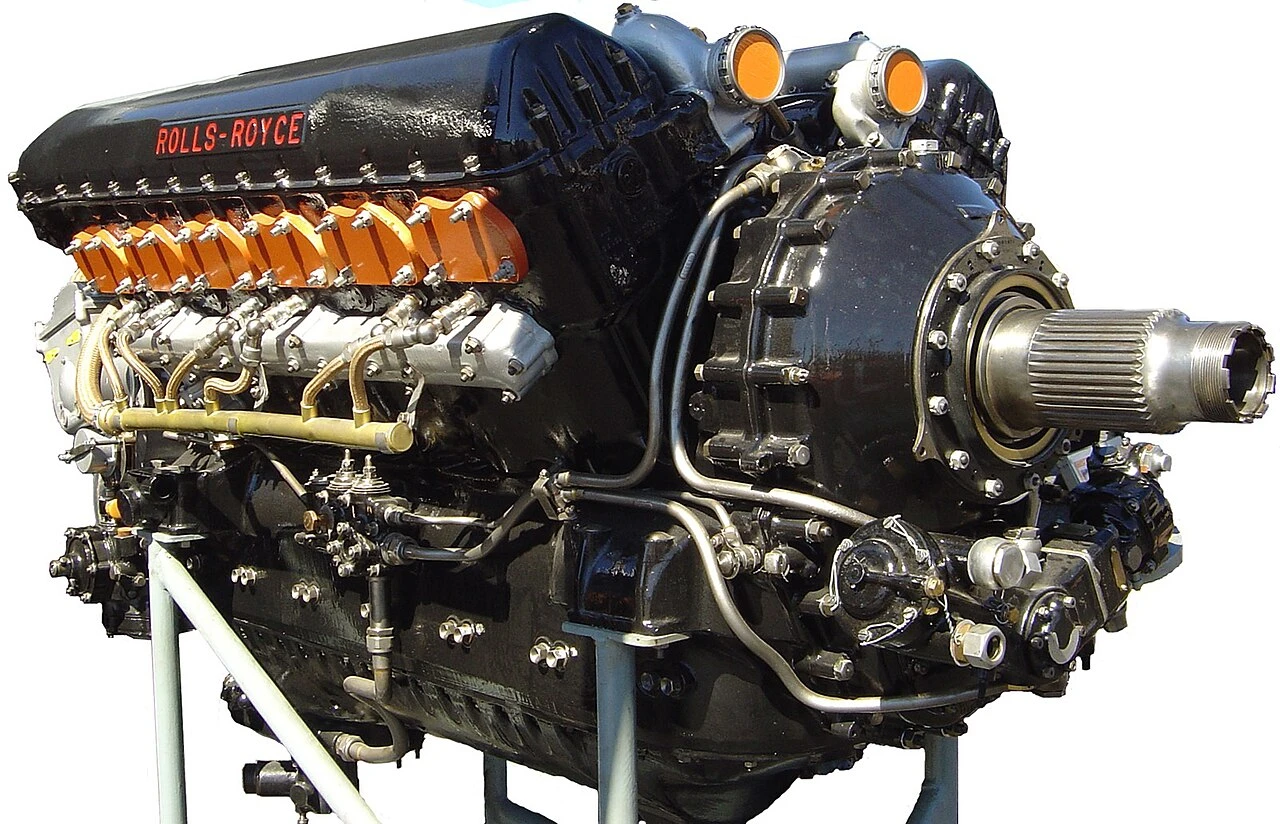
Car assembly lines for an aircraft engine
Soviet Sappers at Kharkov
The Cambridge mathematician sworn to secrecy at Bletchley
The Fourth Buna — Where to Site the Plant
British rationing put to the test in 1941
British Clothes Rationing
The Pits Run Dry — Bevin and the Coal of 1941
The Monowitz Construction Site
The Tizard Mission's Trunk for America
The Shadow Factories
Car assembly lines for an aircraft engine
Soviet Sappers at Kharkov
The Cambridge mathematician sworn to secrecy at Bletchley
The Fourth Buna — Where to Site the Plant
British rationing put to the test in 1941
British Clothes Rationing