
The occupation of Prague on 15 March 1939 shattered the illusions of appeasement. The country understands that war is now probable. On 29 March, War Secretary announces a doubling of the — the volunteer reserve — which is to rise from around 130,000 to 340,000 men, plus 100,000 more for anti-aircraft defence.
For young men, the call is direct. Peacetime conscription does not yet exist (it will come in May), but volunteering for the becomes a much-noticed patriotic gesture, encouraged by higher pay and better conditions.
You are a young Briton, in your twenties. Enlist now as a volunteer, out of patriotism and to choose your branch, at the risk of being mobilised early if war breaks out? Wait for a possible conscription that will otherwise decide for you? Or stand aside — out of conviction, career, or scepticism? The decision is personal, but hundreds of thousands of men face it at the same moment, in an atmosphere where enlisting becomes a sign of commitment.
Should our young Briton volunteer now, wait for conscription, or stand aside?
Many chose A: the announcement of 29 March sets off a rush to the recruiting offices. Around 88,000 men enlist by the end of April 1939, and the swells toward its target (a field force raised from 130,000 to 340,000 men, plus anti-aircraft defence). This burst of volunteering shortly precedes the Military Training Act of May, the first peacetime conscription, and then the general mobilisation of September. The volunteers of March–April 1939 will form the backbone of the Territorial divisions committed to France in 1940. The surge in enlistment reflects the swing of British opinion toward accepting a war now judged inevitable.
Learn more about this event
Related polls
10
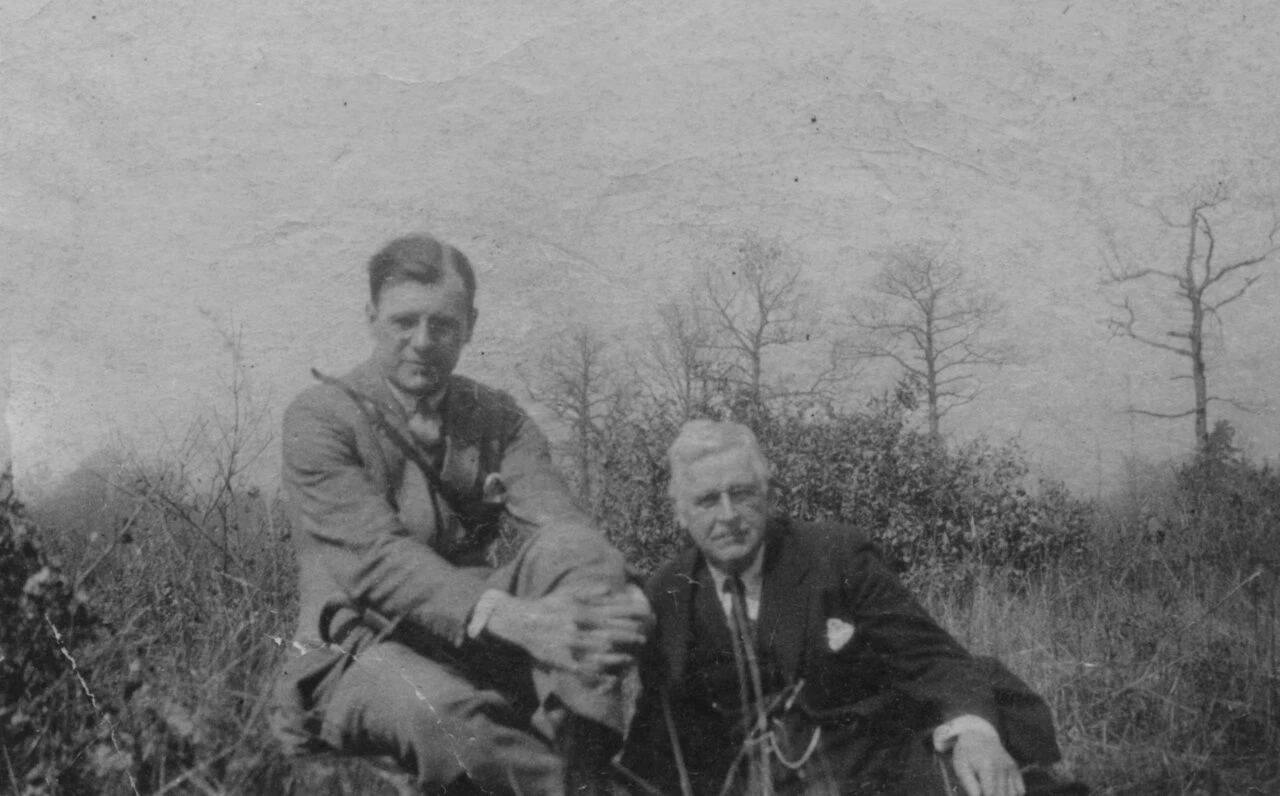
Cambridge, 1939: The Evacuated LSE Student and Conscription
The Evacuation of the Children
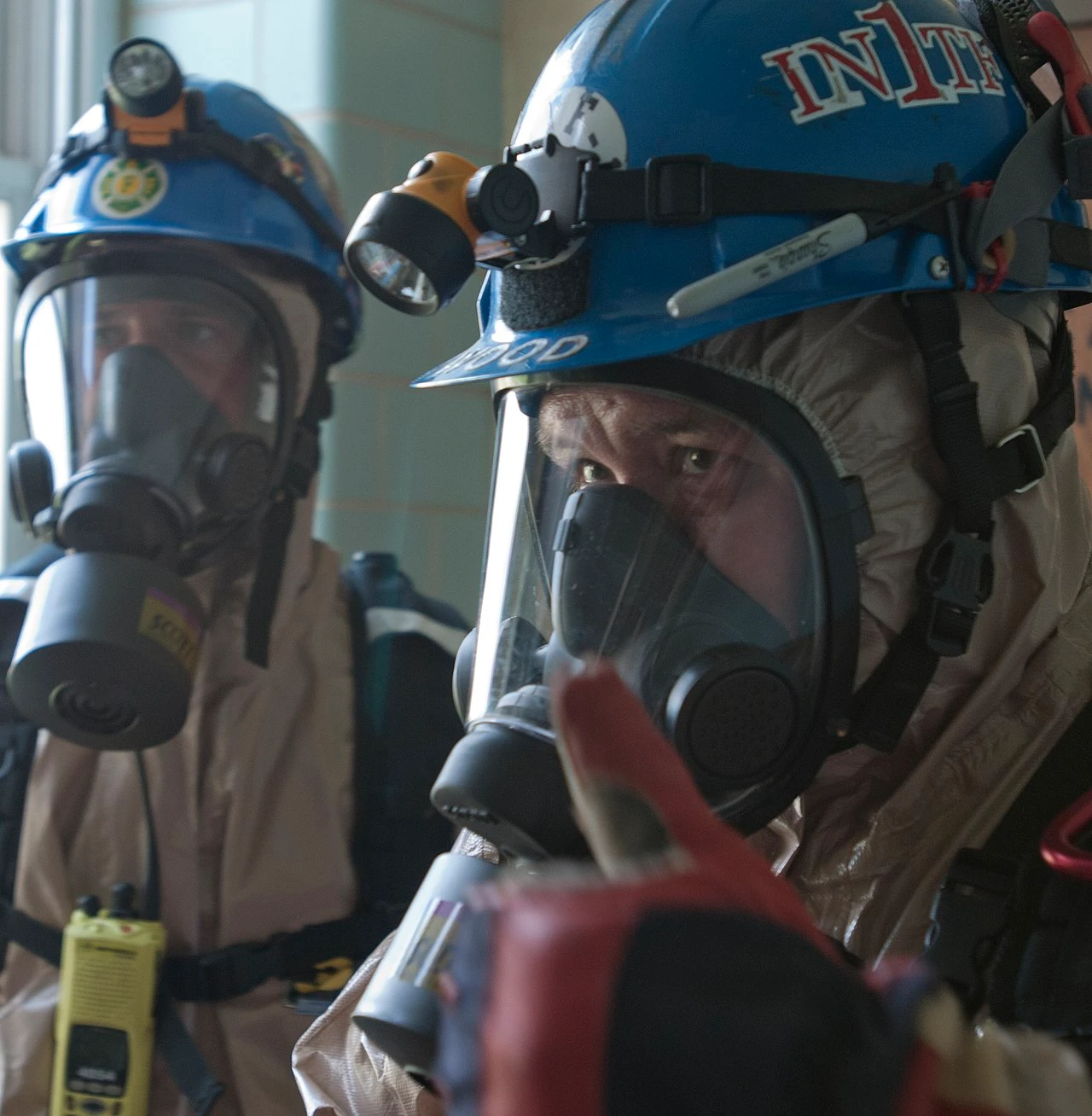
Gas Masks
The Conscientious Objector
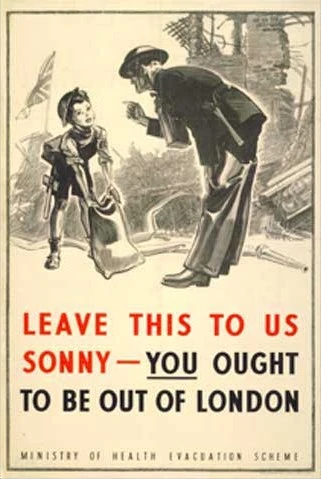
Operation Pied Piper — Womersley and the evacuation
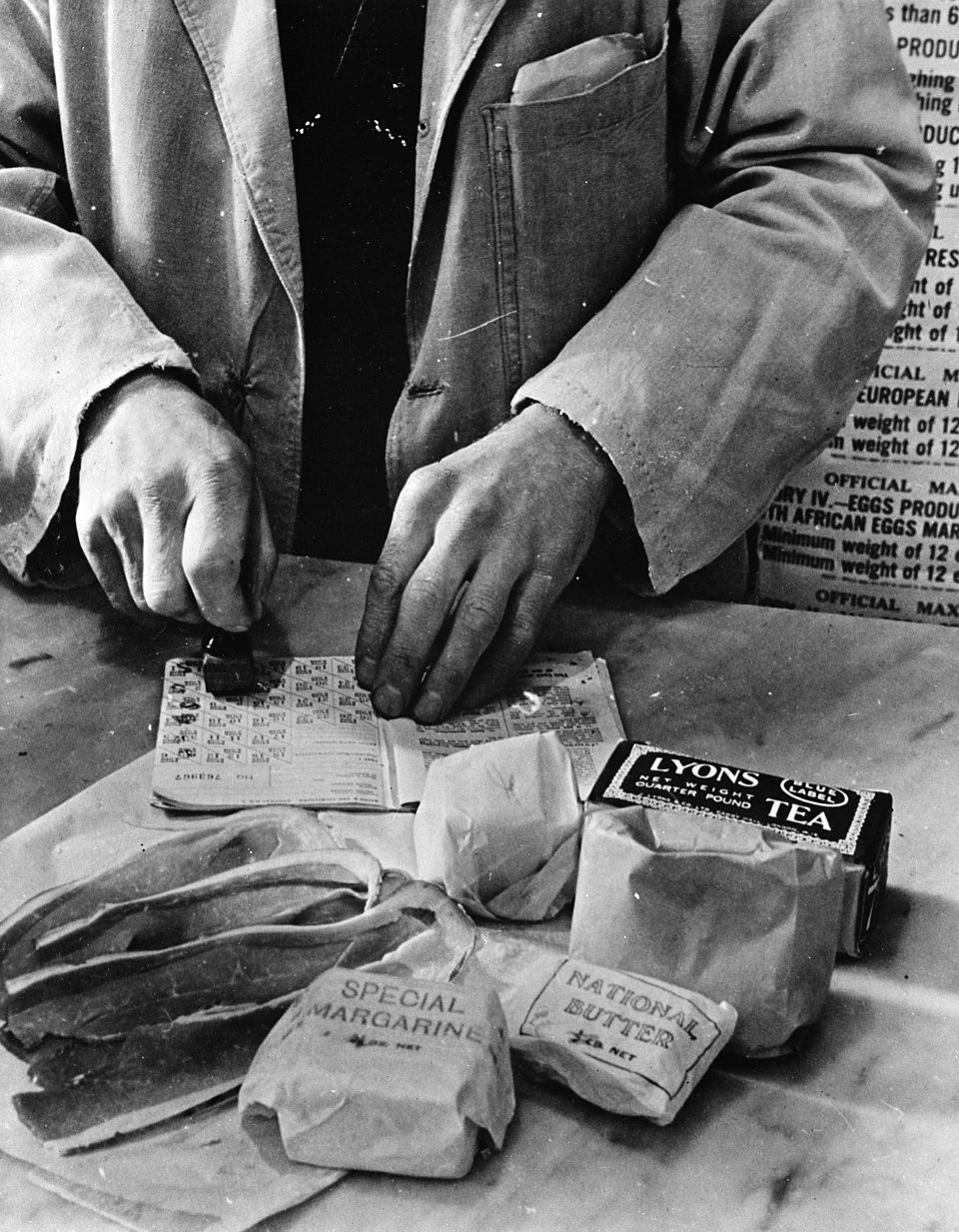
British rationing — Morrison and the principle
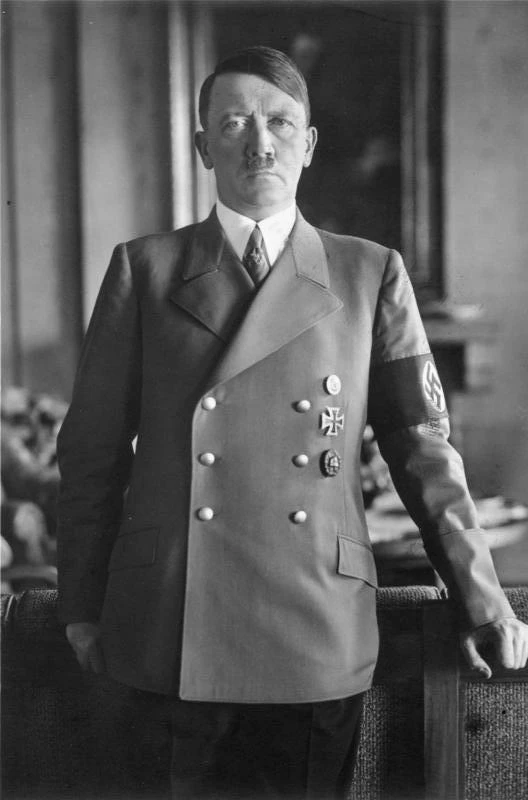
Coventry — the night of November 14
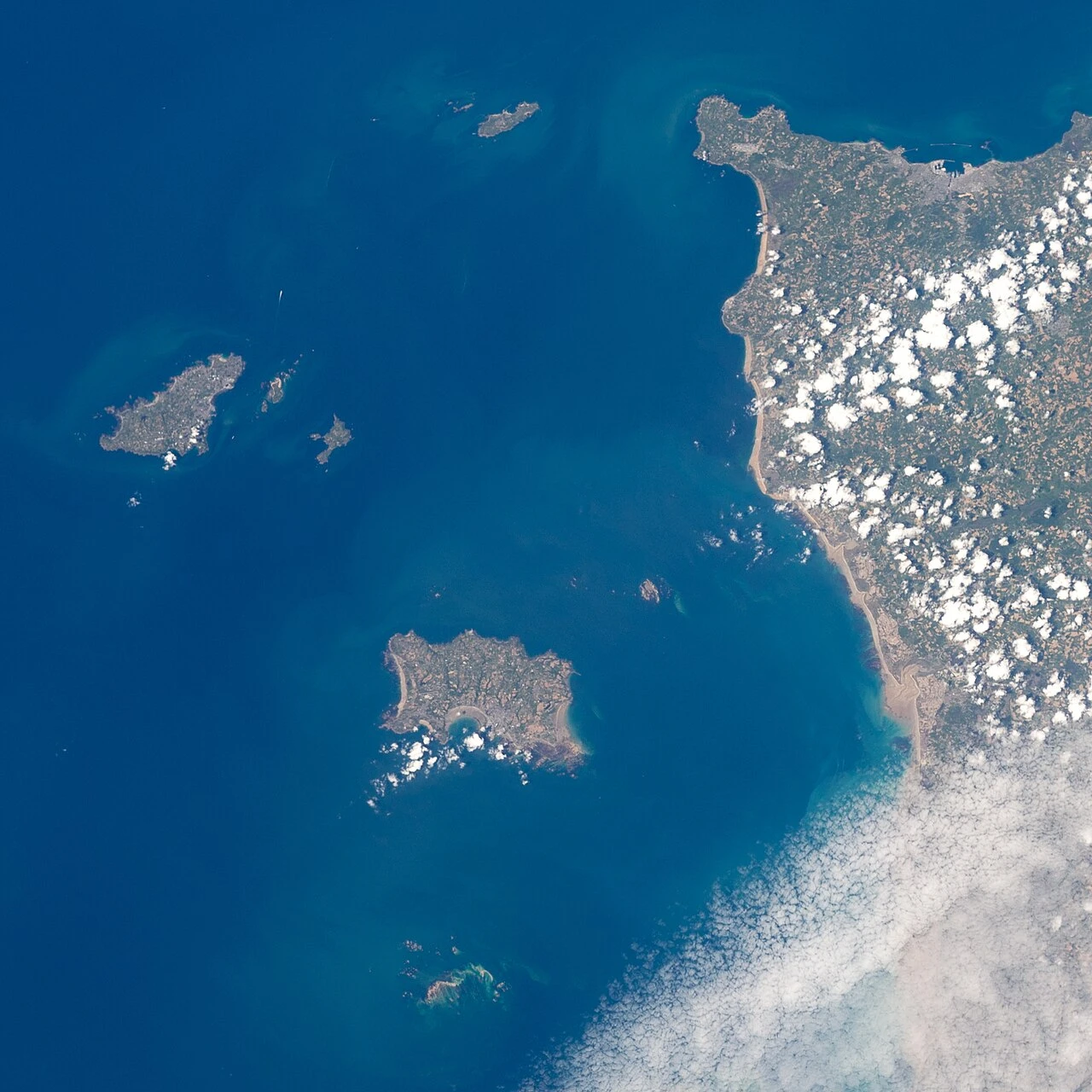
The Channel Islands — open city?
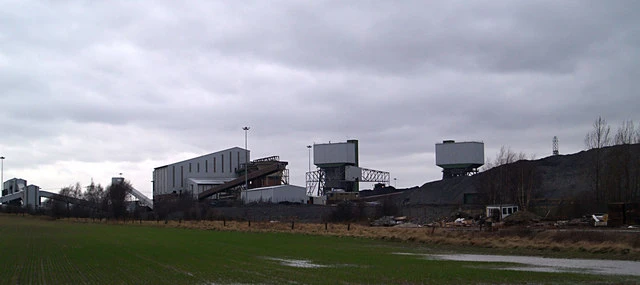
British Coal for the Winter of 1939
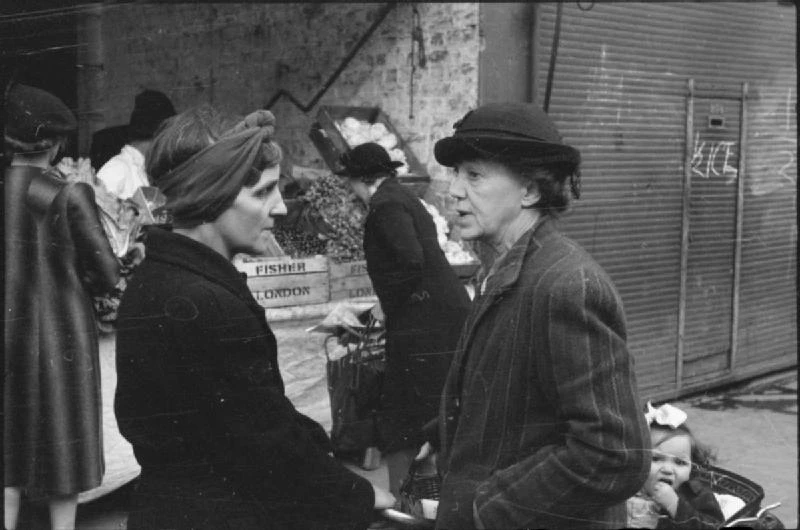
The Minister, the Fleet and the Empty Plates
Cambridge, 1939: The Evacuated LSE Student and Conscription
The Evacuation of the Children
Gas Masks
The Conscientious Objector
Operation Pied Piper — Womersley and the evacuation
British rationing — Morrison and the principle
Coventry — the night of November 14
The Channel Islands — open city?
British Coal for the Winter of 1939