
Sosnkowski — KSK, 27 November
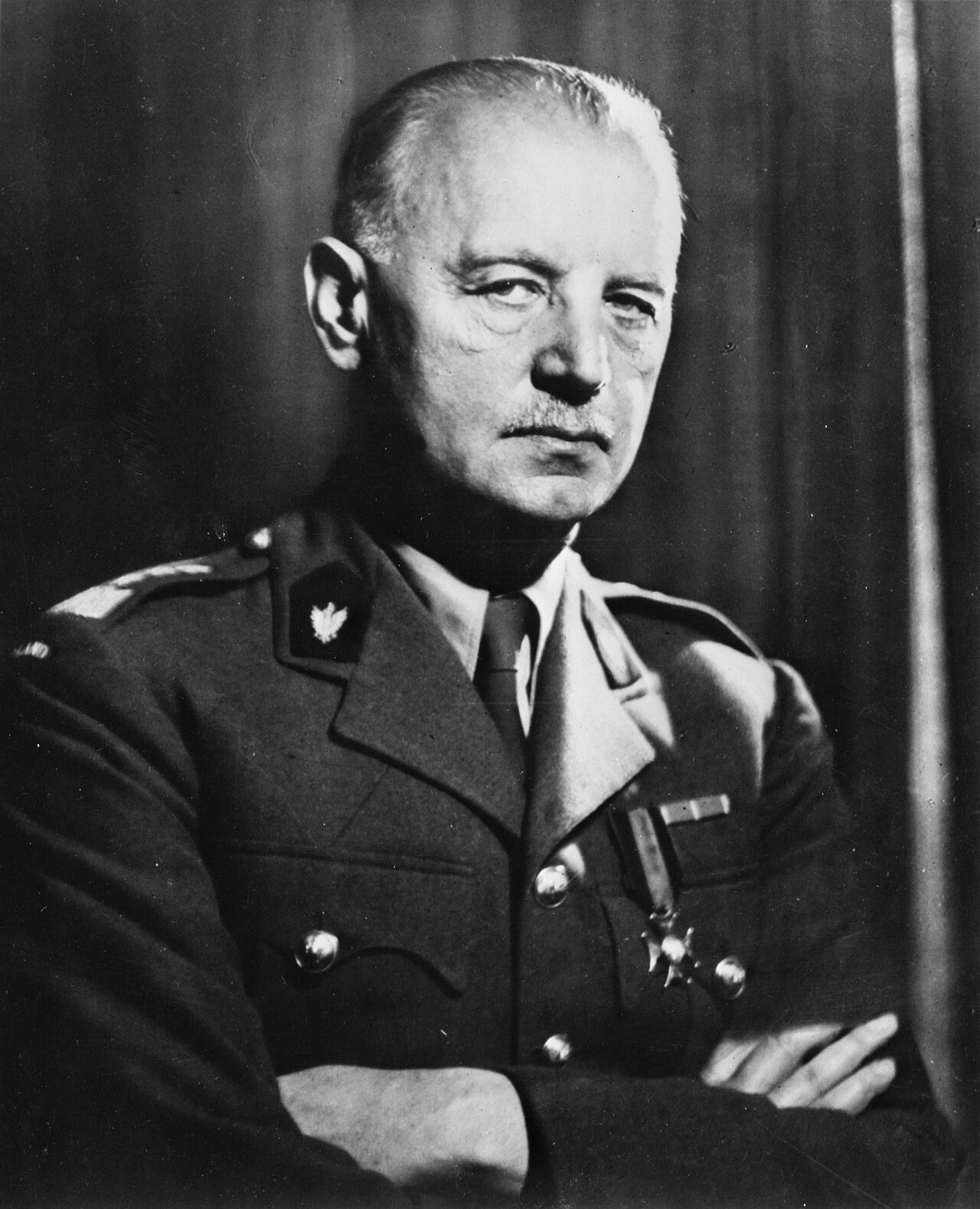
, 54, is one of the principal Polish generals — a veteran of Pilsudski's Polish Legions, Minister of War (1920-1923 and 1927-1928), commander of in September 1939. He escapes from Poland via Hungary after the defeat and reaches Paris on 1 October 1939. Very influential in the Sanation wing of the Polish emigration (as opposed to Sikorski, considered close to the National Democratic and Christian Democratic wing).
On 8 October 1939, Raczkiewicz and Sikorski appoint him Minister of War of the Polish government-in-exile (but without effective command of the forces). In reality, Sosnkowski receives a critical political mission: to organize the clandestine direction of the resistance forces in occupied Poland, under the authority of the government-in-exile. This mission brings him into conflict with Sikorski on two points: political doctrine (Sosnkowski wants to maintain the legitimacy of the Sanacja; Sikorski wants democratization); military doctrine (Sosnkowski favours a national uprising at the opportune moment, on the 1918 model; Sikorski prefers a prolonged resistance integrated with the Allies).
On 27 November 1939, Sikorski signs the statutes of the Committee of Ministers for the Affairs of the Country (KSK) — the body coordinating the underground state with the government-in-exile. Sosnkowski takes its head (Komendant Glowny of the ZWZ — Union of Armed Struggle, the clandestine organization succeeding the SZP).
How is the underground command to be articulated with the political mission of the government-in-exile?
Sosnkowski and Sikorski agree on B. The Komendant Glowny ZWZ (Sosnkowski) receives hierarchical authority over all the commanders of Polish sub-regions. The Polish Underground State has three branches: (1) Government Delegation in Poland (Delegatura Rządu na Kraj), the civil branch embodied from 1940 by and then by Jankowski; (2) Council of National Unity (Rada Jedności Narodowej), the parliamentary branch representing the political parties; (3) Home Army ( from February 1942), the military branch commanded by Rowecki then by Bor-Komorowski. This tri-articulated organization is unique in occupied Europe. Sosnkowski is nominal underground commander from 1939 to 1943, then becomes commander-in-chief of the Polish Armed Forces after the death of Sikorski (July 1943). Critical position during the Warsaw Uprising (August-October 1944): Sosnkowski opposes the launching of the uprising, considering the diplomatic situation too uncertain. Dismissed by Mikołajczyk in late September 1944 under British pressure. He refuses to return to communist Poland. He emigrates to Canada (Pickering, Ontario), where he lives until his death in 1969. His political caution over Warsaw 1944 leaves him an ambiguous legacy.
Learn more about this event
Related polls
10
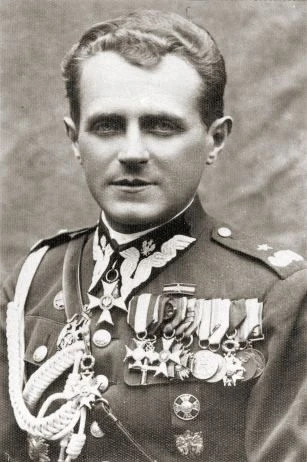
Karaszewicz-Tokarzewski — Founding the SZP
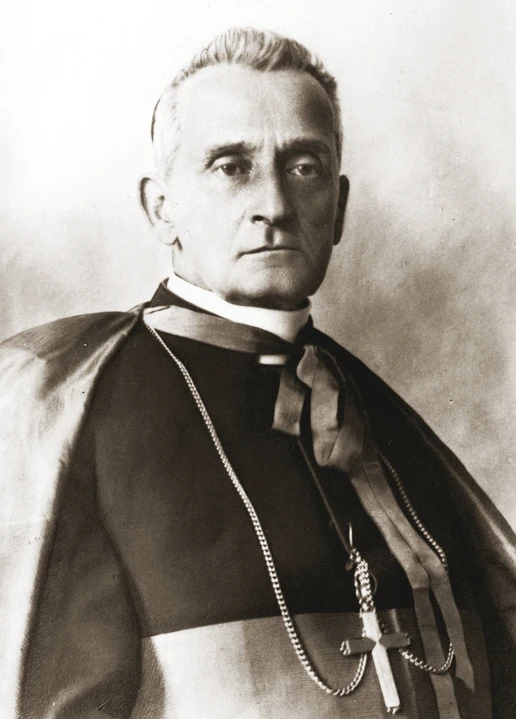
Cardinal Sapieha — Krakow under Occupation
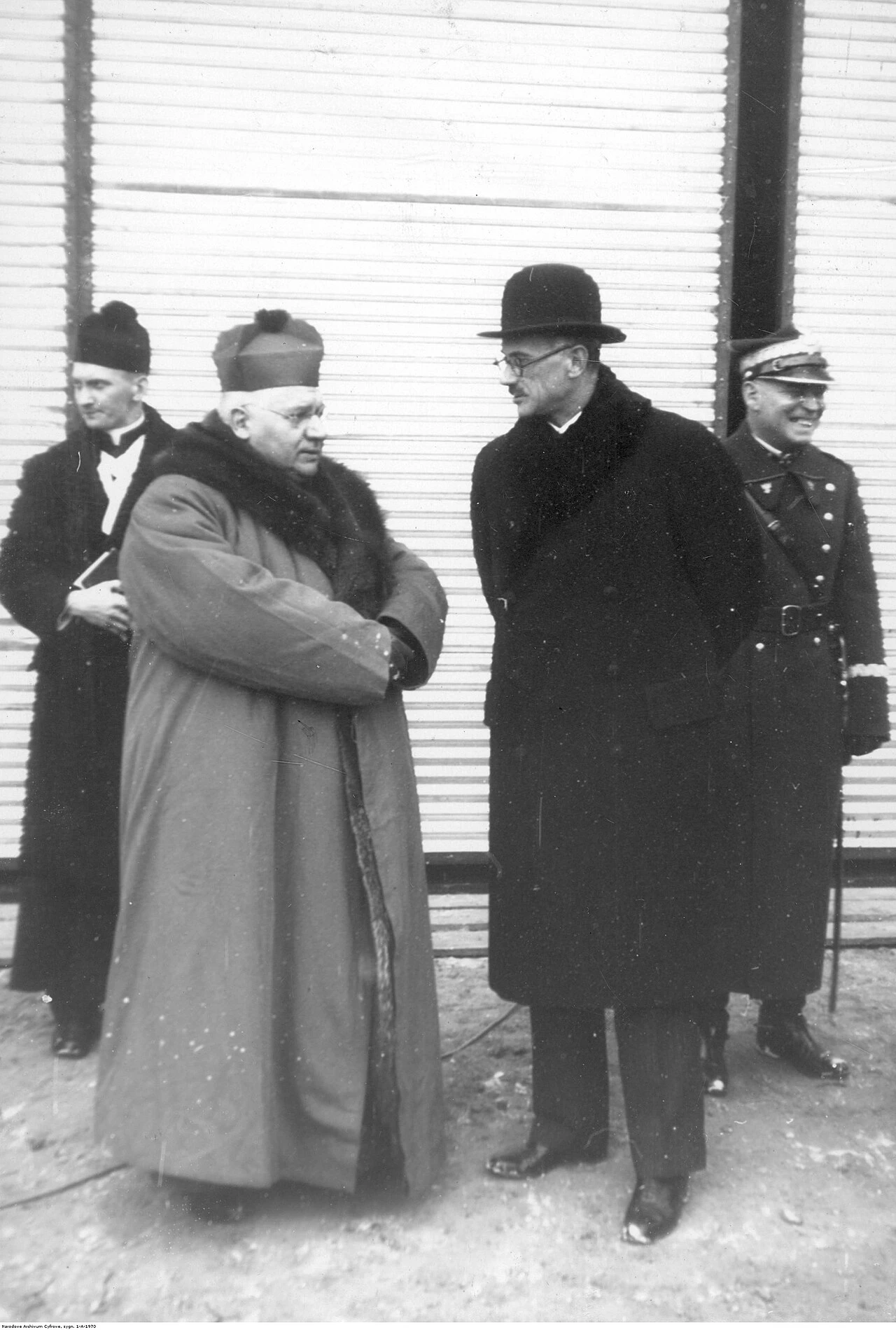
Bishop Adamski in annexed Katowice
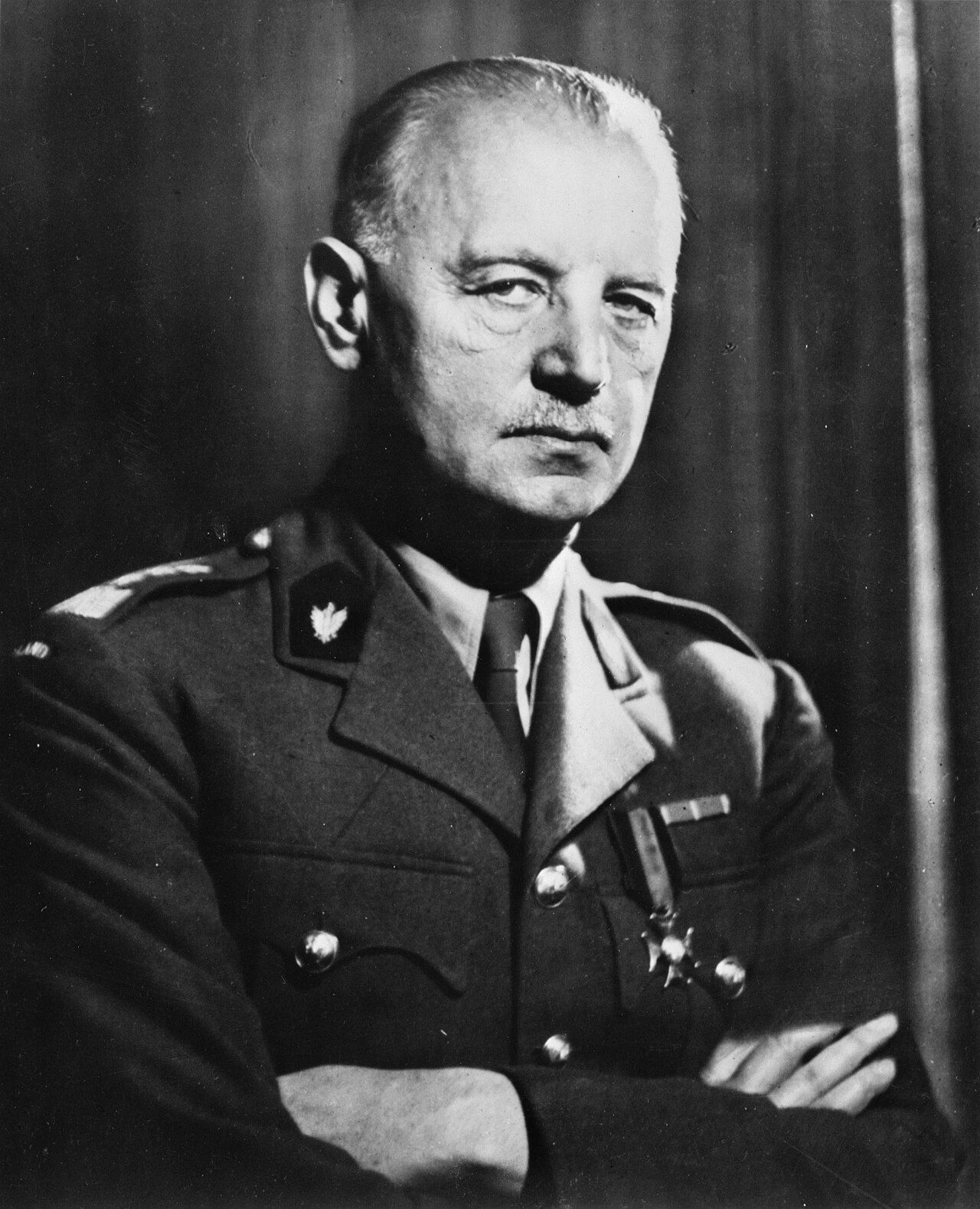
Sikorski — Paris, autumn 1939

Daladier — Thorez's Defection
De Gaulle at the BBC microphone — 18 June, 18:00
Maurras and the phoney war
Sikorski leaves Bordeaux — 18 June
Borakowski and the merchant fleet
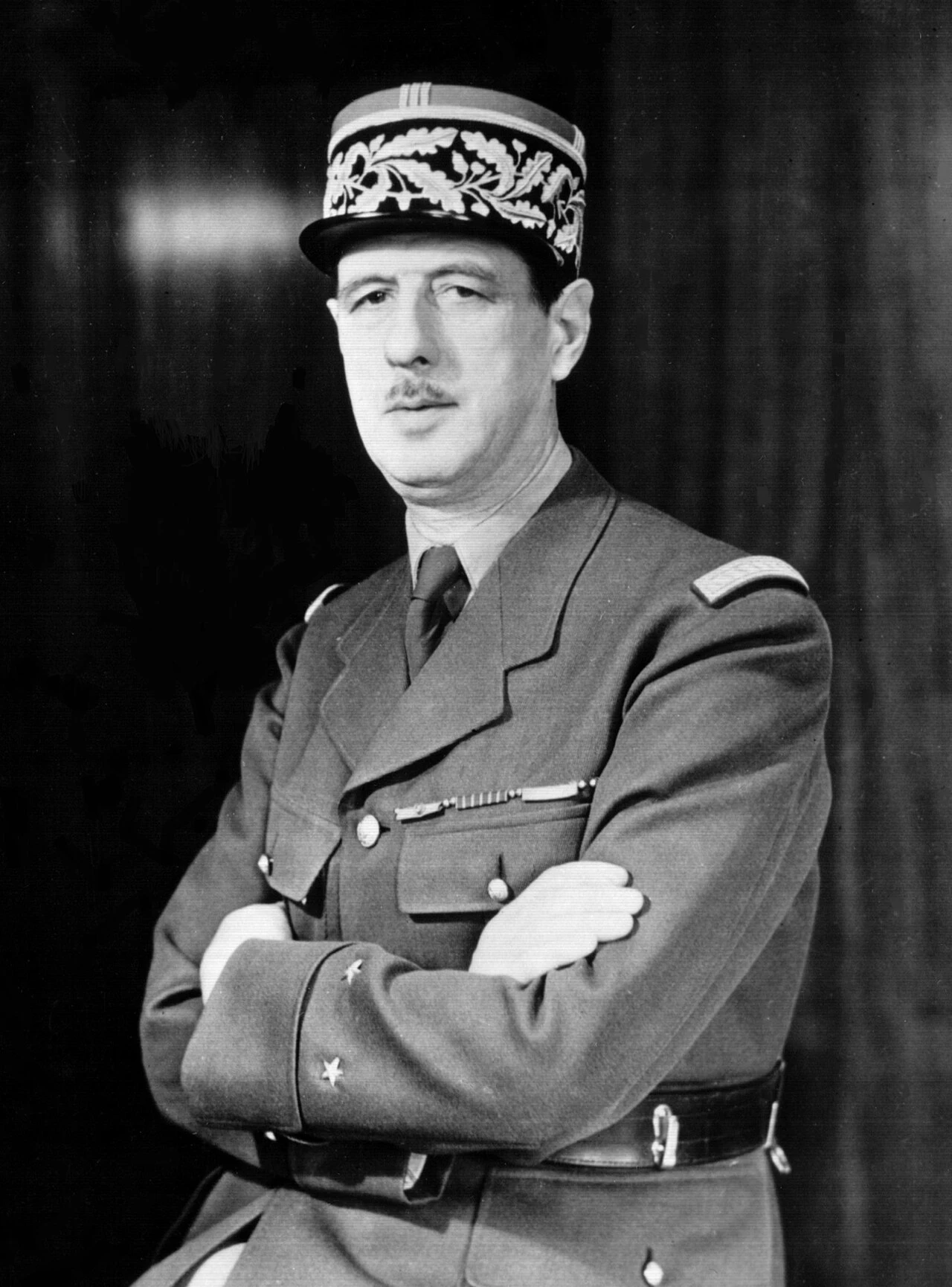
De Gaulle joins the government — 5 June
Karaszewicz-Tokarzewski — Founding the SZP
Cardinal Sapieha — Krakow under Occupation
Bishop Adamski in annexed Katowice
Sikorski — Paris, autumn 1939
Daladier — Thorez's Defection
De Gaulle at the BBC microphone — 18 June, 18:00
Maurras and the phoney war
Sikorski leaves Bordeaux — 18 June
Borakowski and the merchant fleet