
Romain Gary at Salon — 17 June
, 25 — the future writer — is Jewish, born in Vilnius, naturalized French in 1935. In pilot training since 1938, he is in June 1940 at the Salon-de-Provence base, in the midst of the air force's collapse.
On 17 June, Pétain asks for an armistice. The base disintegrates. Kacew knows that demobilization is imminent and that a dark future awaits a Jewish airman: Vichy's coming Statute on Jews (3 October 1940) will shortly strip him of his rights. Several of his comrades have already tried to reach North Africa or England, most without success.
Three paths open before him: join his mother in Nice and wait; try to rally the forces gathering around London by way of Casablanca; or cross the Pyrenees to Gibraltar. Born in Vilnius, raised in poverty by his mother Mina, he has built in France his whole identity and vocation. Each path open to him carries a high risk of failure or arrest, in a country where authority is shifting.
What should Romain Kacew do the day after the armistice request?
Kacew chooses B. He embarks at Casablanca in mid-July 1940 and reaches England at the end of July, where he joins the Free French Air Forces. Assigned to the bomber group "Lorraine," he will fight in Africa, the Middle East, and over Europe, and will receive the Croix de la Libération. Under the name , he will become one of the great French writers of the twentieth century — the only laureate to have received the Prix Goncourt twice (1956, then 1975 under the pseudonym ). His war years feed Éducation européenne (1945) and La Promesse de l'aube (1960). His rallying in June-July 1940 typifies the path of the first Free French, often young, isolated, and uncertain.
Learn more about this event
Related polls
10
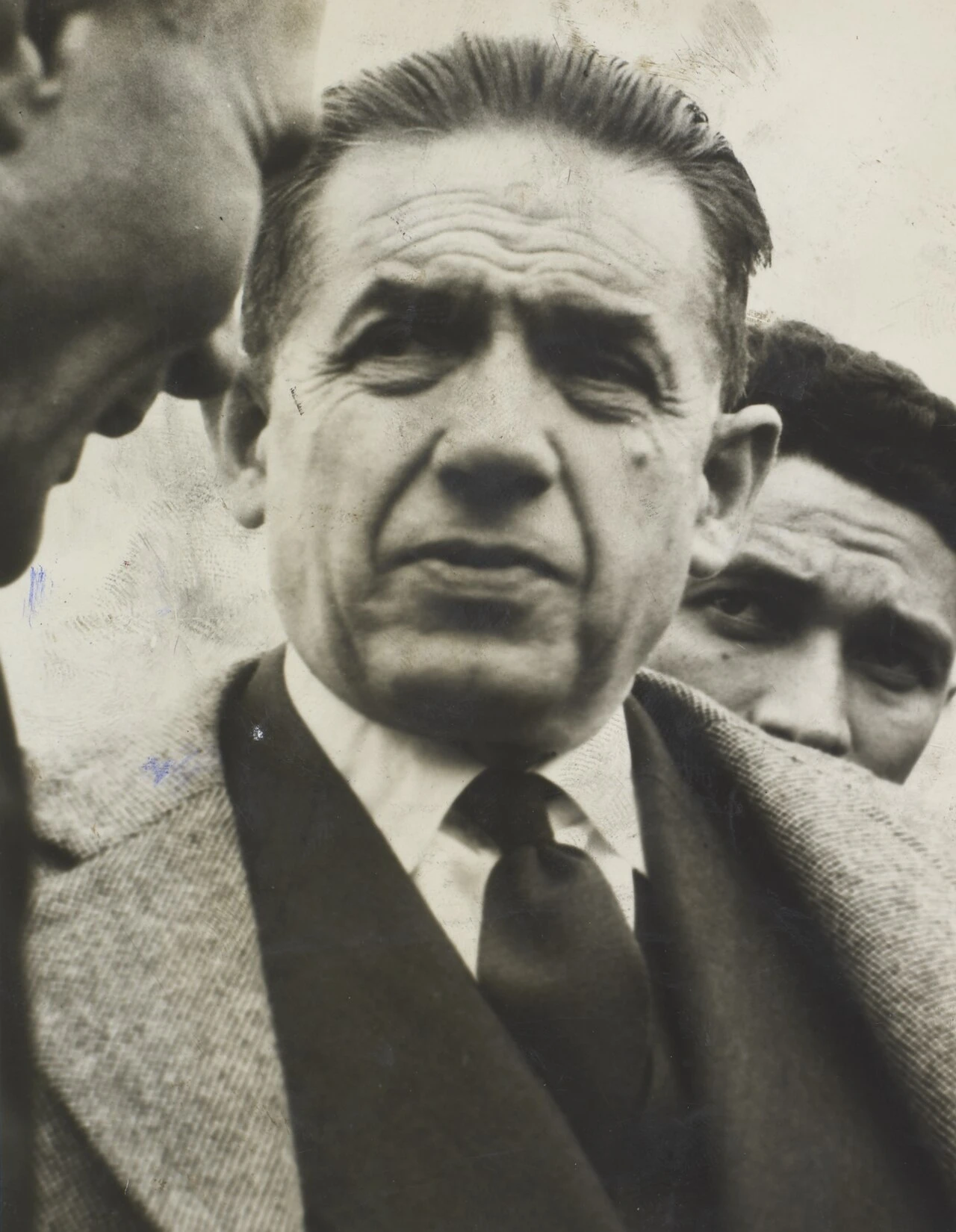
Edmond Michelet — Brive leaflet, 18 June
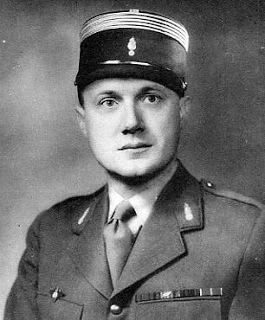
Gilbert Renault — the road to London
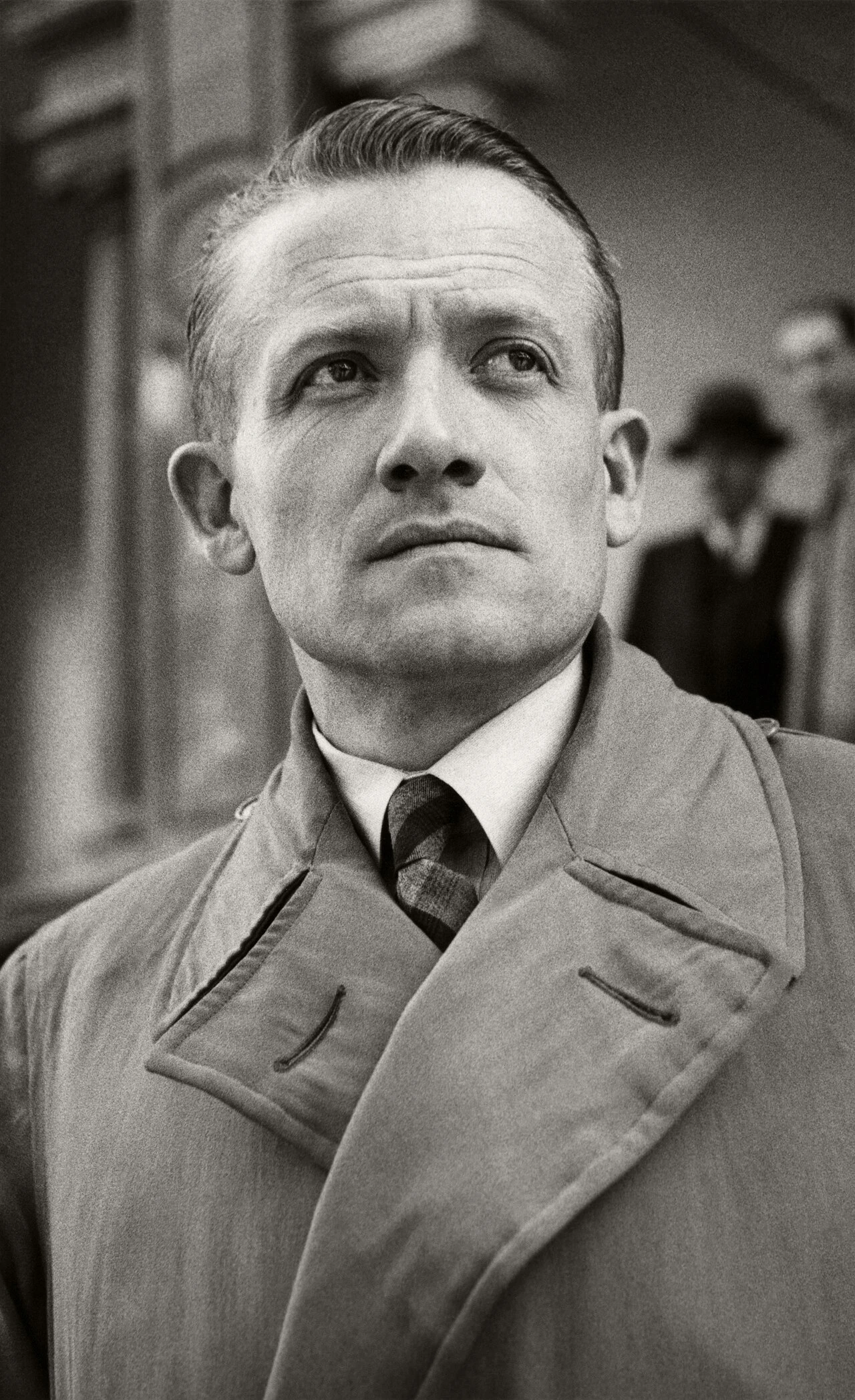
Henri Frenay at Marseille — August 1940
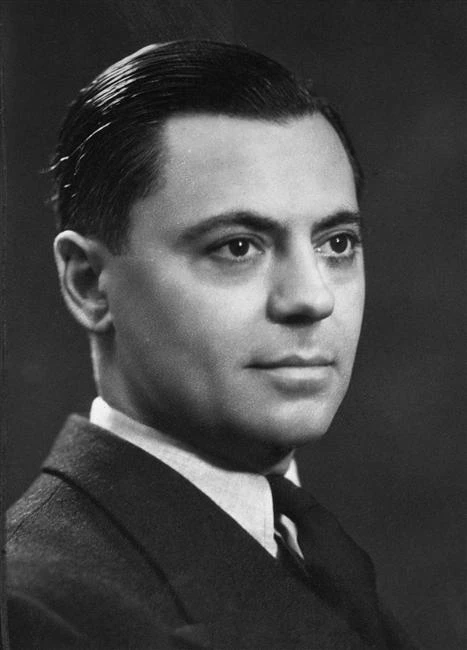
Jean Moulin — Chartres, 17 June
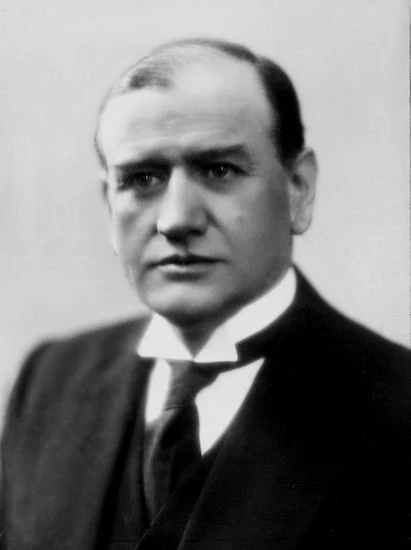
The Massilia — Bordeaux 21 June
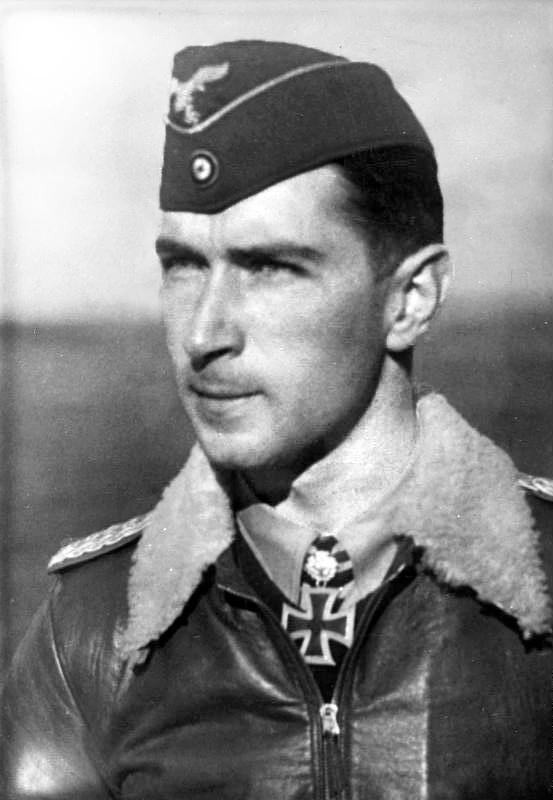
Mölders above the columns — 18 May
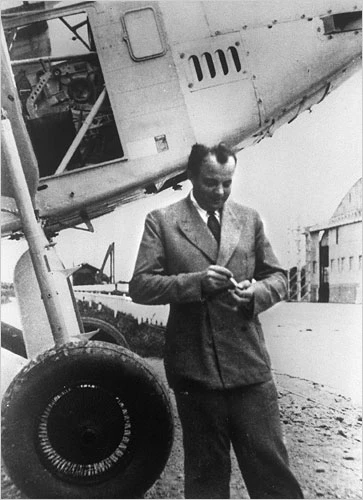
Saint-Exupéry — flight of Groupe 2/33
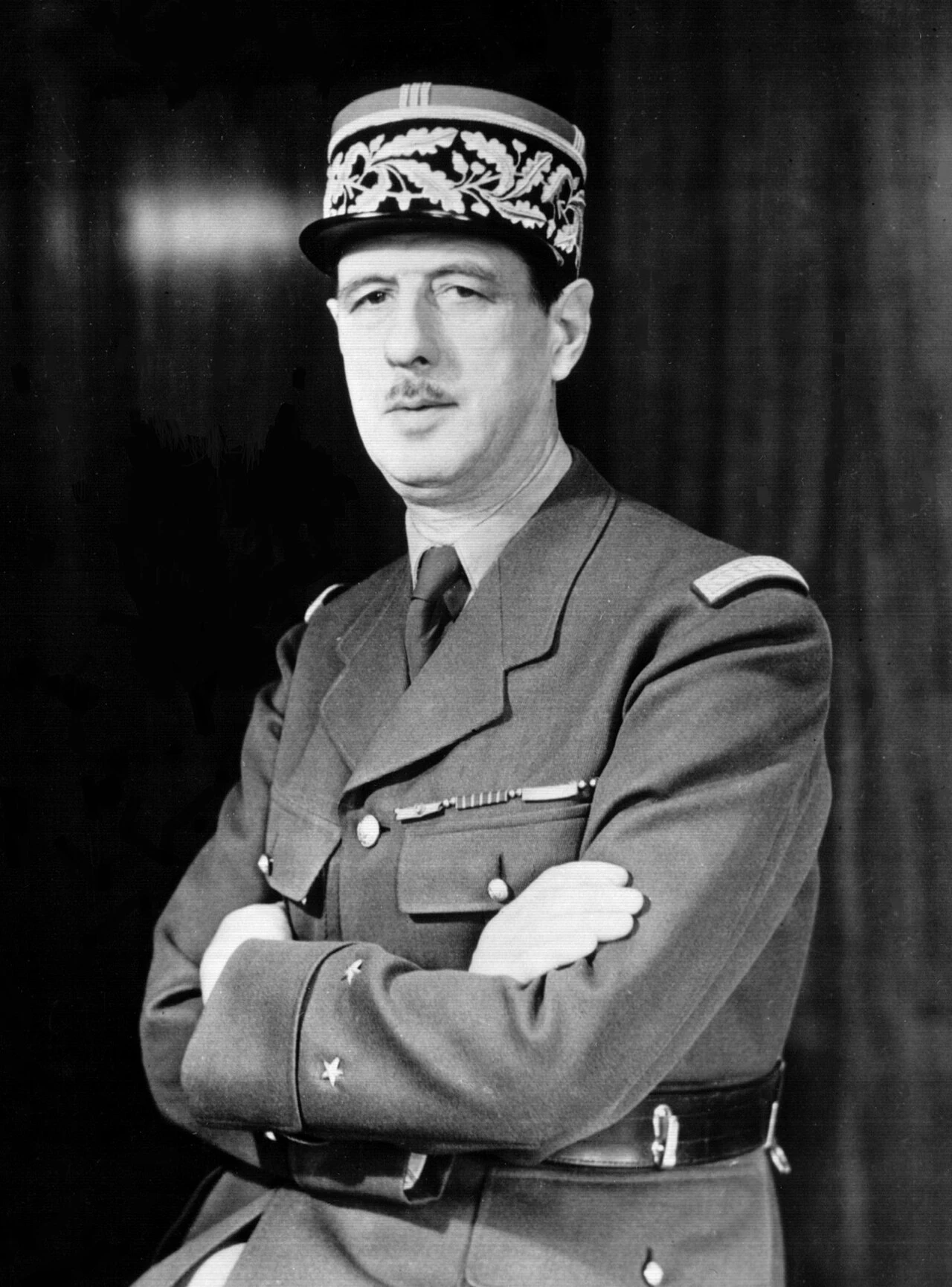
De Gaulle at the BBC microphone — 18 June, 18:00
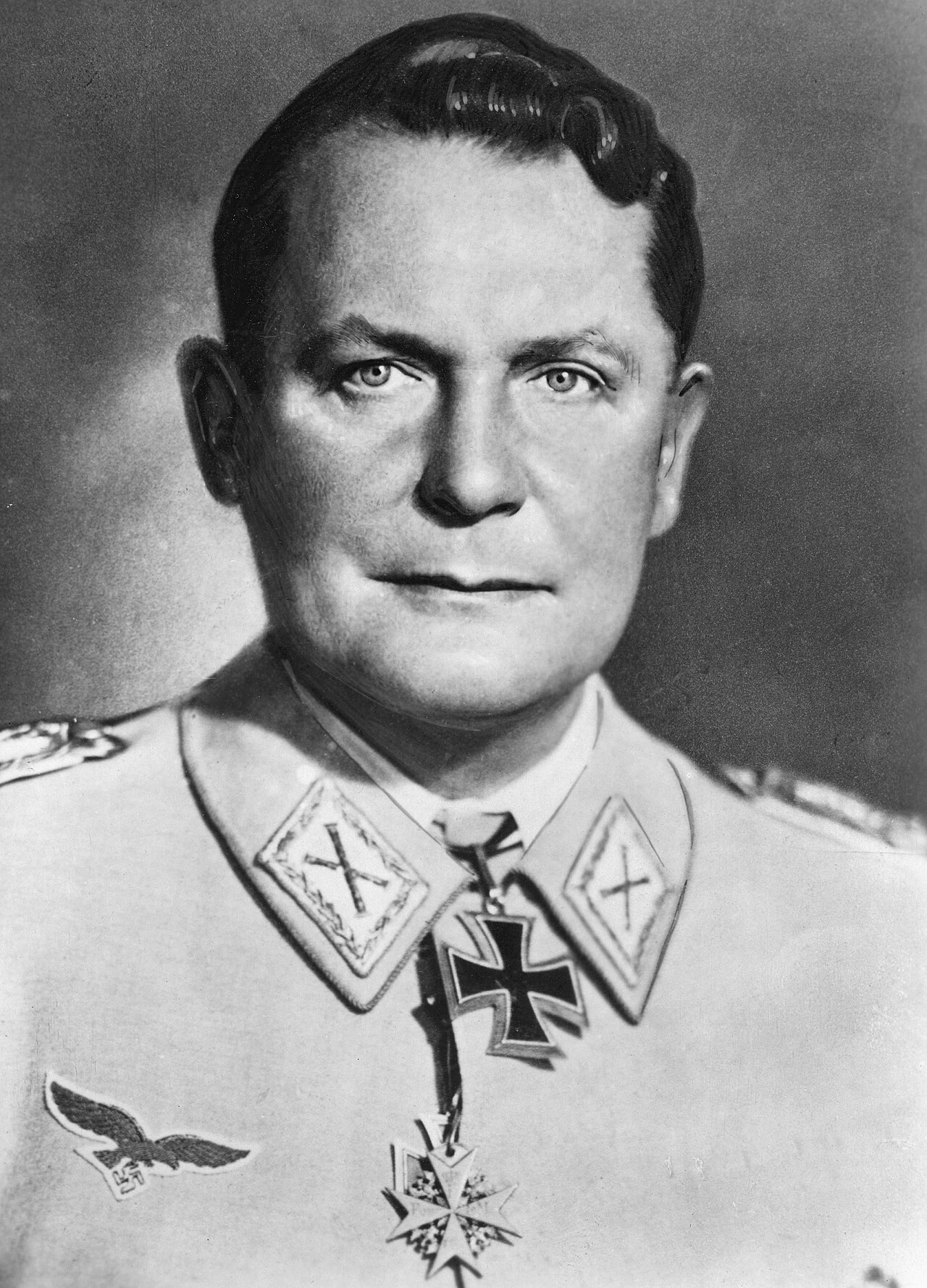
Goering at Carinhall — the promise to Hitler
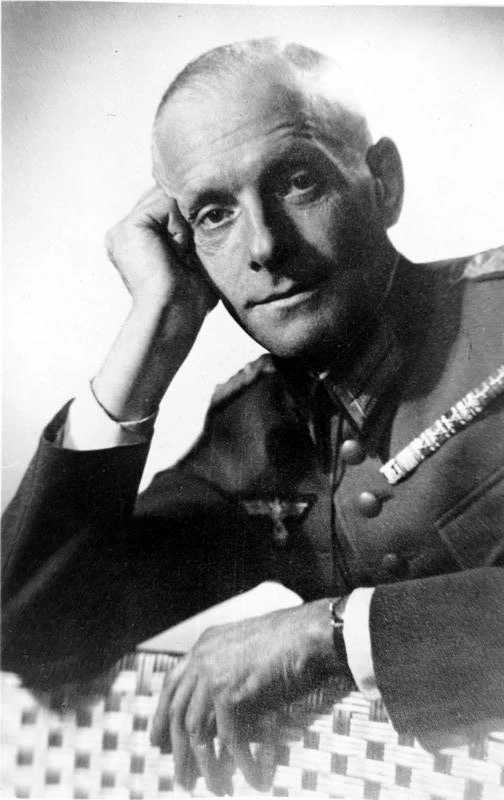
Oster picks up the telephone
Edmond Michelet — Brive leaflet, 18 June
Gilbert Renault — the road to London
Henri Frenay at Marseille — August 1940
Jean Moulin — Chartres, 17 June
The Massilia — Bordeaux 21 June
Mölders above the columns — 18 May
Saint-Exupéry — flight of Groupe 2/33
De Gaulle at the BBC microphone — 18 June, 18:00
Goering at Carinhall — the promise to Hitler