
Czerniaków — the Warsaw ghetto sealed
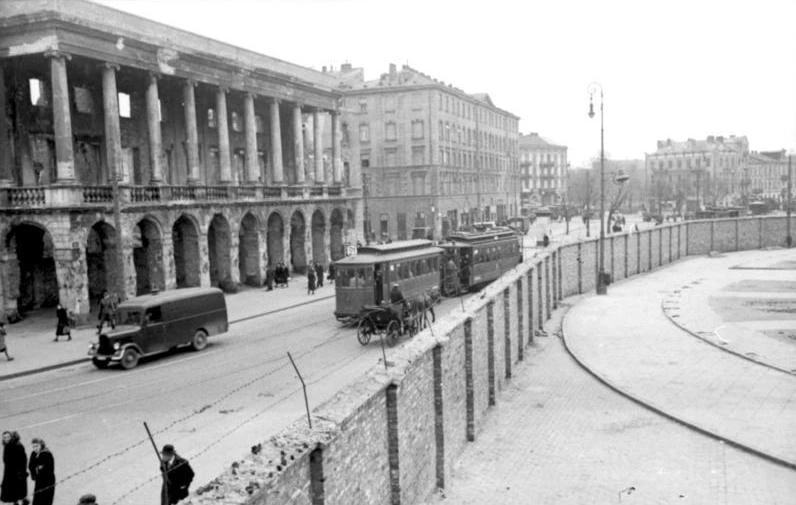
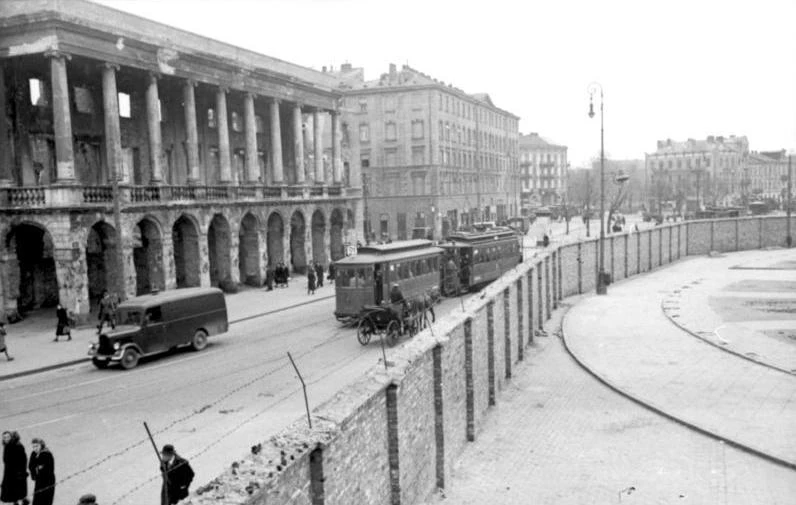
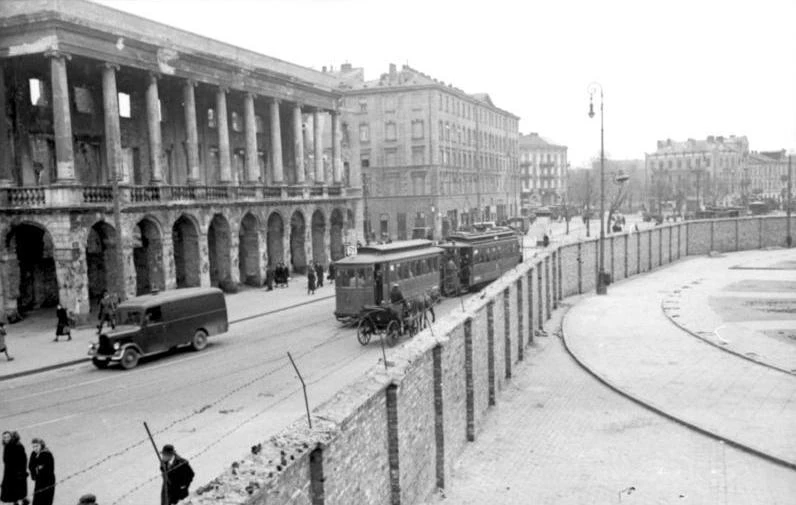
Since the occupation of Poland, the German authorities have been concentrating Warsaw's Jews in a designated quarter. In October 1940, Governor orders the creation of a ghetto; Jews from the surrounding area are crammed into it, and the zone is progressively isolated by walls. On November 16, 1940, the ghetto is closed: nearly 400,000 people find themselves locked inside it on a few square kilometers.
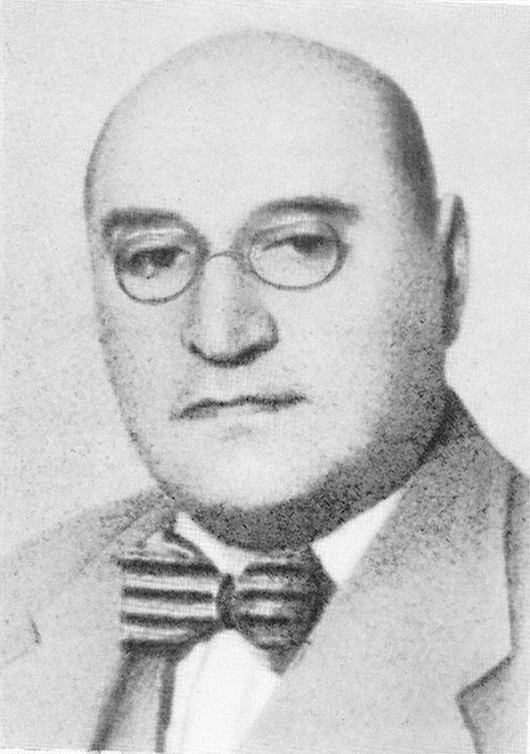
The Germans administer the ghetto through a Jewish Council (Judenrat), chaired since the autumn of 1939 by , engineer and former senator who stayed in Warsaw when other leaders had fled. The Judenrat is caught in a vise: carry out German orders (censuses, requisitions, forced labor) or evade them at the risk of immediate collective reprisals. Each directive passed on engages the Council's responsibility before the population it is supposed to represent. What remains is to define the line it will adopt toward the occupier.
As the walls close in, he must decide on his course: cooperate with the occupier to try to organize survival (food supply, hospitals, clandestine schools), resign as a sign of refusal, or openly resist.
What line should Czerniaków hold at the head of the Judenrat as the ghetto is sealed?
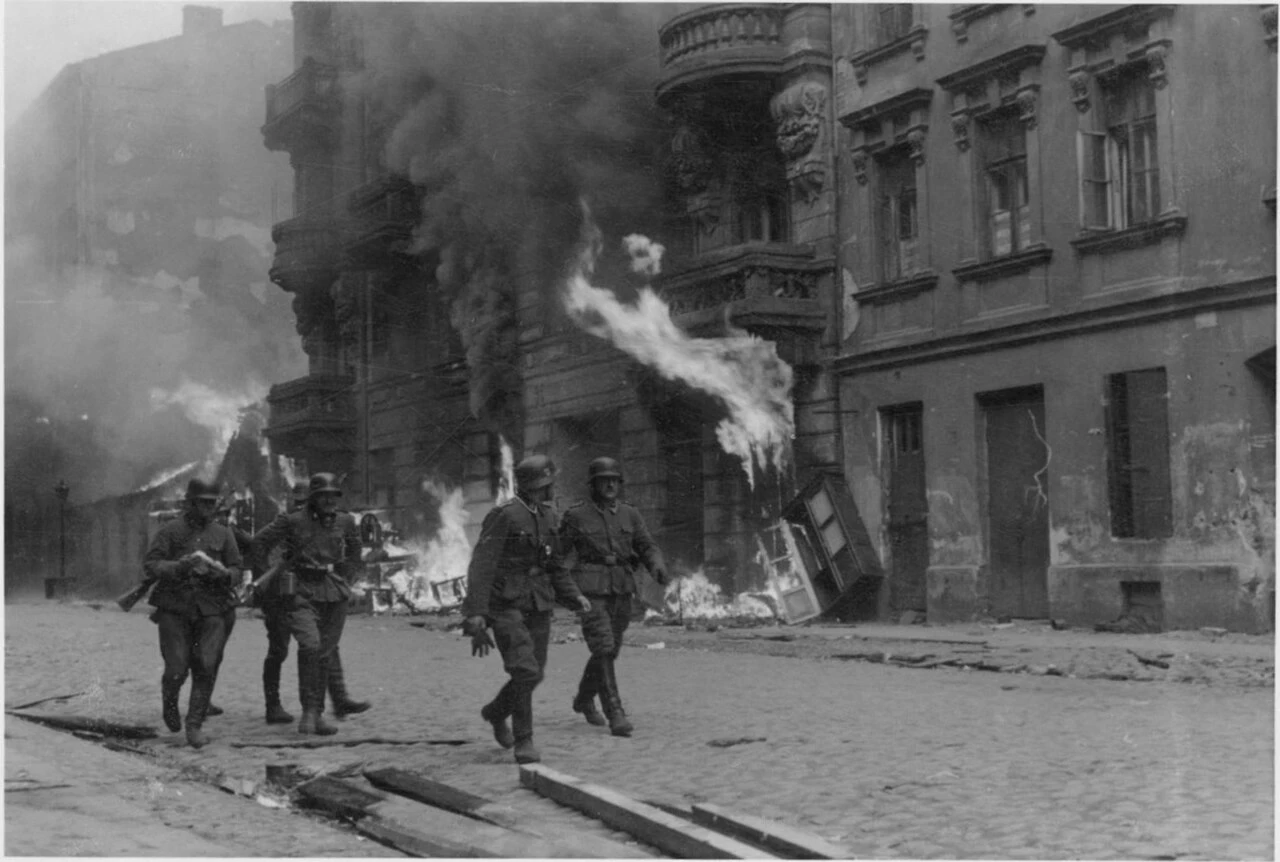
Czerniaków chooses A: with no means of opposing the closure, he remains at his post and tries, within tiny margins, to soften the catastrophe for the population — soup kitchens, clinics, workshops, clandestine schools — while being compelled to carry out German orders. His Diary, recovered after the war, soberly documents the mechanism of persecution. In July 1942, when the Germans order him to provide the lists for deportation to Treblinka and he understands they are asking him to deliver the children, he commits suicide rather than take part. The question of the Jewish Councils, placed by the Nazis in an impossible situation, remains one of the most painful debates in the historiography of the Shoah. The Warsaw ghetto itself will be the setting of the 1943 uprising.
Learn more about this event
Related polls
10
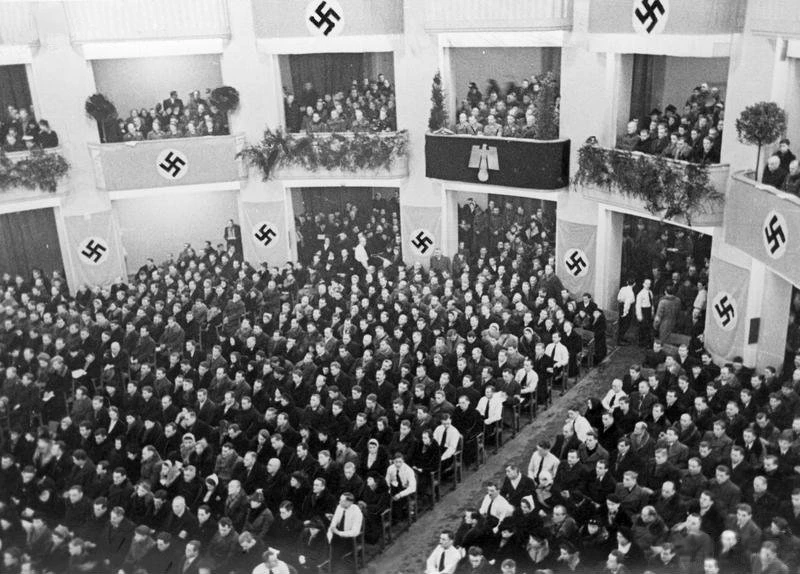
The Deutsche Volksliste — sign, or stay Polish
The Warsaw Ghetto — the temptation of informing
Czerniaków — the offer of the Judenrat
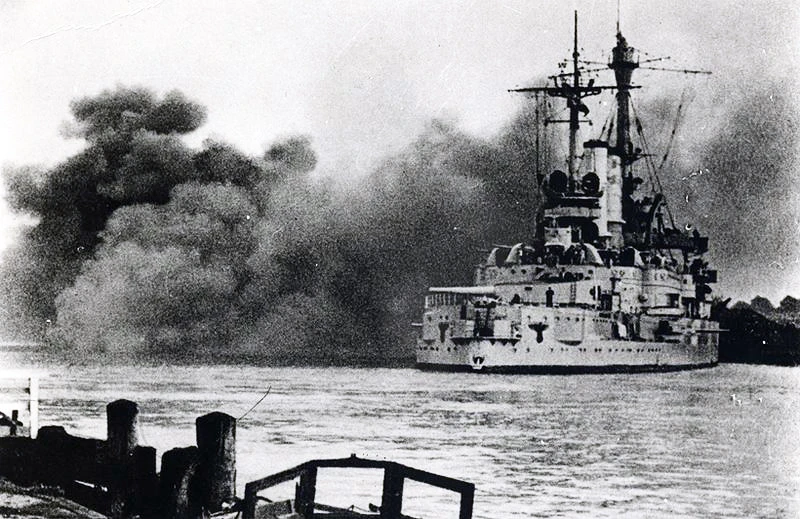
Danzig, September 1939 — the policeman of the Free City
Studying in the Warsaw Ghetto
Clandestine teaching in the Warsaw Ghetto
The Jewish Schoolteacher of Kazimierz
Wieluń at 04:40 — the first air strike
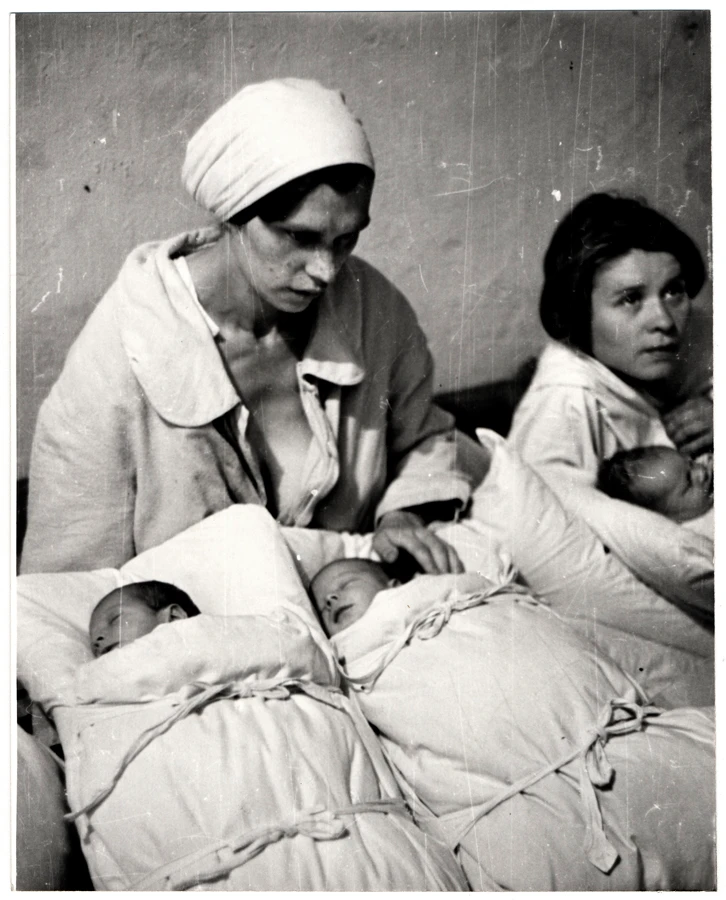
Warsaw Under Siege — Operating Without Morphine
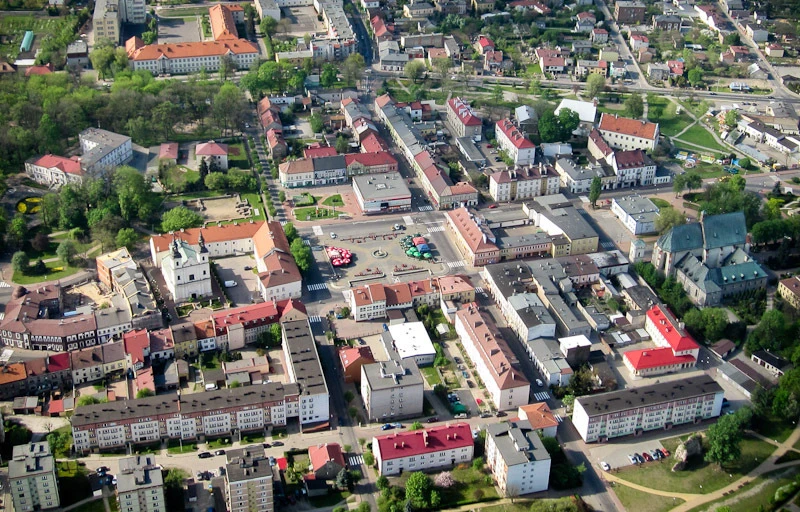
Wieluń, 4:40 a.m. — the first bomb of the war
The Deutsche Volksliste — sign, or stay Polish
The Warsaw Ghetto — the temptation of informing
Czerniaków — the offer of the Judenrat
Danzig, September 1939 — the policeman of the Free City
Studying in the Warsaw Ghetto
Clandestine teaching in the Warsaw Ghetto
The Jewish Schoolteacher of Kazimierz
Wieluń at 04:40 — the first air strike
Warsaw Under Siege — Operating Without Morphine