
Billancourt under threat: the old boss and his machines
June 1940. The Wehrmacht is racing toward Paris, and the great factories of the Paris region are directly under threat. At Billancourt, the machine tools, the presses, and the accumulated know-how constitute an industrial treasure that the occupier will want to exploit. , aged and weakened, has barely a few days to decide.
Several paths lie open. Evacuate the most critical equipment to the south to put the industrial tool beyond the enemy's reach. Stay put and seek an arrangement with the occupier in order to maintain activity and the employment of thousands of workers. Or sabotage part of the installations so that they do not fall intact.
Each option commits the future of the company, the fate of its workers, and the reputation of its boss in a France that is collapsing.
Faced with the German advance on Paris, what does Louis Renault decide for his Billancourt factory?
The Billancourt factory was not evacuated to the south: it remained in operation and passed under the control of the occupier, producing in particular trucks for the German war effort during the Occupation. , accused of economic collaboration at the Liberation, was arrested in September 1944 and died in detention on 24 October 1944; his company was nationalized in 1945 and became the Régie Renault.
Learn more about this event
Related polls
10
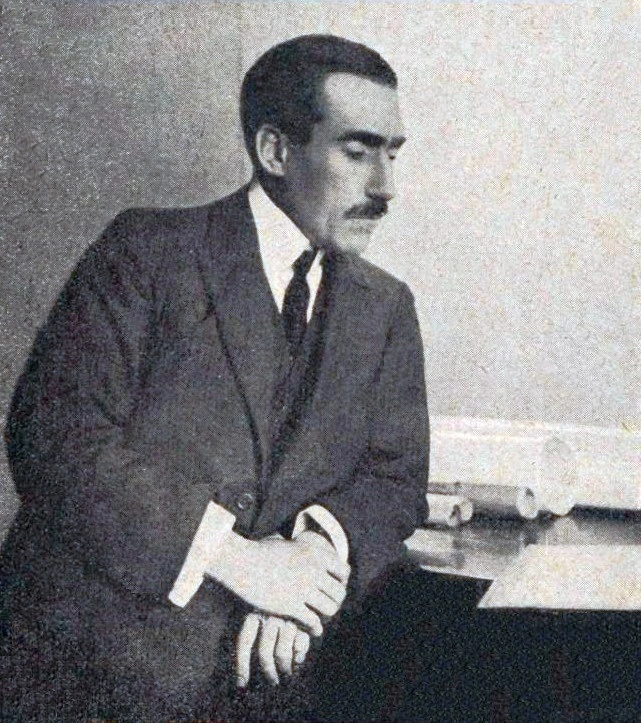
The head of Gnome et Rhône facing the vise of June 1940
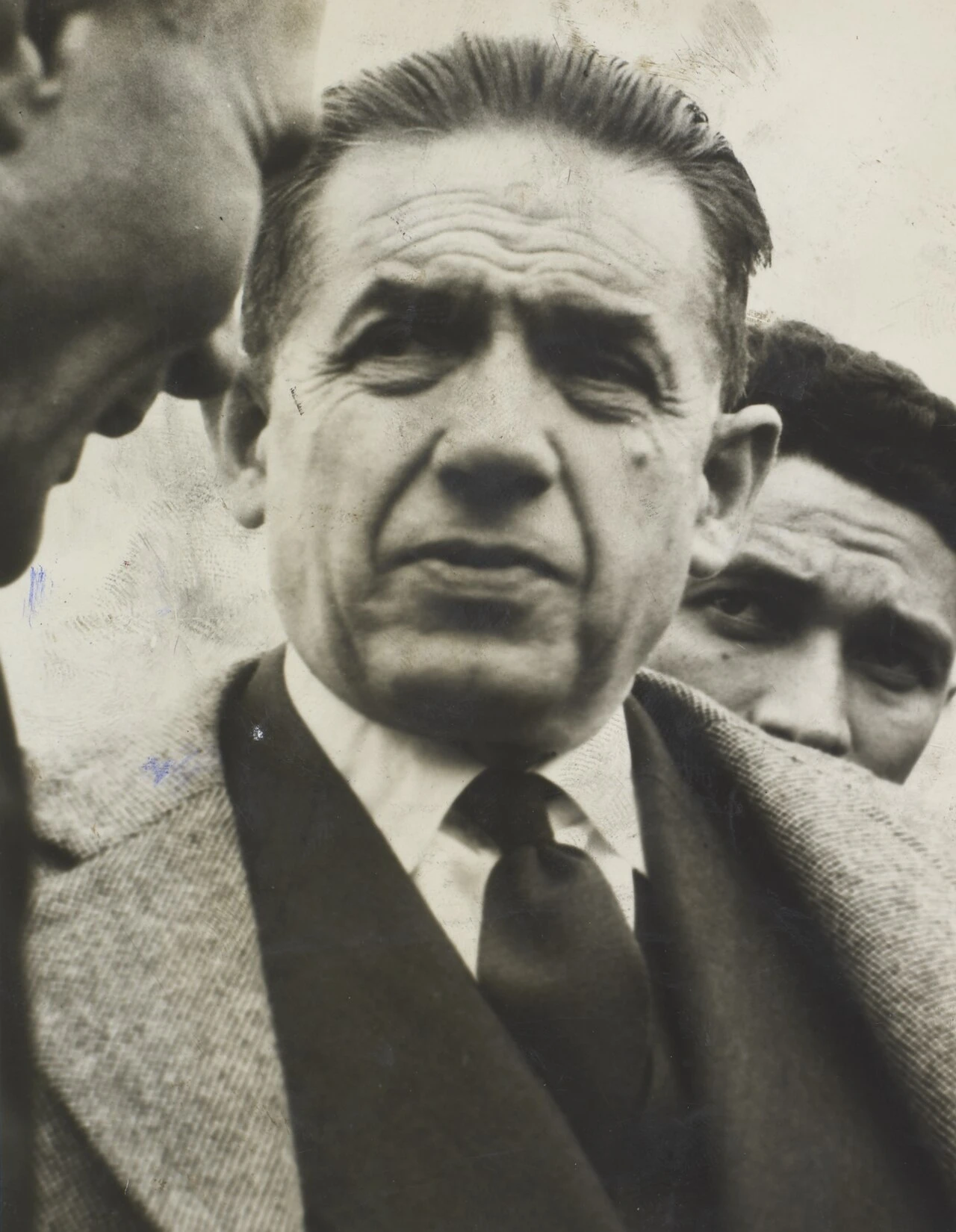
Louis Renault Returns from the United States: Billancourt Under German Control

Citroën under the Occupation: the boss faces German orders
Edmond Michelet — Brive leaflet, 18 June
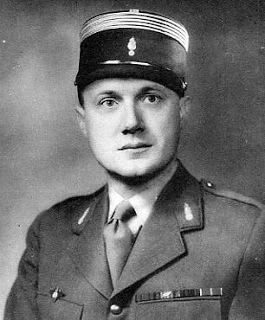
Gilbert Renault — the road to London
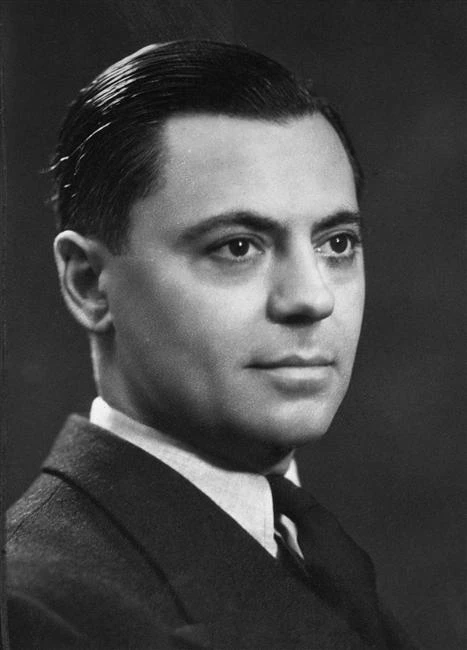
Jean Moulin — Chartres, 17 June
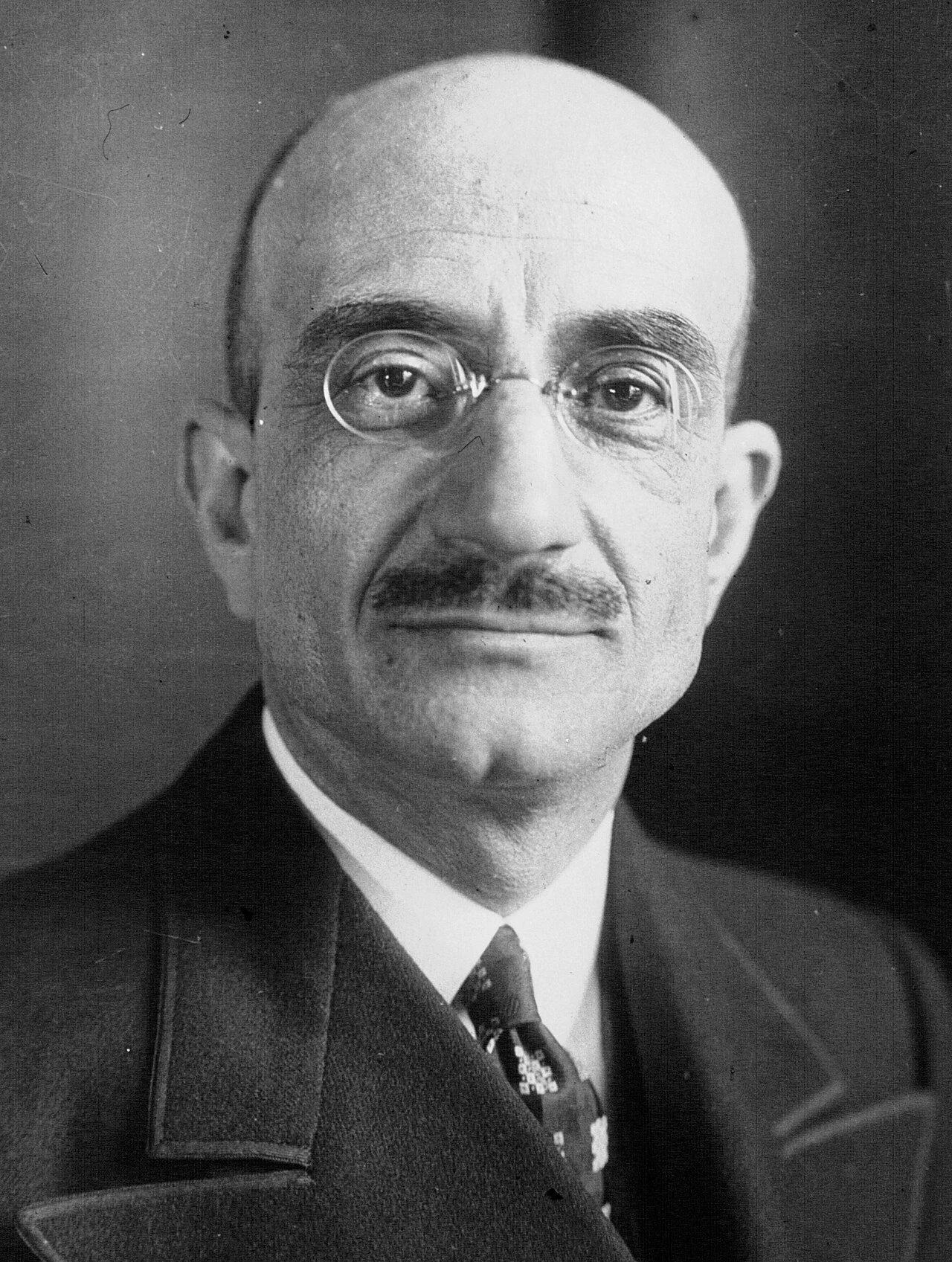
Langeron — Prefecture of Police, 14 June
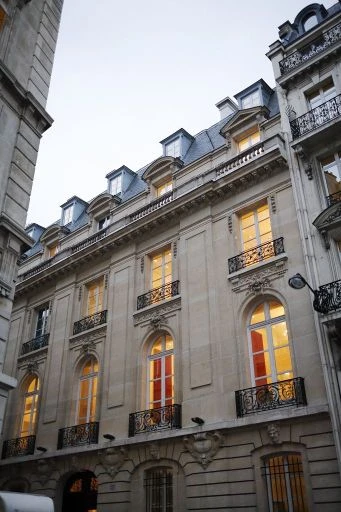
Le Creusot Faces the Wehrmacht — the Forges in the Hour of the Exodus
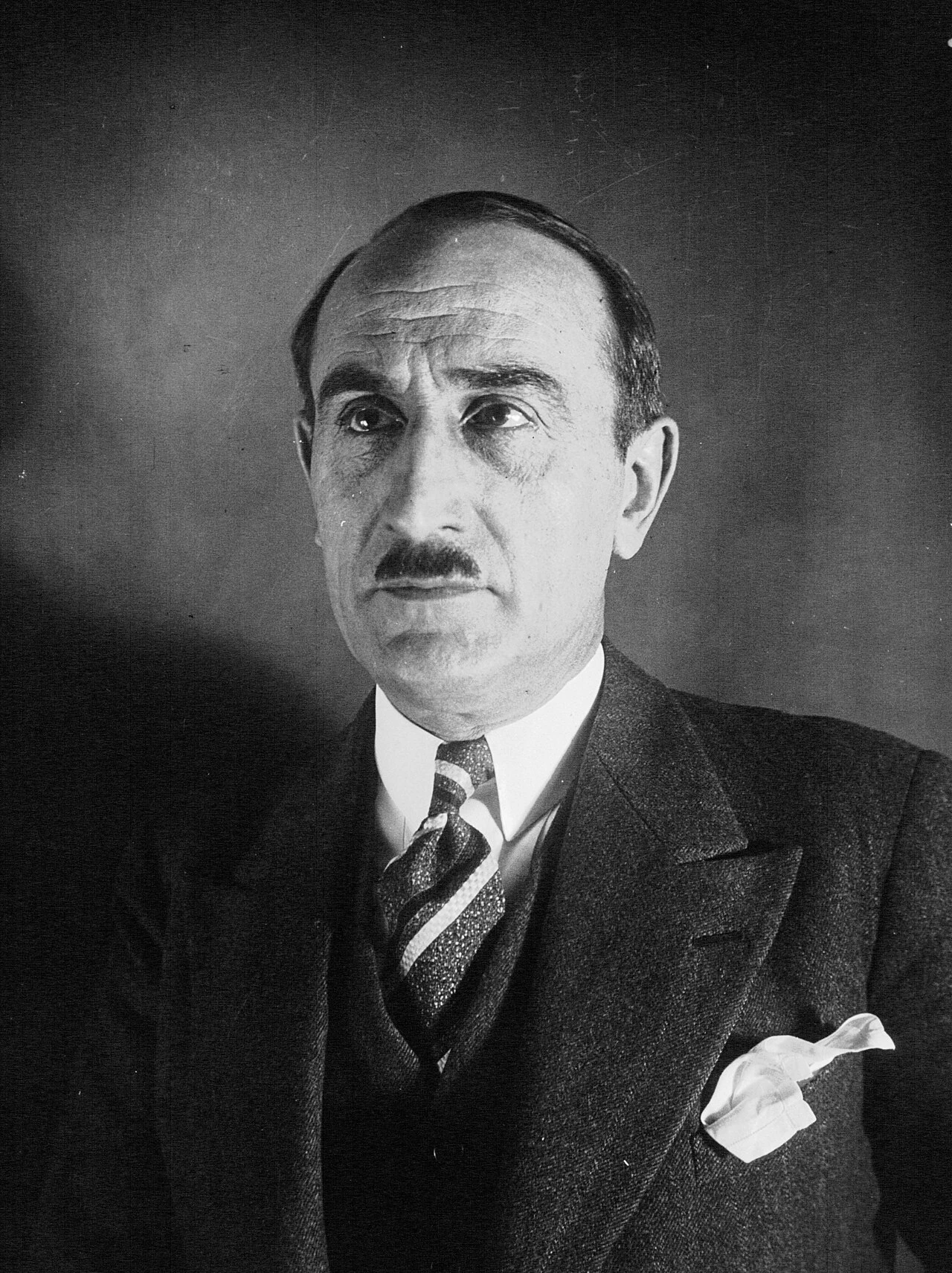
Marquet — Bordeaux overwhelmed, 12 June
The Massilia — Bordeaux 21 June
The head of Gnome et Rhône facing the vise of June 1940
Louis Renault Returns from the United States: Billancourt Under German Control
Citroën under the Occupation: the boss faces German orders
Edmond Michelet — Brive leaflet, 18 June
Gilbert Renault — the road to London
Jean Moulin — Chartres, 17 June
Langeron — Prefecture of Police, 14 June
Le Creusot Faces the Wehrmacht — the Forges in the Hour of the Exodus
Marquet — Bordeaux overwhelmed, 12 June