
Dunkirk — Tennant and the devastated port
Captain , 50, a Royal Navy officer, is appointed on 26 May 1940 Senior Naval Officer ashore at Dunkirk. With a team of eight officers and 160 sailors, he embarks aboard the destroyer Wolfhound and lands in the afternoon of 27 May to organise the evacuation on the French side.
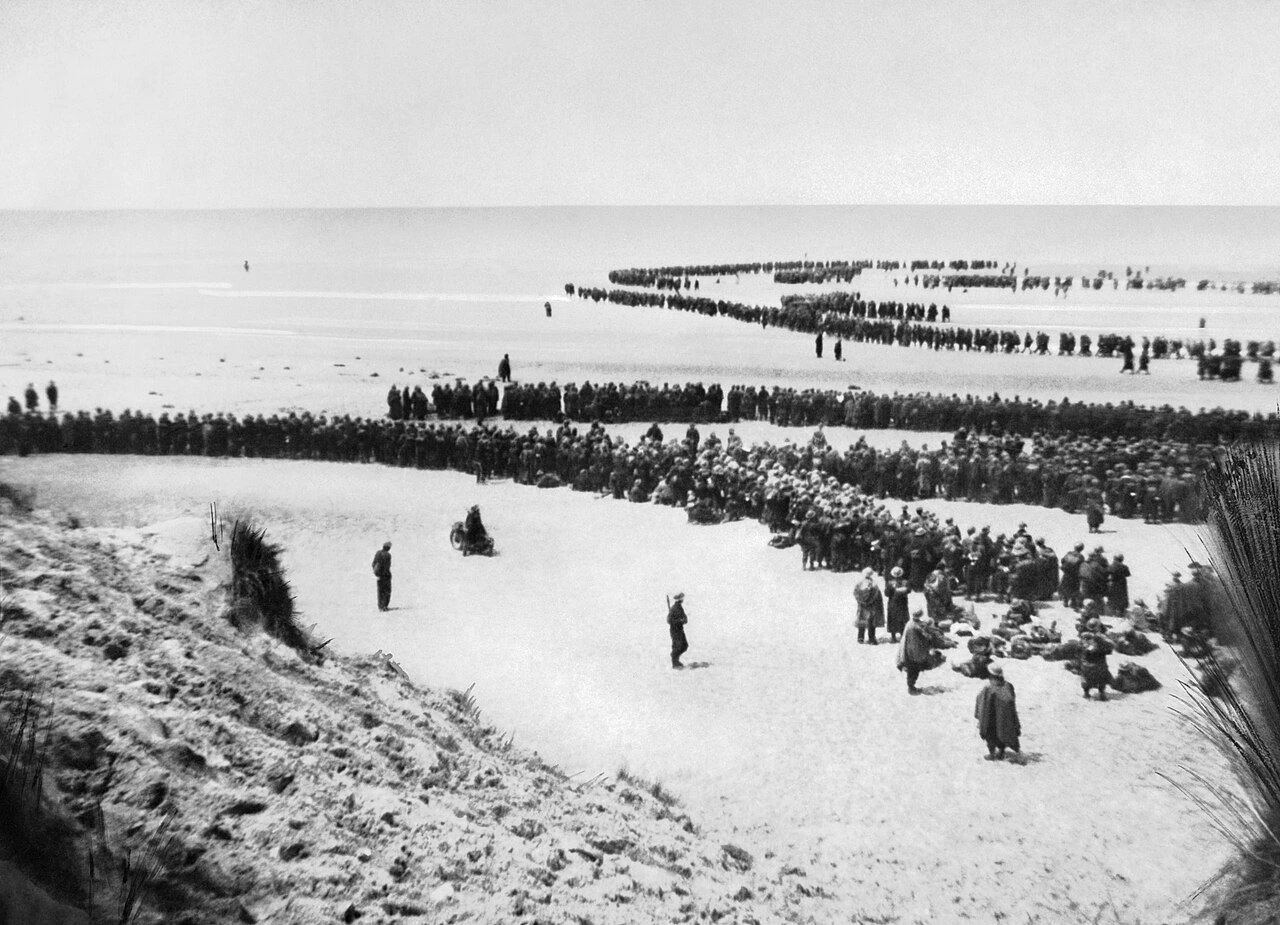
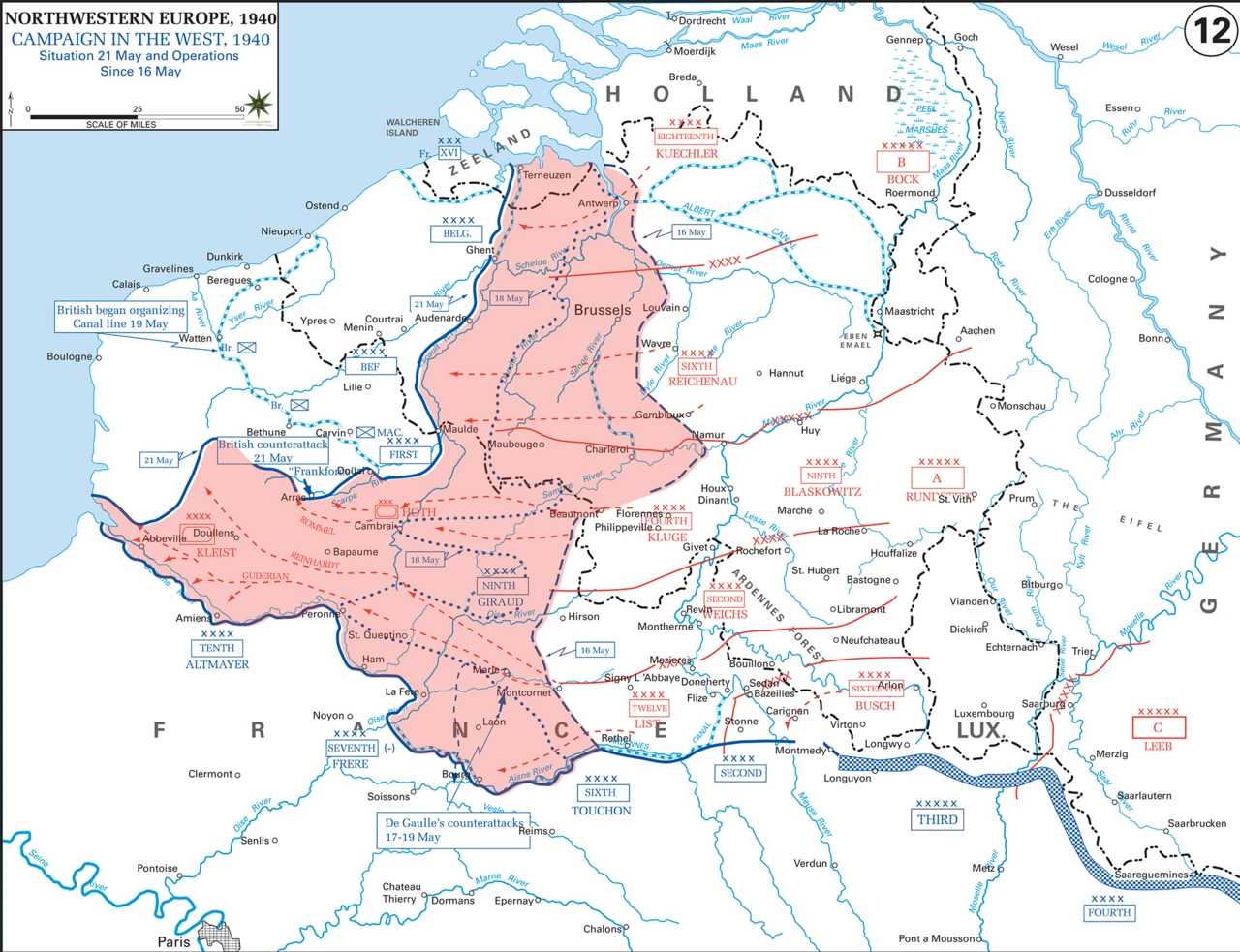
He finds a critical situation. He has been led to hope for the embarkation of 45,000 men in two days. But the inner harbour of Dunkirk, pounded by the Luftwaffe, is largely unusable; tens of thousands of men from the BEF and the French army are crammed into the town and onto the beaches of Malo-les-Bains, Bray-Dunes and La Panne.
Yet embarking from the beaches is desperately slow: large vessels cannot approach the gently sloping shore, and the ship's boats can only load a few dozen men per slow trip. Tennant notices two long jetties — the east and west moles — extending nearly 1,600 metres, narrow and designed as breakwaters, not as berthing quays.
A few hours before nightfall, Tennant must settle the embarkation method for the entire operation.
Should Tennant concentrate embarkation on the beaches, or try to berth ships alongside the narrow east mole?
Tennant chose B. On the evening of 27 May, seeing that the beaches would never suffice, he brought the cross-Channel steamer Queen of the Channel alongside the east mole; the vessel managed to berth and load. The jetty, never intended for such use, became the principal embarkation quay of Dynamo. Of the 338,226 men evacuated, roughly 239,555 — the great majority — left from the East Mole, with the beaches serving as a complement. Tennant remained until the last ships departed on 2 June, walking the shore with a megaphone; his sailors nicknamed him "Dunkirk Joe." Without this improvisation, the pace of evacuation would have been incompatible with the shrinking perimeter. Tennant would later command the battlecruiser Repulse, then run the Mulberry artificial harbours of Normandy in 1944. A vice-admiral, he died in 1963 aged 73.
Learn more about this event
Related polls
10
Ramsay at Dover Castle — Dynamo
Boulogne — Fox-Pitt and the Guards facing the port
Bulson — Lafontaine and the 02:00 rumour
Calais — Nicholson facing the ultimatum
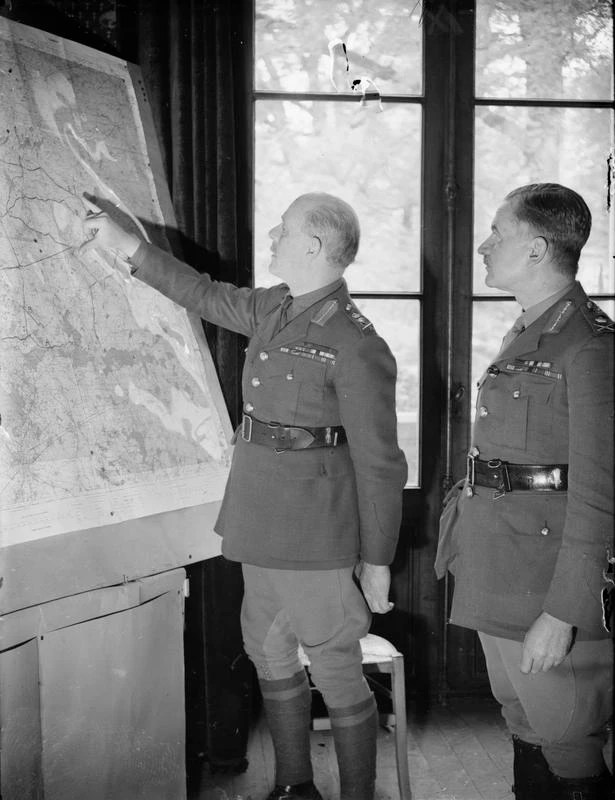
Gort at Habarcq — trust in the French plan
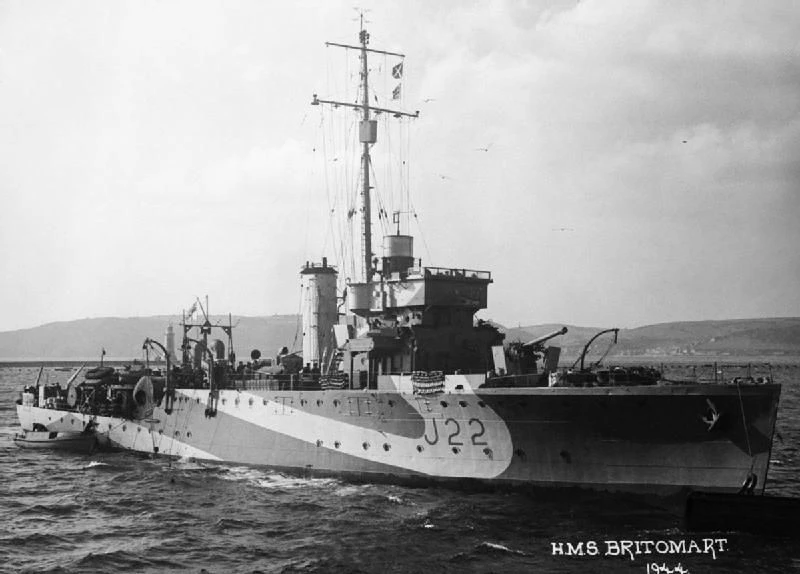
HMS Sphinx at Kinnaird Head
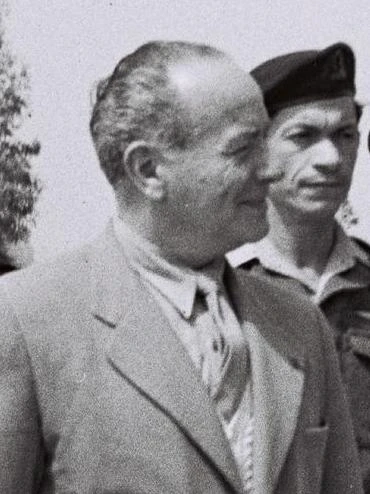
Stonne — Billotte facing the Panzer column
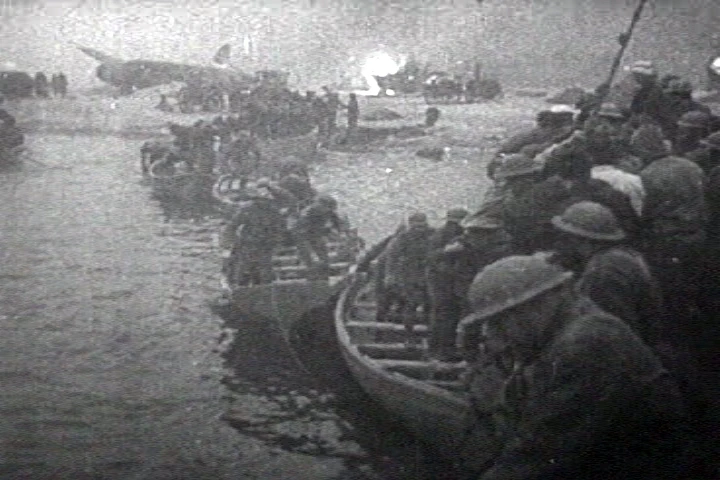
Tennant — the last ship from the east mole
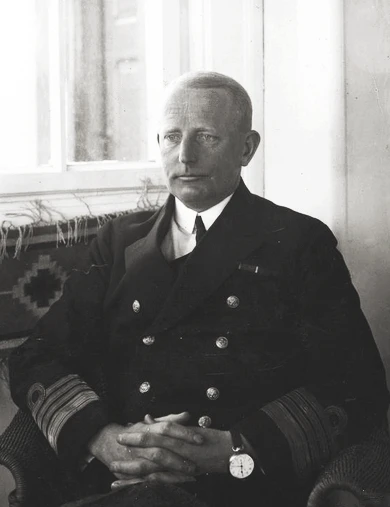
Hel — Unrug faces the German envoy
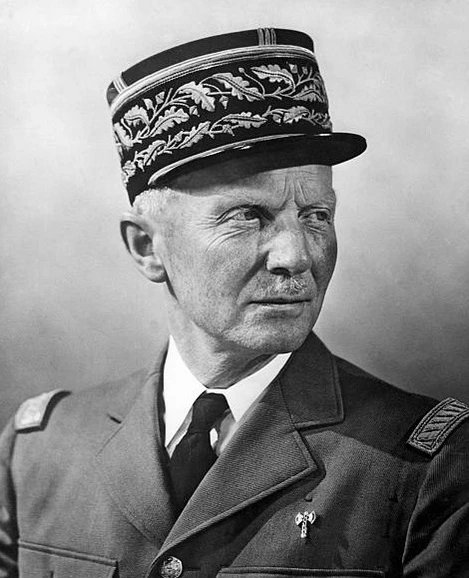
Huntziger over the Sedan reports — 13 May
Ramsay at Dover Castle — Dynamo
Boulogne — Fox-Pitt and the Guards facing the port
Bulson — Lafontaine and the 02:00 rumour
Calais — Nicholson facing the ultimatum
Gort at Habarcq — trust in the French plan
HMS Sphinx at Kinnaird Head
Stonne — Billotte facing the Panzer column
Tennant — the last ship from the east mole
Hel — Unrug faces the German envoy