
For years, the Albania of King has lived under the growing economic and military tutelage of Fascist Italy, which financed his regime. In the spring of 1939, Mussolini, jealous of Hitler's successes and eager for a triumph of his own, demands an outright protectorate: military presence, colonisation, total control.
Zog plays for time and brushes aside the agreements put to him in exchange for complete Italian control. But his means are derisory: the Albanian army numbers only a few thousand ill-equipped men, and no outside help is forthcoming.
On 7 April 1939 — a Good Friday — Italy lands its troops. Zog, whose wife gave birth just three days earlier, must decide within hours. The fate of the dynasty, of the state's reserves and of Albanian independence is decided on the very day of the landing. Attempt a desperate resistance with a tiny army, in the name of national honour? Accept the Italian protectorate to keep a vassal throne? Or leave the country to preserve his family and, perhaps, a legitimacy in exile?
Facing the Italian landing, should Zog resist, accept the protectorate, or flee?
Zog chooses C: that very day, he flees to Greece with Queen Geraldine, their newborn son Leka and part of the central bank's gold reserves. The sporadic Albanian resistance is swept aside in a few days. On 12 April, a rump Albanian parliament deposes Zog and offers the crown to the King of Italy : Albania becomes a possession of the Italian Crown. The flight preserves the royal family but seals the end of independence. The aggression, coming just after Prague, accelerates the British and French guarantees to Greece and Romania, now threatened in the Balkans.
Learn more about this event
Related polls
10
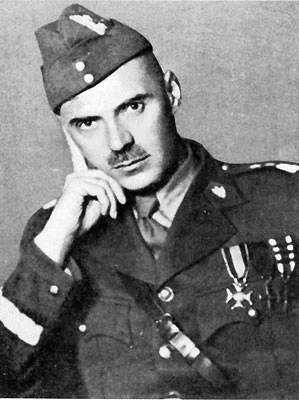
Anders in the Lubyanka
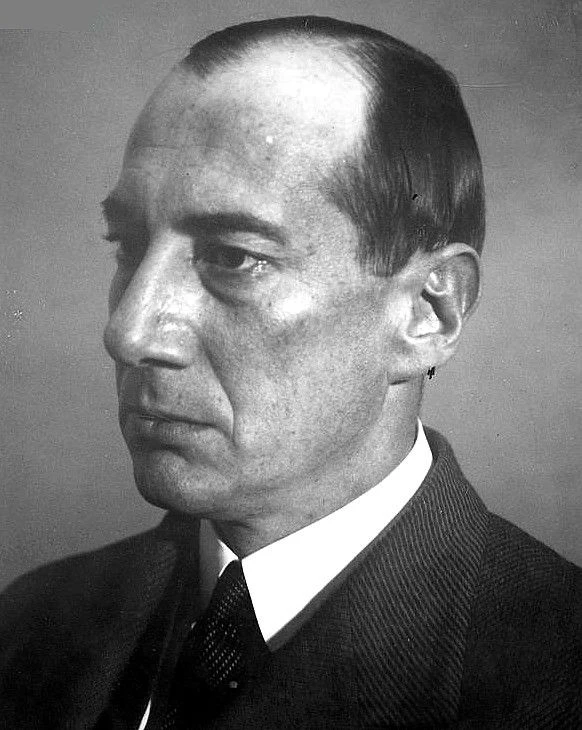
Beck in Bucharest — the Internee
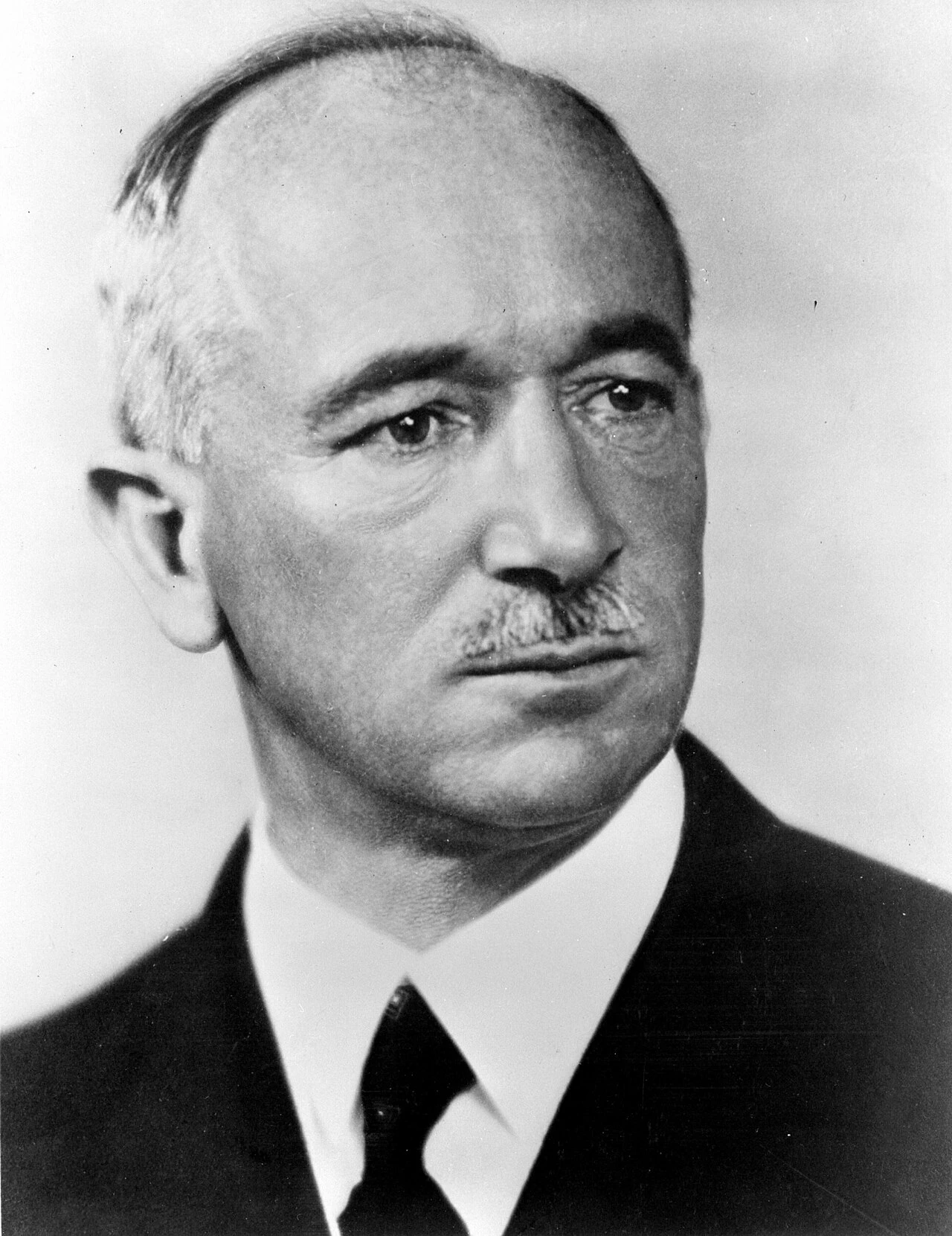
Beneš in London — autumn 1939
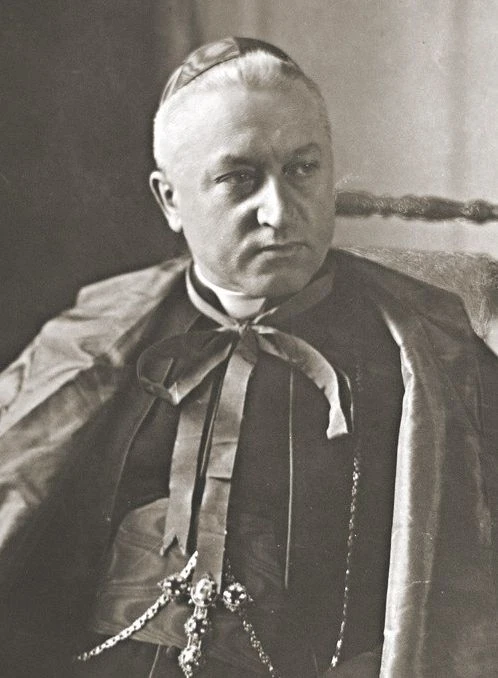
Cardinal Hlond — the Vatican's instruction
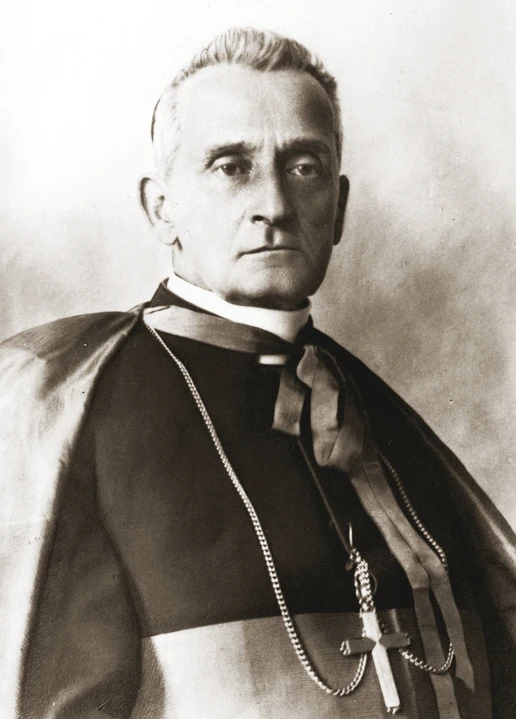
Cardinal Sapieha — Krakow under Occupation
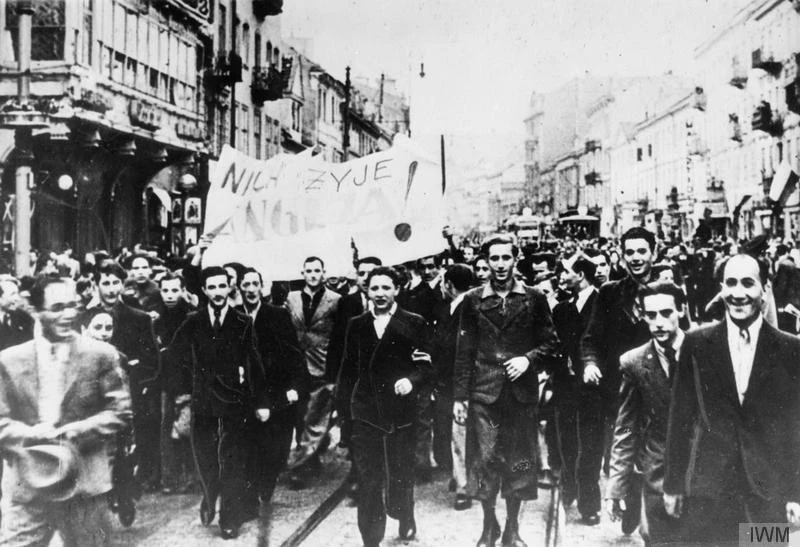
Chamberlain — 11:15 BST
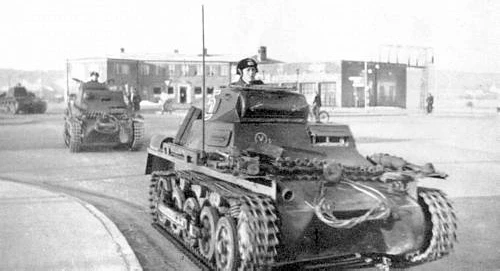
Christian X — Amalienborg, 1 September
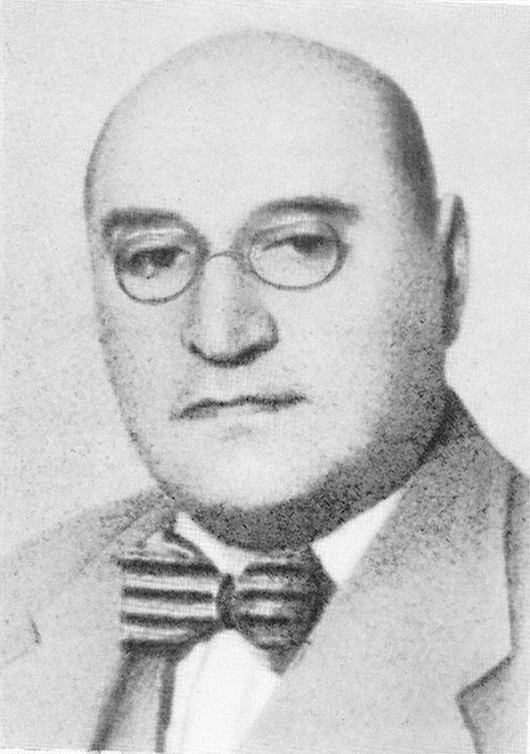
Czerniaków — the offer of the Judenrat

Daladier — Thorez's Defection
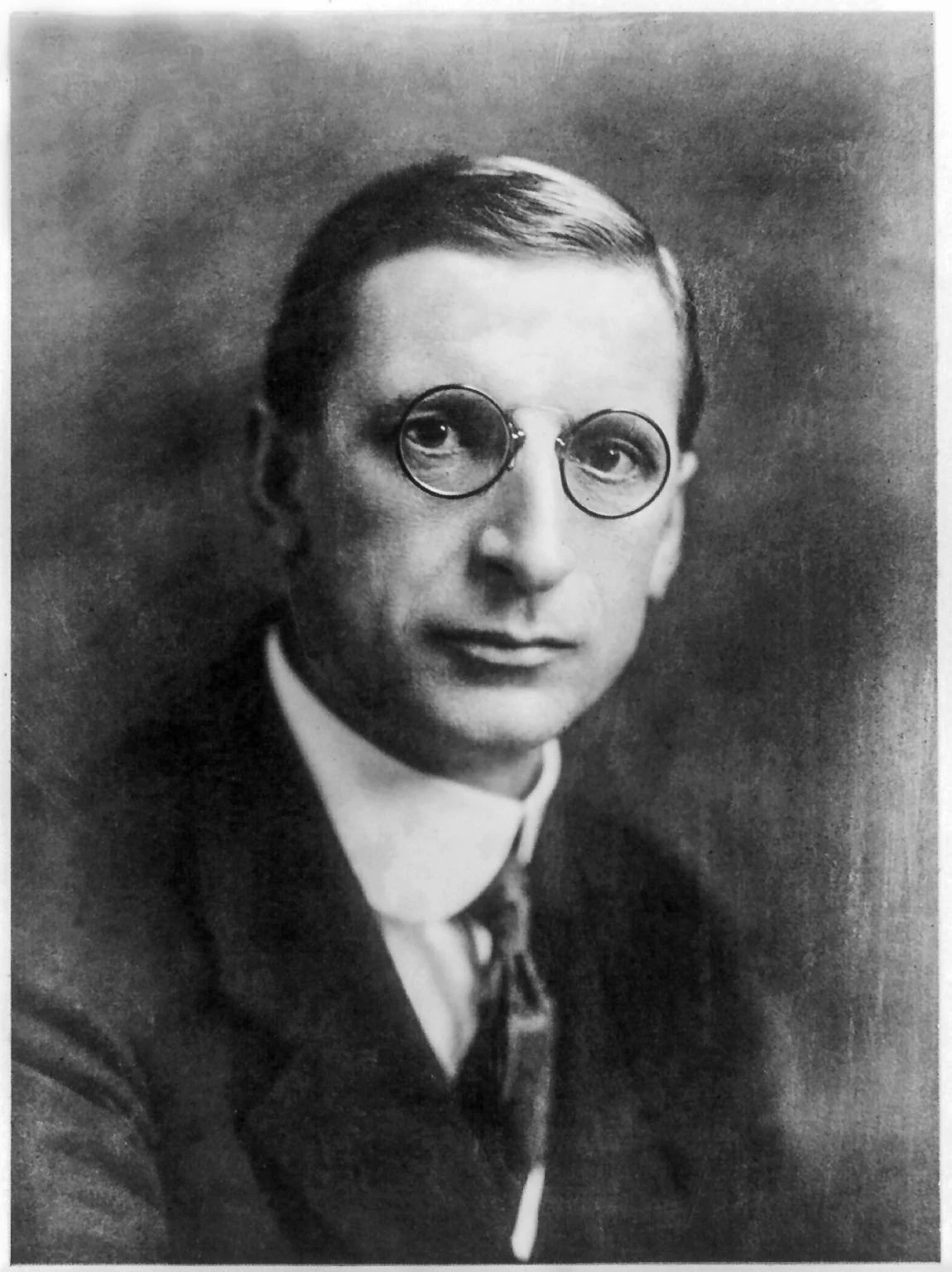
De Valera — Leinster House, 2 September
Anders in the Lubyanka
Beck in Bucharest — the Internee
Beneš in London — autumn 1939
Cardinal Hlond — the Vatican's instruction
Cardinal Sapieha — Krakow under Occupation
Chamberlain — 11:15 BST
Christian X — Amalienborg, 1 September
Czerniaków — the offer of the Judenrat
Daladier — Thorez's Defection