
Ganshof and the "suspects"
From the very outbreak of the invasion, Belgium feared internal sabotage and espionage. The Auditor General , charged with state security, had to decide the fate of individuals deemed dangerous: far-right militants favourable to the Reich, "enemy" aliens, and various suspects.
The security logic was powerful: in the midst of an offensive, leaving potential sympathisers of the enemy at large seemed irresponsible. But the emergency procedure — mass administrative arrests, without trial — was fraught with the risk of abuse, especially amid a rout and a psychosis of the fifth column.
Ganshof could order the broad internment of suspects, then their transfer to the rear (France) as the front receded, to keep them out of enemy hands. He could instead sort them carefully, case by case, at the risk of letting genuine agents slip through. Or he could refrain from transferring them, to keep the detainees under Belgian control. Yet moving these internees away, handing them over en route to panic-stricken French soldiers, carried a mortal danger.
Should Ganshof intern the "suspects" broadly and transfer them to France, or sort them case by case?
Ganshof settled on A: between 10 and 15 May 1940, hundreds of "suspects" (including Van Severen and Degrelle) were interned — notably at the Pandreitje prison in Bruges — then deported to France. The measure, justified by the urgency of security, then escaped all control: handed over to French escorts gripped by the psychosis of the fifth column, some of these internees were summarily shot at Abbeville on 20 May. The episode illustrates how an administrative security decision, taken in panic, can lead to a crime — and the difficulty of reconciling state security with individual rights in a time of rout.
Learn more about this event
Related polls
10
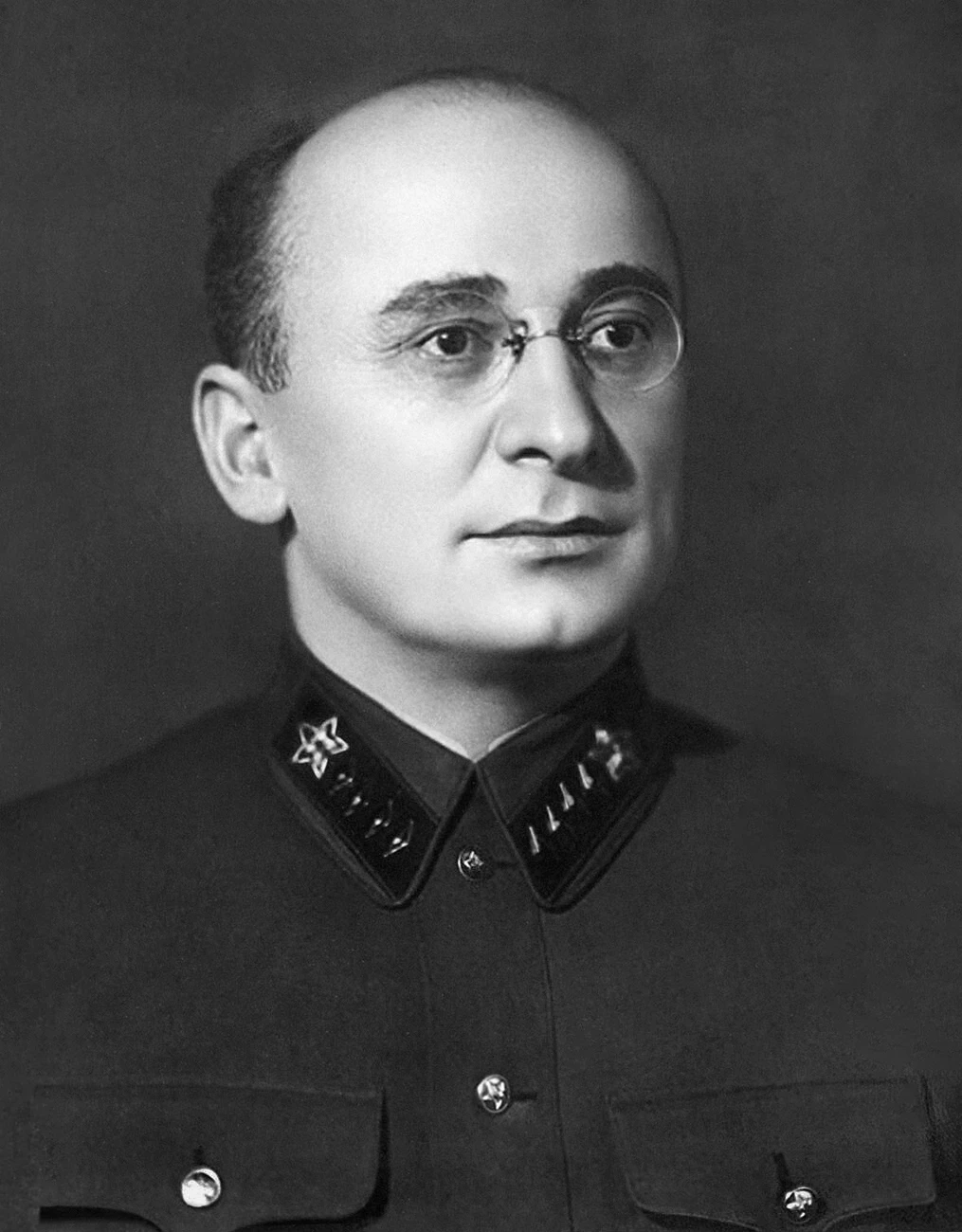
Katyn — the order on Beria's desk
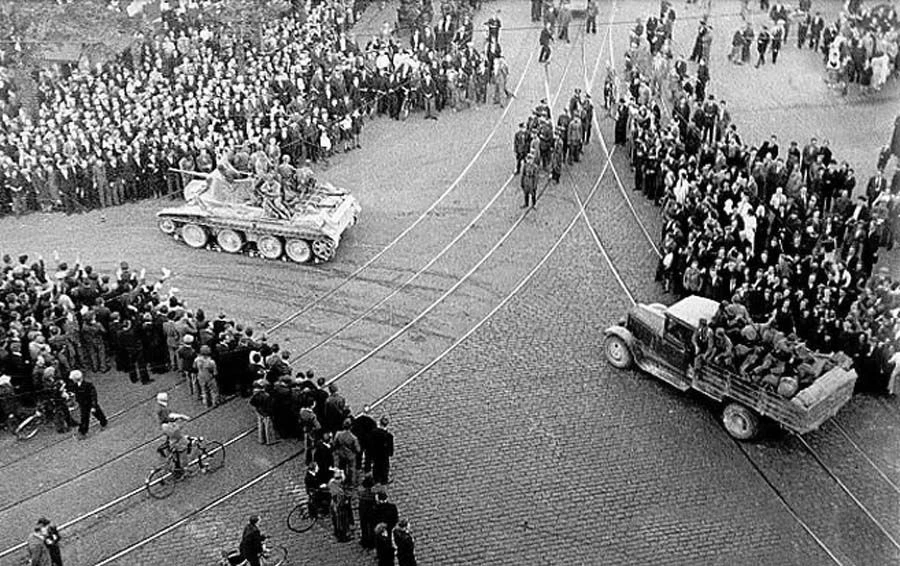
Serov — 10 February 06:00 at Lwów
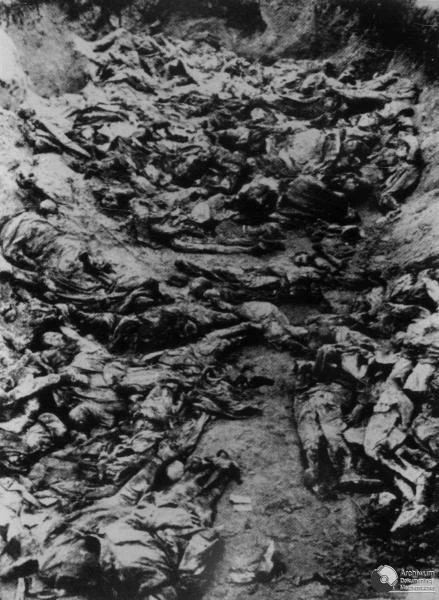
Beria — the NKVD ordinance of 19 September
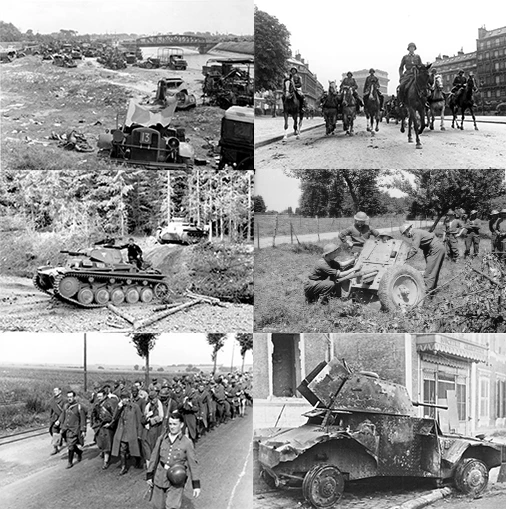
The real fifth column
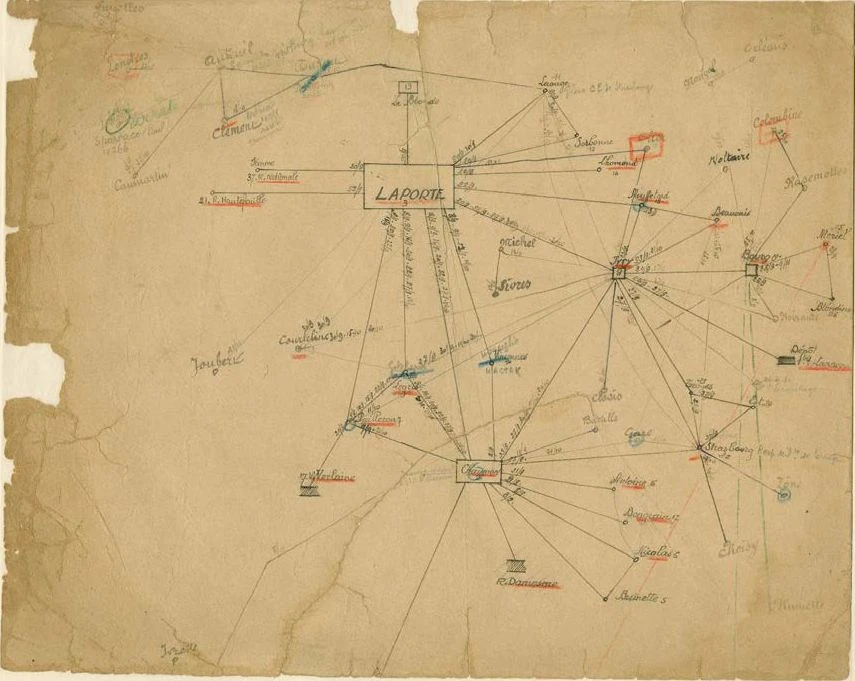
Doussot — Special Brigade No. 1
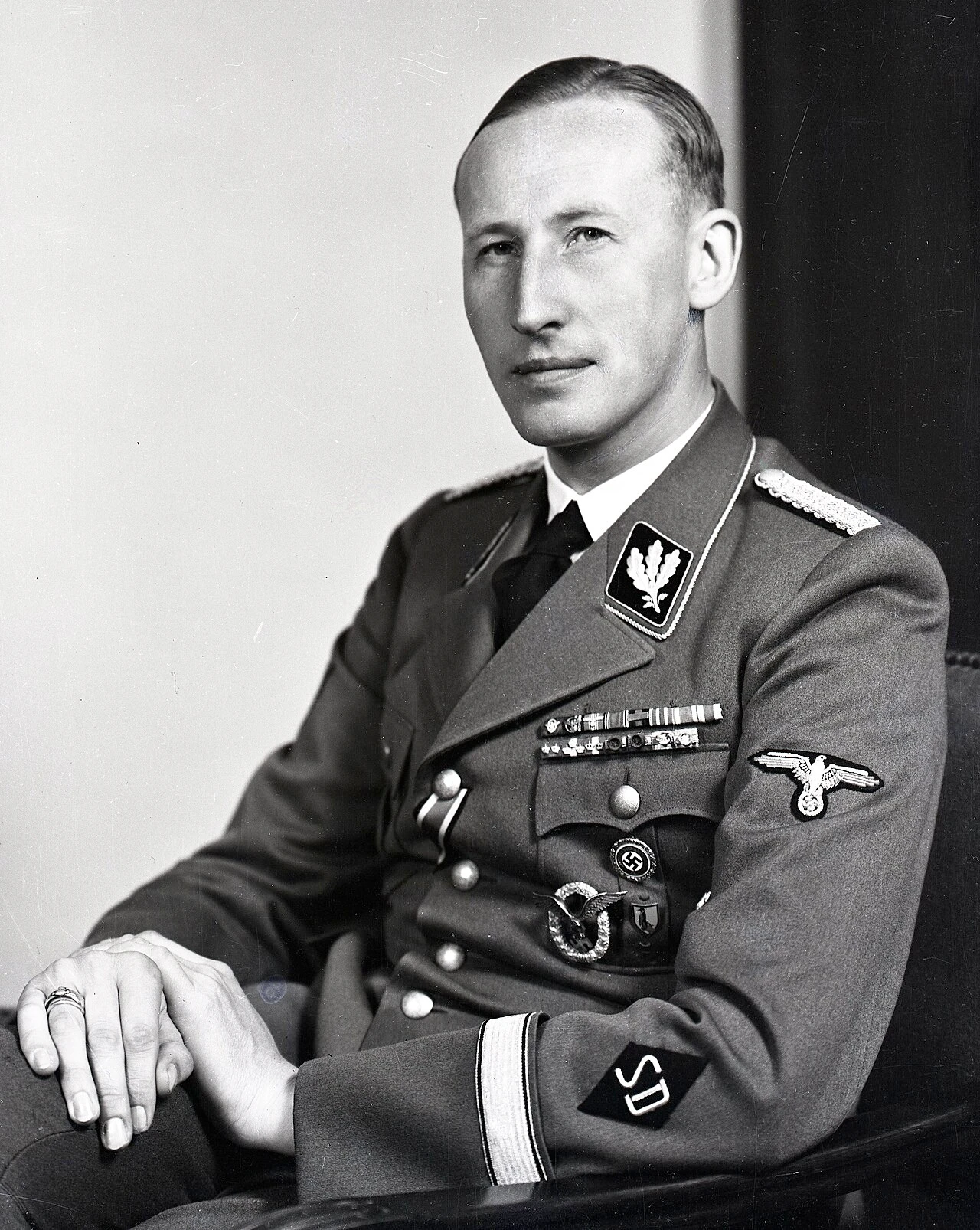
Heydrich's mandate
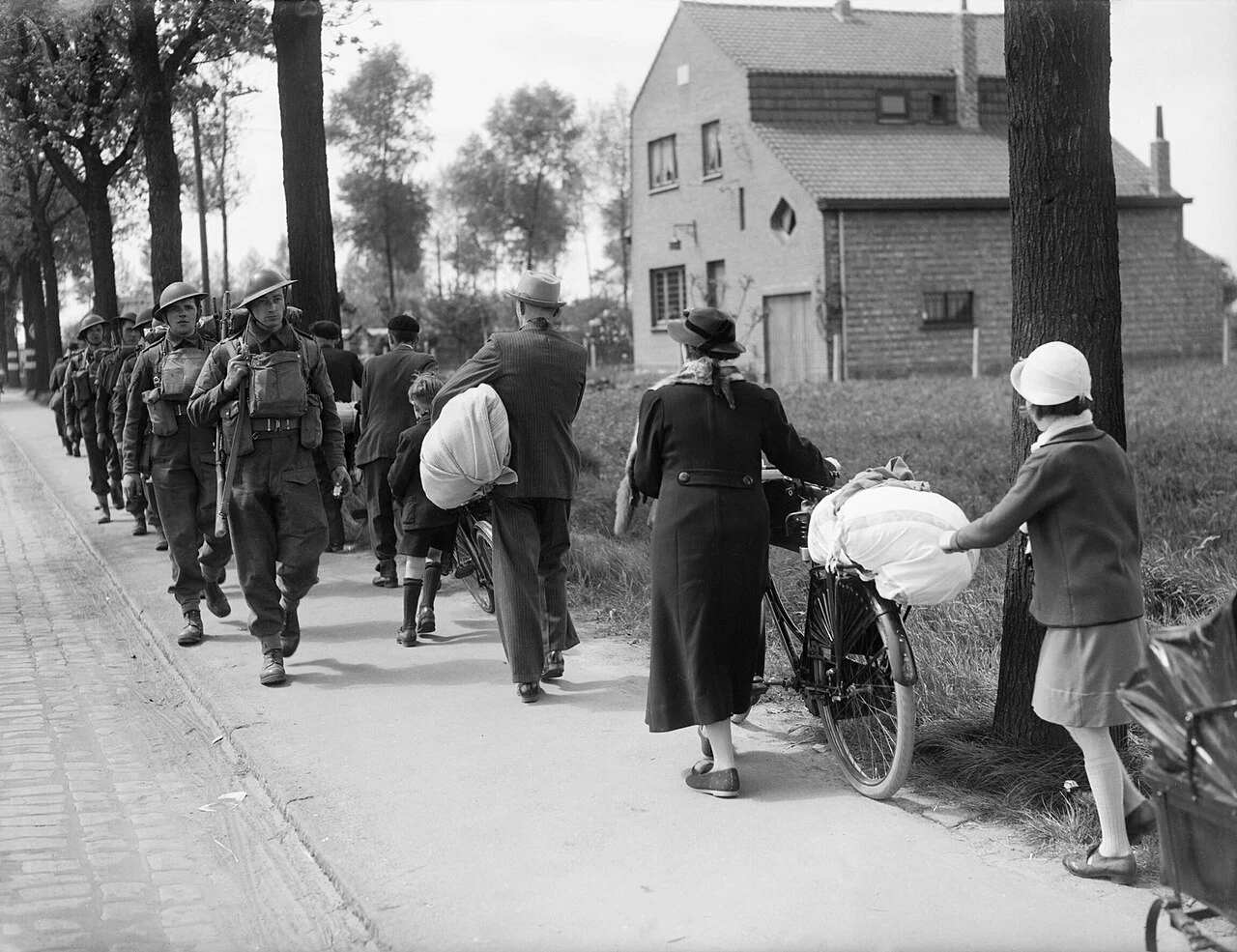
Civilian hostages
Abbeville — the roads under the fighters
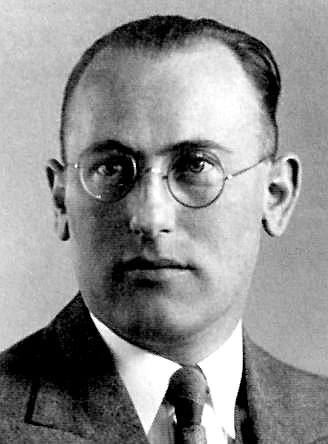
Heydrich — the Conference of 21 September
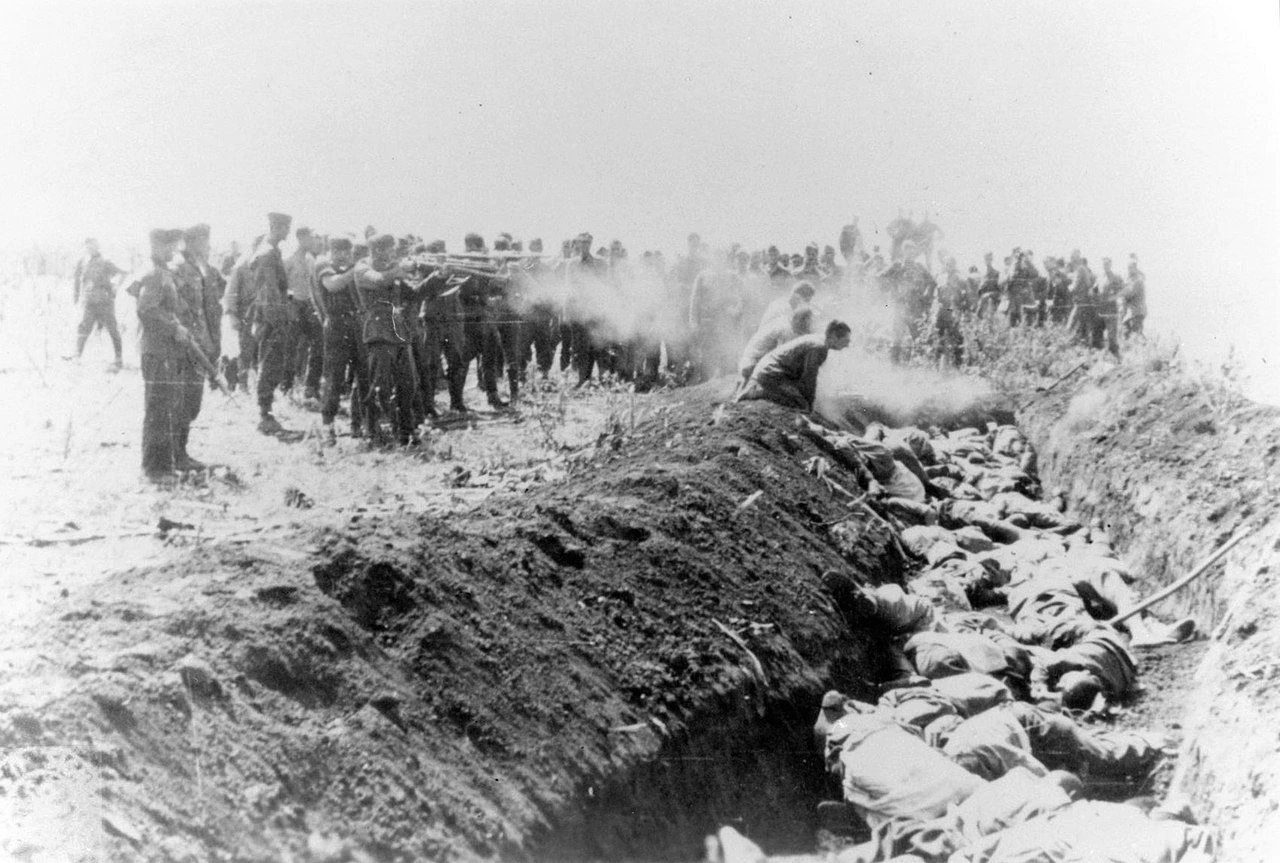
Kaunas — the first pogroms
Katyn — the order on Beria's desk
Serov — 10 February 06:00 at Lwów
Beria — the NKVD ordinance of 19 September
The real fifth column
Doussot — Special Brigade No. 1
Heydrich's mandate
Civilian hostages
Abbeville — the roads under the fighters
Heydrich — the Conference of 21 September