
Since the Rome-Berlin Axis of 1936, Fascist Italy has drawn closer to Nazi Germany. But Mussolini takes care to keep his hands free: he played the mediator at Munich, and his son-in-law, the Foreign Minister , is wary of the German ally, whose repeated coups disquiet even Rome.
In the spring of 1939, Berlin presses to transform the rapprochement into a formal military alliance. The draft treaty, drawn up on the German side, is exceptionally binding: it commits each party to enter the war alongside the other, with no escape clause or condition.
Yet Italy is not ready for a major conflict: its economy is fragile, its armed forces poorly equipped, its Ethiopian venture and its intervention in Spain have exhausted it. To sign so rigid a pact is to bind the destiny of Italy to that of an unpredictable Germany. To hold to a more flexible understanding would preserve freedom of manoeuvre, but at the risk of vexing Hitler. Mussolini must decide. The signature, or its refusal, will commit the destiny of Italy for the decisive years ahead, and the place it will hold in the Axis camp.
Should Mussolini bind Italy to Germany through a military alliance with no escape clause?
Mussolini chooses A: on 22 May 1939, Ciano and Ribbentrop sign in Berlin the 'Pact of Steel', an offensive and defensive military alliance with no safeguard clause. The Duce sees in it a pledge of prestige and the guarantee of a place at the table of the victors. But the commitment is dangerously unbalanced: it chains Italy to German initiative without assuring it the delay it needs to arm itself. A few days later, Rome will try to specify its reservations about the timetable — a repentance that reveals from the outset the fragility of the pact. The pact makes Italy, on paper, a belligerent whose fate is bound to that of German arms.
Learn more about this event
Related polls
10
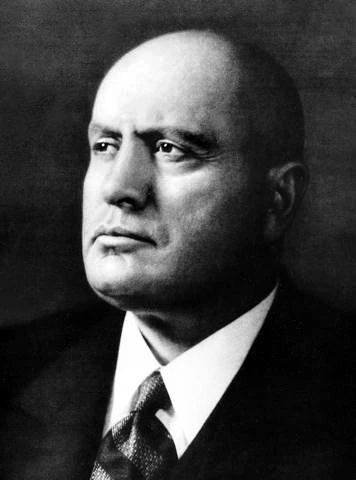
Italy Is Not Ready
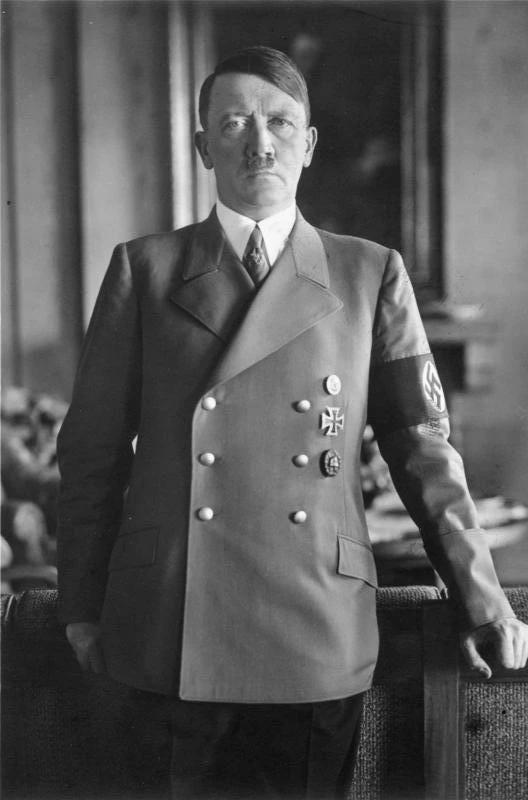
Hitler Before His Generals
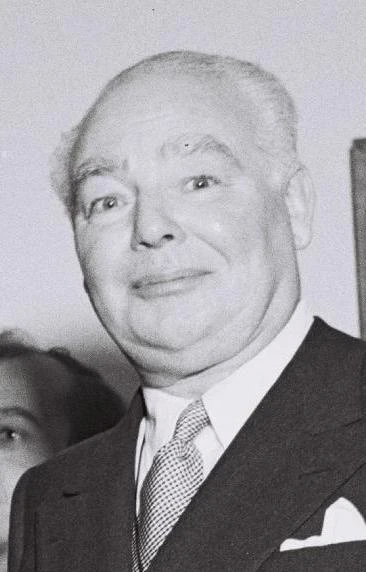
The Military Training Act
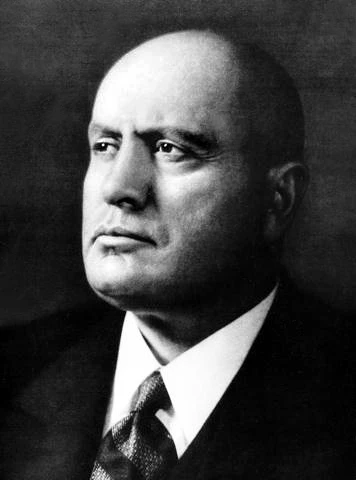
Mussolini at the Palazzo Venezia — early June
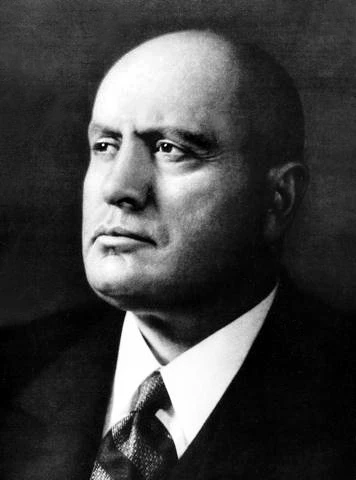
Mussolini on the Riviera — 21 June
Armed Neutrality
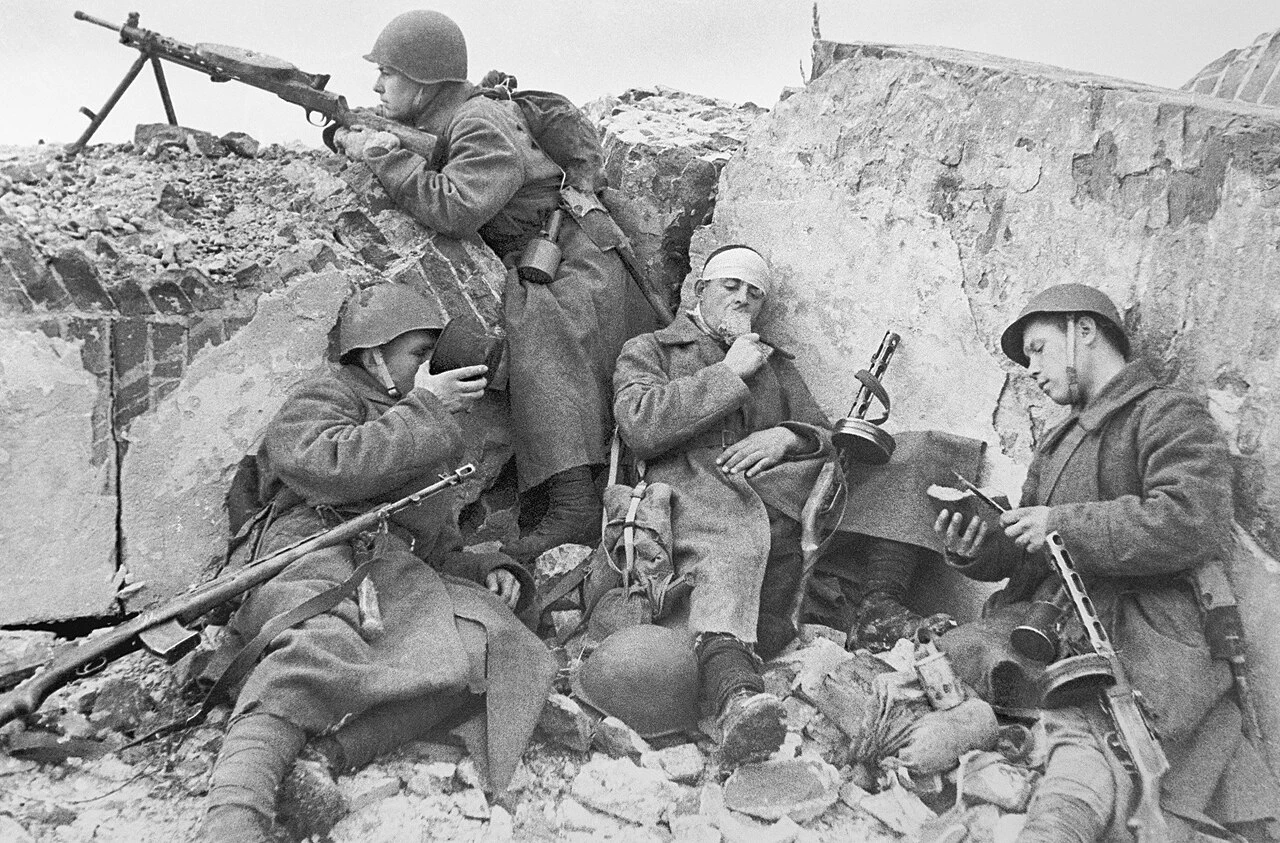
The Moscow Talks
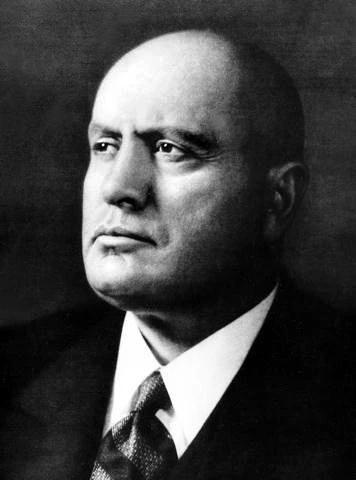
The Brenner Pass meeting
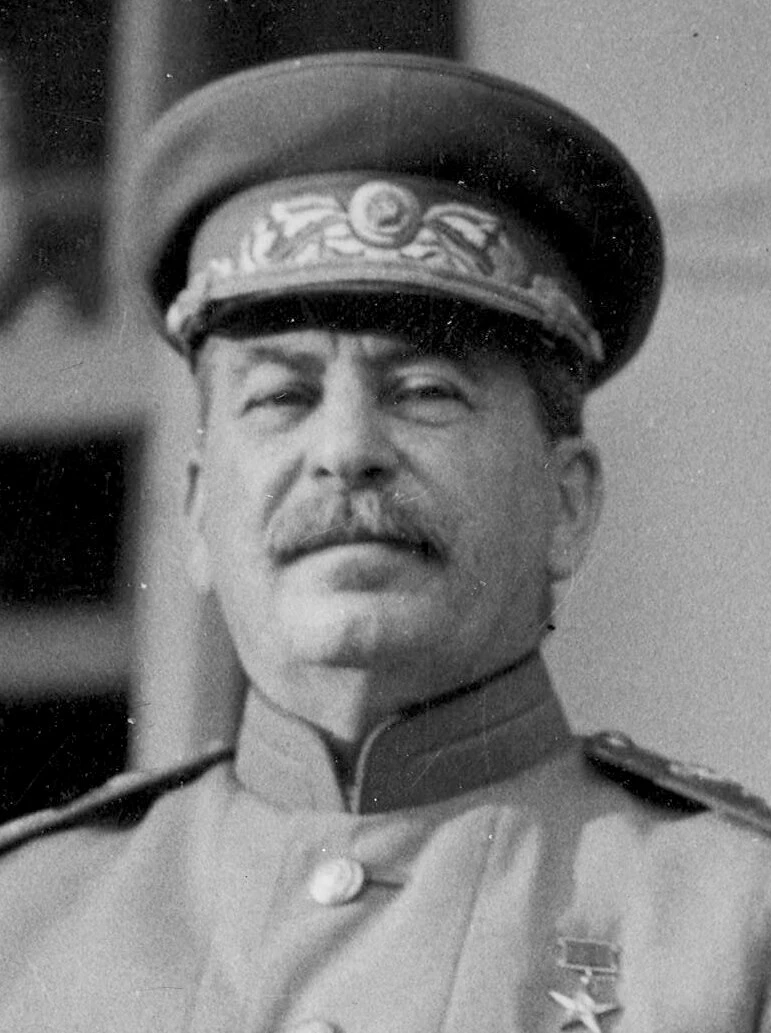
The Dismissal of Litvinov
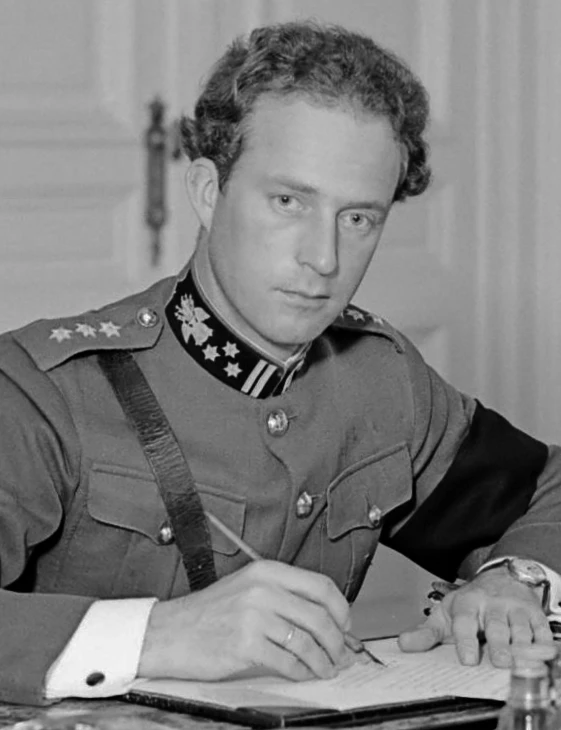
Brussels, September 1939: a small country's tightrope walk
Italy Is Not Ready
Hitler Before His Generals
The Military Training Act
Mussolini at the Palazzo Venezia — early June
Mussolini on the Riviera — 21 June
Armed Neutrality
The Moscow Talks
The Brenner Pass meeting
The Dismissal of Litvinov