
Guderian and the stop order
Having broken through at Sedan, General wants to dash westward without giving the enemy time to recover. But his superiors, anxious to see the armour venturing far ahead of the infantry and exposing its flanks to a French counter-attack, order him to halt and consolidate the bridgehead.
Guderian is convinced that speed is the soul of the manoeuvre: to slow down is to offer the adversary the chance to seal the breach. To disobey openly is to risk punishment; to obey is perhaps to squander victory.
The armoured commander must choose. Obey strictly and stop his corps, as ordered. Override the order and press on at full speed towards the Channel, in defiance of orders. Or find a way out: declare himself halted while launching a "reconnaissance in force" that, in practice, continues the advance. The whole spirit of mobile warfare is at stake in this arbitration between discipline and initiative.
Should Guderian obey the stop order, override it, or circumvent it through a "reconnaissance in force"?
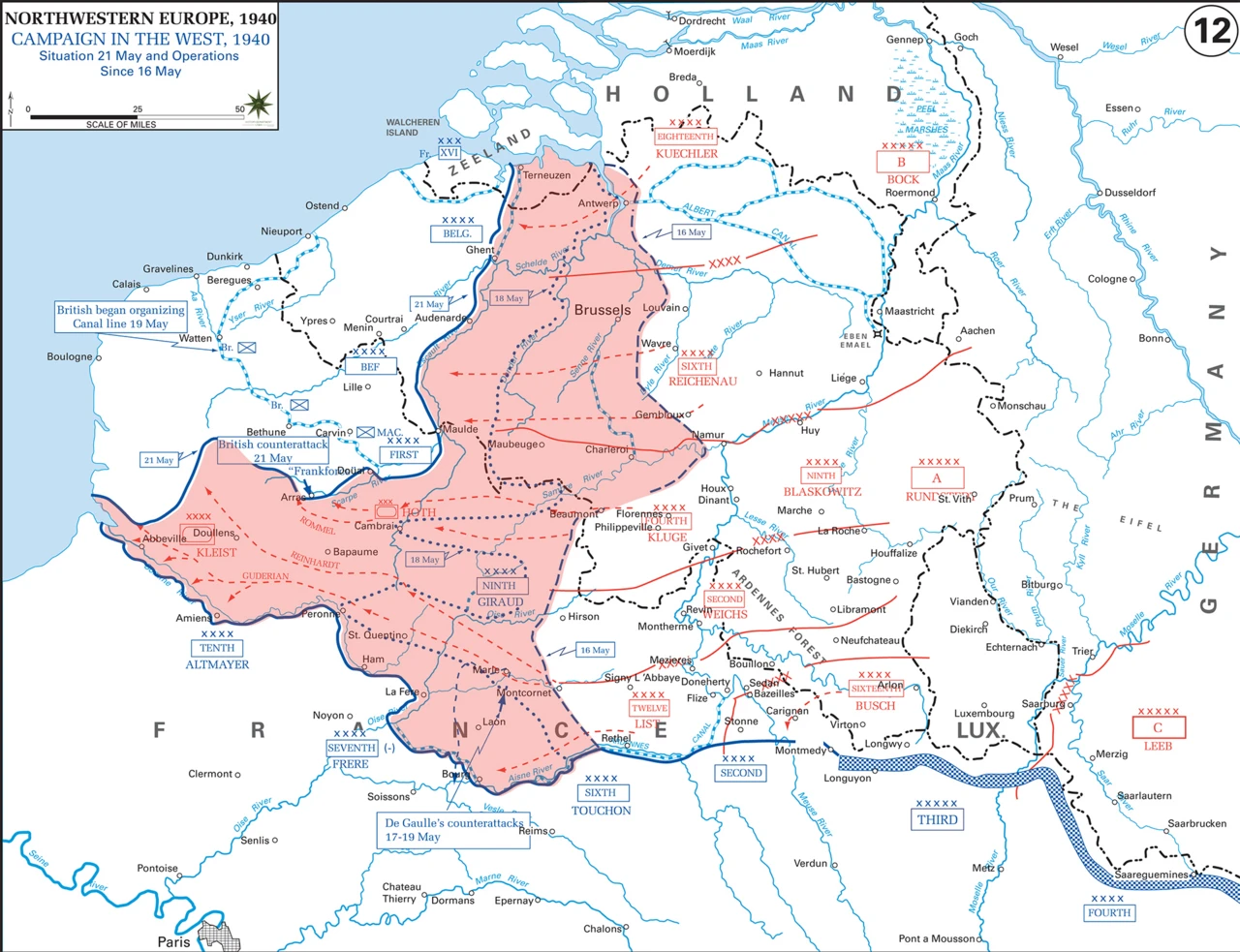
Guderian chooses C: ordered to halt, he obtains permission to conduct a mere "reconnaissance in force" — which he interprets very broadly so as to launch, in effect, his entire armoured corps westward. At one point, at odds with his superiors, he even threatens to resign. His creative disobedience maintains the lightning pace of the breakthrough and allows the Channel to be reached as early as 20 May, cutting off the Allied armies of the North. The episode illustrates the tension, at the heart of the "Blitzkrieg", between the caution of the high command and the initiative of the armoured commanders — and how much the victory of 1940 owes to this insubordinate audacity.
Learn more about this event
Related polls
10
Fall Gelb — the order of 9 May 20:00
Arras — the Matildas against Rommel's flank
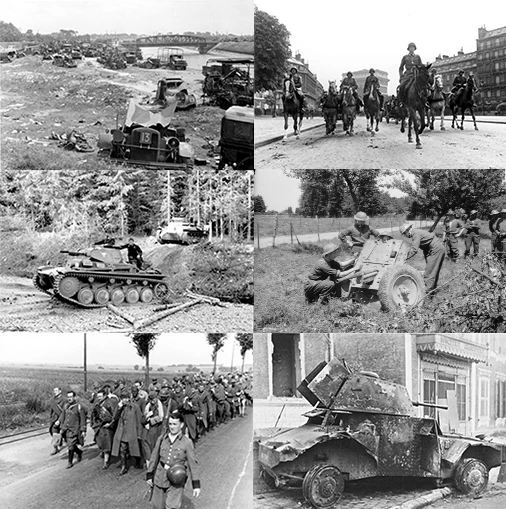
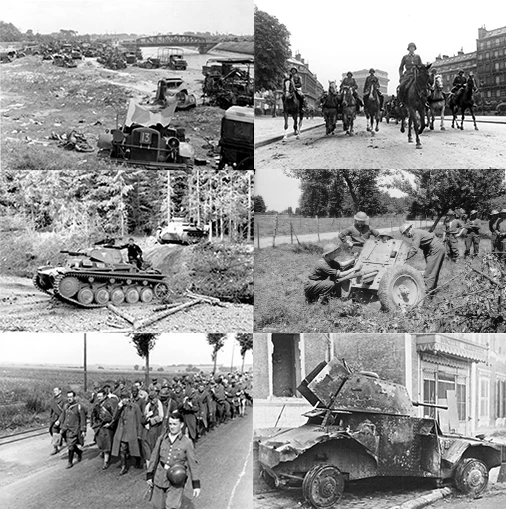
The Campaign's Toll — 10 May to 25 June
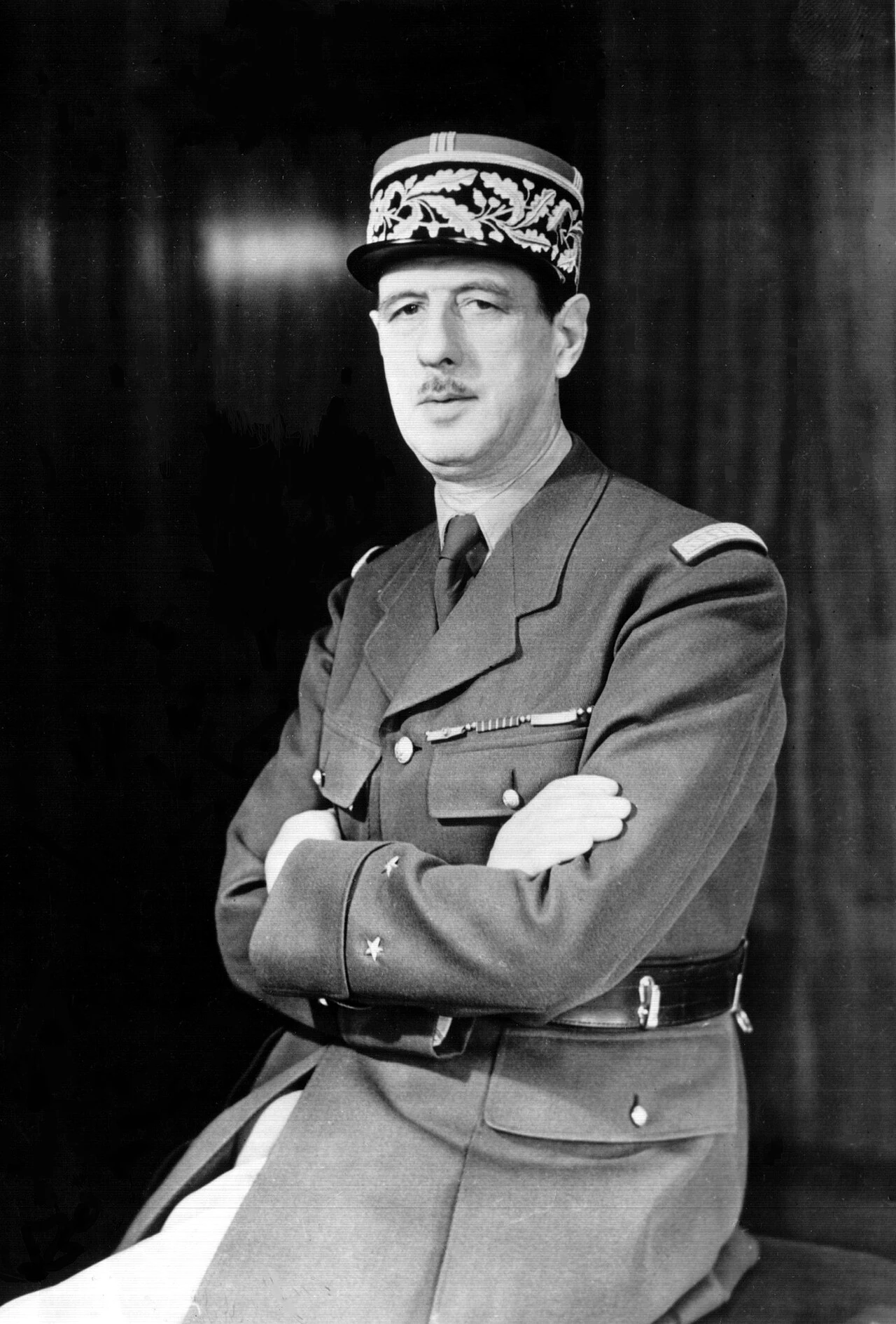
De Gaulle at Abbeville
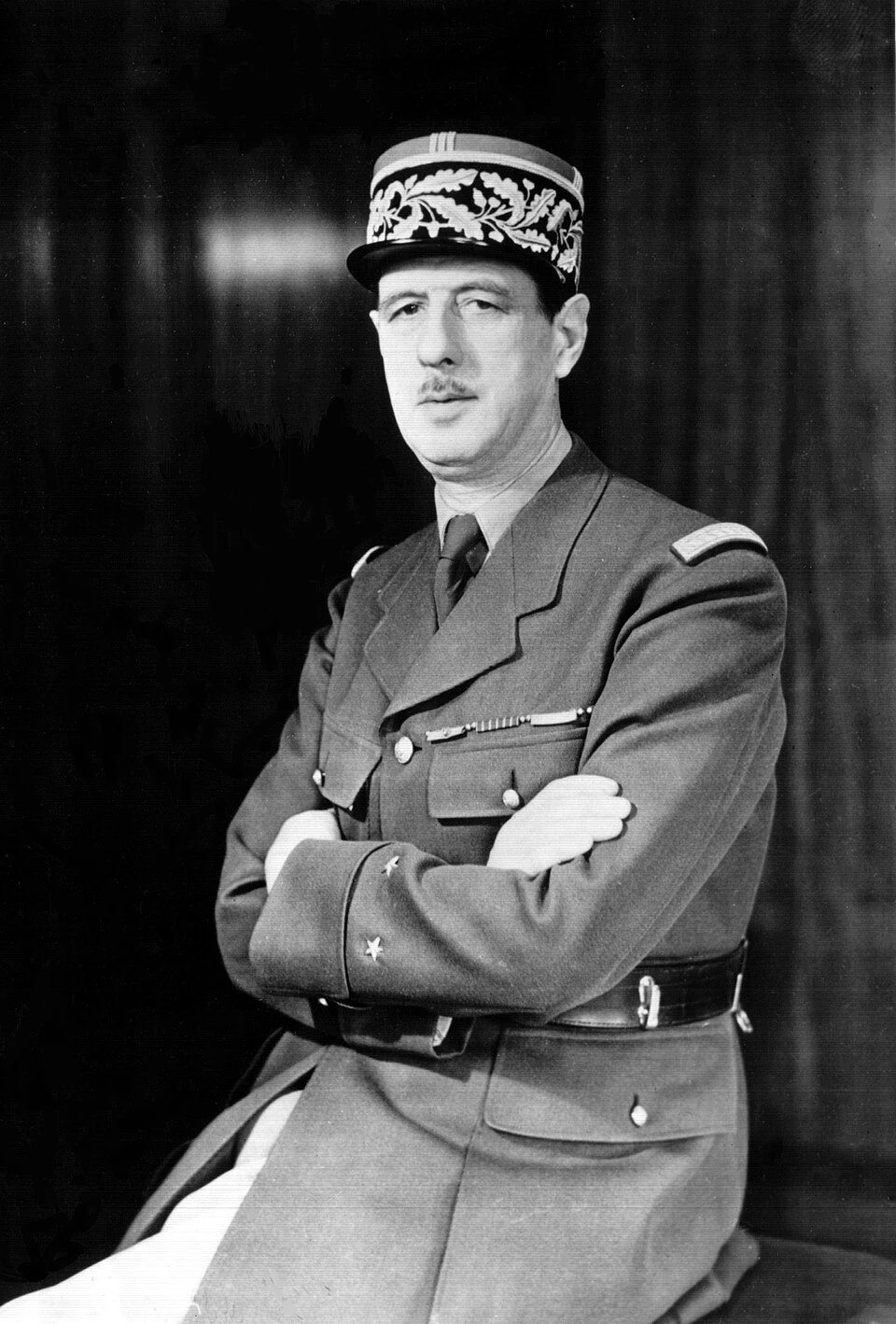
De Gaulle at Montcornet — 17 May
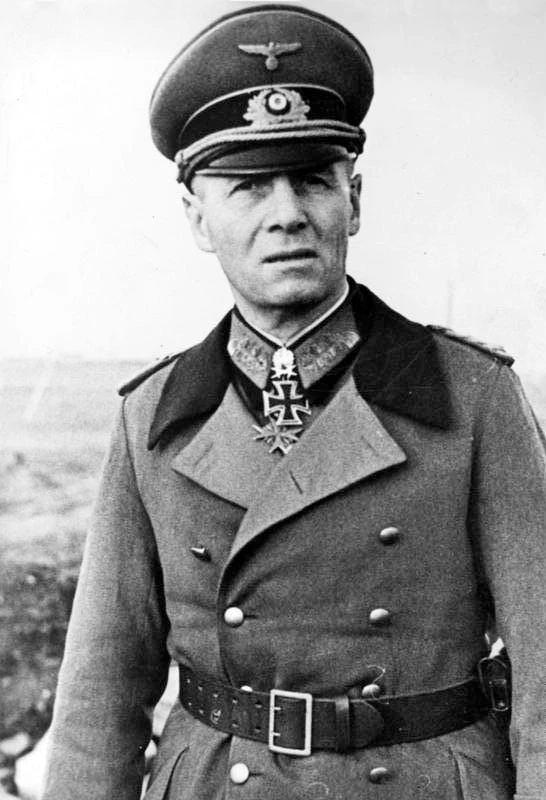
Rommel's ghost division
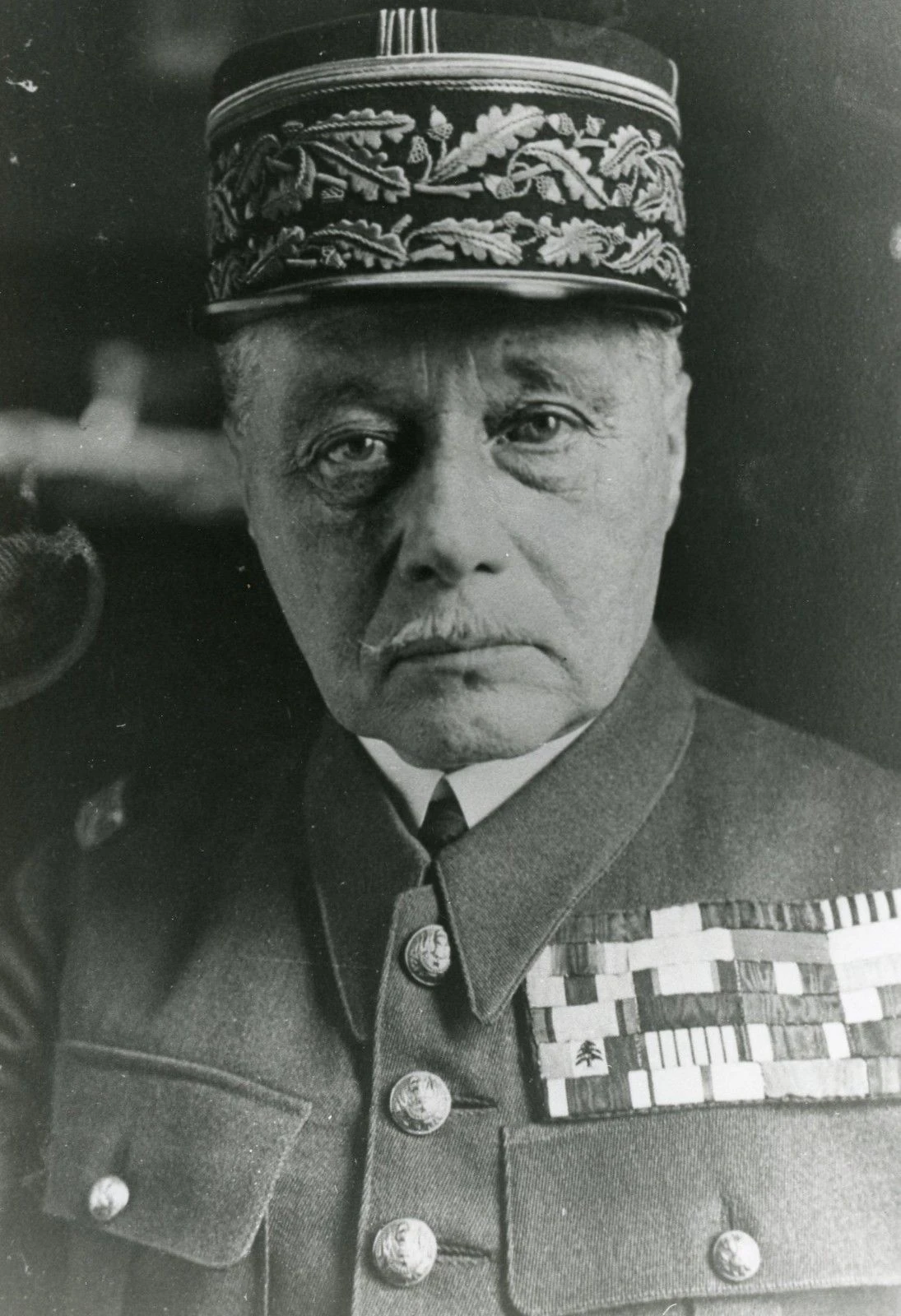
Gamelin, one last order before the envelope
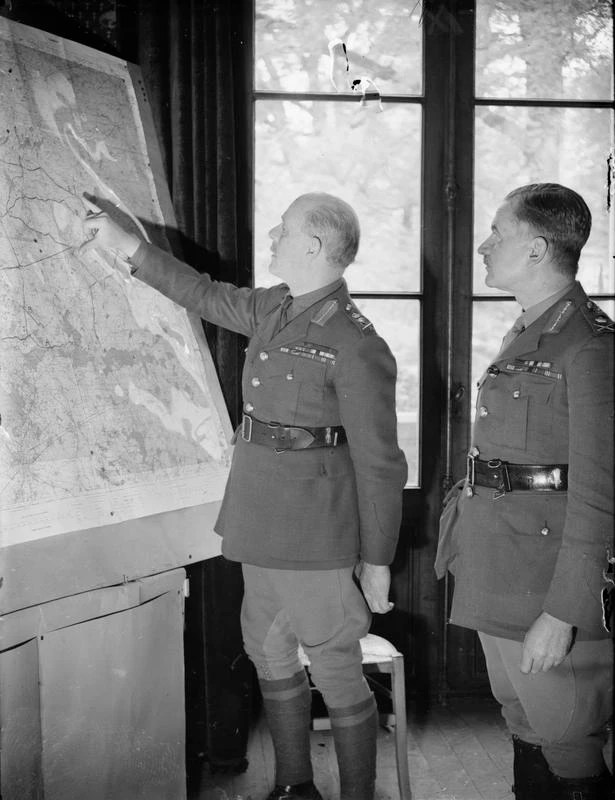
Gort at Habarcq — trust in the French plan
Graziani inherits the Libyan desert
Grossdeutschland crosses at Sedan
Fall Gelb — the order of 9 May 20:00
Arras — the Matildas against Rommel's flank
The Campaign's Toll — 10 May to 25 June
De Gaulle at Abbeville
De Gaulle at Montcornet — 17 May
Rommel's ghost division
Gamelin, one last order before the envelope
Gort at Habarcq — trust in the French plan
Graziani inherits the Libyan desert