
The Einstein-Szilárd Letter
Since the discovery of the fission of uranium, in late 1938, a handful of physicists have gauged a dizzying possibility: a chain reaction could release a colossal energy, and perhaps produce a weapon of unprecedented power. Several of these scientists are refugees from Europe, who know that Germany is capable of conducting the same research.
The Hungarian physicist , in exile in the United States, is convinced of it: the American authorities must be alerted before the Reich gains the lead, and the reserves of uranium must be secured. But Szilárd is little known and has no access to power. To be heard, he considers mobilising the most prestigious voice in science: .
The dilemma is grave. To push the government to launch into atomic research is to open the way to the militarisation of physics, with all its consequences. To keep silent is to risk leaving the weapon in Nazi hands alone. Should they sign and address to Roosevelt a letter of warning in Einstein's name, resort to a more discreet approach among scientists, or refrain from rousing the states on this terrain?
Should Szilárd and Einstein alert Roosevelt about the atomic bomb, at the risk of militarising physics?
They choose A: on 2 August 1939, Einstein signs a letter, drafted with the help of Szilárd and other refugee physicists, warning Roosevelt of the military potential of uranium and the threat of a German programme. Delivered to the President in October 1939 through the economist , it leads to the creation of an advisory committee on uranium — the distant seed of the Manhattan Project. The Einstein-Szilárd letter marks the moment when nuclear physics enters the orbit of the states and of war. Einstein, a convinced pacifist, will later regret having lent his name to an approach he nonetheless judged necessary.
Learn more about this event
Related polls
10
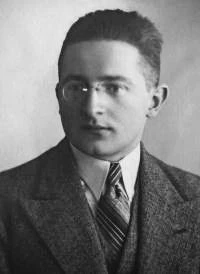
Enigma — the Pyry conference
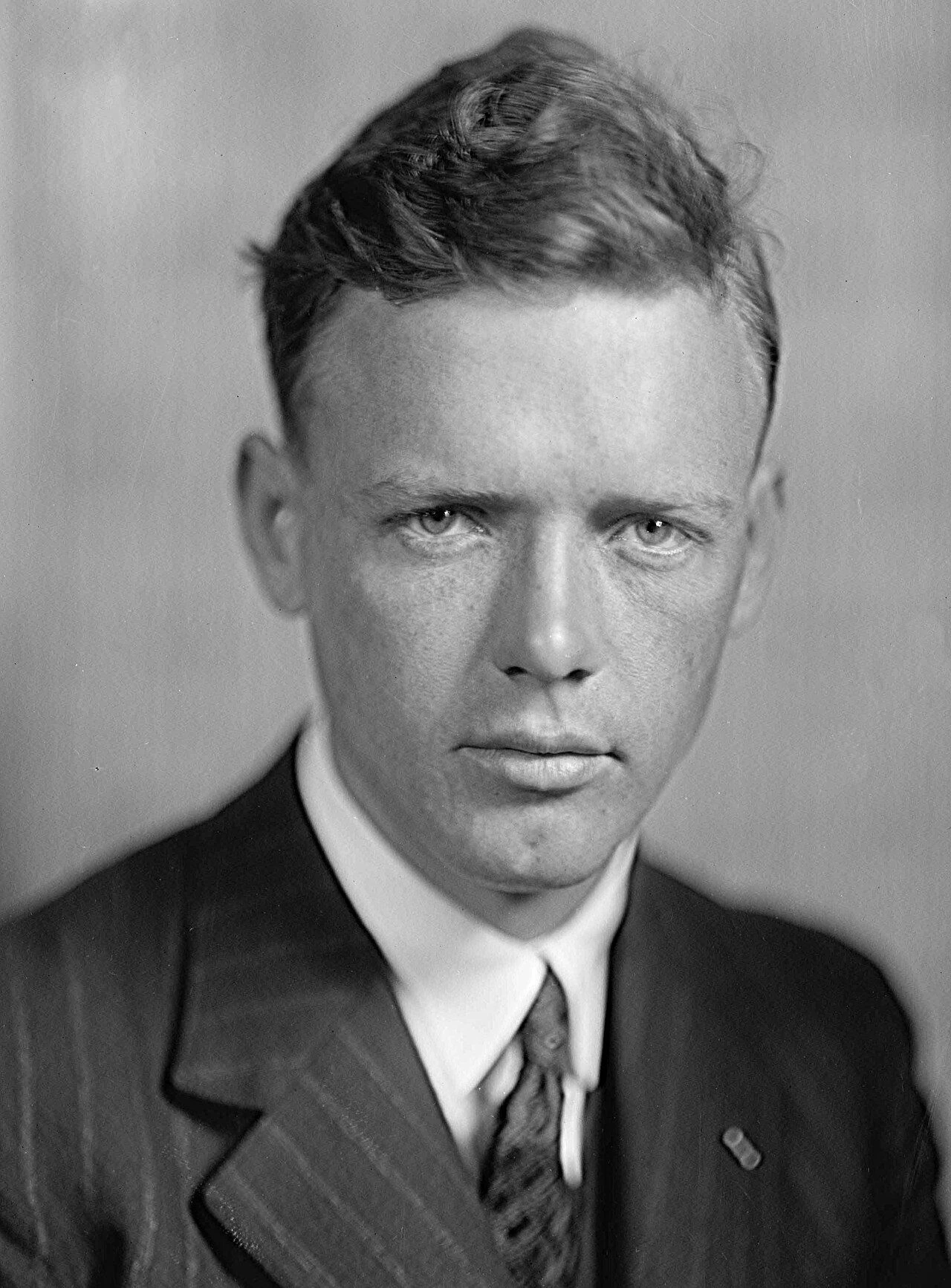
Charles Lindbergh — at the NBC Microphone
The Shinkolobwe Ore — a Belgian industrialist confronting the Congo's uranium
The Tczew bridge — Janik and the detonator
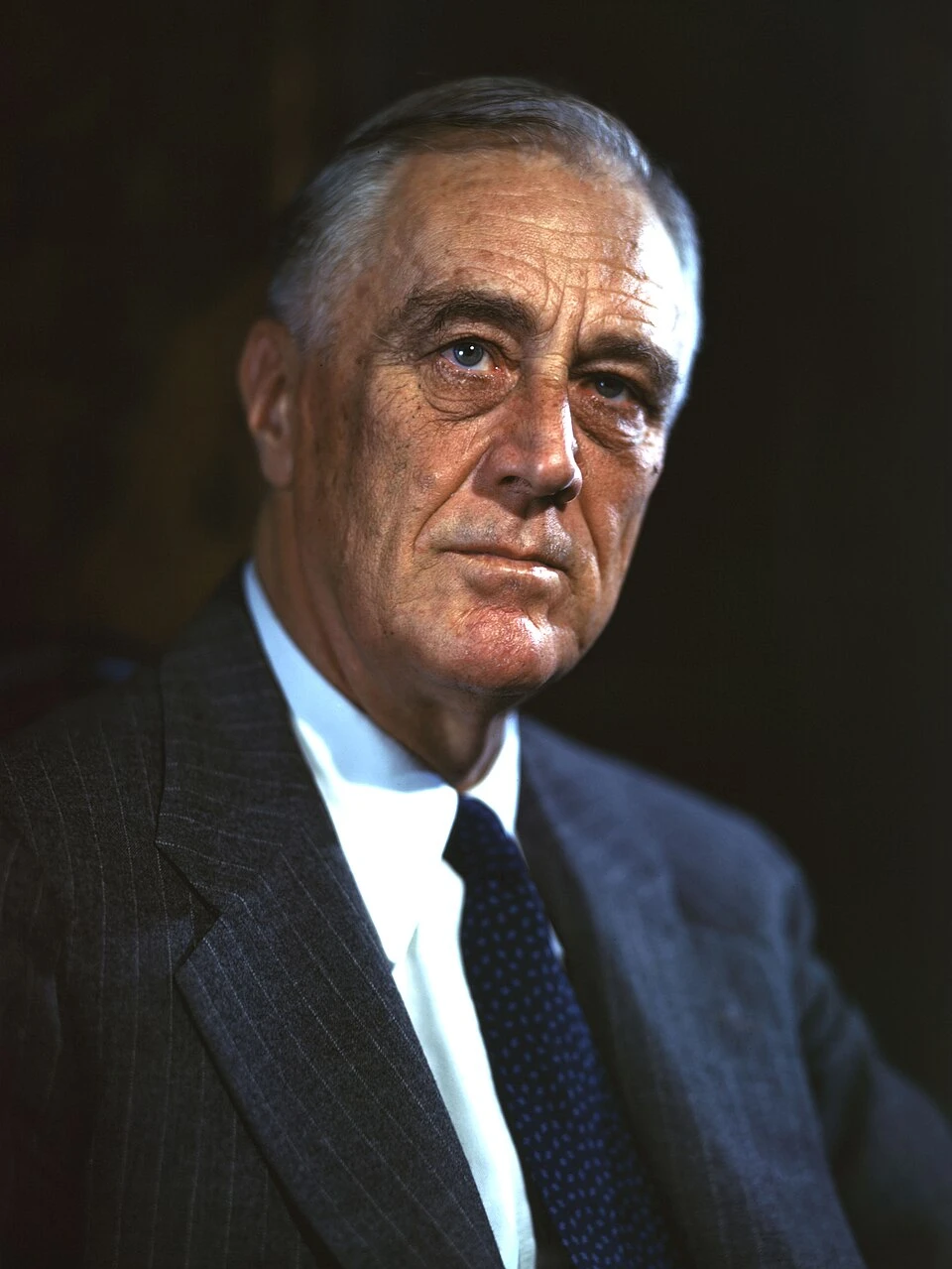
Roosevelt — revising the Neutrality Act
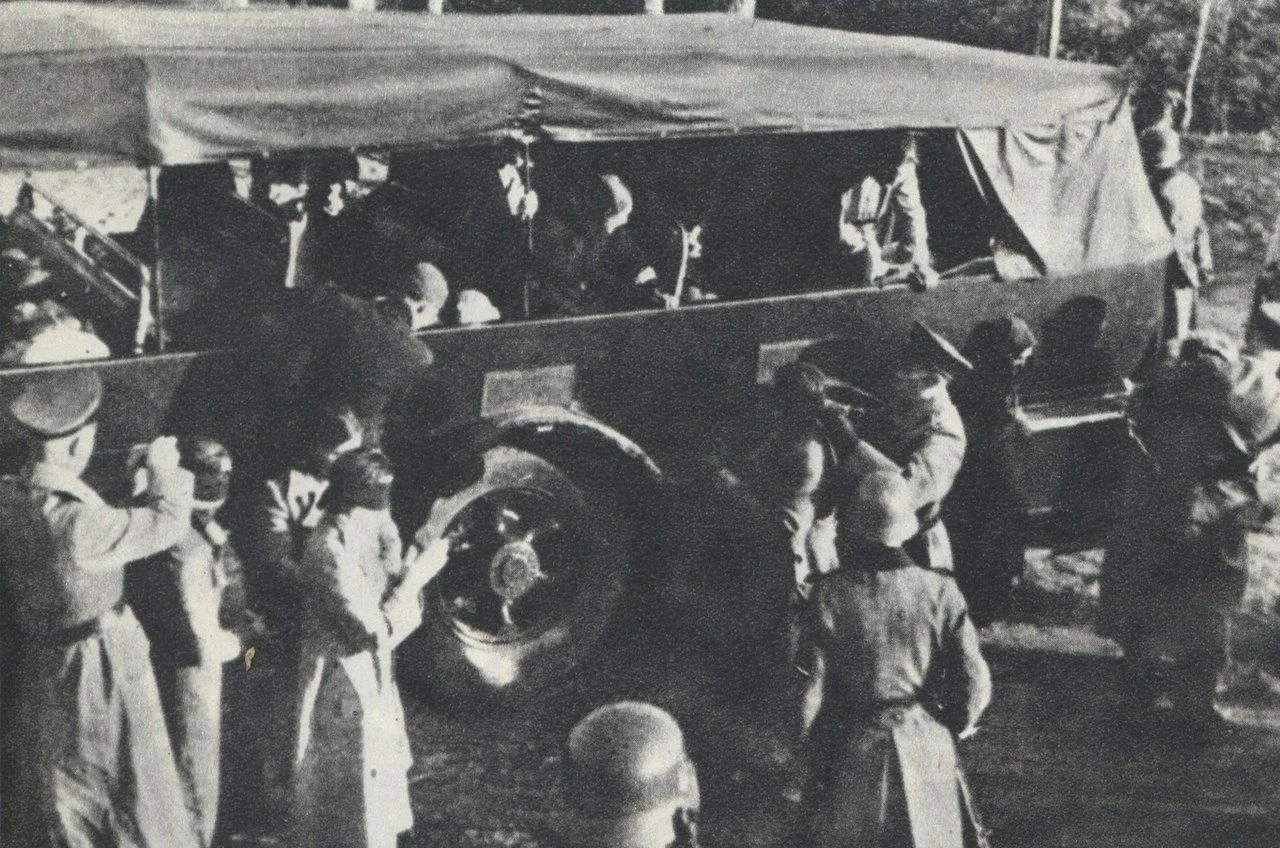
Sumner Welles — Preparing the European Mission
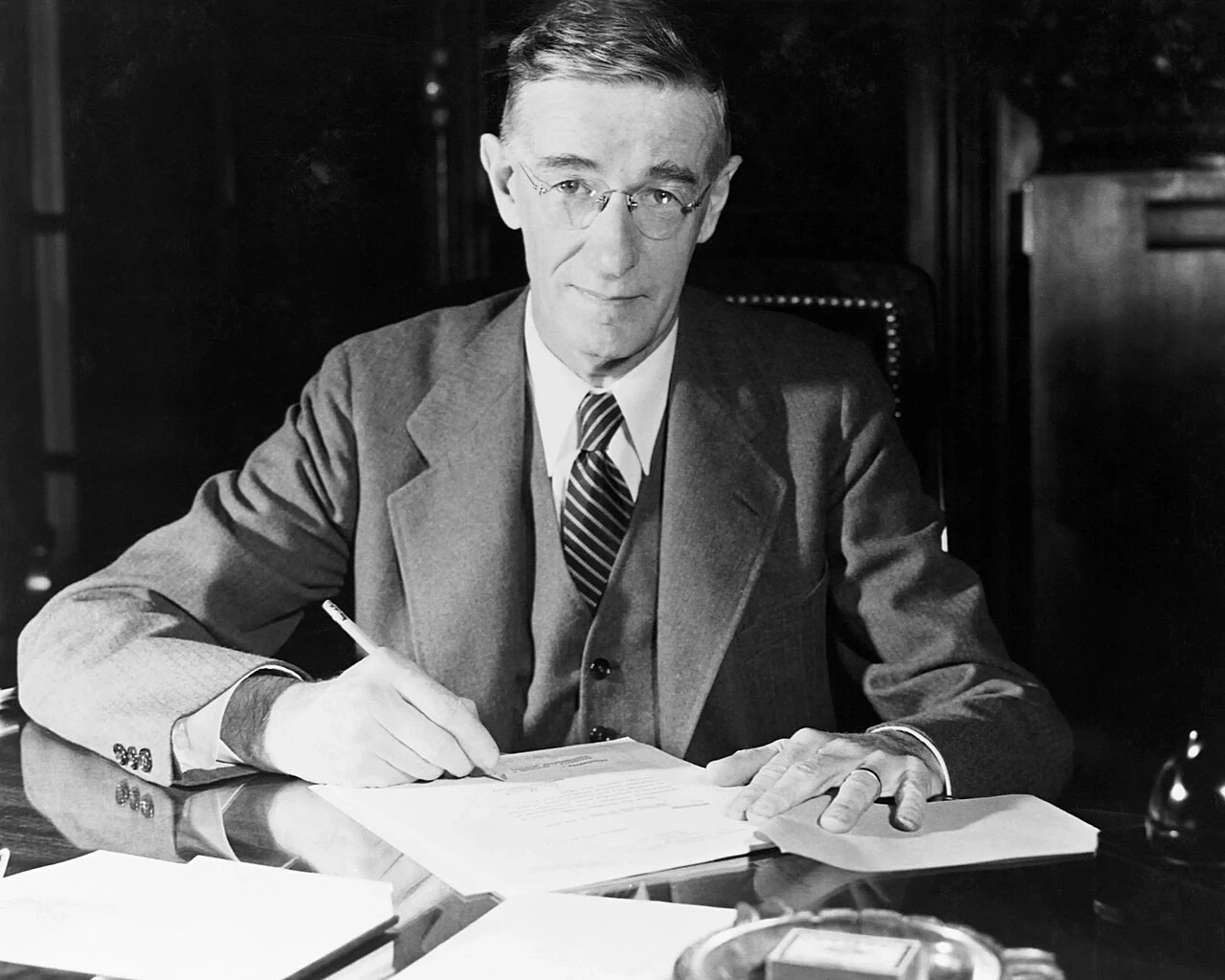
On the Eve of Pearl Harbor, a Decision in the Shadows
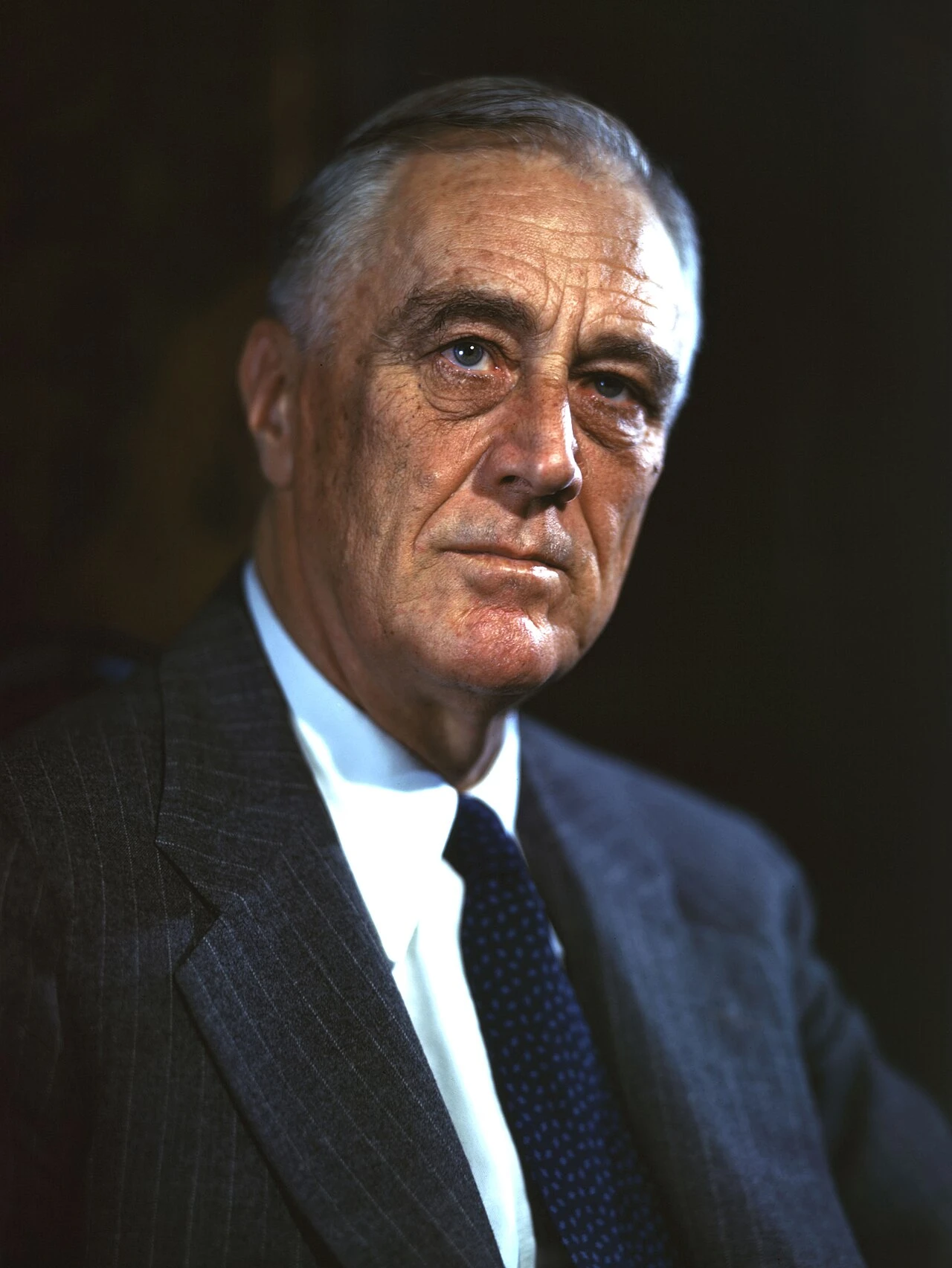
Should Stalin Be Armed?
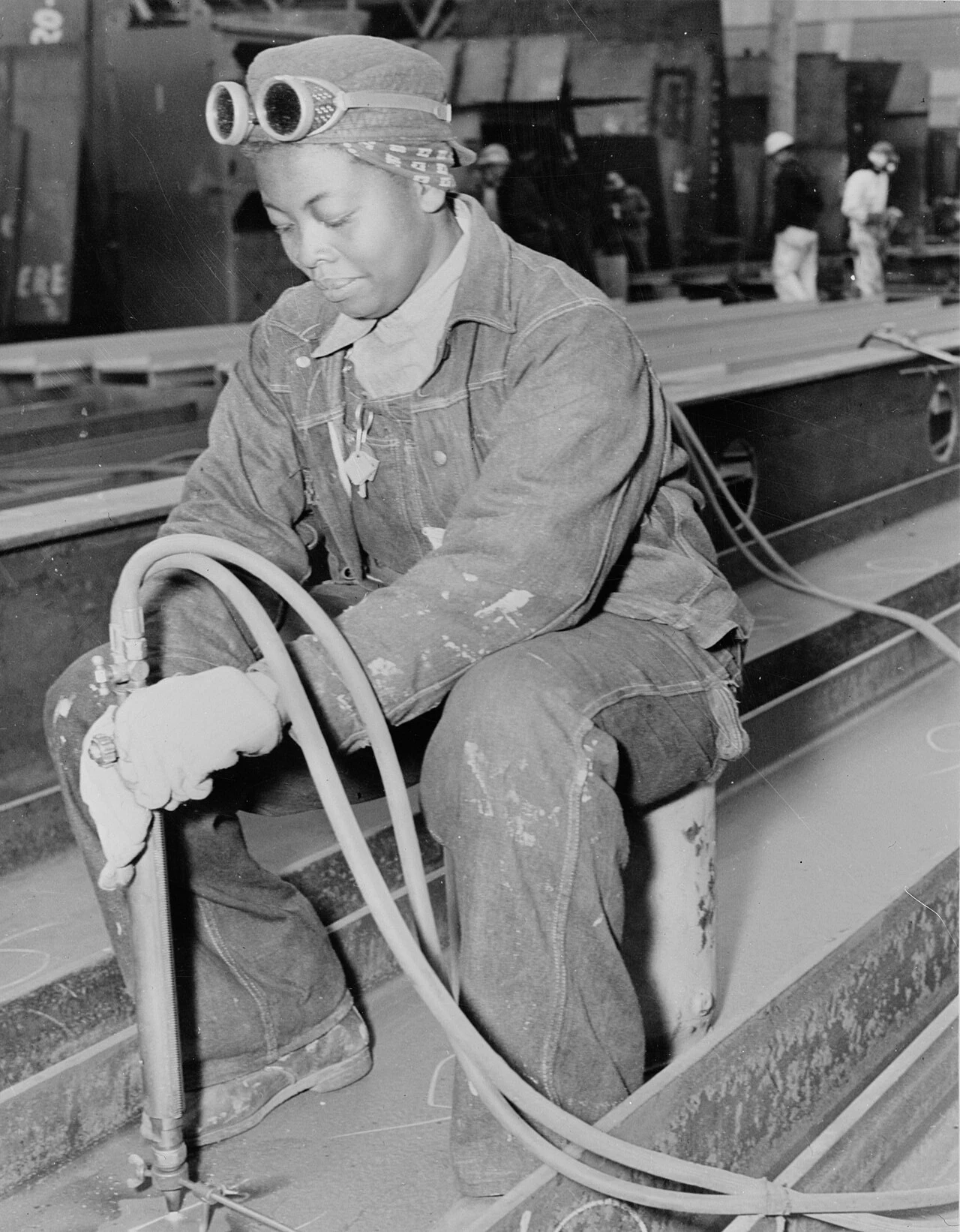
Kaiser, the Rivet and the Electric Arc
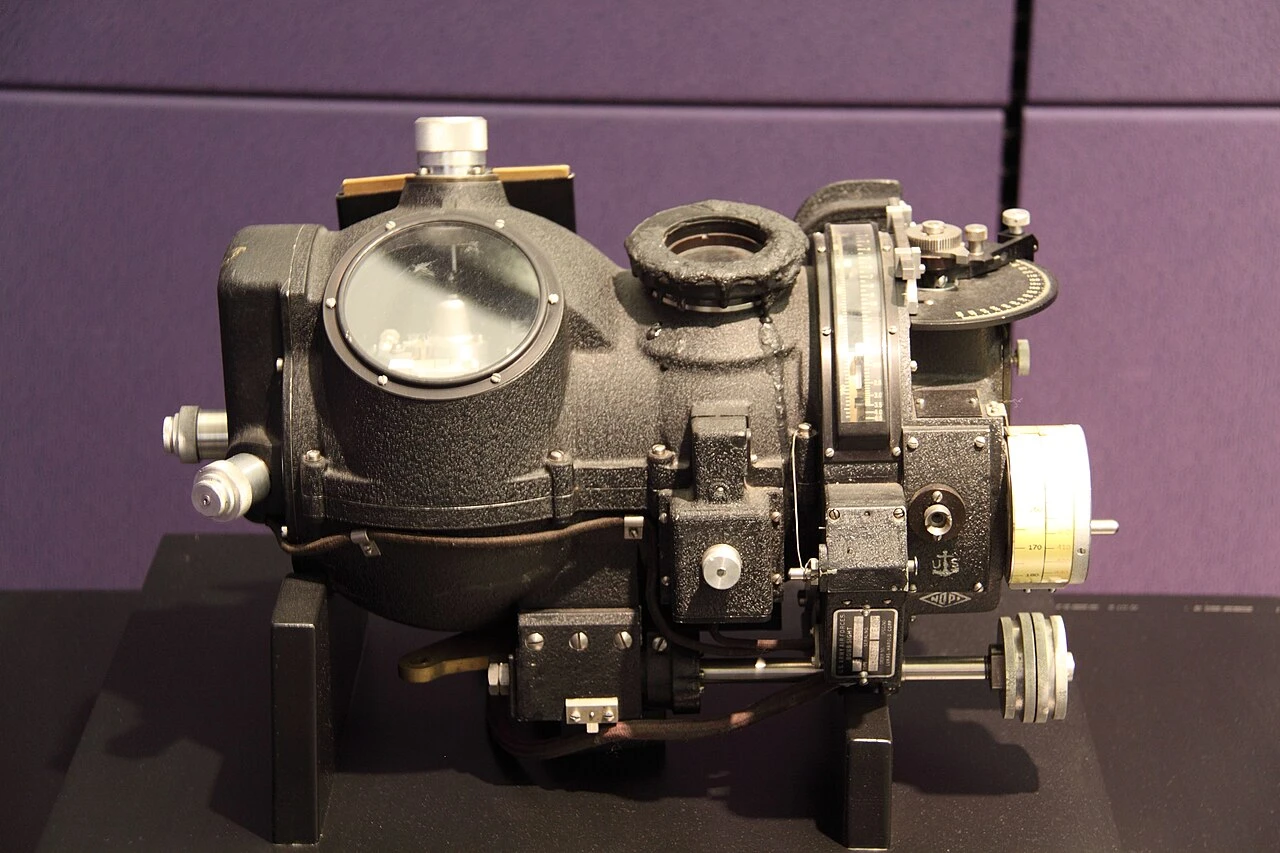
The bombardier's eye
Enigma — the Pyry conference
Charles Lindbergh — at the NBC Microphone
The Shinkolobwe Ore — a Belgian industrialist confronting the Congo's uranium
The Tczew bridge — Janik and the detonator
Roosevelt — revising the Neutrality Act
Sumner Welles — Preparing the European Mission
On the Eve of Pearl Harbor, a Decision in the Shadows
Should Stalin Be Armed?
Kaiser, the Rivet and the Electric Arc