
The Fourth Buna — Where to Site the Plant
In early 1941, natural rubber is cut off by the blockade and the three existing Buna plants (Schkopau, Hüls, Ludwigshafen) will not be enough for a war that drags on. All three lie close to the Reich's borders and are therefore judged exposed to British bombers. , head of chemical expansion, charges , the firm's in-house Buna engineer, with deciding the site of a fourth giant plant.
Several locations are on the table. The site needs coal, lime, salt and water in abundance, good rail links, and enough distance from enemy airfields. Expanding the proven sites, setting up in an occupied country far from the borders, or building from scratch in the heart of a mining region: each path commits years of construction and tens of thousands of workers.
Ambros works through the files, visits the sites and submits his recommendation to the board. Management decides in February 1941.
Where should IG Farben build its fourth Buna synthetic rubber plant?
IG Farben settled on the site at Oświęcim (Auschwitz), in Upper Silesia, and on 22 February 1941 the board approved construction of the Buna IV plant. The abandoned site at Rattwitz, near Breslau, was set aside, as was the Norwegian option evaluated by Ambros. Beyond the coal, salt, lime and water of the Vistula, out of bombers' reach, the decisive factor was forced labor: in February 1941 Krauch obtained Himmler's agreement to supply prisoners from the nearby camp. The plant, never fully operational, became the heart of the Monowitz labor camp (Auschwitz III).
Learn more about this event
Related polls
10
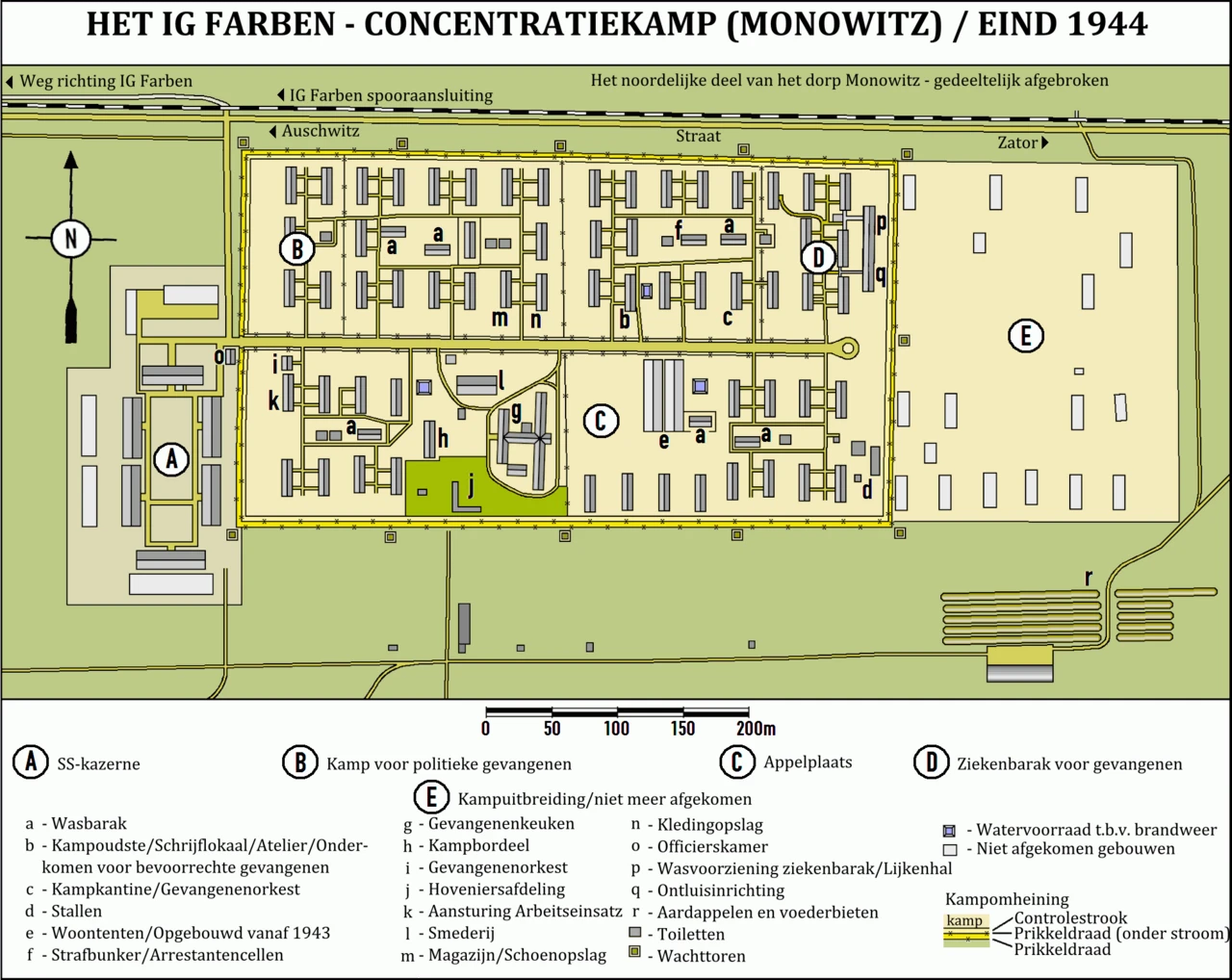
The Monowitz Construction Site
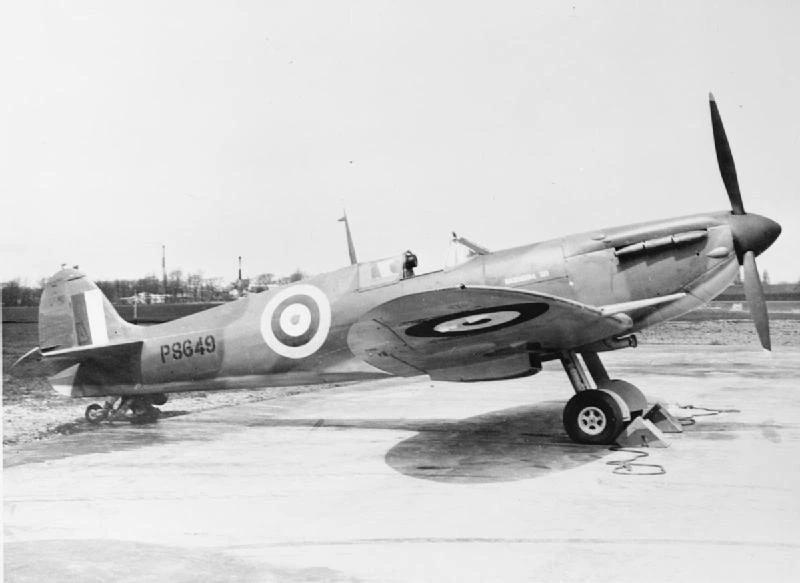
The Shadow Factories
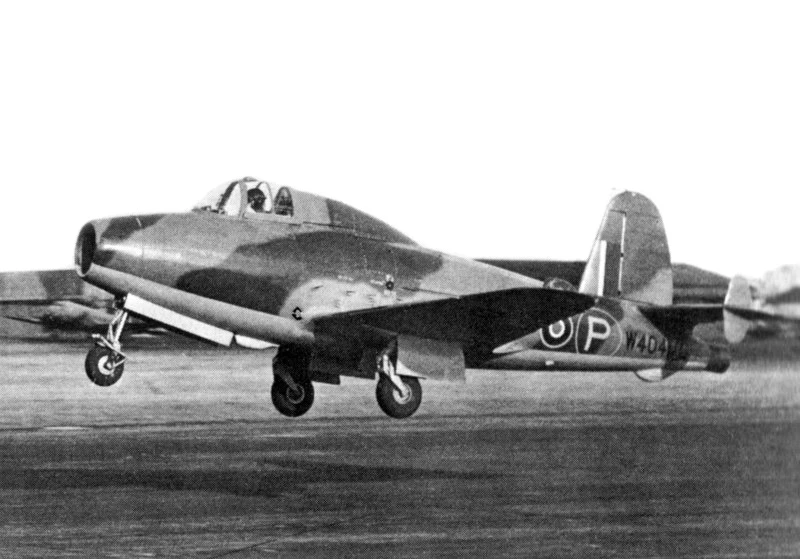
Whittle, his jet engine and the rebellious combustion chamber
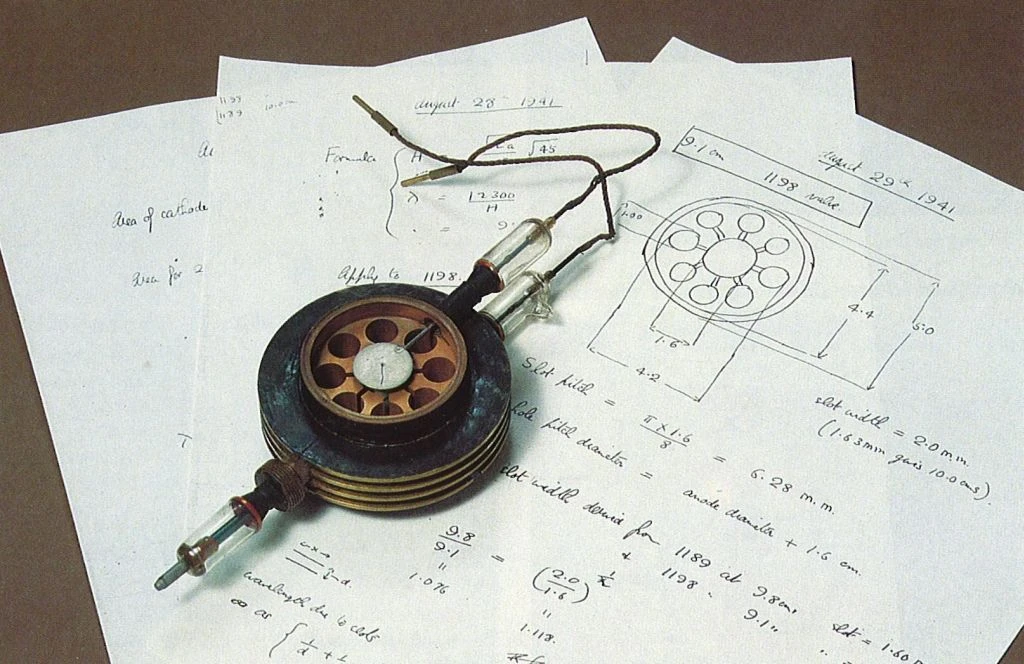
The Tizard Mission's Trunk for America
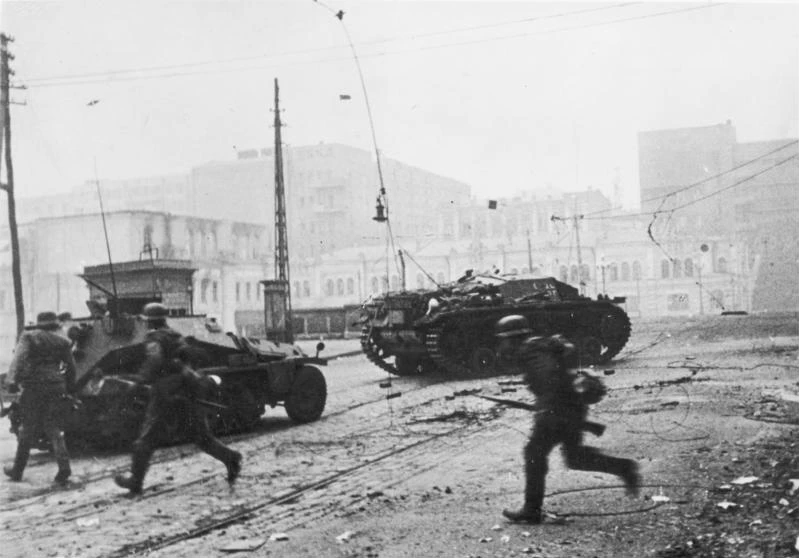
Soviet Sappers at Kharkov
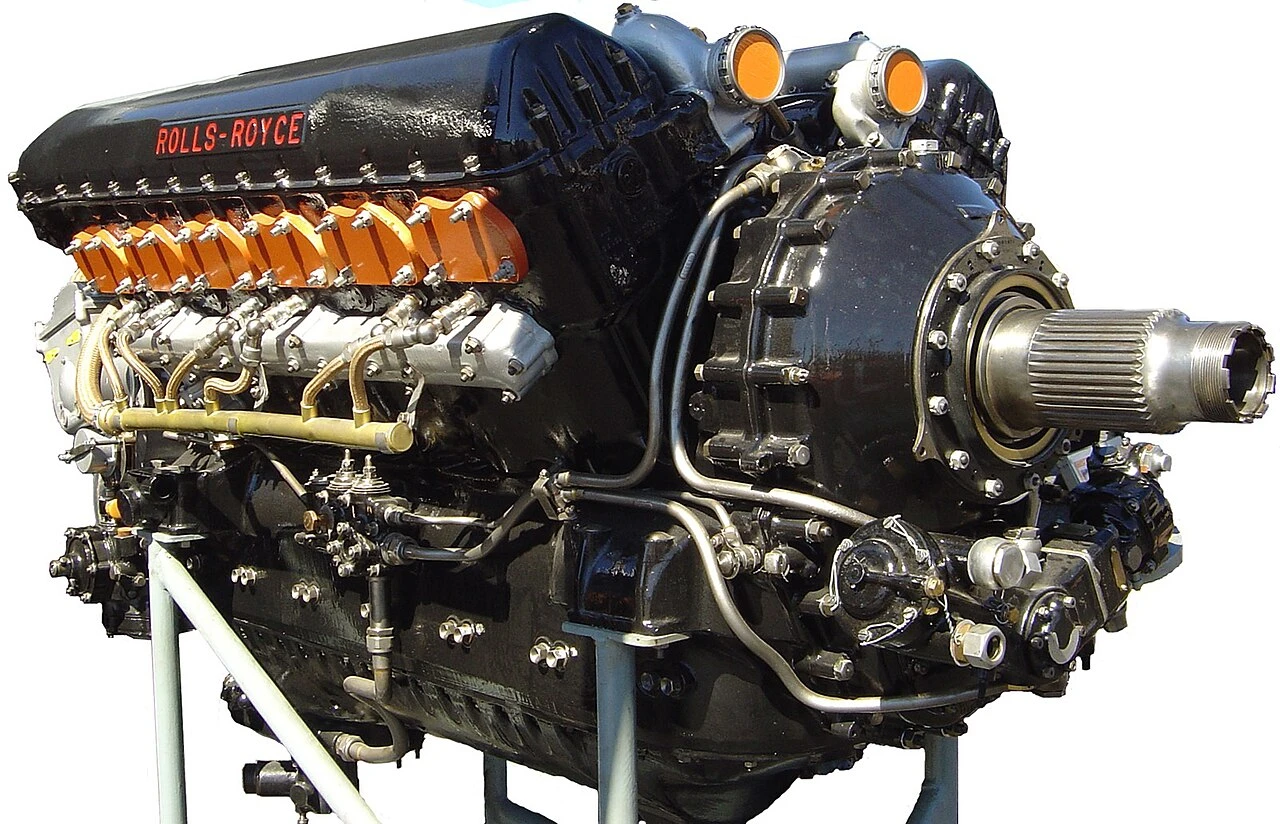
Car assembly lines for an aircraft engine
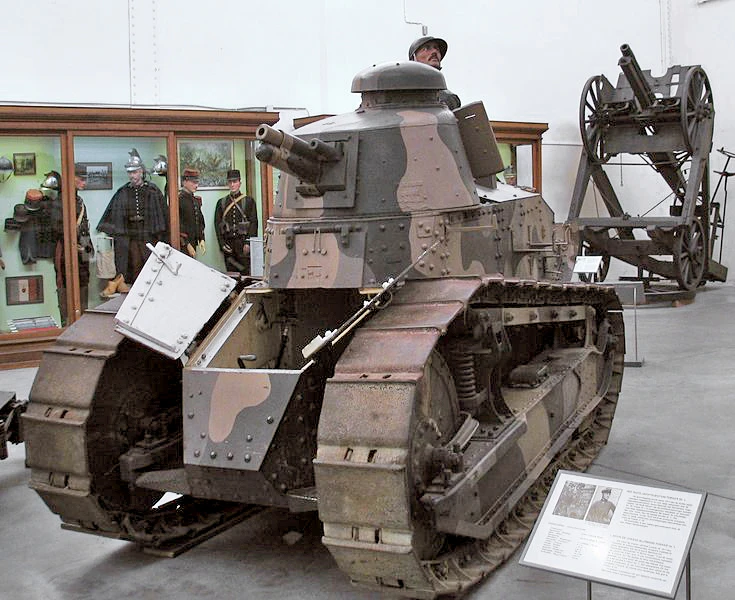
The tank of the future or the tanks of today?
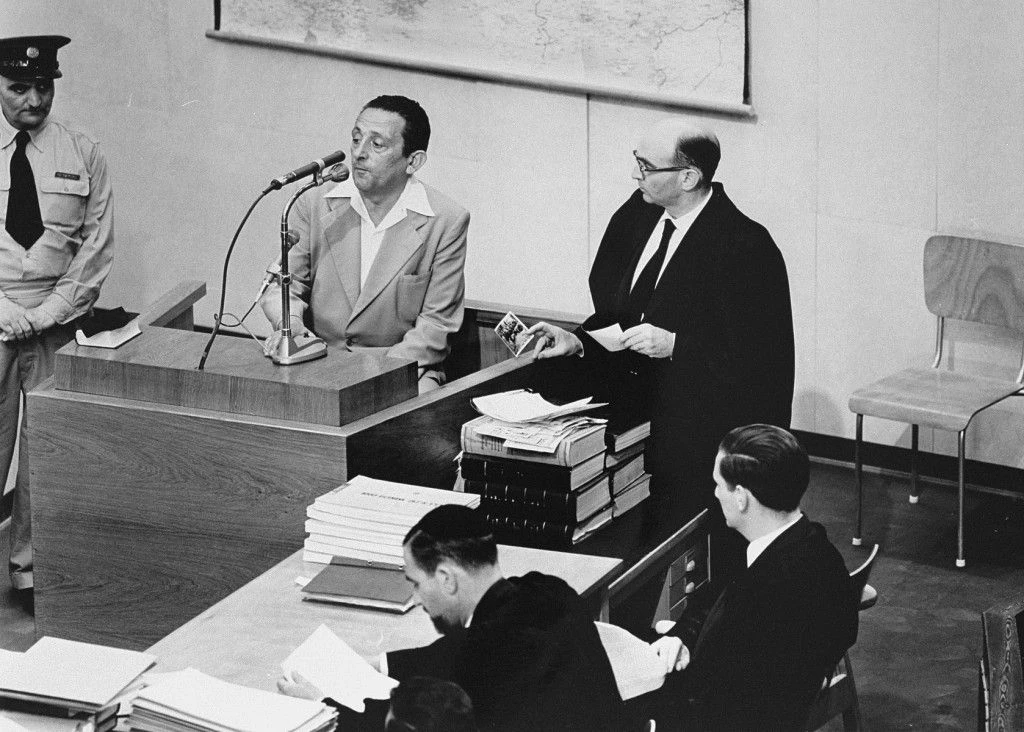
Biebow at Litzmannstadt — 8 February
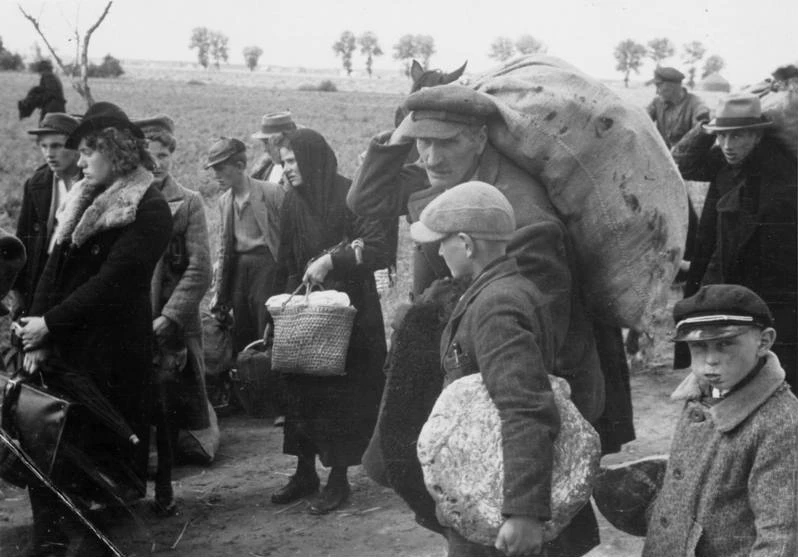
The Warsaw Student and the Black Market
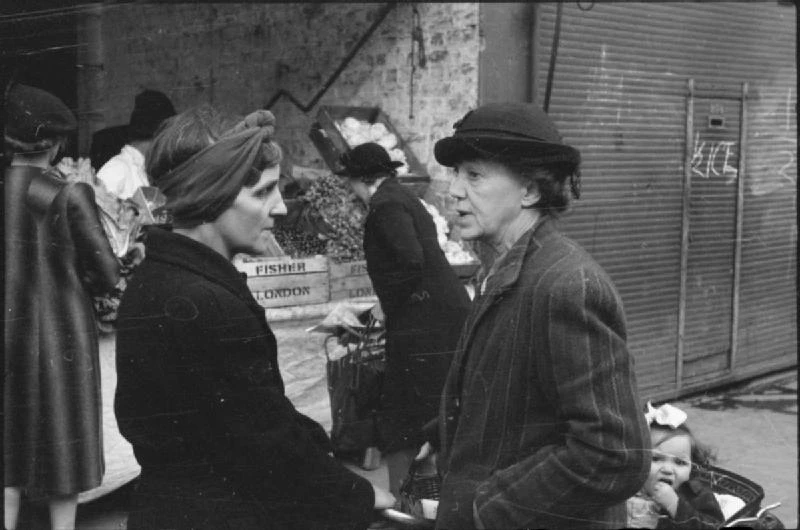
The Minister, the Fleet and the Empty Plates
The Monowitz Construction Site
The Shadow Factories
Whittle, his jet engine and the rebellious combustion chamber
The Tizard Mission's Trunk for America
Soviet Sappers at Kharkov
Car assembly lines for an aircraft engine
The tank of the future or the tanks of today?
Biebow at Litzmannstadt — 8 February
The Warsaw Student and the Black Market