
The Polish Pilots of 303 Squadron
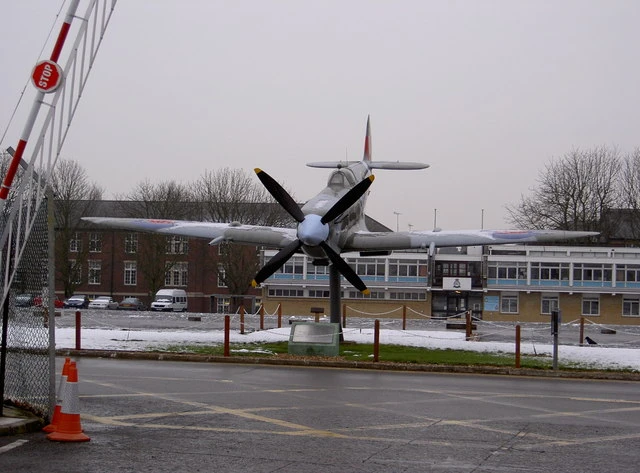
In early August 1940, the Royal Air Force counts more than 8,000 Polish air personnel on British soil — the largest foreign contingent in all of Allied aviation. These men fled Poland invaded by Germany and then the USSR, then France where many have already fought. On 2 August, at RAF Northolt, is formed, named after the national hero ; its pilots fly Hurricanes.
These airmen carry a paradoxical reputation. They are seasoned: they faced the Luftwaffe in 1939 and know real combat, something many young Britons lack. But the staff judges them undisciplined — the English-language barrier, unknown radio procedures, gunnery doctrine and formations different from those of the RAF. Above all, their country has been dismembered by Hitler and Stalin, and this 'burning desire for revenge' worries commanders concerned with tactical discipline.
The Battle of Britain enters its decisive phase and every trained pilot counts. The British command must decide what to do with these freshly formed Polish squadrons.
Do you throw these revenge-hungry Poles straight into combat, keep them in training, or hold them in reserve?
The command first applies B, before an incident tips things toward A. stays in training until 30 August: that day, during a training flight, the Pole spots enemy aircraft, breaks formation without authorisation and shoots down a German bomber. The very next day, the squadron is declared operational. In six weeks, 303 claims 126 confirmed aerial victories — the highest score of any fighter squadron in the Battle of Britain — for some of the lowest losses. Their results force the respect of an initially reluctant command. The Polish contribution (about 145 pilots for 5% of fighter strength at the height of the battle) will become one of the symbols of the Allied effort; will enter the legend of the RAF.
Learn more about this event
Related polls
10
The Uxbridge plotter
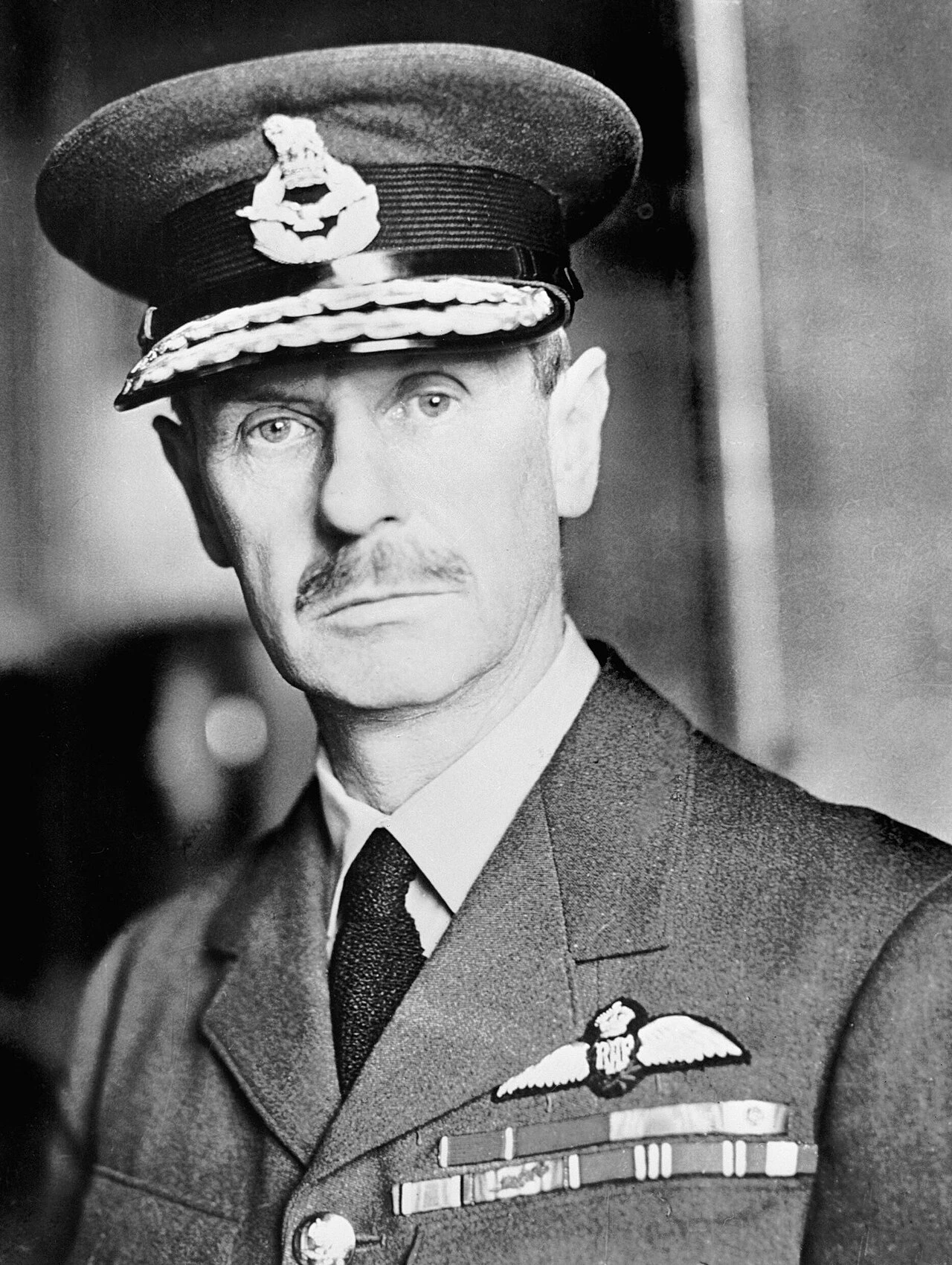
Dowding and the Last Reserves — 15 September 1940
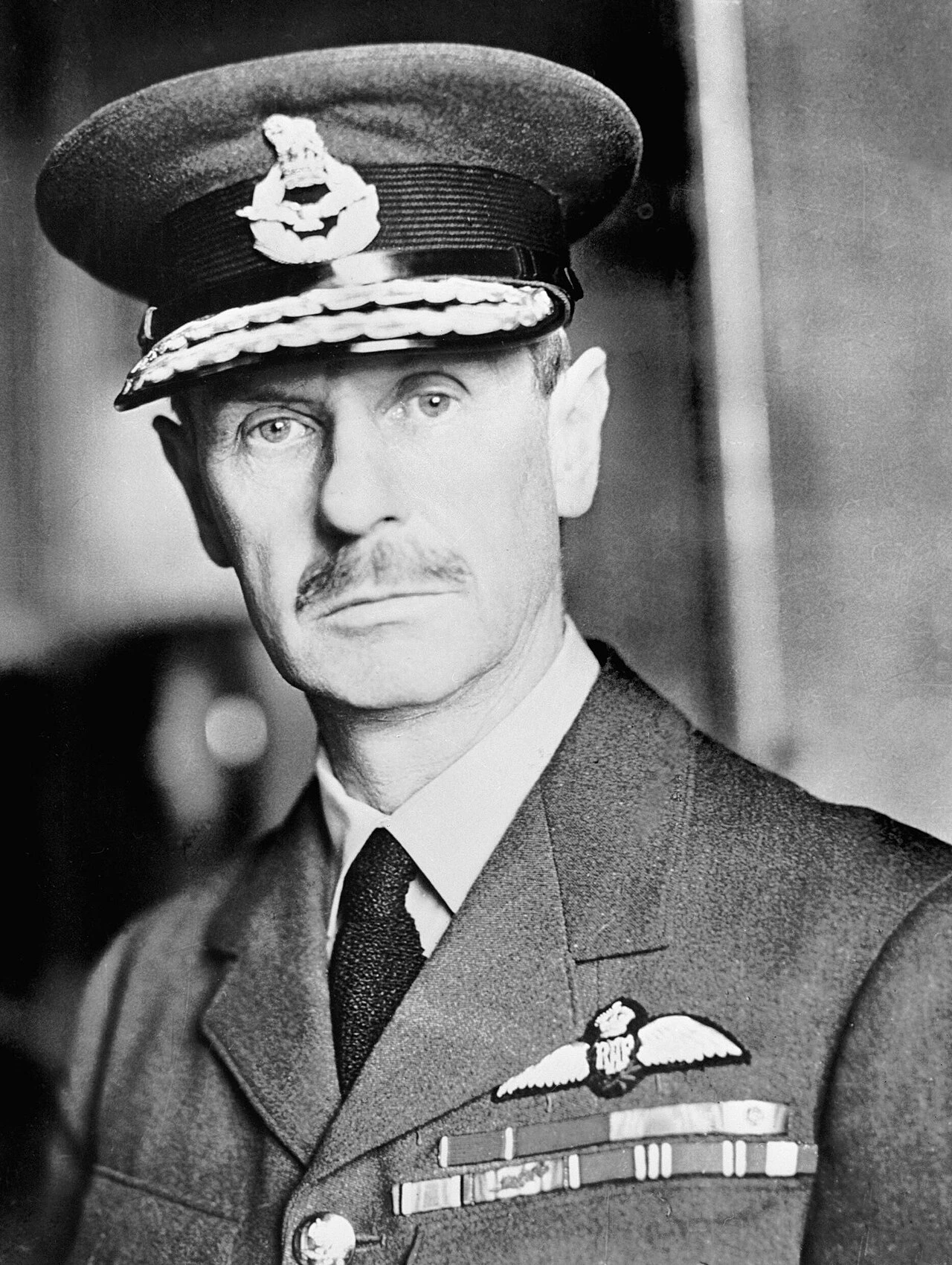
Dowding — Keep the Fighters?
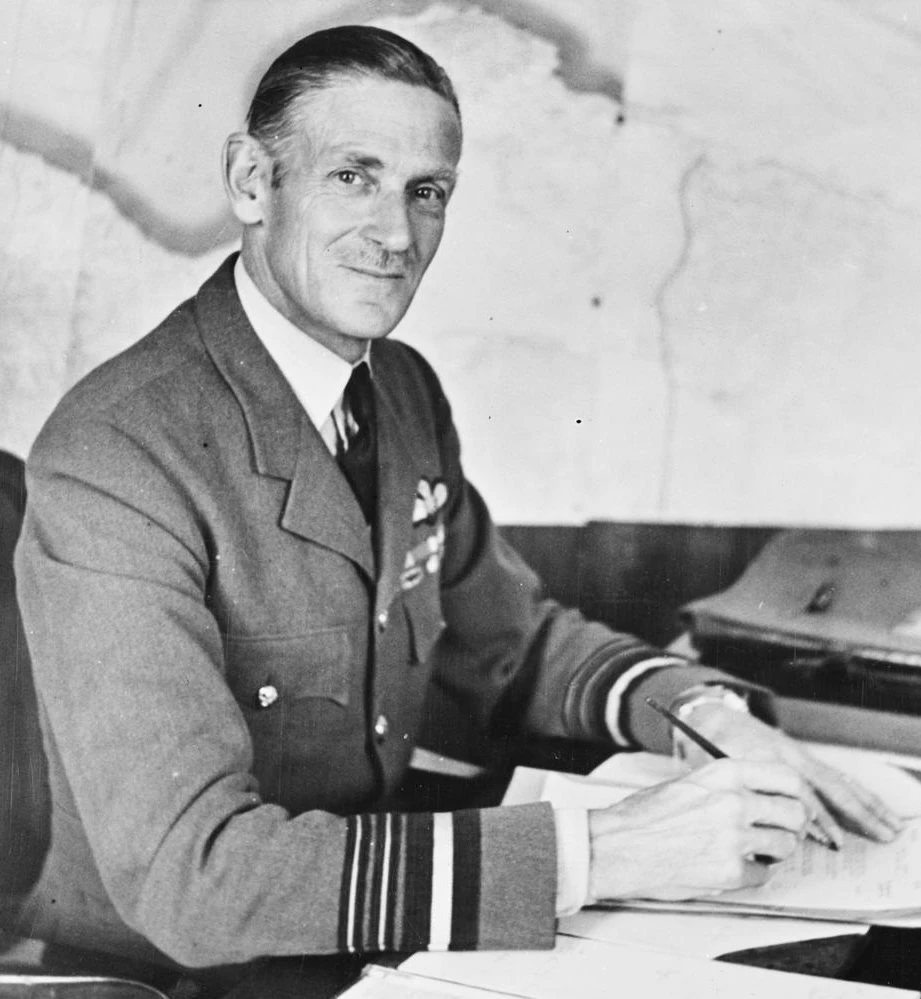
Keith Park at Uxbridge — September 15
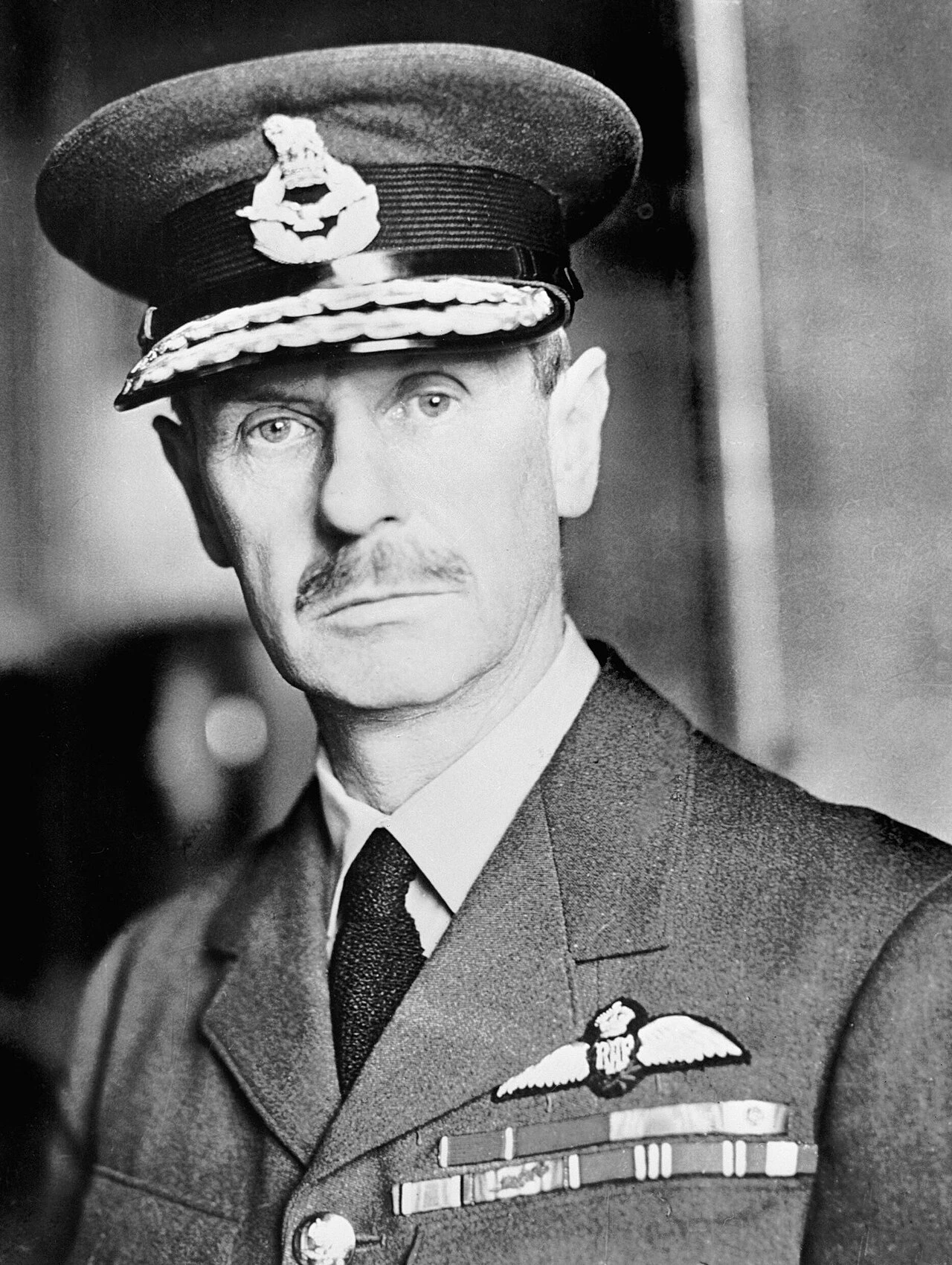
Chain Home — the Invisible Wall
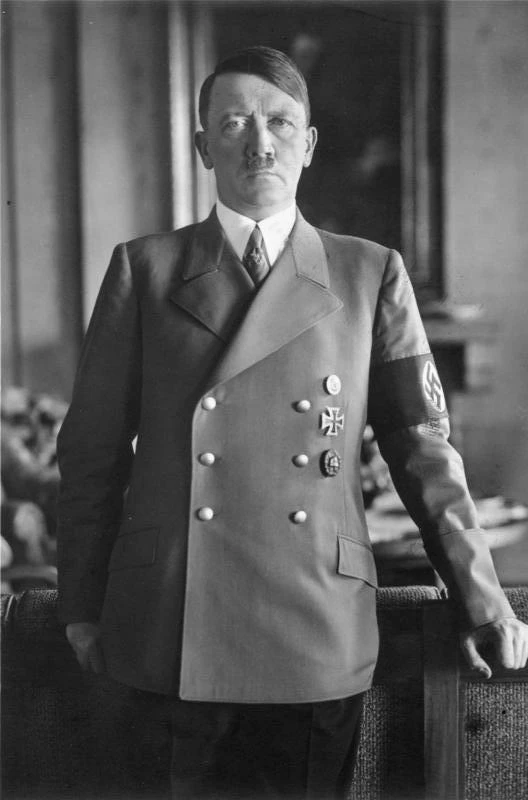
Coventry — the night of November 14
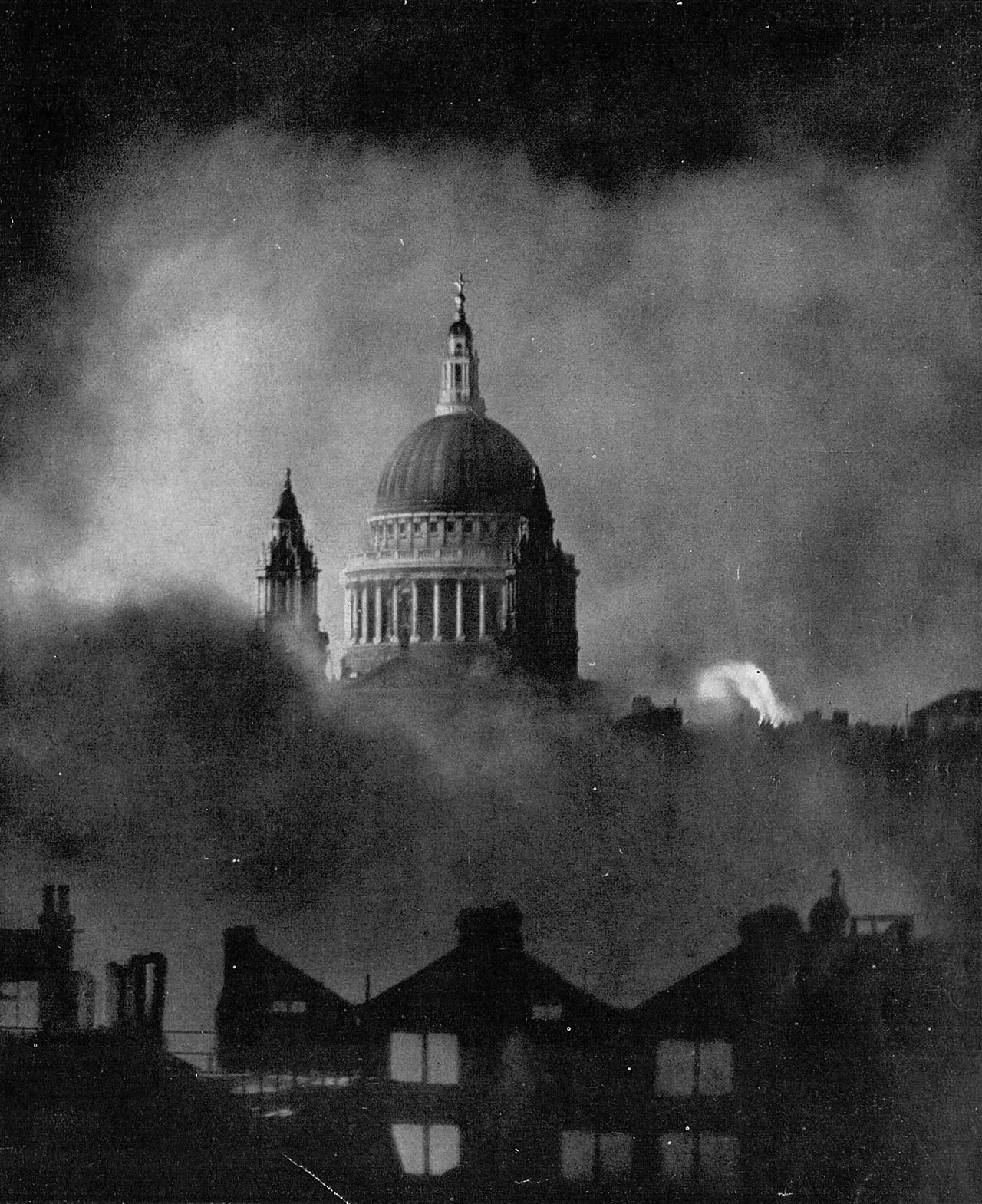
The Second Great Fire of London

The Belgian air force on the ground
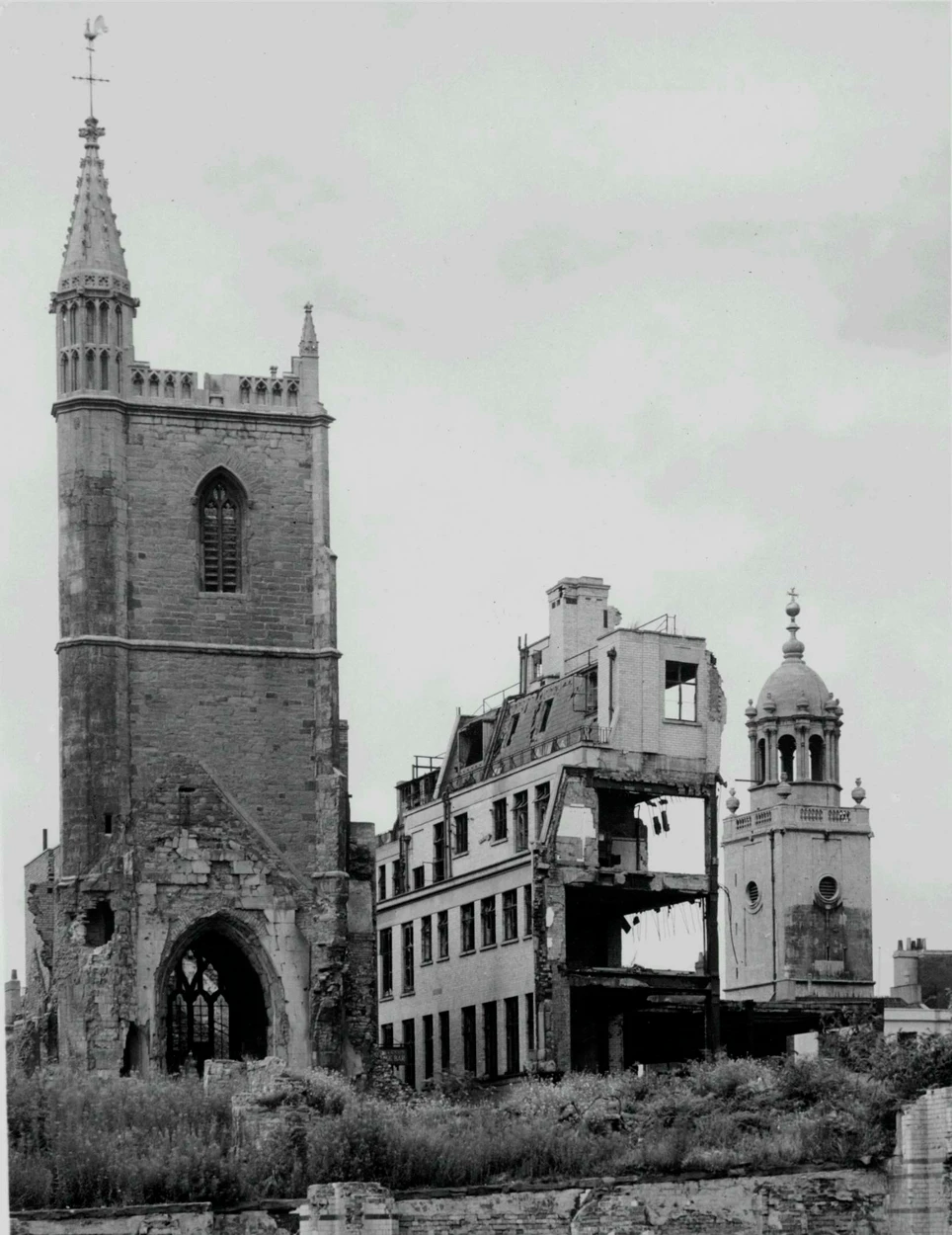
The last great night of the Blitz
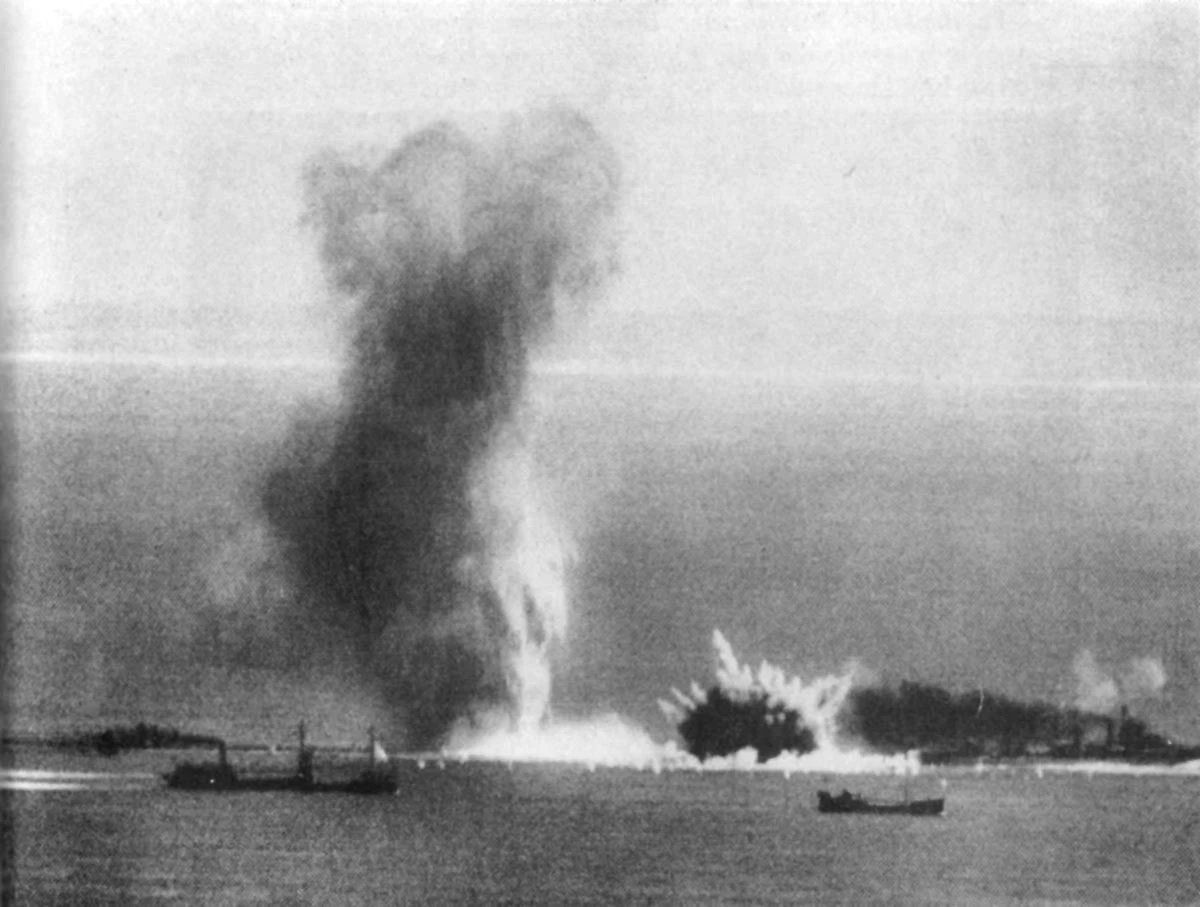
The Kanalkampf — withdraw the destroyers?
The Uxbridge plotter
Dowding and the Last Reserves — 15 September 1940
Dowding — Keep the Fighters?
Keith Park at Uxbridge — September 15
Chain Home — the Invisible Wall
Coventry — the night of November 14
The Second Great Fire of London
The Belgian air force on the ground
The last great night of the Blitz