
Hans Frank — the taking of the Wawel
, 39, is a jurist by training, a member of the Nazi Party since 1923 (Beer Hall Putsch). Hitler's personal lawyer in the 1920s, president of the Akademie für Deutsches Recht since 1933, Reich Minister without portfolio in charge of Nazi jurisprudence. On 25 October 1939 Hitler appoints him Generalgouverneur of the occupied Polish territories not annexed to the Reich — the decree is promulgated on 26 October.
Hitler's chosen partition of Poland divides the country into several pieces. A vast zone is annexed to the Reich — the Reichsgau Danzig-Westpreußen entrusted to , the Reichsgau Wartheland entrusted to , plus the districts of Upper Silesia, Suwałki and Ciechanów — some 92,000 km² and 10 million inhabitants. Frank inherits the Generalgouvernement (GG), a territory of about 95,000 km² peopled by some 12 million souls, with its capital at Cracow, in the royal Wawel Castle. Further east, finally, stretch the territories handed to Moscow by the treaty of 28 September.
From Hitler, Frank receives oral instructions on the fate to be reserved for the Polish population and its elites. In his first weeks in office he must fix the line he will make public: he can present a façade of moderation to secure the tacit cooperation of the remaining elites, organise from the outset a racial policy of segregation, or set out without disguise a policy of coercion and exploitation. Which course to announce?
What policy should he announce in the first weeks of his tenure?
Frank chooses B and C at the same time. Hitler's oral instruction, recorded in Frank's diary, is unequivocal: "Make of Poland a people of helots, without intelligentsia, without a national Church, without an autonomous culture." As early as 4 November 1939 he summons the rector of the Jagiellonian University in Cracow: 184 professors are arrested on 6 November in the Sonderaktion Krakau and deported to Sachsenhausen. On 30 October, the first decrees: general curfew, compulsory labour for all Poles aged 14 to 60, confiscation of Jewish businesses, the wearing of a star armband for Jews over the age of 12 (decree of 23 November). The AB Aktion (May-July 1940) would see the execution of 7,000 Polish intellectuals. From October 1941 onward, the GG would host the extermination camps of Bełżec, Sobibor, Treblinka and Majdanek. Frank kept a diary of 11,800 pages — the central piece of evidence at the Nuremberg trial, where he was tried, sentenced to death and hanged on 16 October 1946. Before his execution he converted to Catholicism and drafted partial confessions — without ever asking forgiveness directly of his victims.
Learn more about this event
Related polls
10
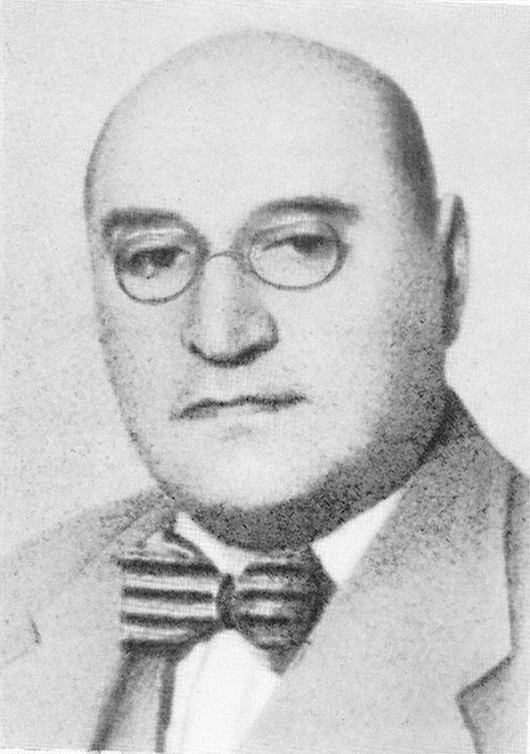
Czerniaków — the offer of the Judenrat
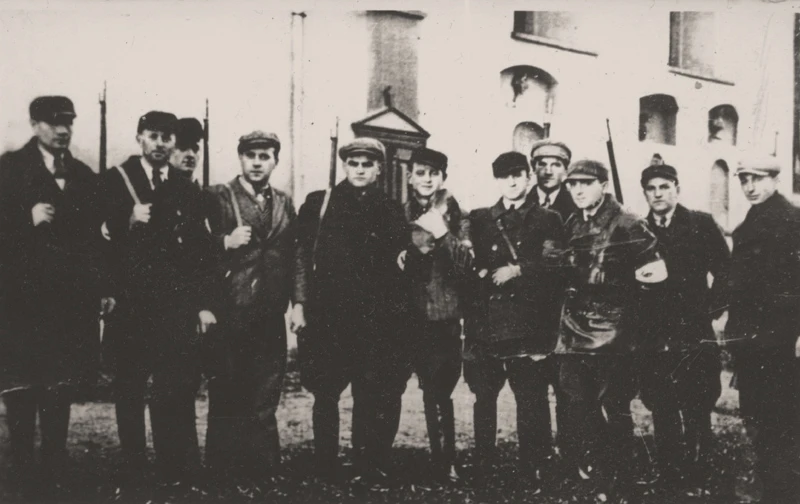
The Volksdeutsche Conscripted into the Selbstschutz
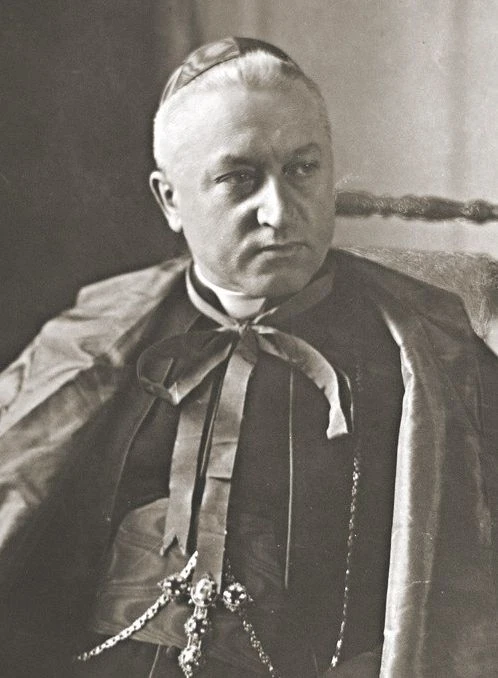
Cardinal Hlond — the Vatican's instruction
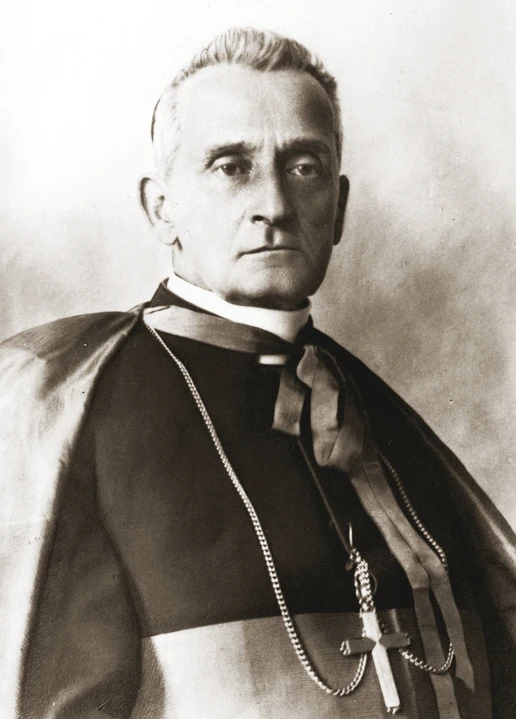
Cardinal Sapieha — Krakow under Occupation
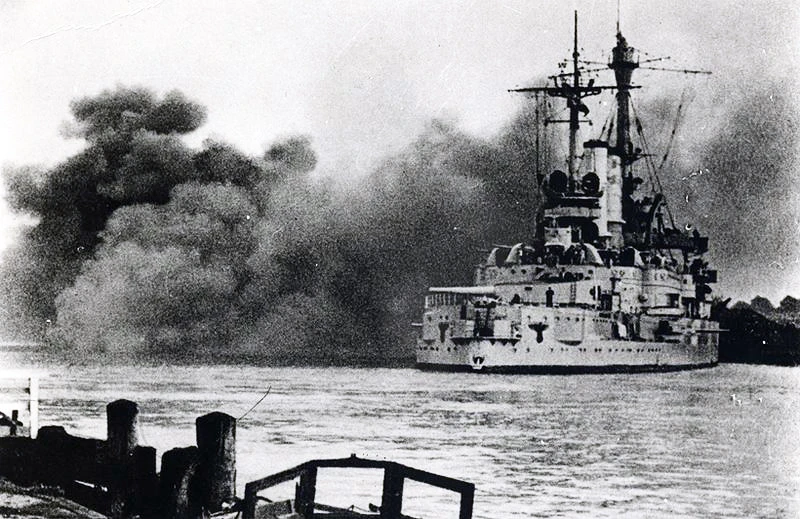
Danzig, September 1939 — the policeman of the Free City
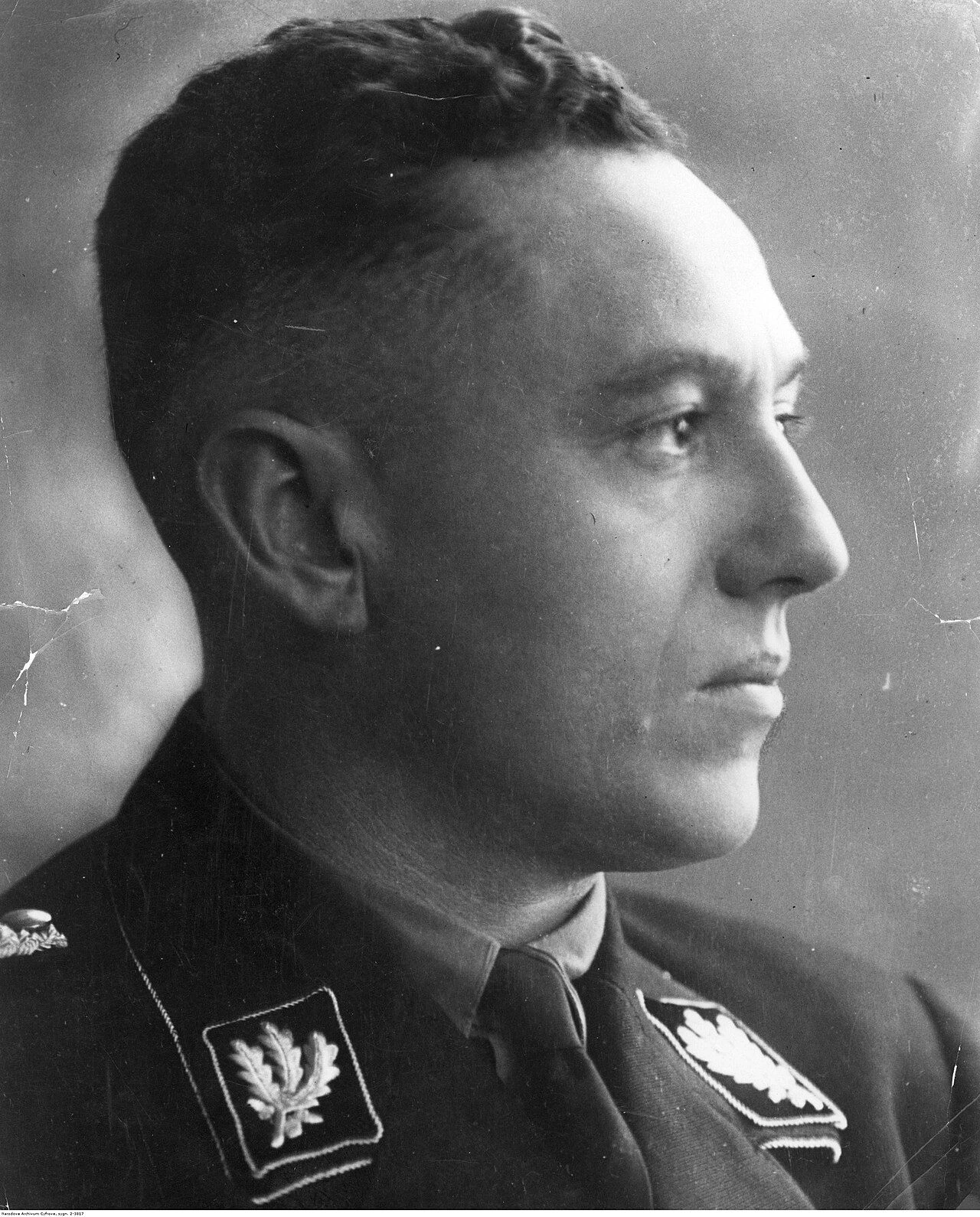
Forster — Kashubians and Kociewiacy
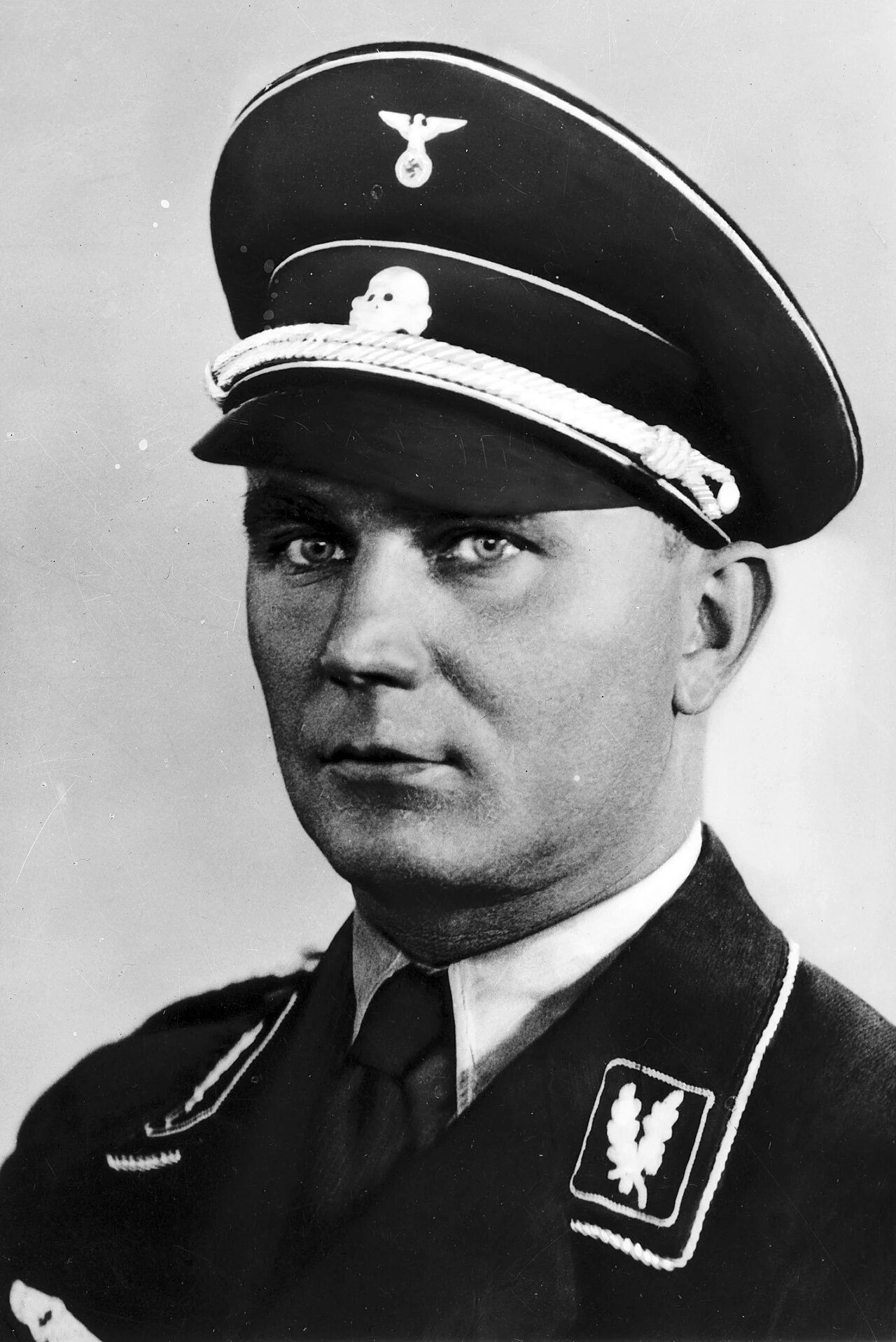
Greiser — the Priority of the Wartheland
The University of Warsaw under the Bombs
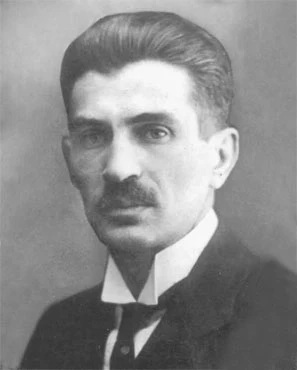
Maciej Rataj — Filtrowa Street, 28 November
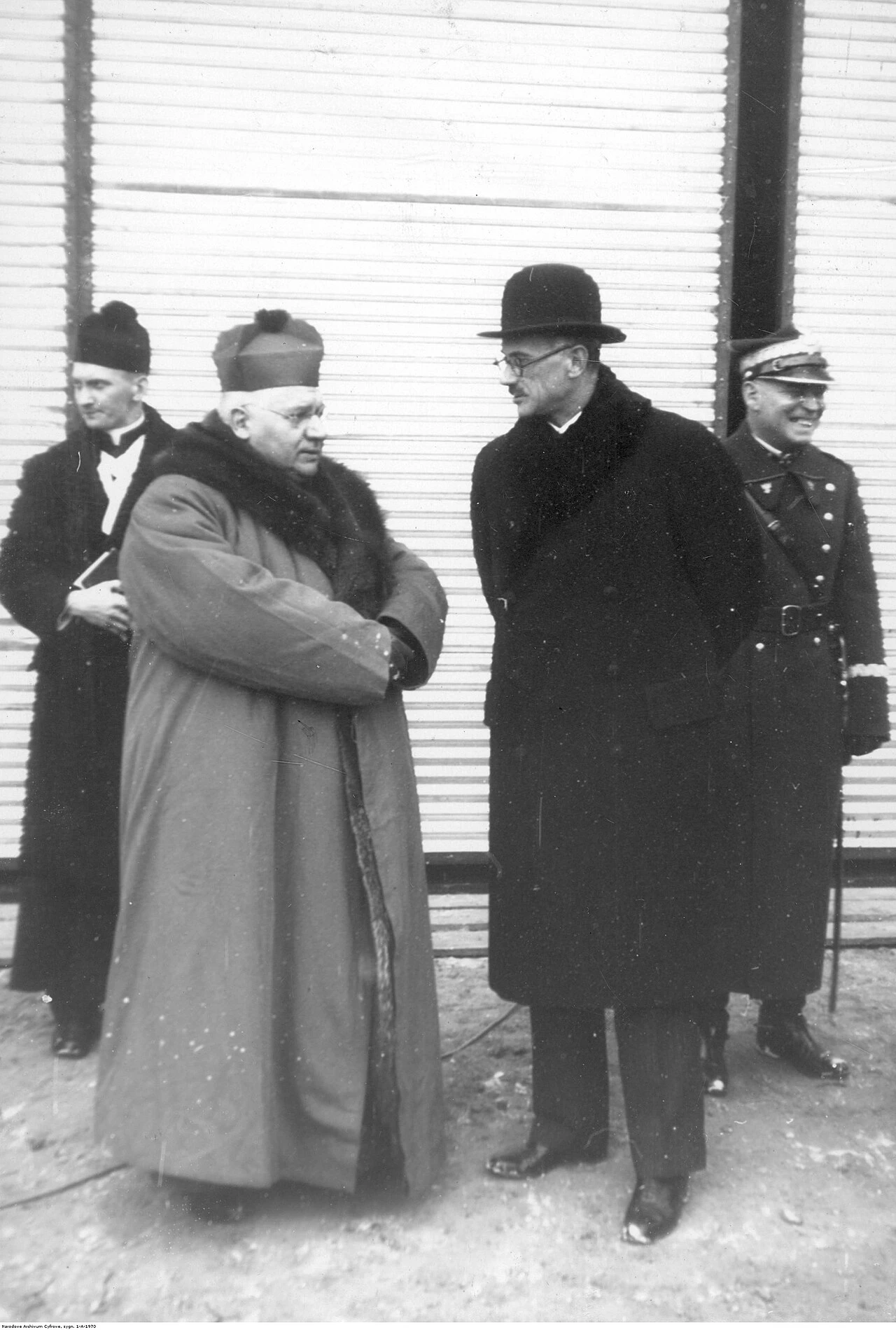
Bishop Adamski in annexed Katowice
Czerniaków — the offer of the Judenrat
The Volksdeutsche Conscripted into the Selbstschutz
Cardinal Hlond — the Vatican's instruction
Cardinal Sapieha — Krakow under Occupation
Danzig, September 1939 — the policeman of the Free City
Forster — Kashubians and Kociewiacy
Greiser — the Priority of the Wartheland
The University of Warsaw under the Bombs
Maciej Rataj — Filtrowa Street, 28 November