
Japan and the Southern Resource Zone
In July–August 1941, after the Japanese occupation of southern French Indochina, the United States, the United Kingdom and the Dutch government in exile freeze Japanese assets and decree an embargo that cuts Japan off from its strategic supplies — first and foremost oil, of which the archipelago imported about 80% from the United States. Rubber falls under the same dependence: nearly 90% comes from British Malaya and the Dutch East Indies.
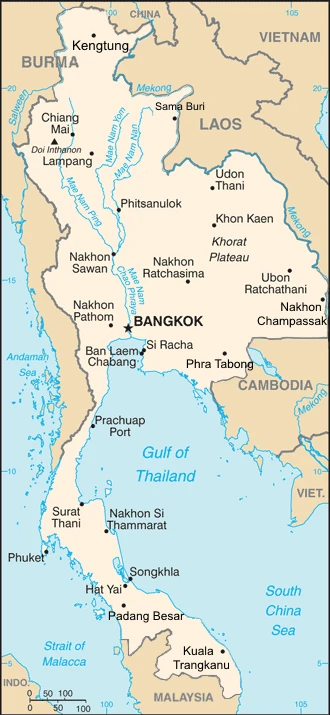
The decision plays out in imperial and liaison conferences. On 2 July 1941, the Imperial Conference endorses the "advance to the south" even at the risk of war. On 6 September, a new conference sets a deadline: if diplomacy fails to secure the lifting of the embargo by the end of autumn, Japan will prepare for war. The diplomatic path implied a substantial withdrawal from China — a condition set by Washington (the Hull note), judged unacceptable by the army. The military option targeted the "Southern Resource Zone" (Nanpō): oil from Sumatra and Borneo, tin and rubber from Malaya. Freezing its ambitions amounted to letting the oil stocks melt away.
The question put to the imperial government is therefore clear-cut: yield in order to lift the embargo, seize the resources by force, or give up.
Deprived of its strategic imports by the Allied embargo, should Japan negotiate a withdrawal from China to lift the embargo, conquer the "Southern Resource Zone", or freeze its ambitions?
Japan chose to seize the southern sources of raw materials by force. After Pearl Harbor (7 December 1941), the offensive overran Malaya and Singapore (which fell on 15 February 1942) and then the Dutch East Indies, whose surrender was signed in March 1942, yielding oil, tin and natural rubber. The strategic calculation, however, ran up against the American submarine war, which progressively strangled the maritime supply lines: the conquered resources could never be fully brought back to the archipelago. The episode illustrates how dependence on raw materials precipitated Japan's entry into the war.
Learn more about this event
Related polls
10
Japan enters southern Indochina
Schnurre in Moscow — the Commercial Agreement
Japan Disoriented
Tokyo — Japan and the Tripartite Pact
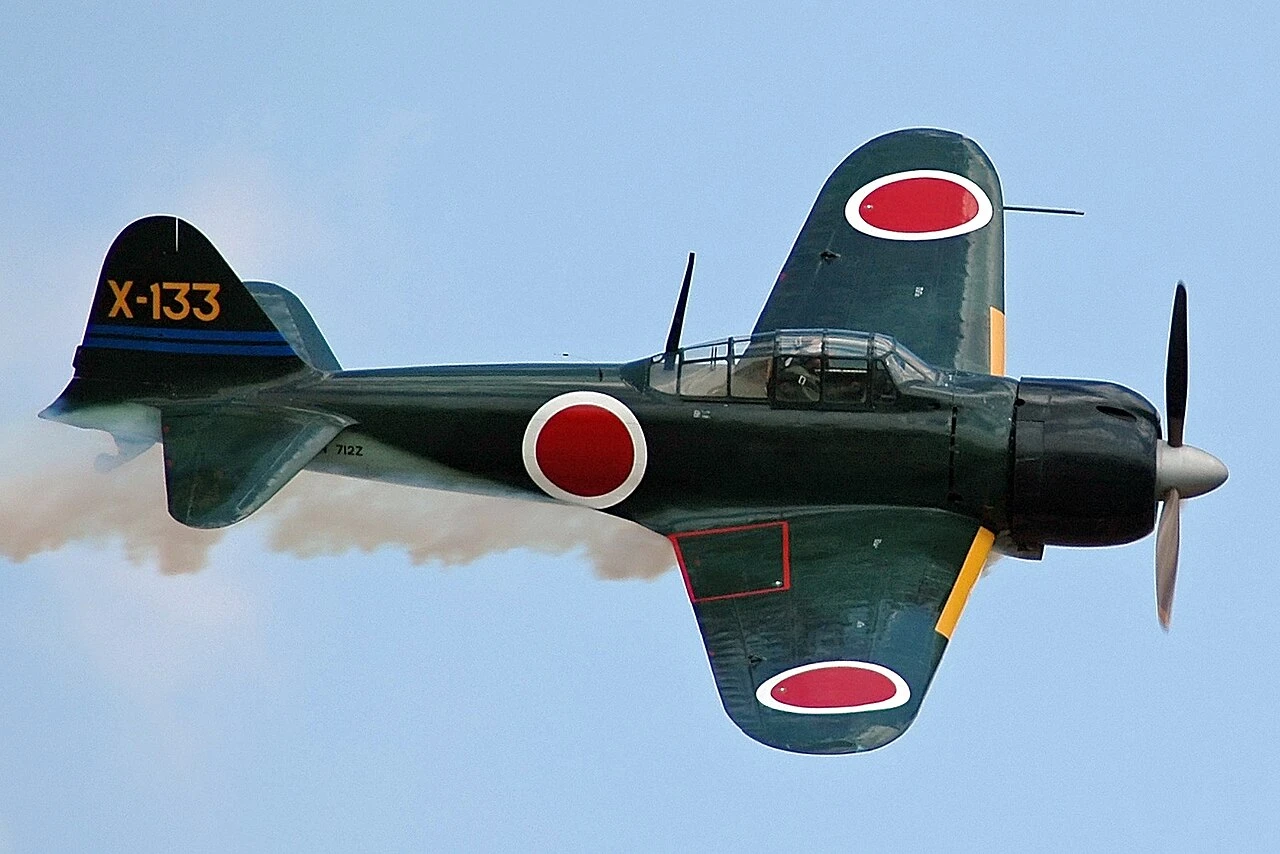
Northward or southward
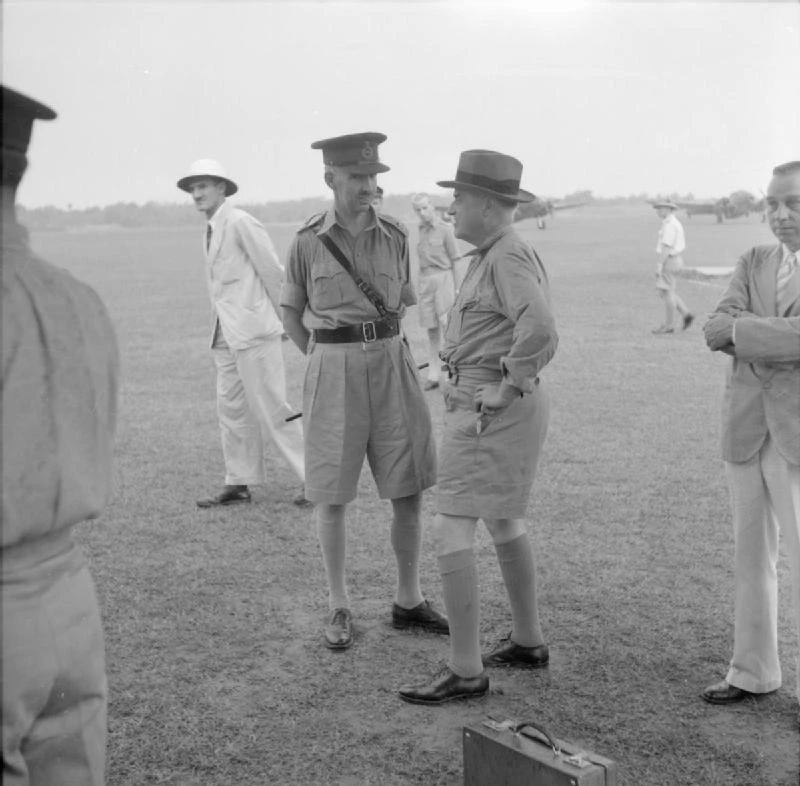
Harriman in Moscow, Face to Face with Stalin
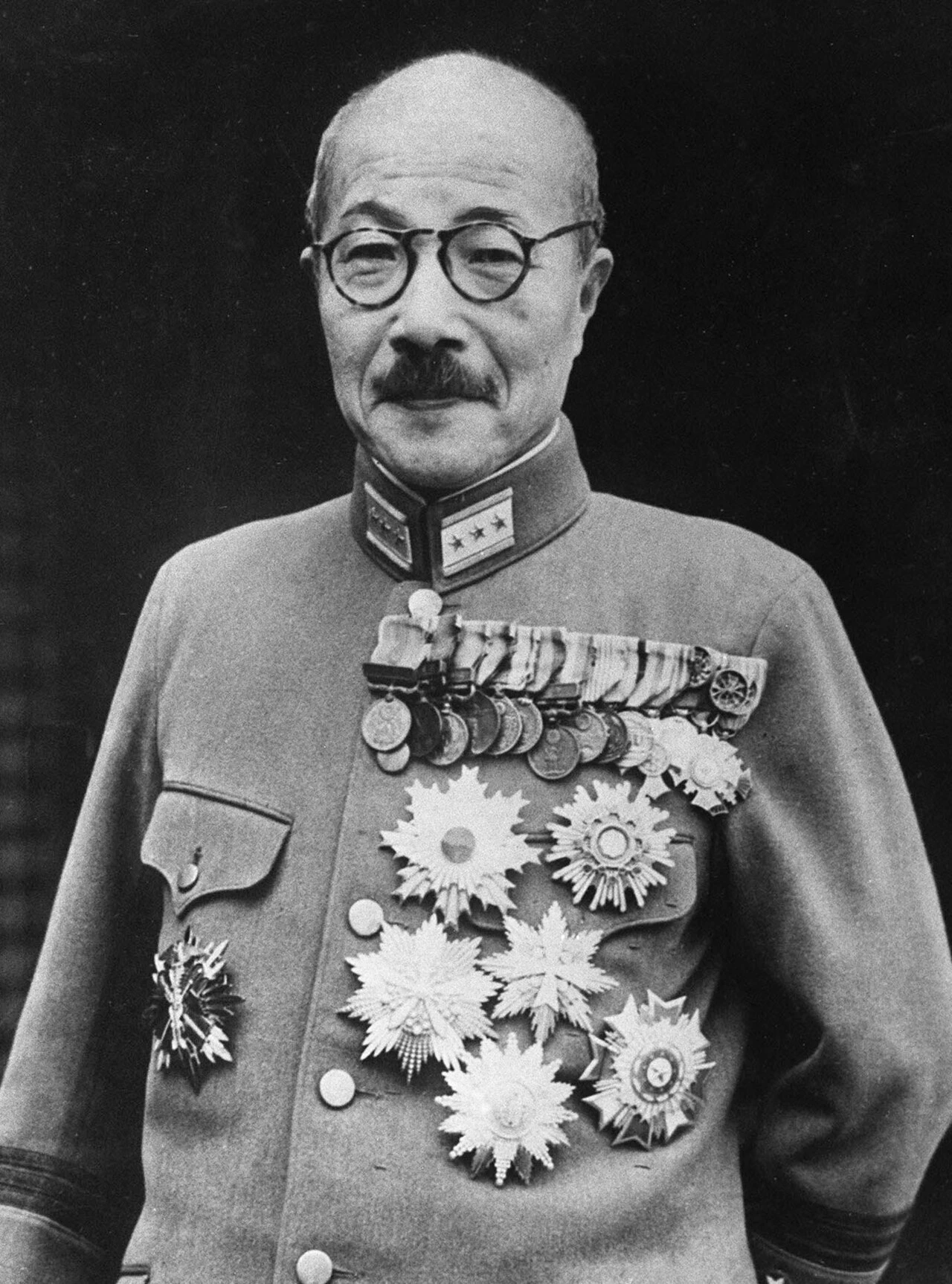
Tojo as Prime Minister: Reopening the Question of War
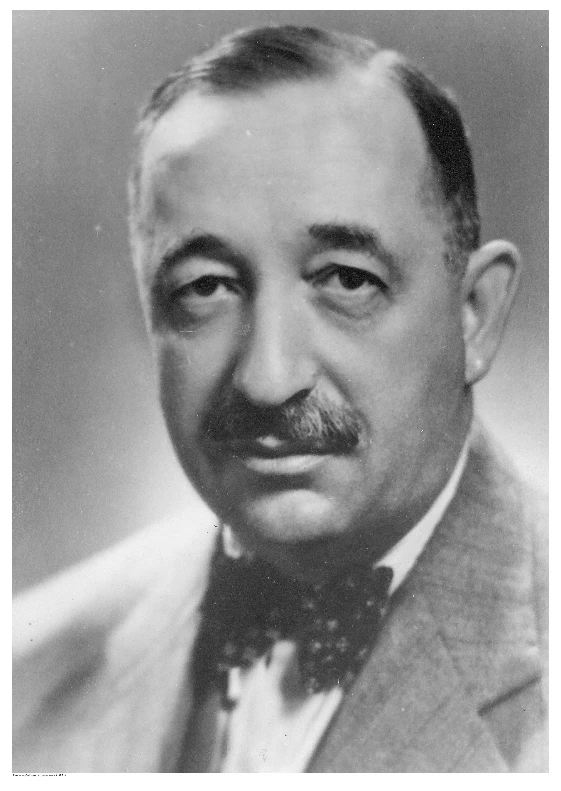
Bulgaria: lock of the Balkans, a price to pay
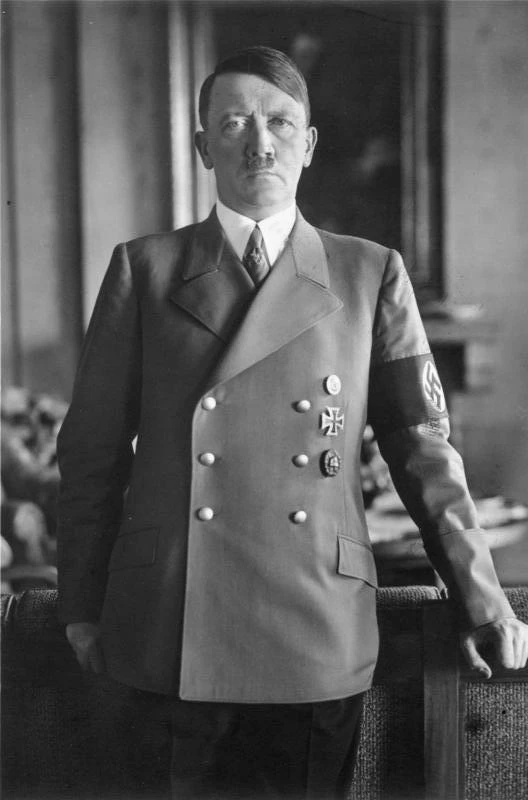
The Obersalzberg Speech
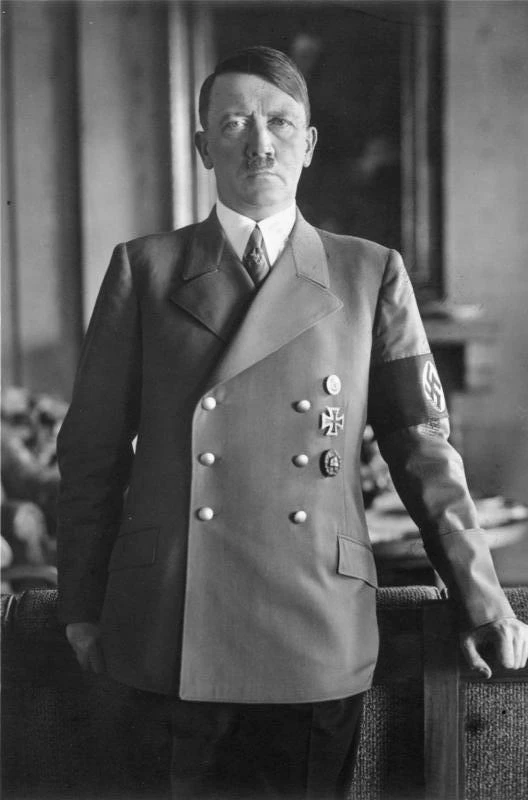
Hitler After Molotov — Berlin, November 1940
Japan enters southern Indochina
Schnurre in Moscow — the Commercial Agreement
Japan Disoriented
Tokyo — Japan and the Tripartite Pact
Northward or southward
Harriman in Moscow, Face to Face with Stalin
Tojo as Prime Minister: Reopening the Question of War
Bulgaria: lock of the Balkans, a price to pay
The Obersalzberg Speech