Chamberlain at Central Hall — 4 April
, 71, British Prime Minister since May 1937, is to speak on 4 April 1940 before the Conservative Party Conference assembled at Central Hall, Westminster. Audience: 1,800 delegates. Live radio broadcast on the BBC. Seven months after the outbreak of war, Chamberlain wishes to reassure his party and the public on the "stability" of the situation.
The argument circulating in the Chamberlain-Hoare circle runs as follows: in autumn 1939, Hitler held tactical advantages (pre-emptive mobilisation, offensive doctrine, strategic surprise). He could have attacked immediately after the fall of Poland. He did not — he hesitated, postponed the offensive in the West several times. Meanwhile, the Allies have strengthened their defences, equipped the BEF, mobilised industry, concluded contracts with the neutrals. The conclusion defended by Chamberlain's advisers: Hitler has let his window of opportunity slip.
The question for Chamberlain is how to phrase this conclusion so that it lodges with the public. The Prime Minister, a lawyer by training, usually prefers technical strategic formulations. But German propaganda exploits simple images and slogans with success. Chamberlain must choose a style.
How does Chamberlain frame his conclusion on Hitler before the Conference?
Chamberlain chooses A. He delivers the phrase that will stick: "One thing is certain: he missed the bus." The formula becomes instantly famous — picked up by every British paper on 5 April, "missed the bus" leads The Times. But it proves catastrophically wrong within five days: on 9 April, Hitler invades Denmark and Norway; on 10 May, he launches Fall Gelb. The phrase becomes the emblem of Chamberlain's ridicule. During the Norway Debate (7-8 May 1940) on the failure of the Norwegian campaign, several Conservative and Labour MPs — notably : "In the name of God, go!" — invoke the phrase to demonstrate the Prime Minister's strategic incompetence. On 10 May 1940, Chamberlain resigns; Churchill succeeds him. Chamberlain dies six months later of cancer (November 1940). "He missed the bus" remains one of the most cited rhetorical errors in British political history.
Learn more about this event
Related polls
10
Churchill in power
Churchill before the 25 ministers — 28 May 18:00
Halifax at the War Cabinet — 25 May 18:00
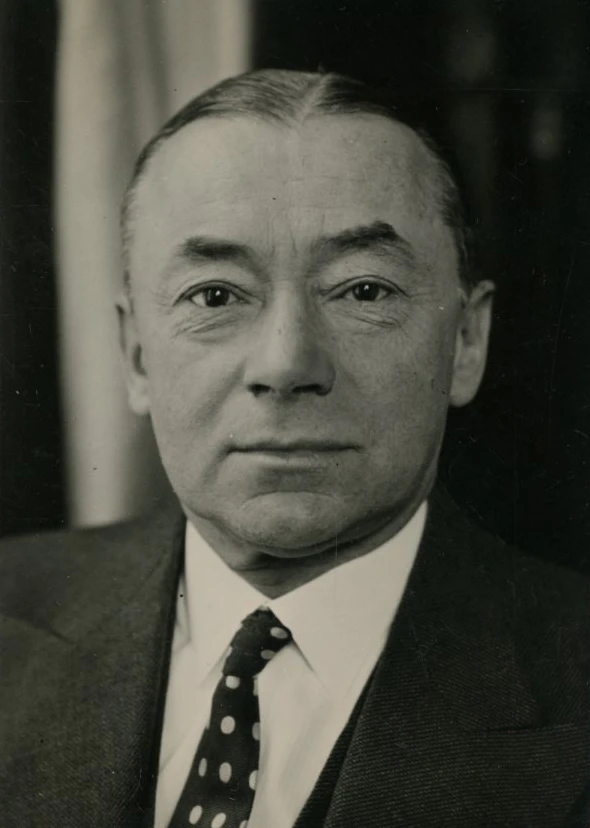
Reynaud in London — 26 May
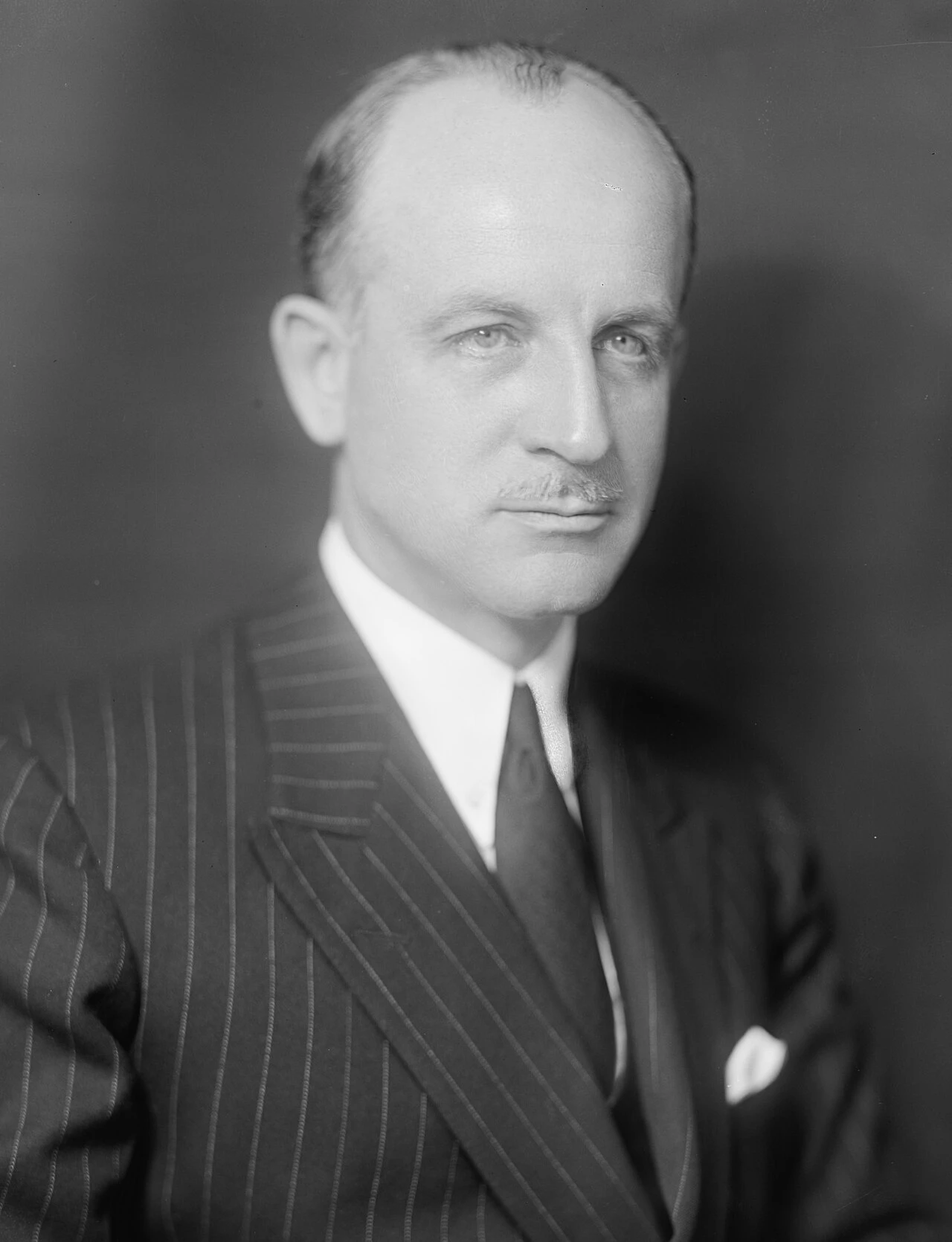
Welles in London — 11-13 March
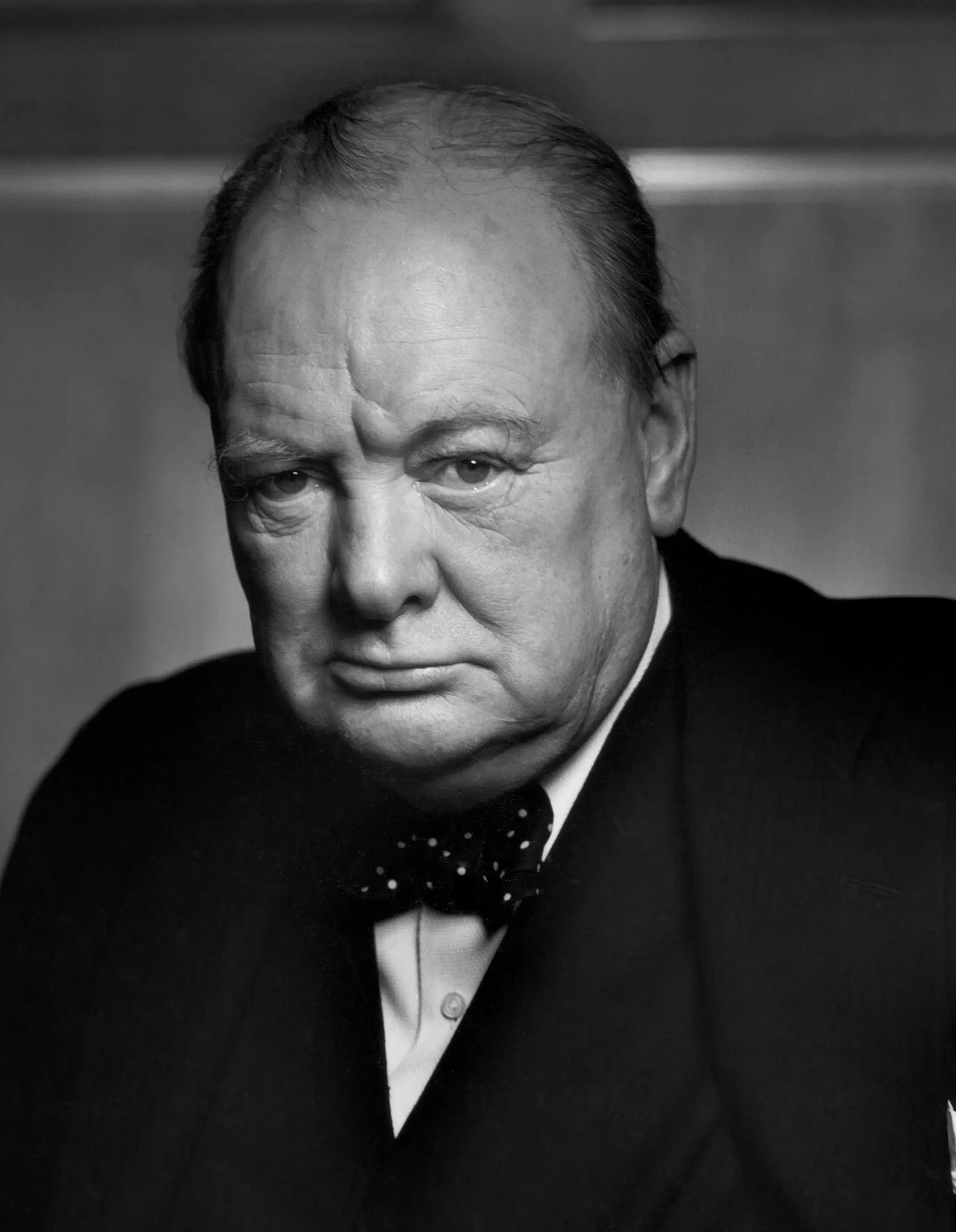
Churchill before the Commons — 4 June
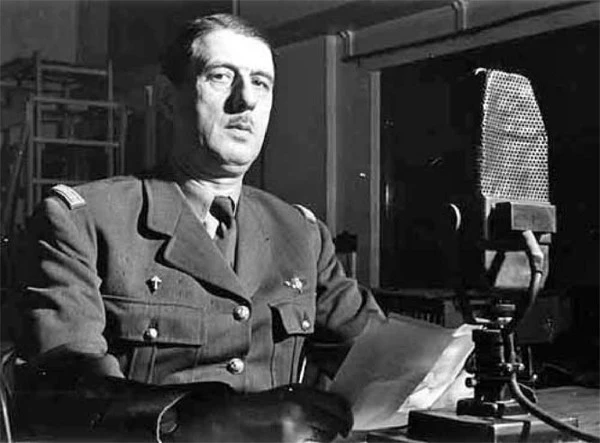
The Appeal of 18 June
Auchinleck replaces Wavell
Beneš in London — autumn 1939
Chamberlain — 11:15 BST
Churchill in power
Churchill before the 25 ministers — 28 May 18:00
Halifax at the War Cabinet — 25 May 18:00
Reynaud in London — 26 May
Welles in London — 11-13 March
Churchill before the Commons — 4 June
The Appeal of 18 June
Auchinleck replaces Wavell
Beneš in London — autumn 1939