
The deluge of Stukas over Sedan
On 13 May 1940, to allow Guderian's infantry to cross the Meuse at Sedan, the German command had to silence the French artillery, numerous and well placed on the heights of the south bank. Two schools of thought clashed over the use of air power.
Classic doctrine called for a massive, brief bombardment, concentrating hundreds of aircraft in one crushing strike. But the airmen proposed a different approach: continuous waves of dive-bombers (Stukas) throughout the day, hammering the French artillery and infantry without respite, less to destroy them than to paralyse them and break their morale.
The command could opt for a single massive strike, for continuous harassment by successive waves of Stukas, or for classic artillery support while awaiting the arrival of the heavy guns. The choice would determine the success of the crossing: if the French artillery remained active, the crossing of the Meuse at Sedan would fail.
Should there be a massive, brief air strike, continuous harassment by waves of Stukas, or a wait for the artillery?
The command settled on B: on 13 May, the Luftwaffe poured continuous waves of Stukas and bombers over Sedan, in one of the heaviest concentrations of air power in history up to that date. The material effect was limited (few guns destroyed), but the psychological effect was devastating: the French artillery and infantry, cowering beneath the shriek of the Stuka sirens, largely ceased firing, allowing the German infantry to cross the river. Sedan demonstrated the power of close air support as a weapon of moral paralysis — a central lesson of the "Blitzkrieg" — and the vulnerability of inexperienced troops to dive-bombing.
Learn more about this event
Related polls
10
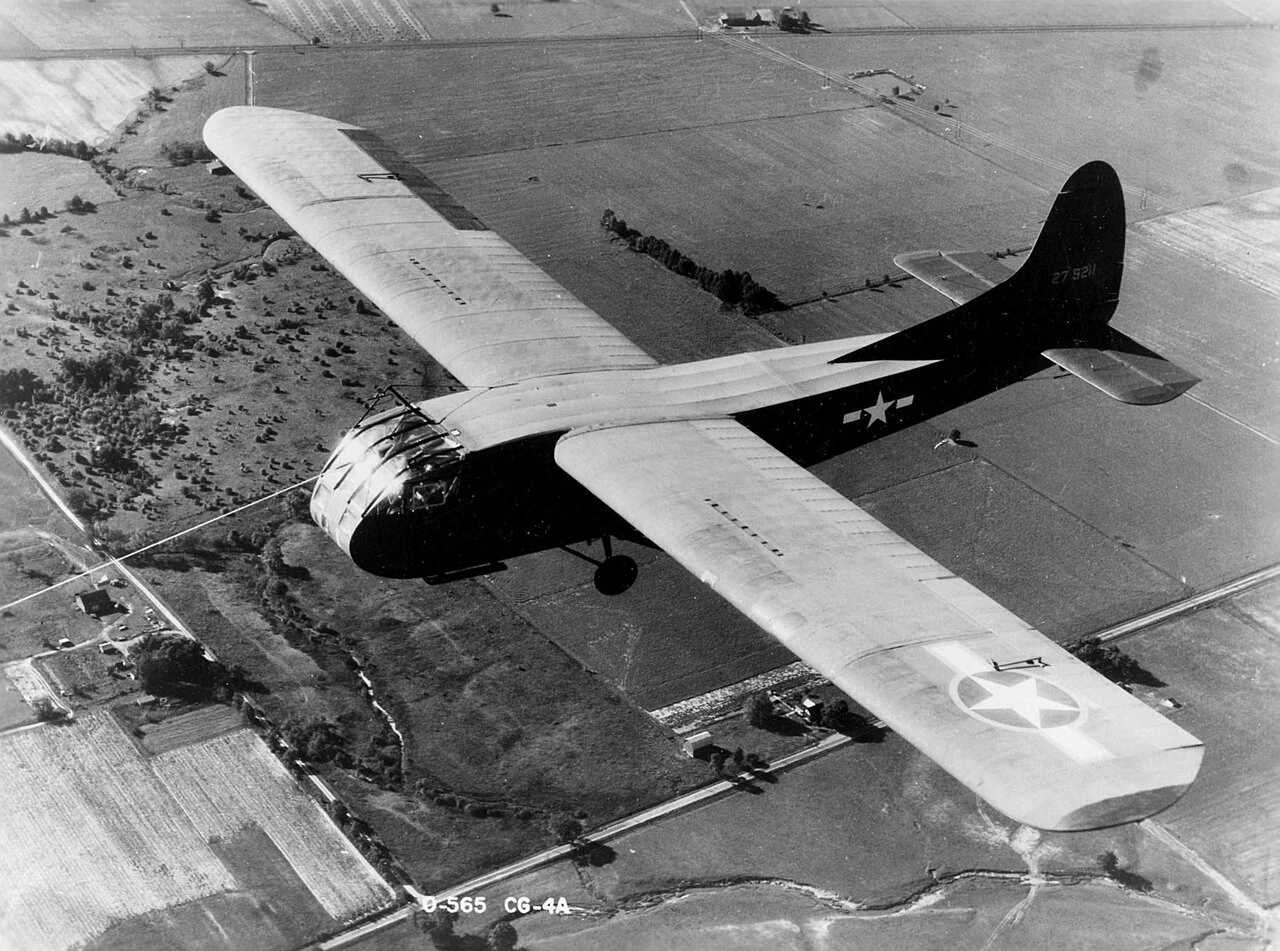
The coup de main on Ében-Émael
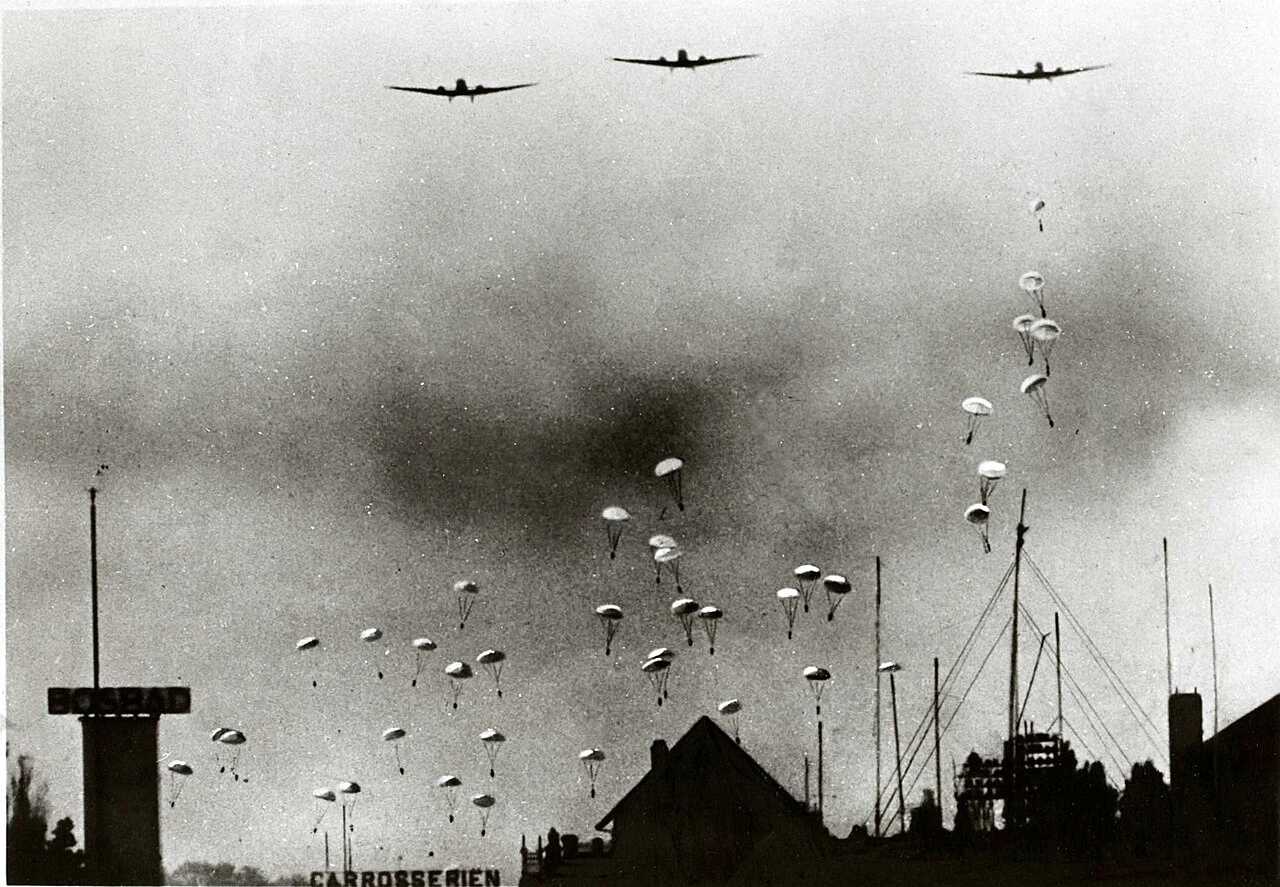
The paratroopers on The Hague
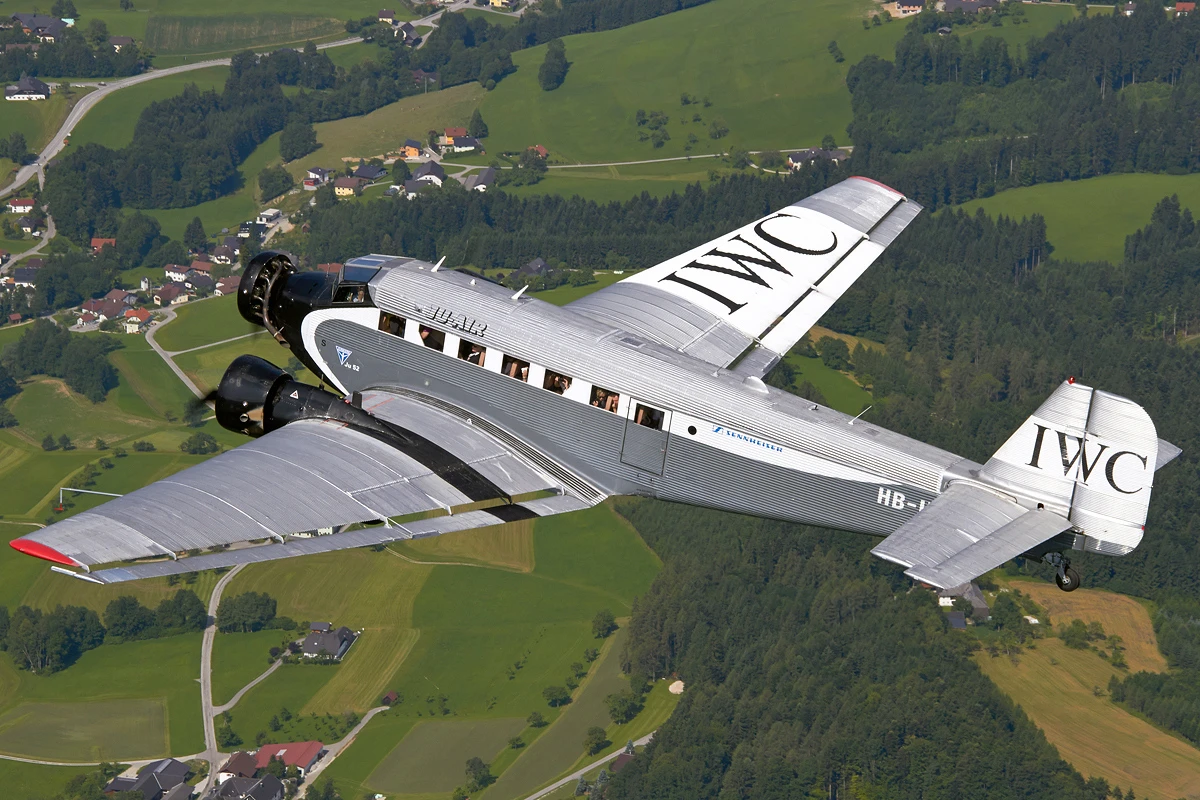
Valkenburg — paras on a grass strip
Ypenburg — German paras outside The Hague
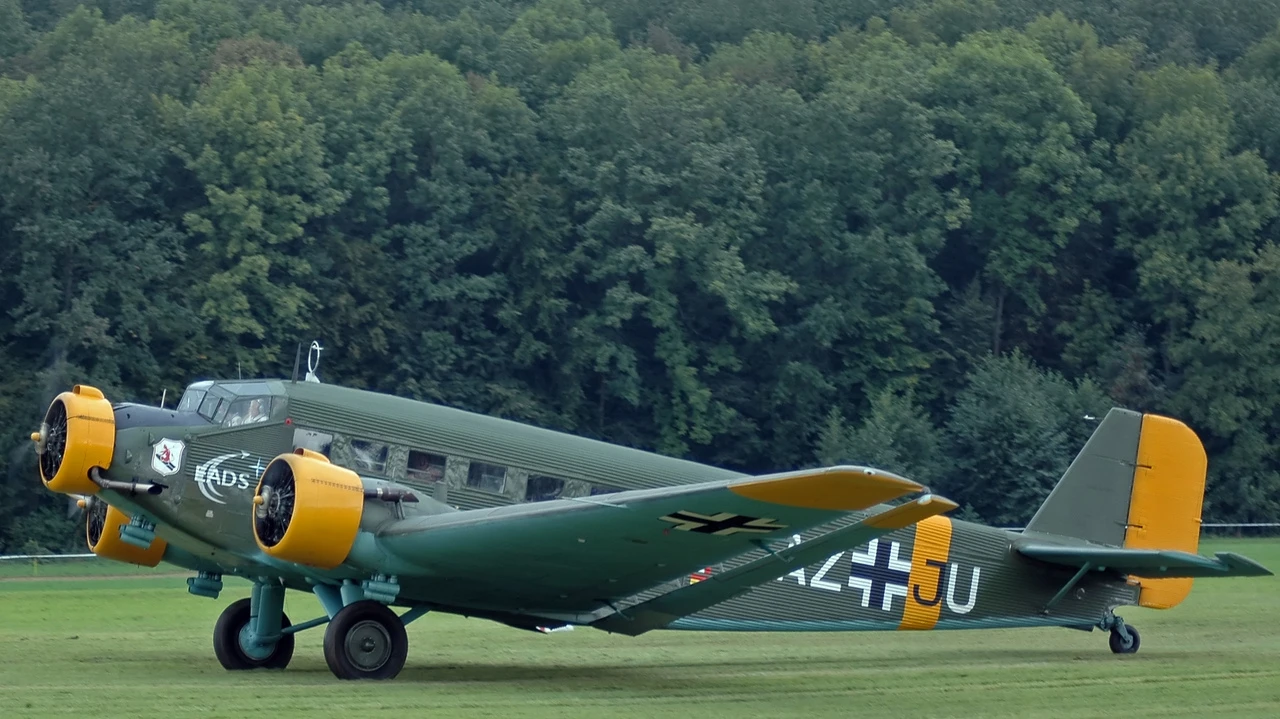
Fornebu — the transports under fire
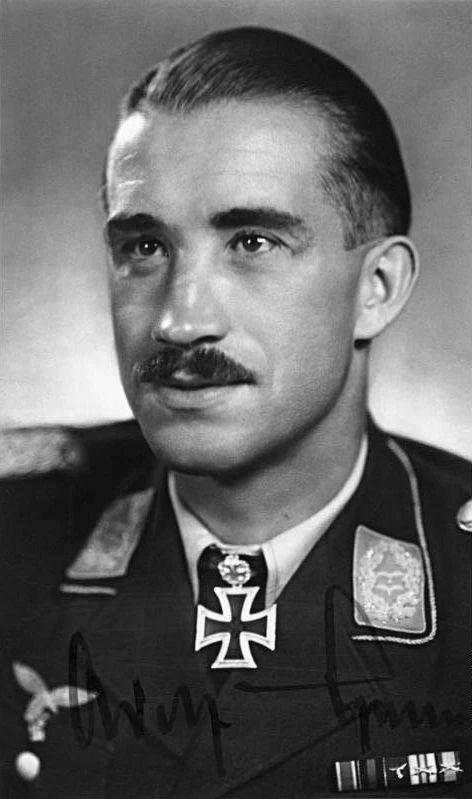
Galland over the Estuary
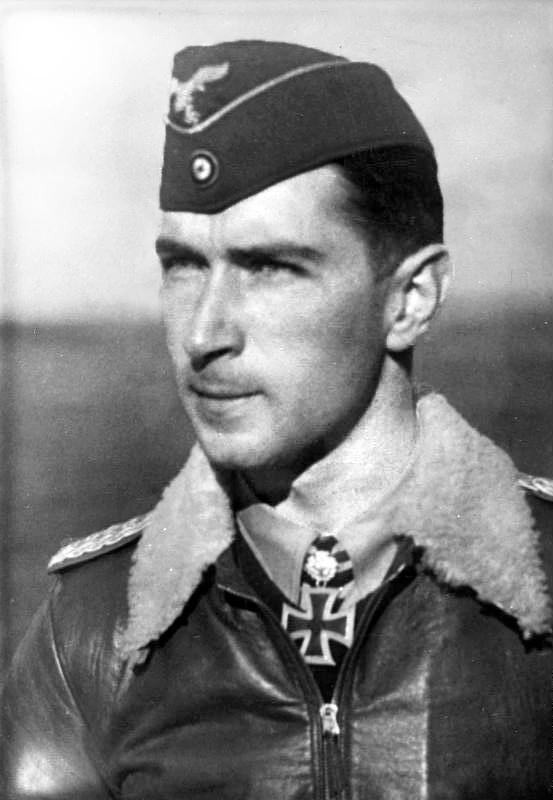
Mölders above the columns — 18 May
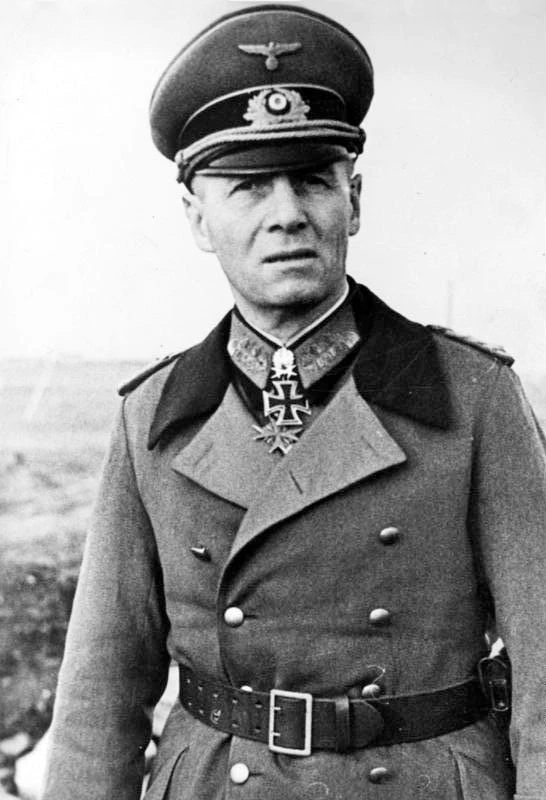
Rommel before the Serre — the Crécy bridge
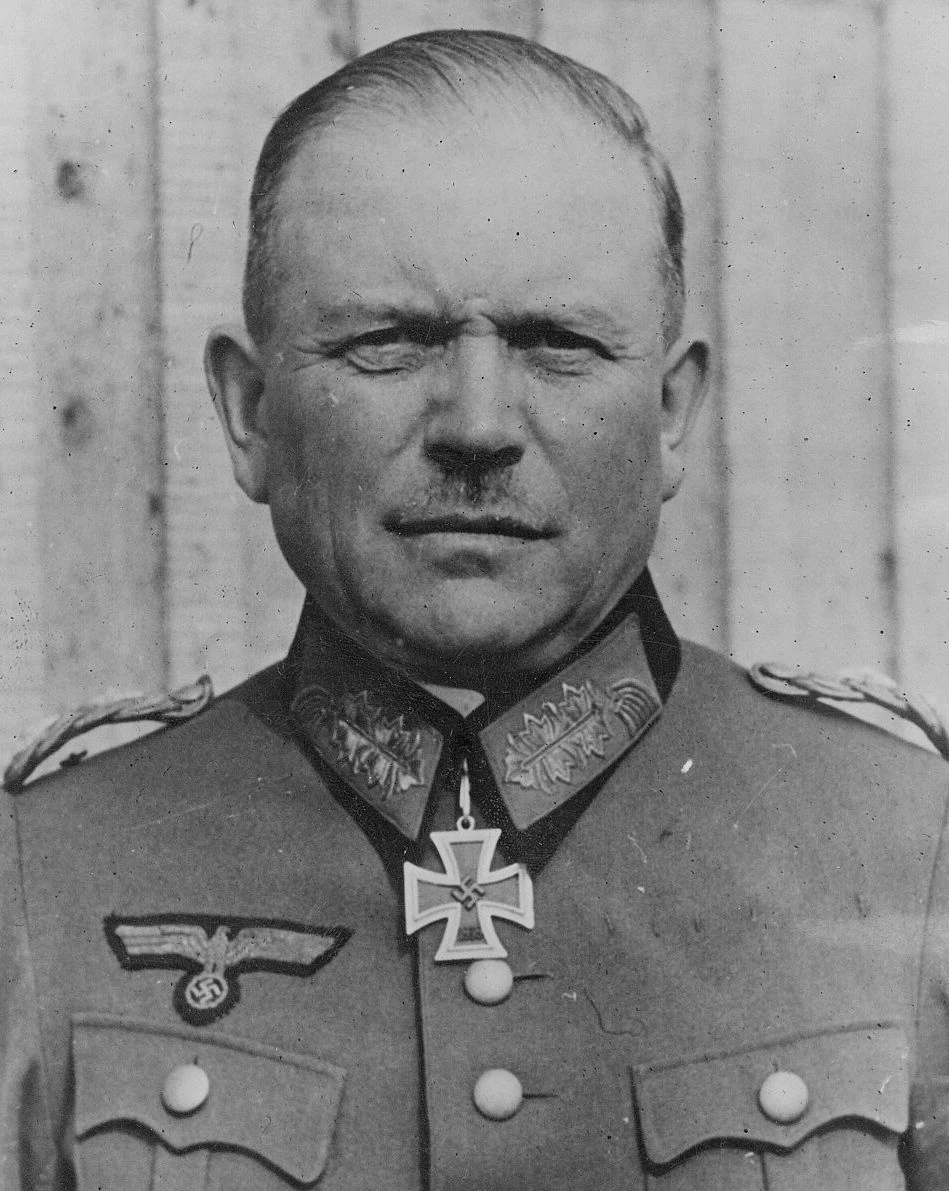
Sedan — Guderian on the Meuse
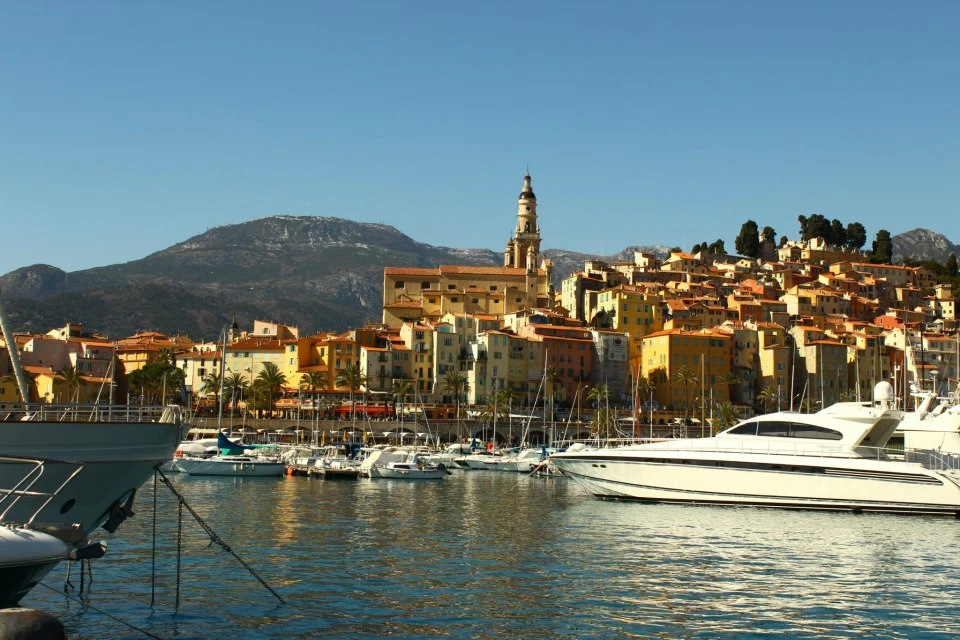
Menton, the sole Italian gain
The coup de main on Ében-Émael
The paratroopers on The Hague
Valkenburg — paras on a grass strip
Ypenburg — German paras outside The Hague
Fornebu — the transports under fire
Galland over the Estuary
Mölders above the columns — 18 May
Rommel before the Serre — the Crécy bridge
Sedan — Guderian on the Meuse