
Carol II Against Antonescu — Bucharest, 6 September 1940
, King of Romania since 1930, has built an authoritarian royal dictatorship in Bucharest. But in the summer of 1940, his throne totters: his country has just been dismembered without a shot fired in its defence.
In a few weeks, Greater Romania has lost Bessarabia and Northern Bukovina to the USSR, the south of Dobruja to Bulgaria, and — by the Second Vienna Award of 30 August 1940 imposed by Berlin and Rome — Northern Transylvania to Hungary. Accepted by Carol, these amputations utterly discredit him in the eyes of his people.
In early September, immense demonstrations demand his abdication. The fascist Iron Guard, led by , organises the agitation. On 5 September 1940, on the advice of his entourage, Carol appoints General Prime Minister and transfers to him the bulk of his dictatorial powers.
But within hours, Antonescu changes his mind: a weakened king no longer suffices for him. Supported by the Germans and by the street, he demands the sovereign's departure. Carol must choose: cede the throne to his son Michael, or try to maintain himself against Antonescu and the Iron Guard.
Ordered by Antonescu and the street to go, what does Carol II decide?
chose A. On 6 September 1940, he abdicated in favour of his 18-year-old son, who became . Antonescu imposed himself as Conducător ("Leader") and established, with the Iron Guard, the "National Legionary State". Carol left Romania hastily by train, taking part of his fortune and his companion ; legionaries fired on the convoy at the Timișoara station without hitting it. The ex-king went into exile and would never see his country again. Young Michael, for his part, would remain a monarch under tutelage until 1944, when he would play a decisive role by overthrowing Antonescu and swinging Romania into the Allied camp.
Learn more about this event
Related polls
10
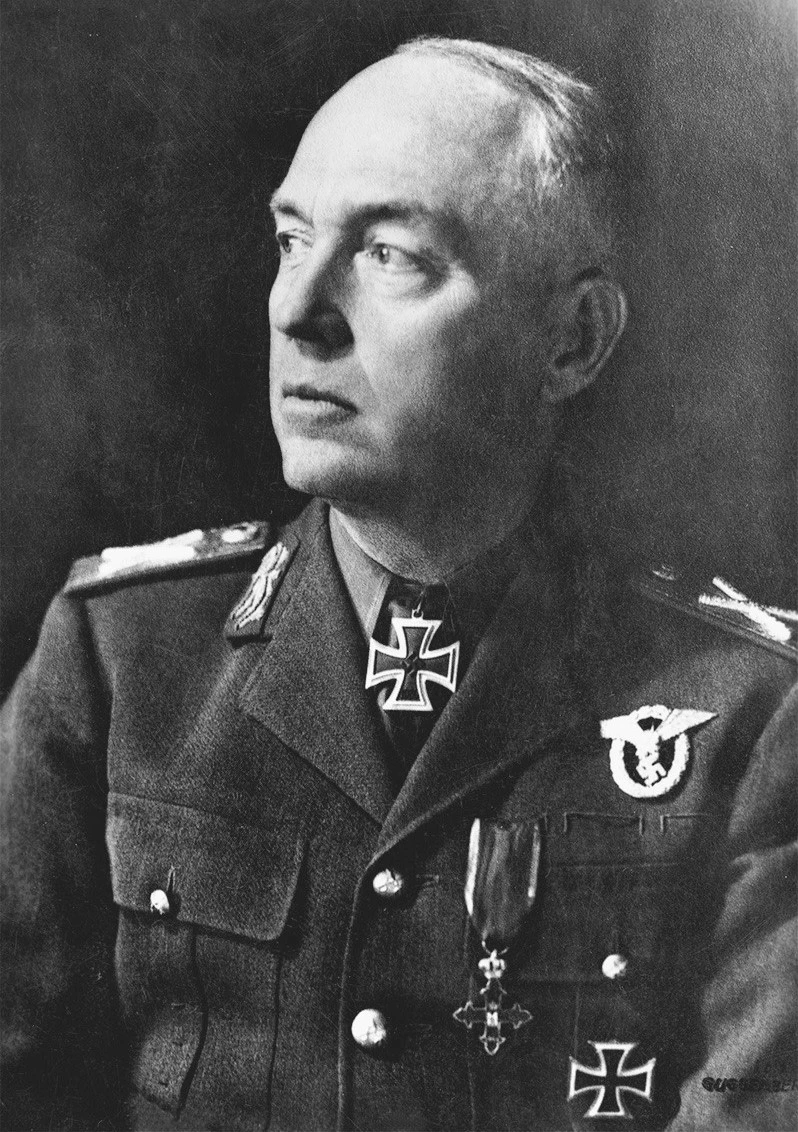
Antonescu and the Iron Guard — Bucharest
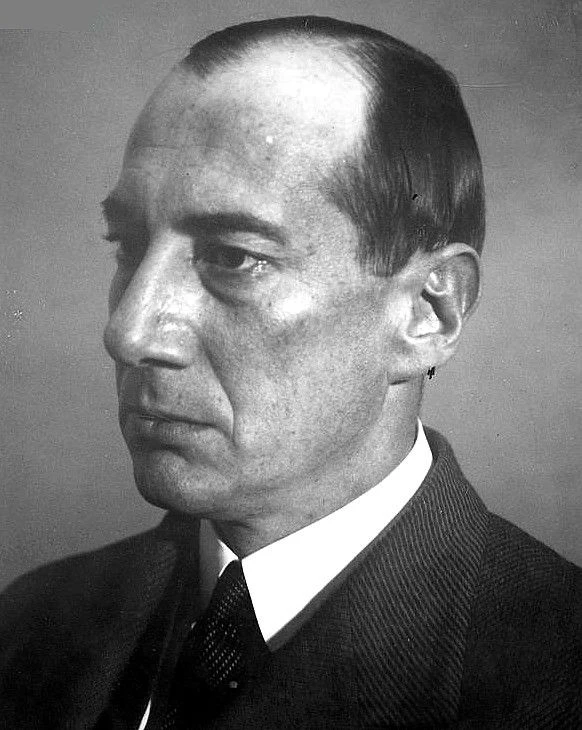
Beck in Bucharest — the Internee
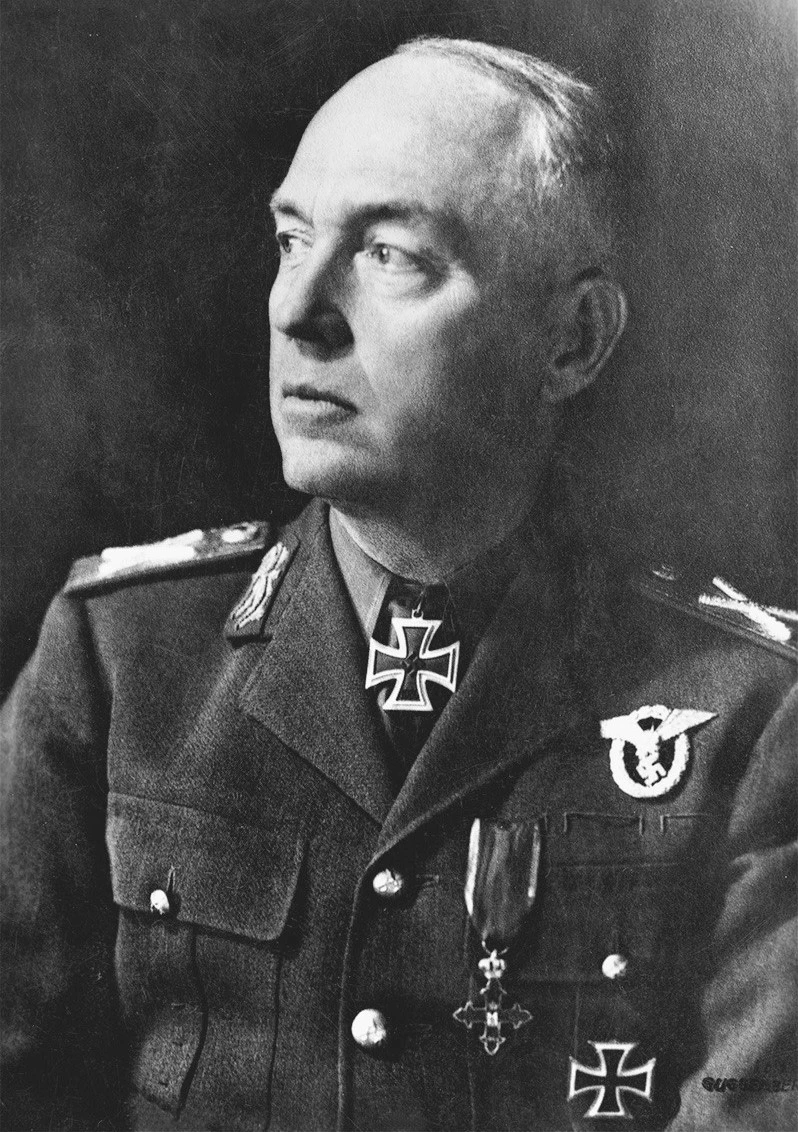
Bucharest — the Legionary rebellion
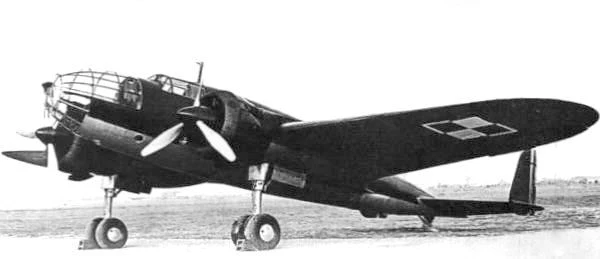
Carol II in Bucharest — the Romanian balance
Laval at the Vichy Casino — 10 July
Metaxas and the ultimatum — Athens 3 a.m.

Moscicki — the Succession from Bicaz
Terboven and the fate of Quisling — Oslo
Vincent Badie — Vichy Casino, 10 July
Chamberlain at Central Hall — 4 April
Antonescu and the Iron Guard — Bucharest
Beck in Bucharest — the Internee
Bucharest — the Legionary rebellion
Carol II in Bucharest — the Romanian balance
Laval at the Vichy Casino — 10 July
Metaxas and the ultimatum — Athens 3 a.m.
Moscicki — the Succession from Bicaz
Terboven and the fate of Quisling — Oslo
Vincent Badie — Vichy Casino, 10 July