
For years, the dominant doctrine of the Royal Air Force has bet on the bomber: faced with an air attack, the best defence would be a bombing force capable of striking the enemy in reprisal — deterrence through mutual terror. This conviction has steered budgets and production towards bomber squadrons.
But in the late 1930s, another school gains ground, carried by Fighter Command and by officials anxious to defend British skies first. Modern monoplane fighters — the Hurricane, then the Spitfire — and the radar network make an active defence of the homeland credible.
In the summer of 1939, the aircraft industry, under strain, cannot produce everything at once. The priority must be arbitrated. To concentrate the effort on fighters and the defence of the homeland, at the risk of weakening offensive capability? To maintain priority on bombers, faithful to the doctrine of deterrence, at the risk of leaving the cities poorly protected? Or to divide the effort equally, without deciding? The choice will determine the shape of the RAF at the moment of impact.
Should the RAF give priority to defensive fighters or to deterrent bombers?
The United Kingdom increasingly favours A: in the final pre-war plans, fighter production is accelerated, shadow factories (such as Castle Bromwich for the Spitfire) are set up, and the defence of the homeland is made a priority, in conjunction with the radar network. Bomber Command remains developed, but it is the fighter arm that receives the decisive impetus. This choice, long disputed, will prove salutary: in 1940, it is the fighters and the detection system that will save the country, where an RAF wholly turned towards bombing would have been disarmed to defend its own sky. Bomber Command, without being neglected, will have to wait before building up its strength for the offensive war.
Learn more about this event
Related polls
10
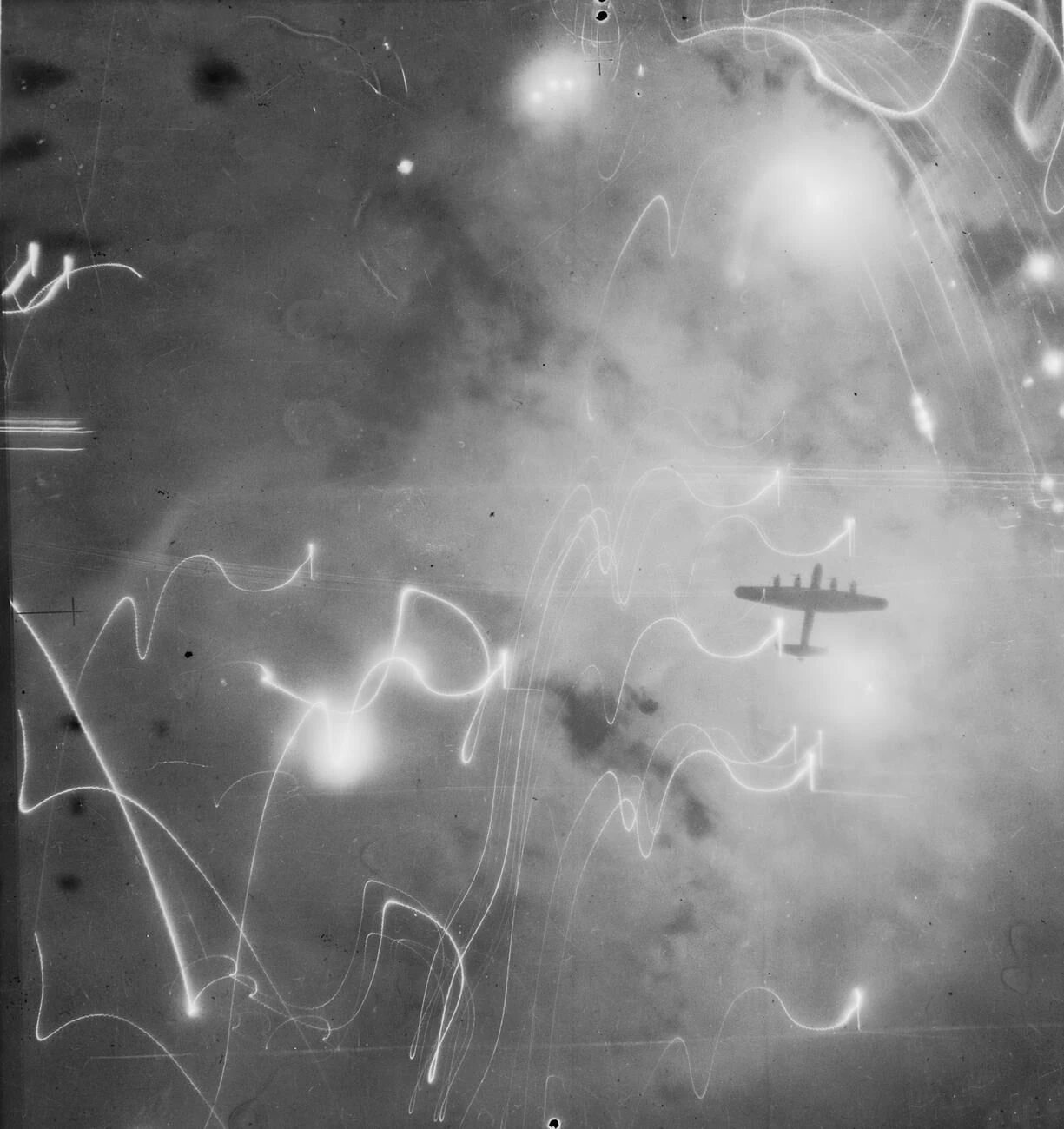
Bombing London — and the reply on Berlin
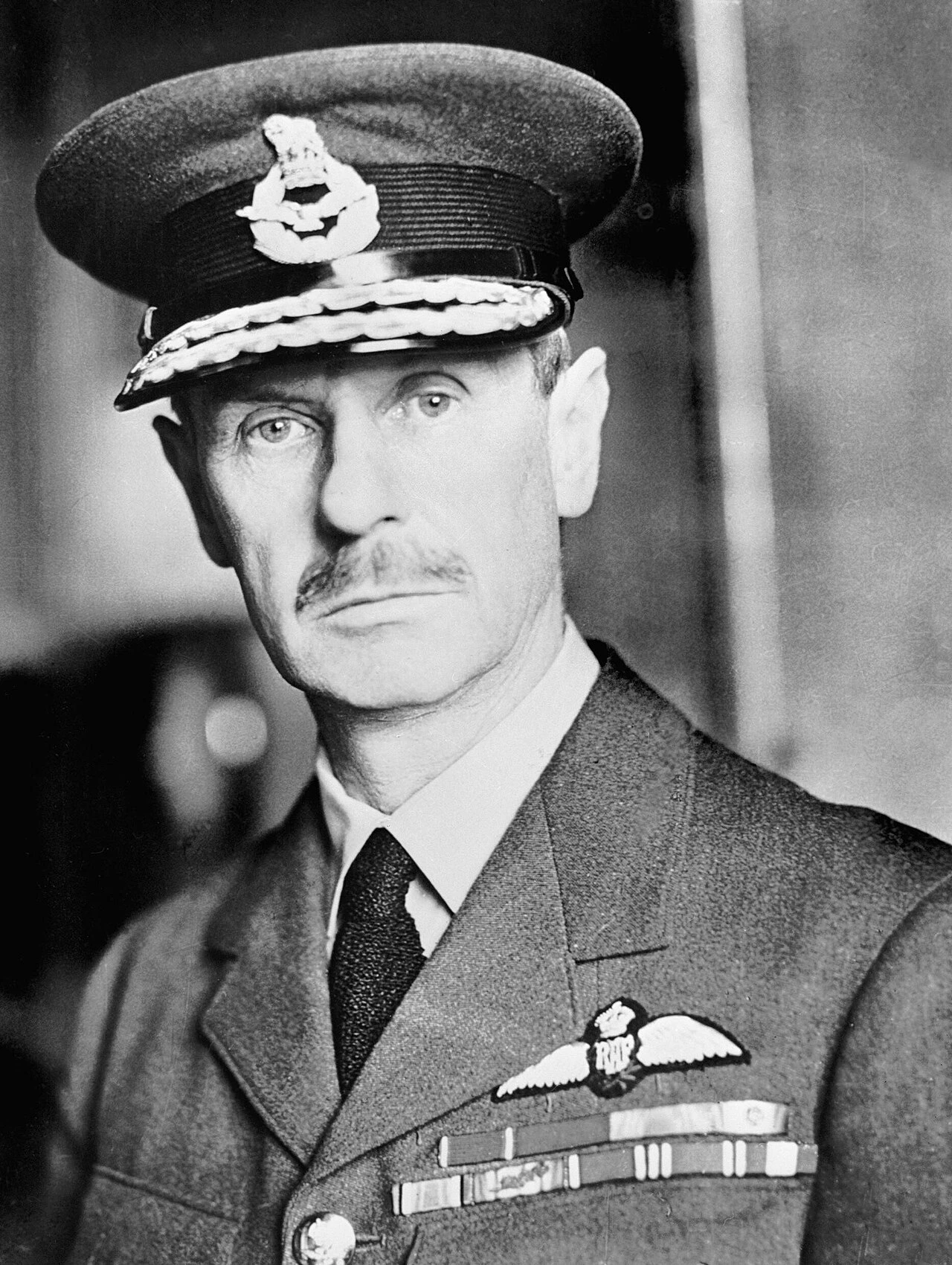
Dowding and the fighters
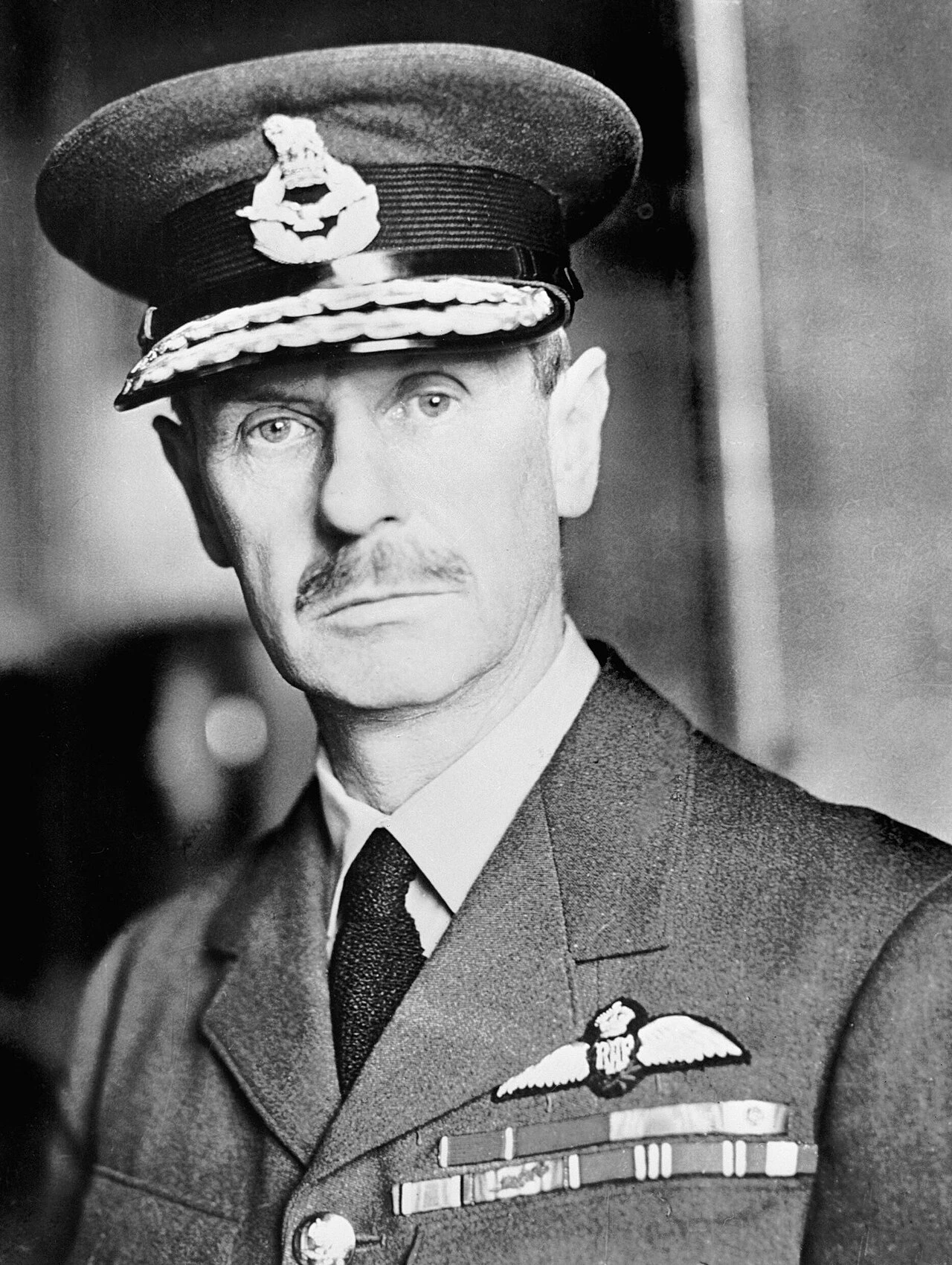
Dowding — Keep the Fighters?
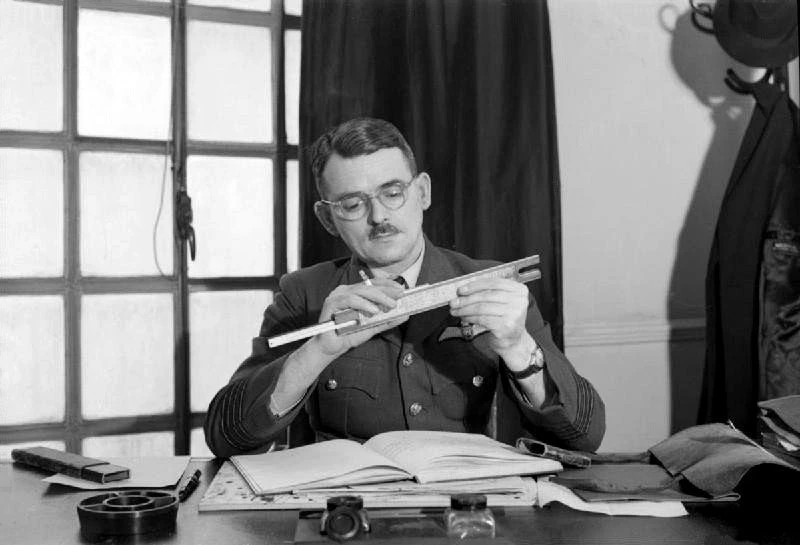
Whittle and the Jet Engine
Baku in the crosshairs — Operation Pike
Chain Home — the Invisible Wall
Ludlow-Hewitt and Operation Nickel

The RAF Bombs Germany
The Polish Army and the Deployment
The Military Training Act
Bombing London — and the reply on Berlin
Dowding and the fighters
Dowding — Keep the Fighters?
Whittle and the Jet Engine
Baku in the crosshairs — Operation Pike
Chain Home — the Invisible Wall
Ludlow-Hewitt and Operation Nickel
The RAF Bombs Germany
The Polish Army and the Deployment