
Belgian border — leave or wait out the storm
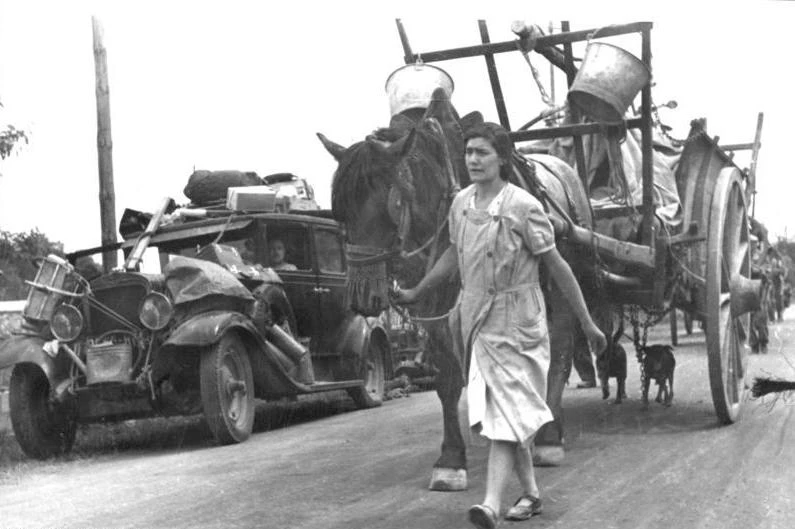
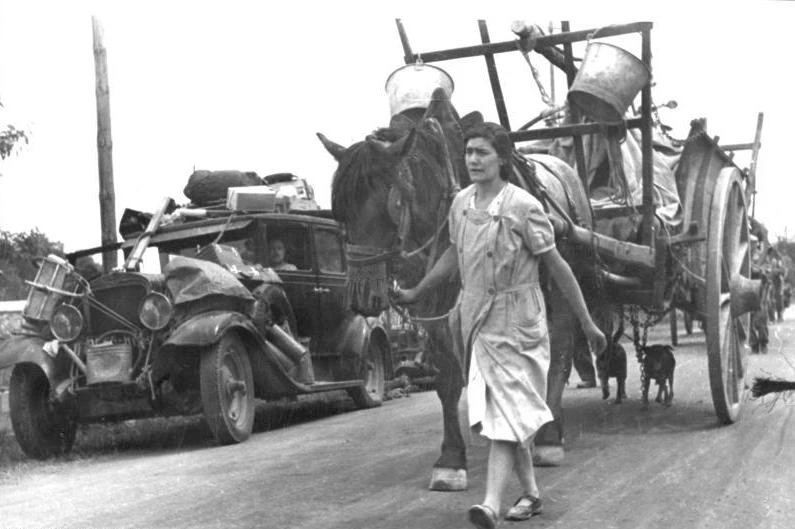
The Belgian family we follow — parents, their three children and a grandmother — lives in a small town near the Franco-Belgian border. Their situation is representative of countless households whom the invasion of 10 May 1940 suddenly places before an immediate choice.
In this region, the memory of 1914 is vivid. The names Louvain and Dinant, martyr-towns burned at the start of the Great War, pass from mouth to mouth. When news of the invasion broke on the morning of 10 May — Netherlands, Belgium and Luxembourg attacked together — each person weighs what there is to fear and what there is to lose. Whether one bundles up a sheet, tinned food and papers, or barricades the house, the decision binds everyone.
On the neighbouring roads, columns are already lengthening, mingling with troops, crossing each other in opposite directions, and the most contradictory rumours pass from group to group about the German advance. To leave is the unknown, the grandmother's exhaustion, the children's fear, with no idea how long the war will last. To stay is to keep one's roof and one's work, but to expose oneself to fire and then to the occupier. On the doorstep of the house, the father must decide for them all.
Should you flee to France, or stay home hoping it all passes quickly?
An overwhelming majority chose A. Roughly half a million Belgians crossed the French border in the first days, the first wave of a movement that, adding French, Dutch and Luxembourgers, threw several million people onto the roads in the spring of 1940. Many travelled far to the south-west, then found themselves stranded when the military situation collapsed. Most of these families would eventually return home in the following months, under occupation. Others wagered the opposite: young , eleven years old, son of miners from the Nord and future French Prime Minister, lived in a family that refused to leave. The exodus of 1940 remains one of the greatest population displacements in the history of Western Europe, and a lasting matrix for the memory of defeat.
Learn more about this event
Related polls
10
The French exodus
The Foreign Volunteers
Dunkirk: holding the line under the bombs
The exodus — flee or stay
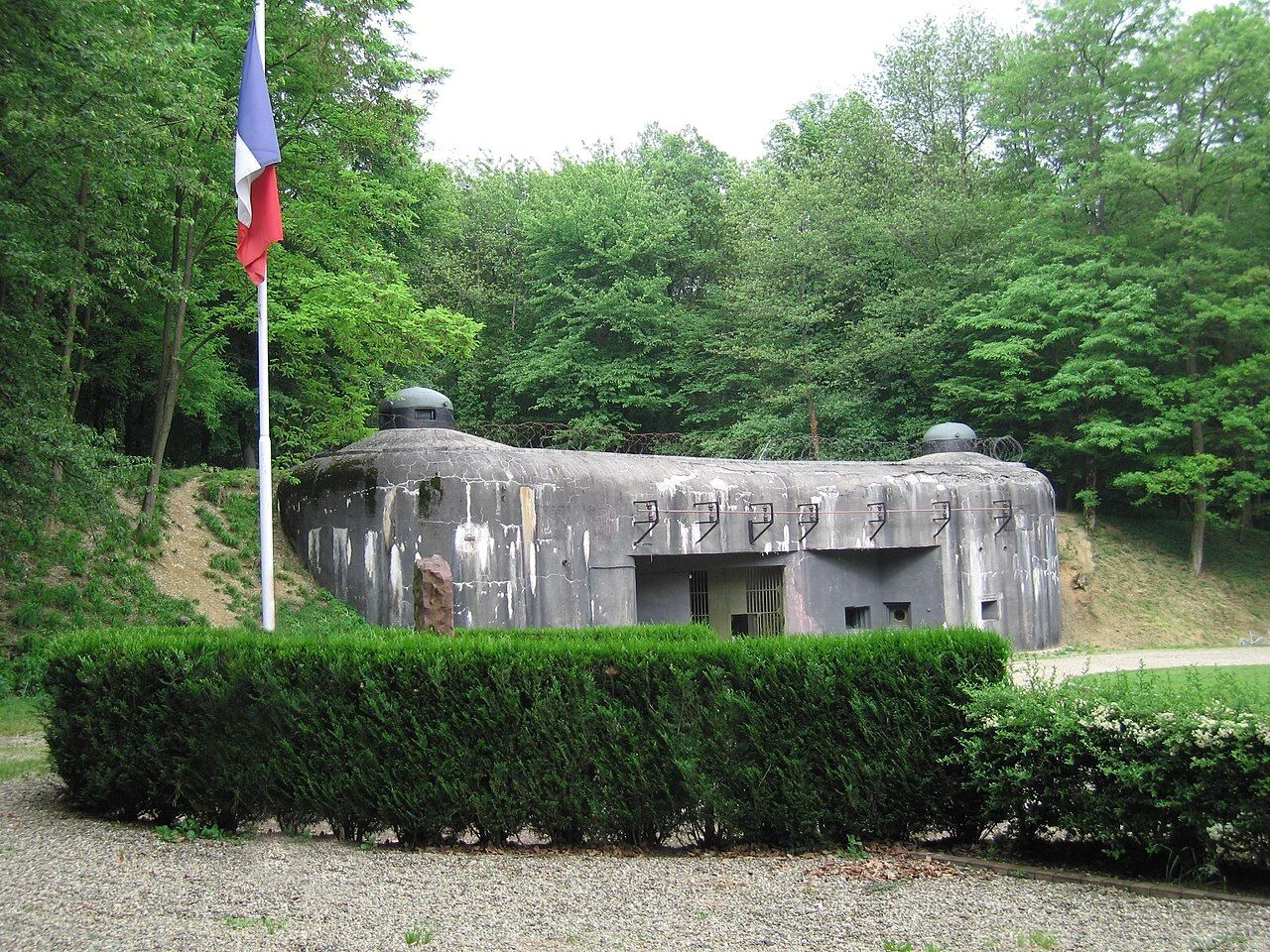
Hackenberg — a poilu on the Maginot
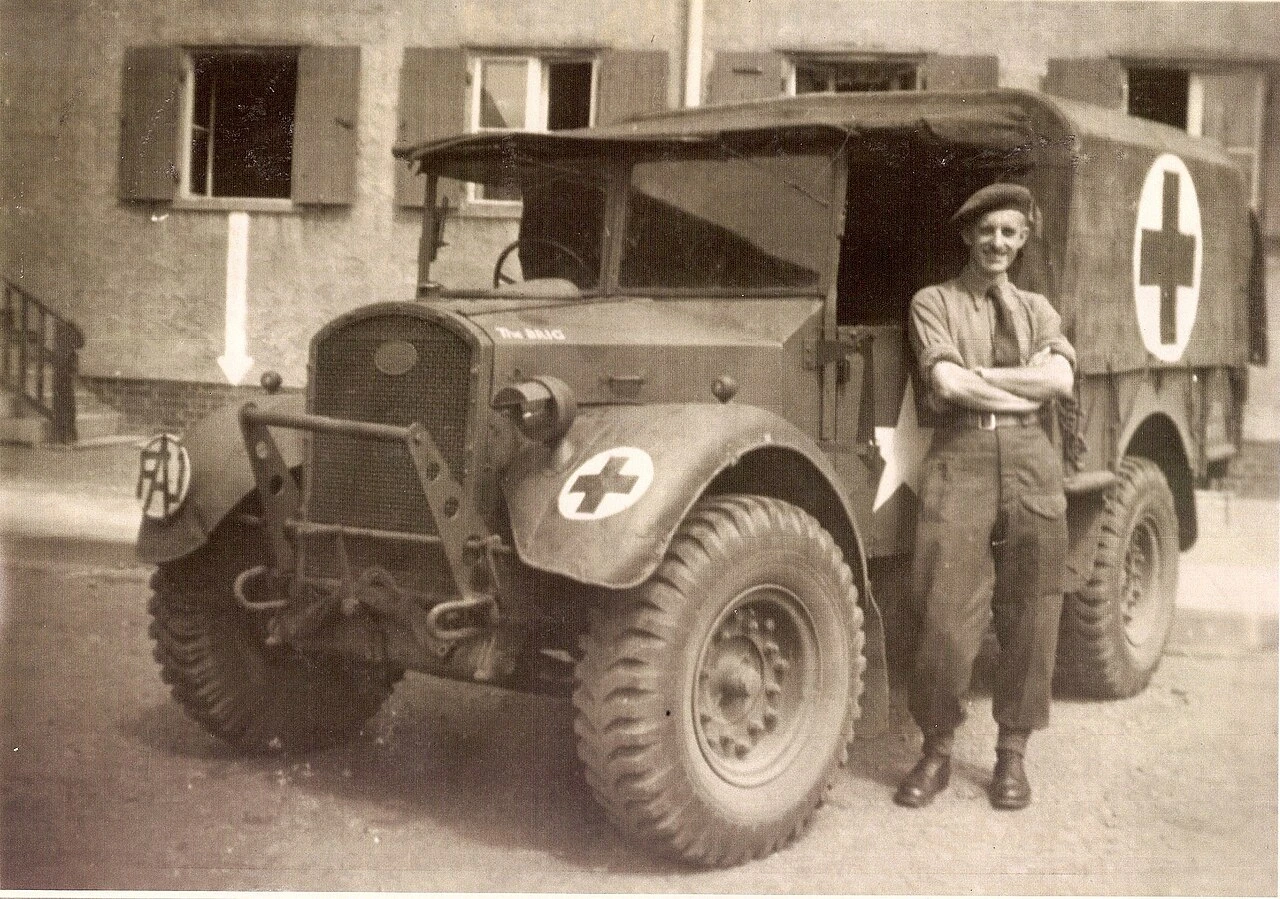
The Drawing of Lots at Rosendaël
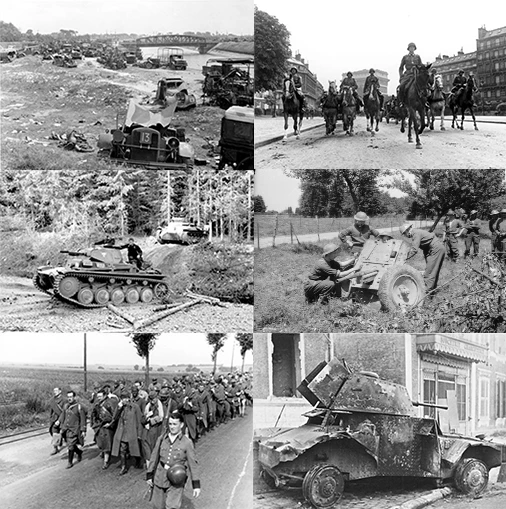
Morale on the home front
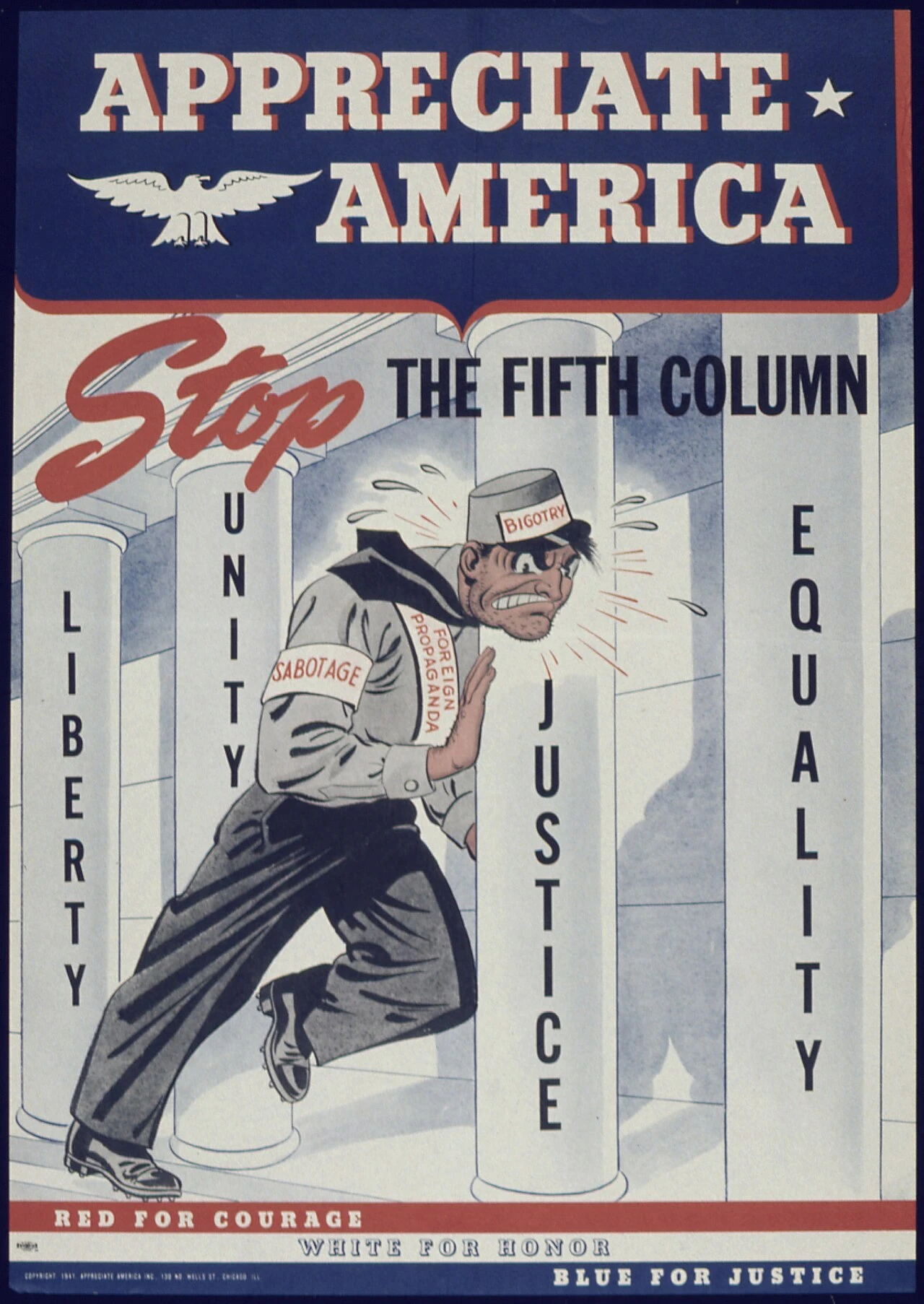
The fifth-column psychosis
Under the bombs — the Belgian towns

The Camps of the Retirada
The French exodus
The Foreign Volunteers
Dunkirk: holding the line under the bombs
The exodus — flee or stay
Hackenberg — a poilu on the Maginot
The Drawing of Lots at Rosendaël
Morale on the home front
The fifth-column psychosis
Under the bombs — the Belgian towns