
The sappers and the Loire bridges
During the exodus, the Loire bridges between Orléans and Nantes become bottlenecks: nearly two million people are trying to cross the river to reach the south, forming queues tens of kilometres long. The Loire is the last great natural barrier before the zone the army still hopes to hold.
The French engineer sappers receive contradictory orders. Military doctrine calls for destroying the bridges to slow the Wehrmacht pressing on the heels of the refugee columns. But those same bridges are covered with civilians in flight, and coordination between the overwhelmed staff and the units on the ground has collapsed.
From 16 to 18 June, several engineer officers find themselves alone on a bridge full of people, with a primed charge and orders to destroy, while the enemy approaches. The memory of Rotterdam, bombed on 14 May, and the dread of the Stukas, make every hour of waiting agonizing for the columns massed on the banks. The typical case followed this impossible decision, lived out at many points along the river.
Should an engineer officer blow a bridge still covered with civilians, or wait at the risk of handing it over intact?
Depending on the bridge, officers decided both ways — A here, B there — for want of clear directives. Several bridges were blown while civilians were still on them; the exact number of victims remains uncertain, estimated by historians at between 200 and 800 dead, the most cited case being near Amboise. These tragedies, long passed over in silence, illustrate the total disorganization of French command in June 1940, when the military logic of delay and the human tide of the exodus collided. No overall official recognition followed, and the memory of these episodes has remained local and fragmentary.
Learn more about this event
Related polls
10
The Weygand Line on the Somme
Touchon on the Aisne — Fall Rot
Arras — the Matildas against Rommel's flank
Boulogne — Fox-Pitt and the Guards facing the port
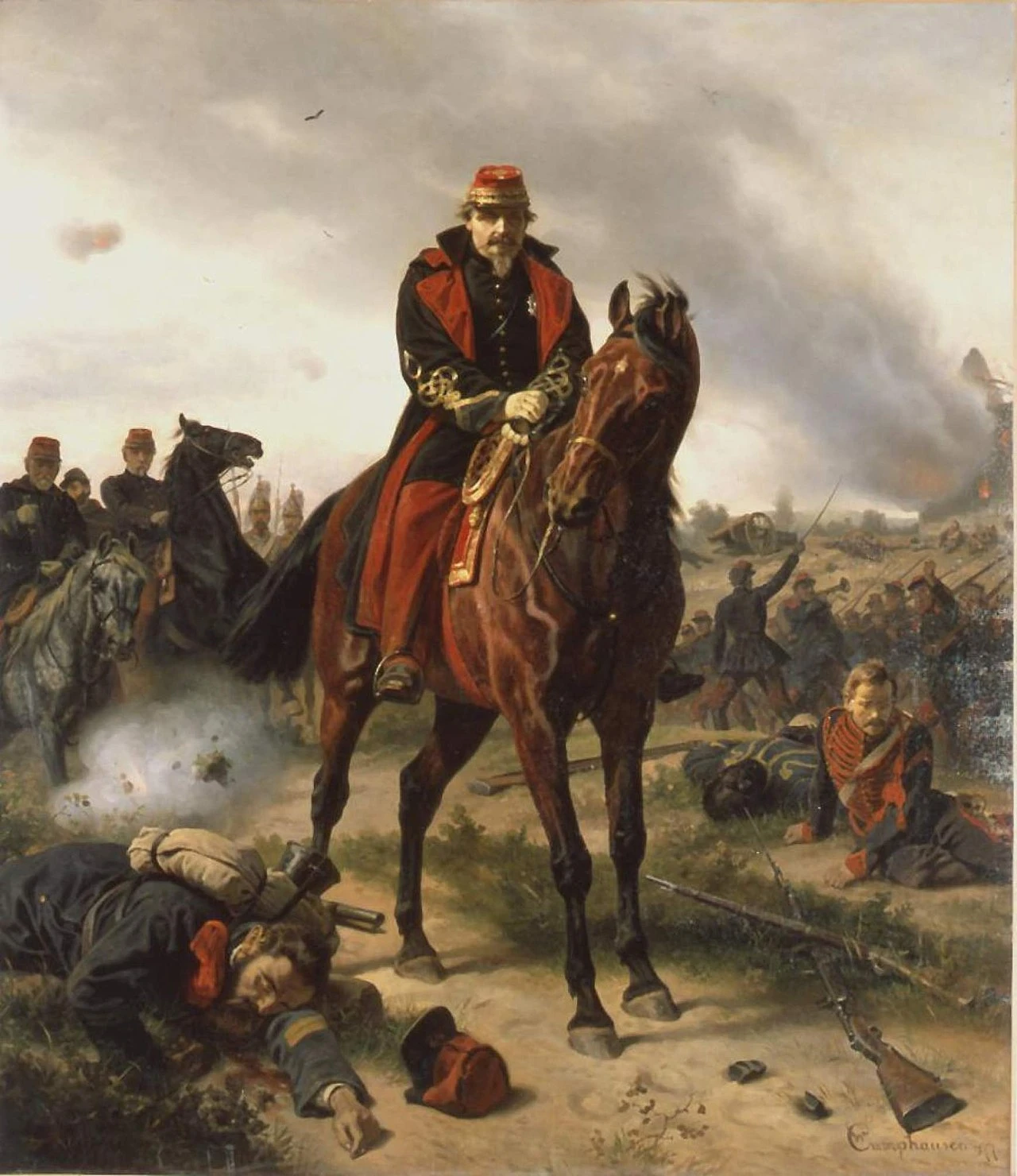
Bulson — Lafontaine and the 02:00 rumour
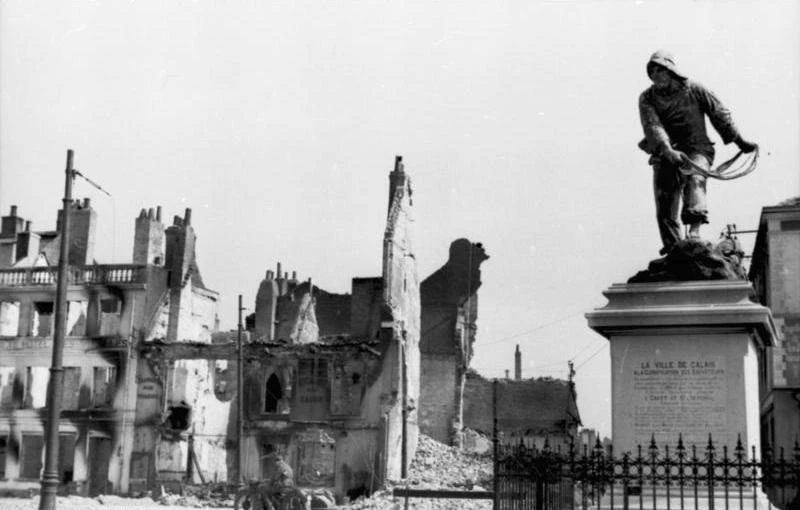
Calais — Nicholson facing the ultimatum
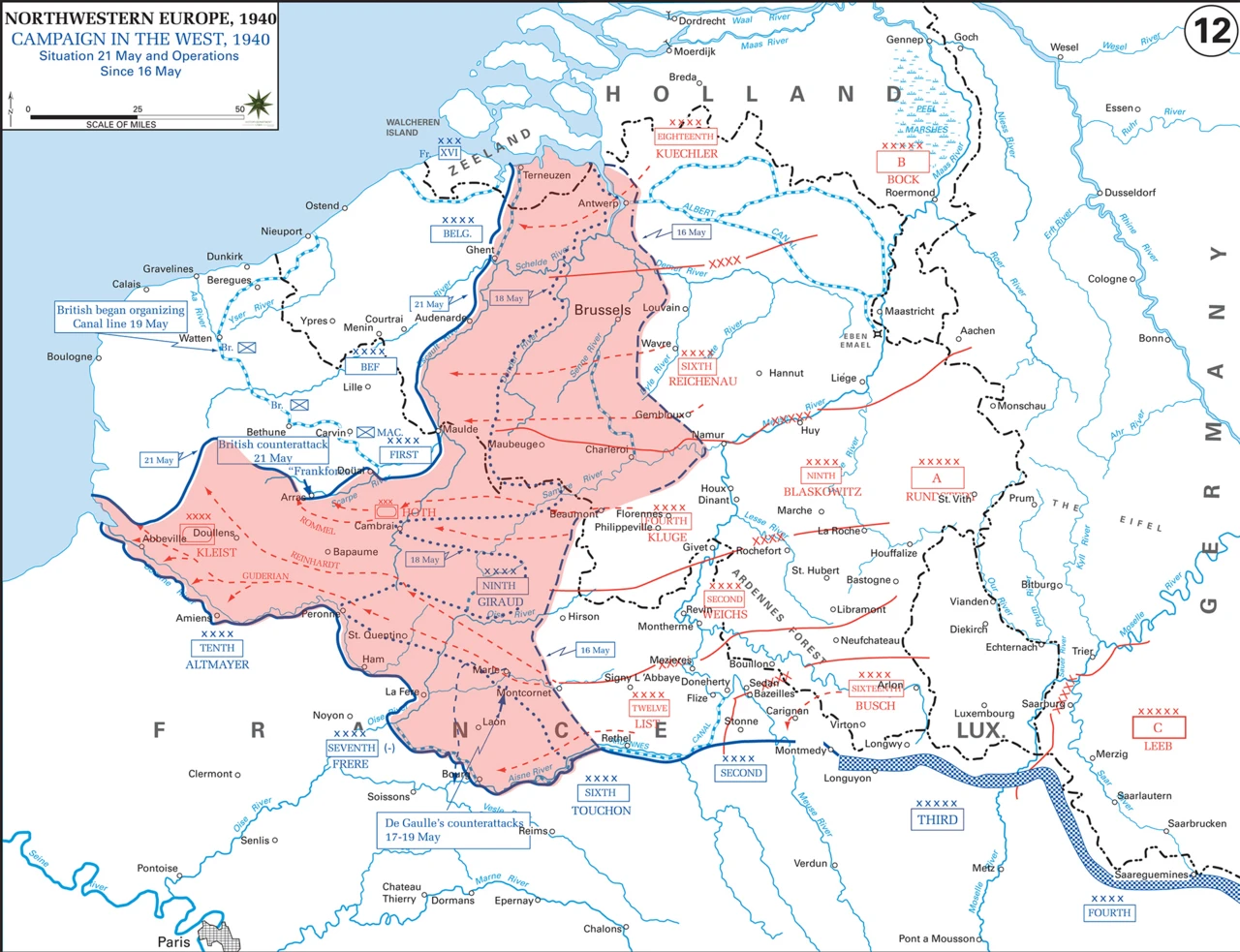
The Arras counter-attack
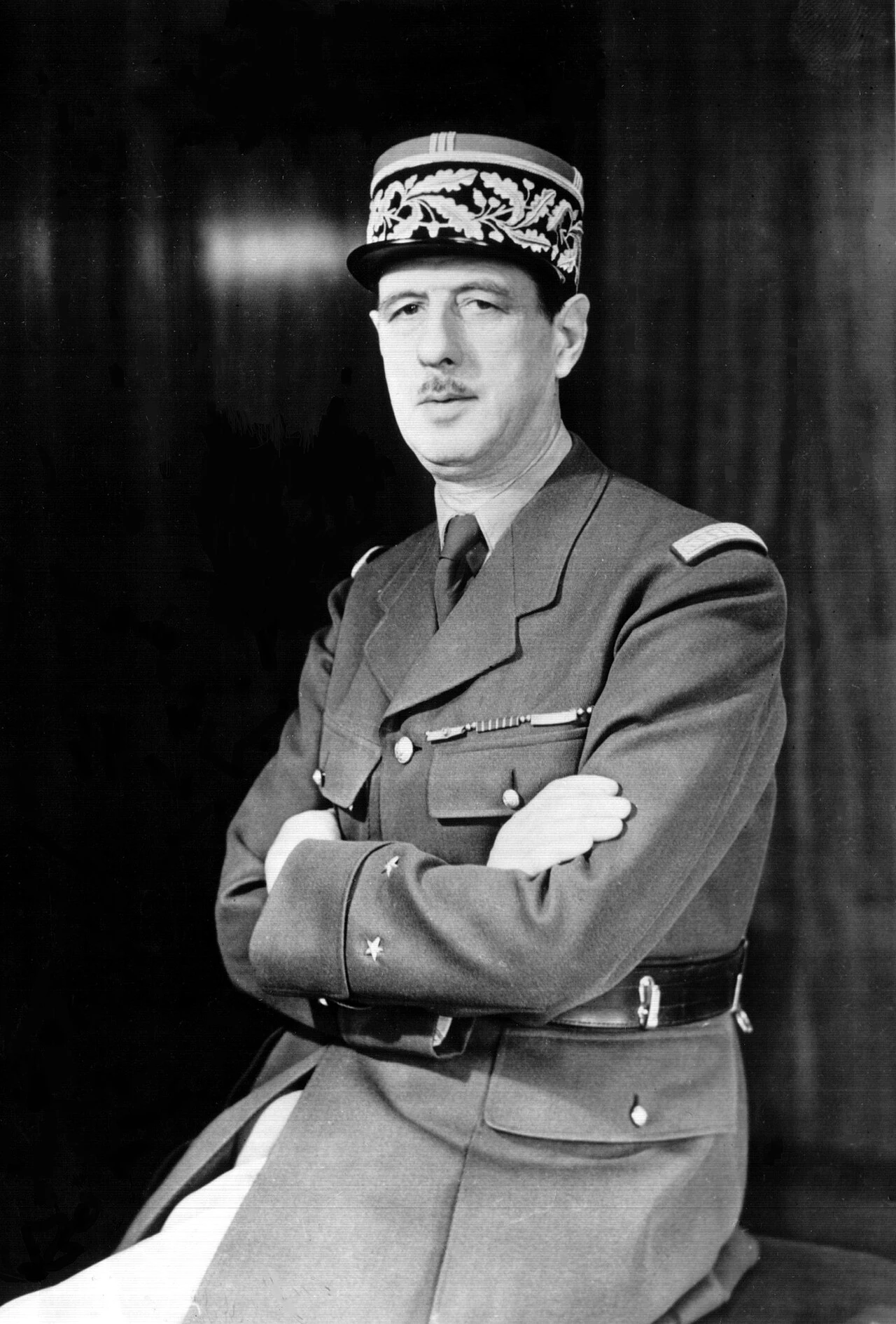
De Gaulle at Abbeville
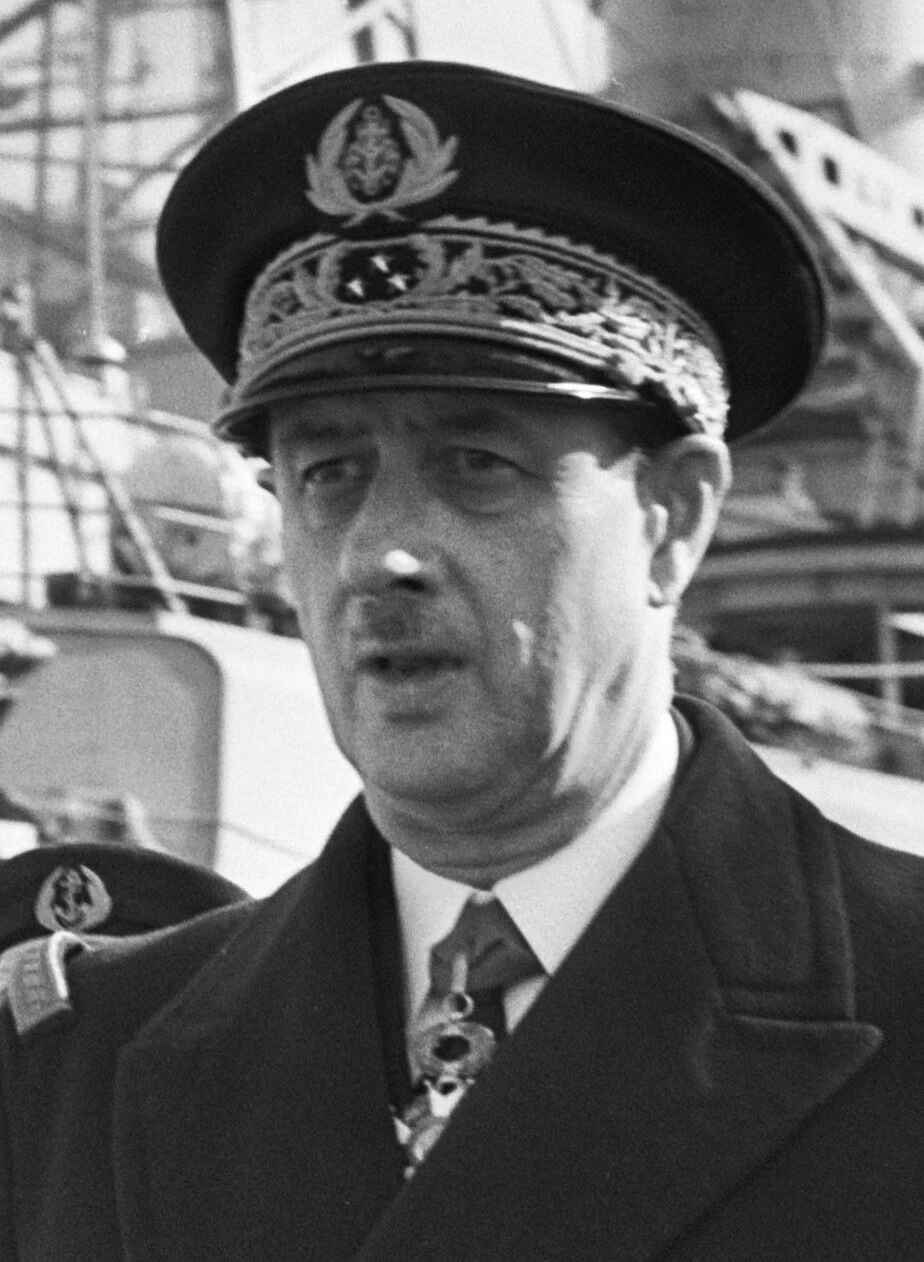
De Gaulle at Montcornet
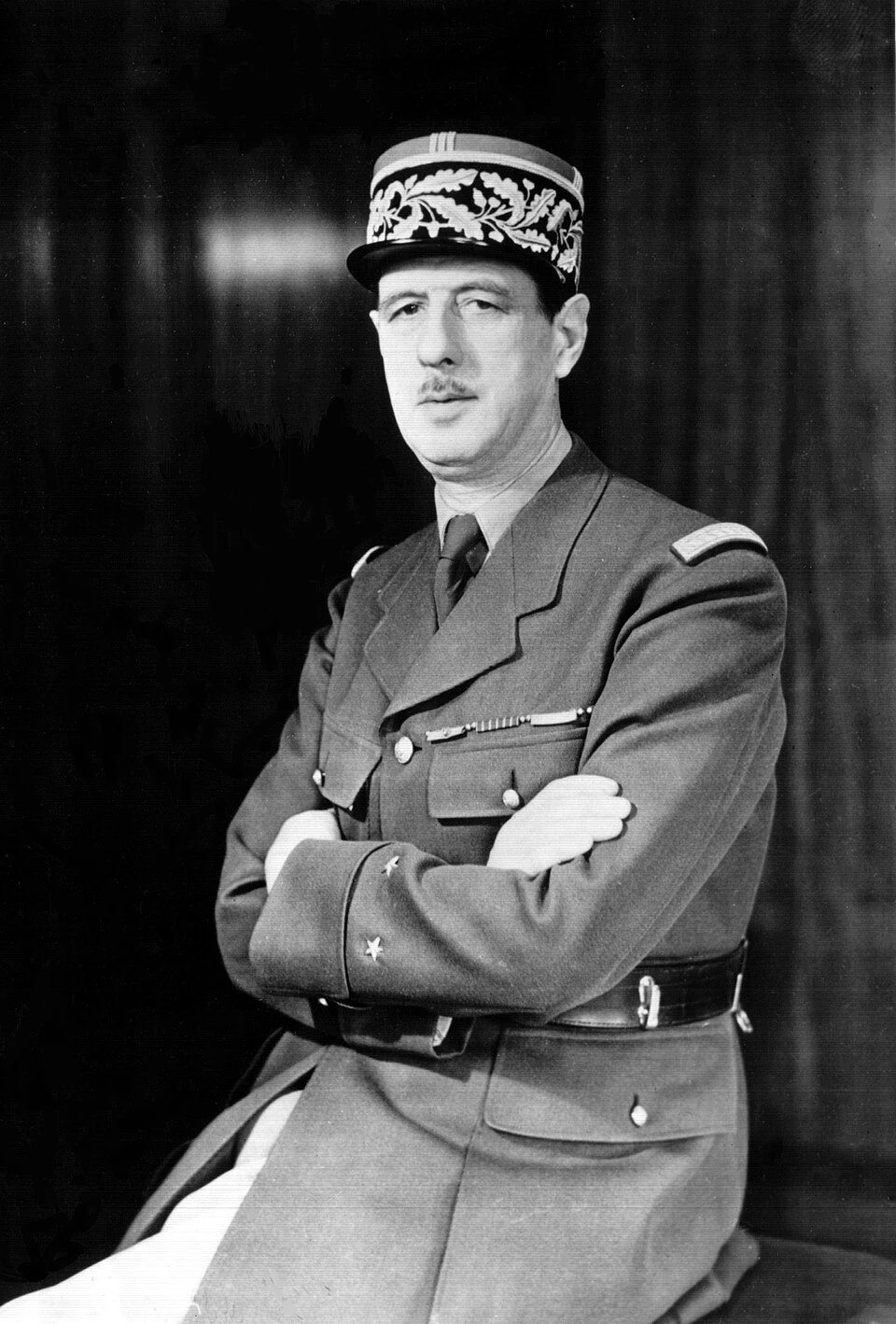
De Gaulle at Montcornet — 17 May
The Weygand Line on the Somme
Touchon on the Aisne — Fall Rot
Arras — the Matildas against Rommel's flank
Boulogne — Fox-Pitt and the Guards facing the port
Bulson — Lafontaine and the 02:00 rumour
Calais — Nicholson facing the ultimatum
The Arras counter-attack
De Gaulle at Abbeville
De Gaulle at Montcornet