
Should Detroit start building tanks?
In the summer of 1940, with France having just collapsed, , the man in charge of American industrial mobilization, telephones , the president of Chrysler, and asks whether the Detroit automaker can build tanks. Keller agrees in principle, but quickly discovers the scale of the task: a medium tank demands precision machining and heavy components that bear no comparison to an automobile. The tank's blueprints, weighing 186 pounds, arrive by mail on June 17.
The practical question remains wide open. Chrysler already has vast automobile plants in the Detroit area, but they are tooled for sheet metal and large-scale civilian production. Should they be converted as fast as possible, or should the company start from scratch? Keller must decide how to organize this unprecedented wartime production.
How should Chrysler organize itself to mass-produce tanks for the U.S. Army?
Keller refused to improvise tank production in existing automobile plants and insisted on a brand-new, fully dedicated, government-owned plant. The arsenal was authorized on August 15, 1940, designed by industrial architect and erected by Chrysler at Warren, Michigan, over the winter of 1940-1941. This Detroit Arsenal Tank Plant became the first American factory designed specifically to produce tanks in series; the first M3 medium tank rolled out on April 24, 1941, and the site went on to build roughly a quarter of all American tanks of the war.
Learn more about this event
Related polls
10
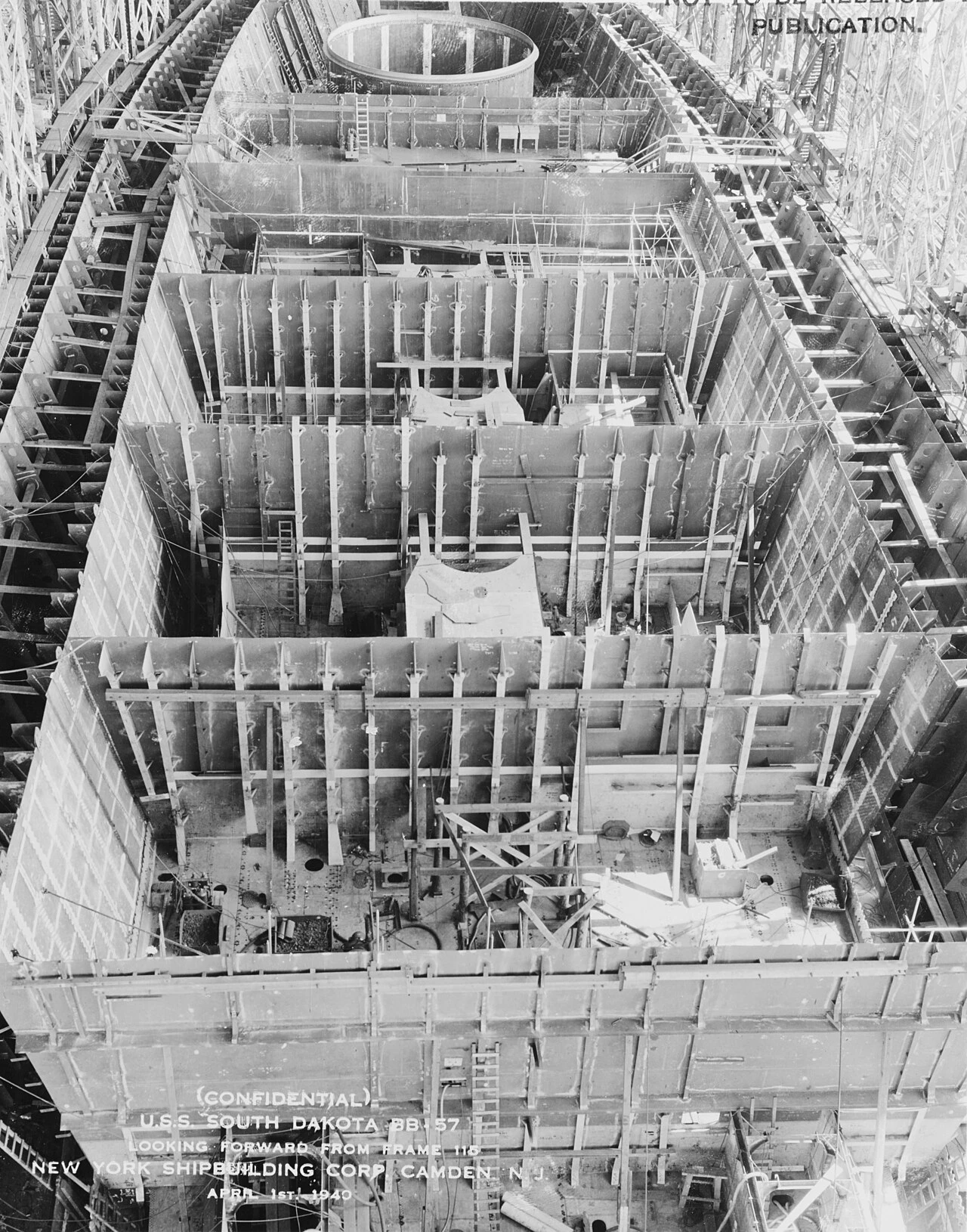
A Navy for Two Oceans
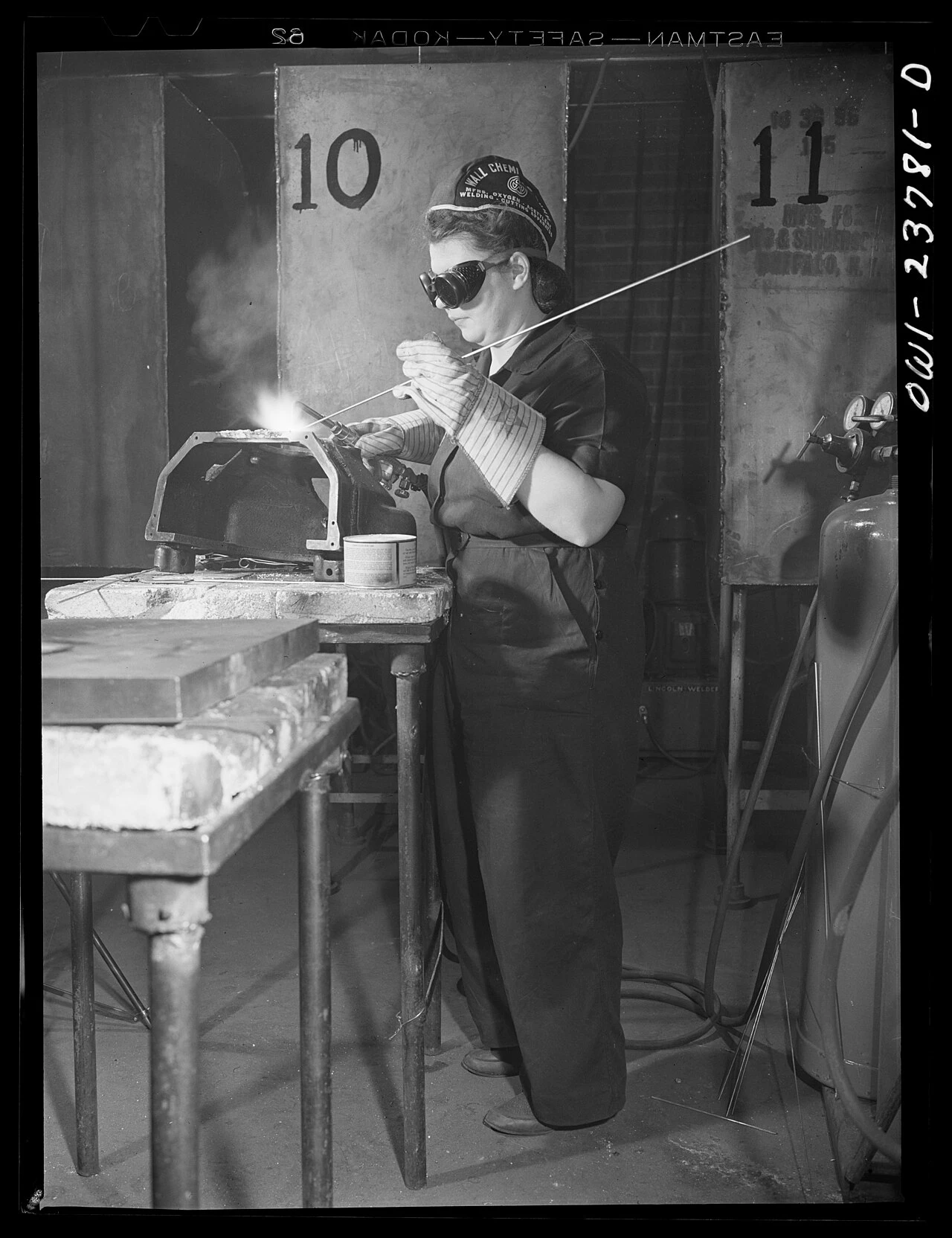
Persuade or Compel Industry
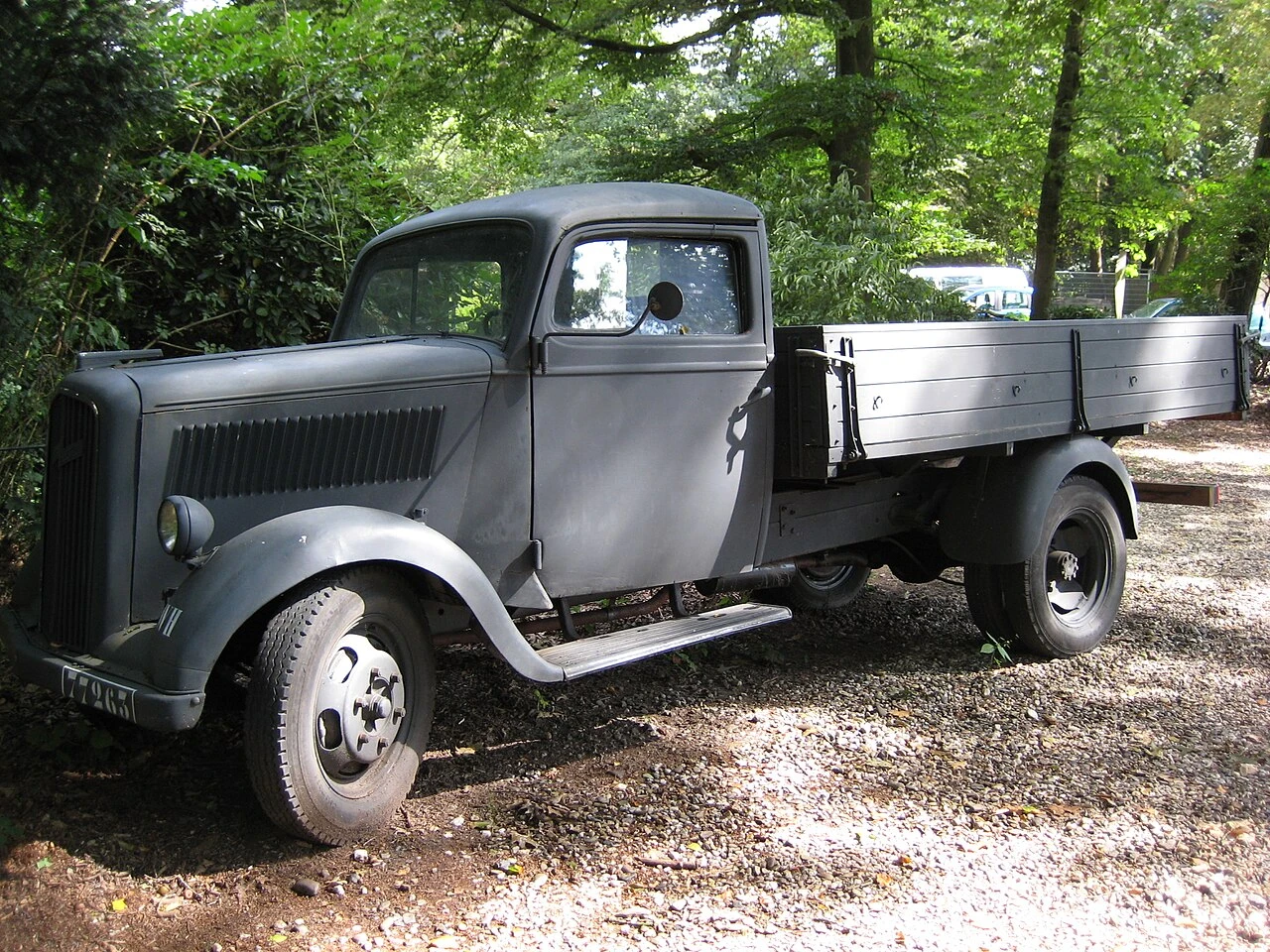
Opel under the wartime Reich: what does General Motors do?
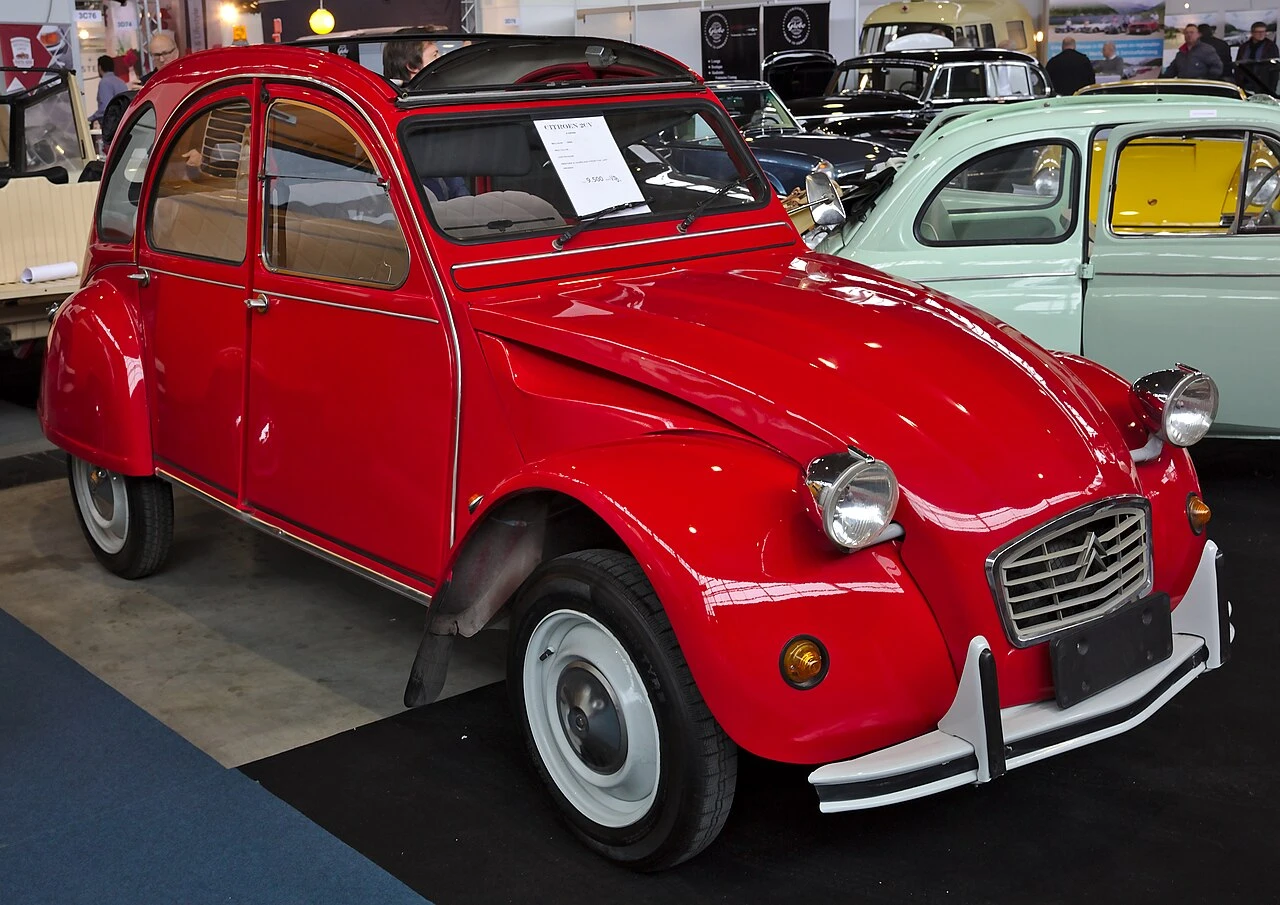
Citroën, the occupier and the secret little car

Should Stalin Be Armed?
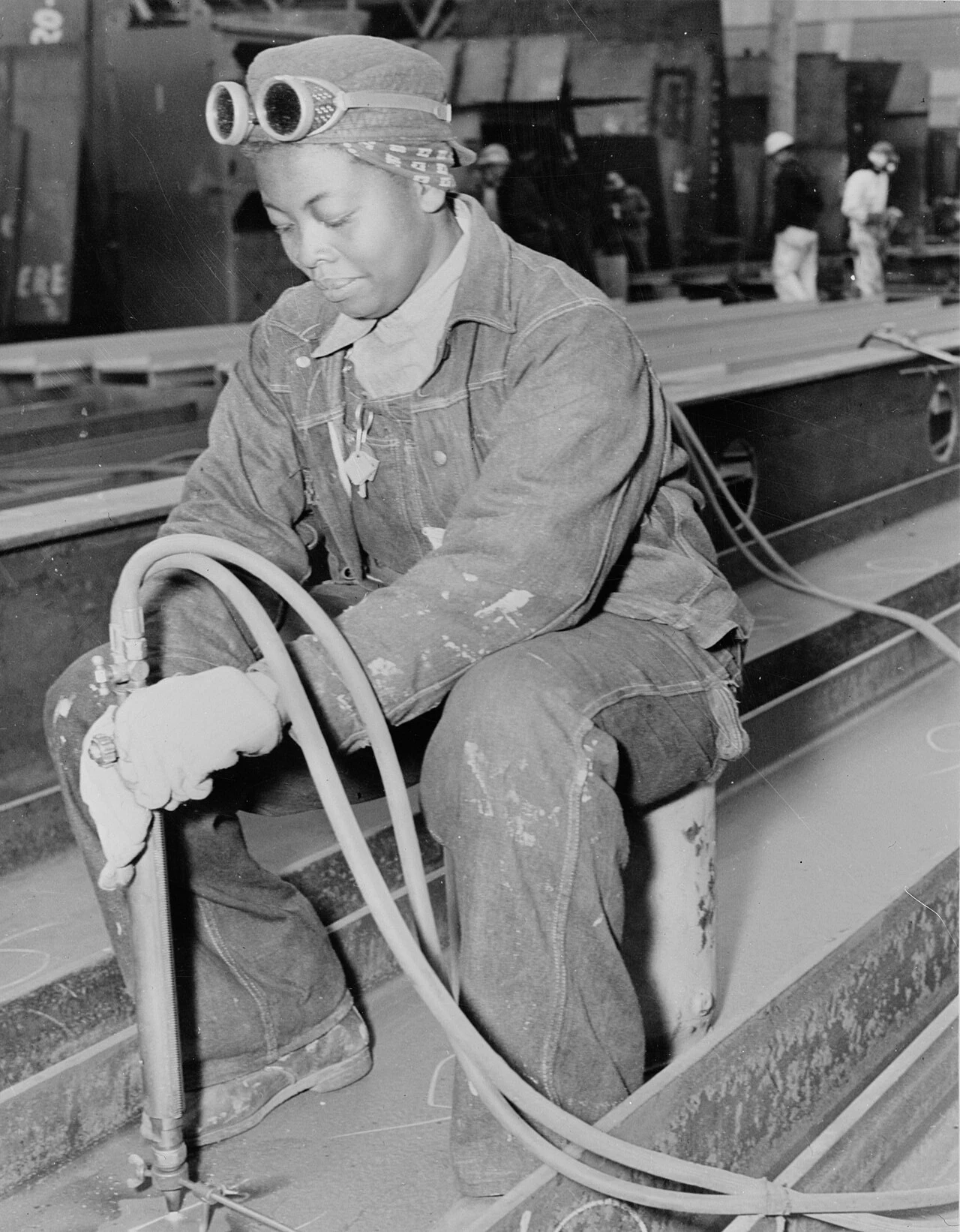
Kaiser, the Rivet and the Electric Arc
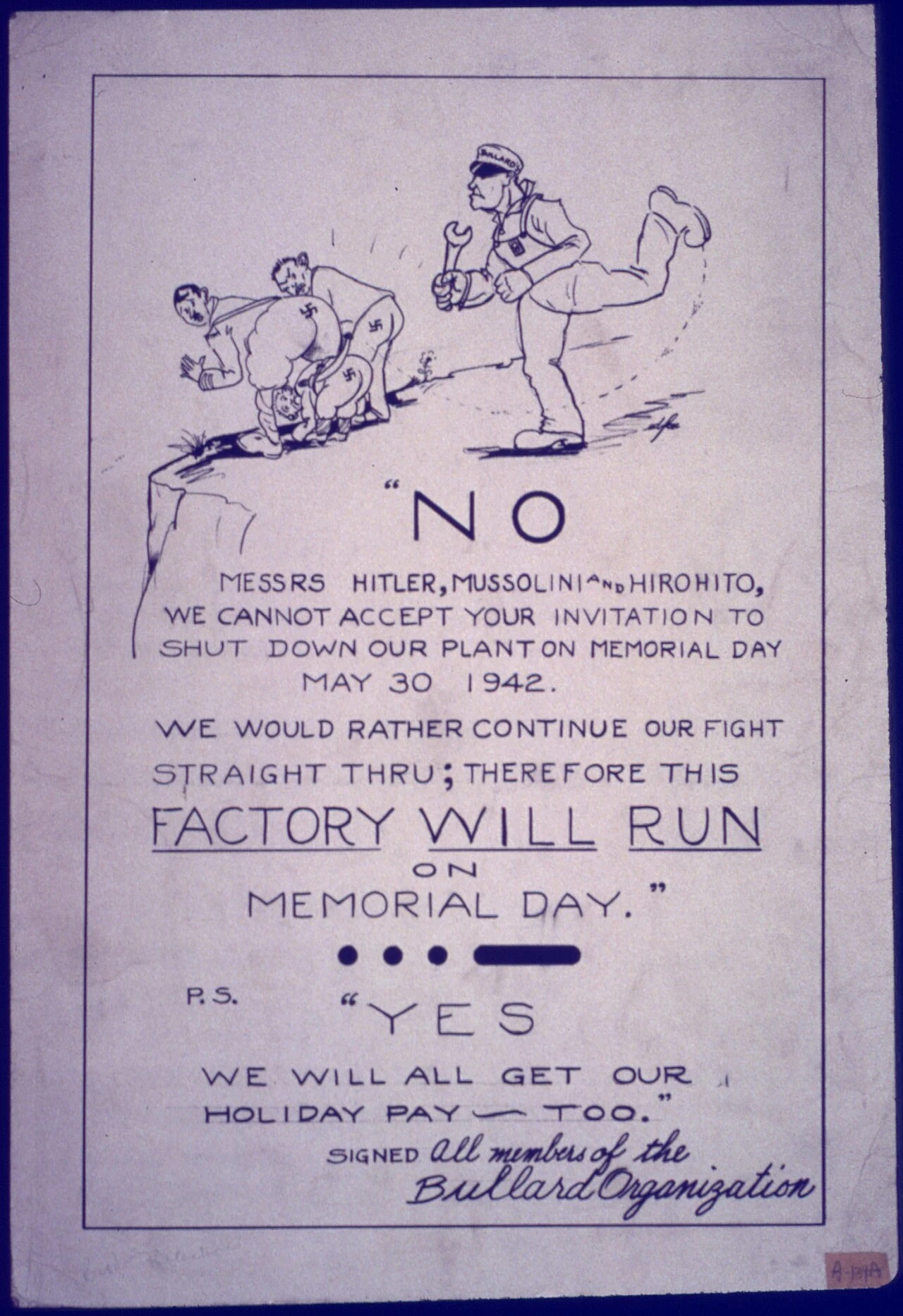
America Shifts to a War Economy

The Forgotten Tooling at Rock Island
Rubber or nothing — America's gamble on an unobtainable material
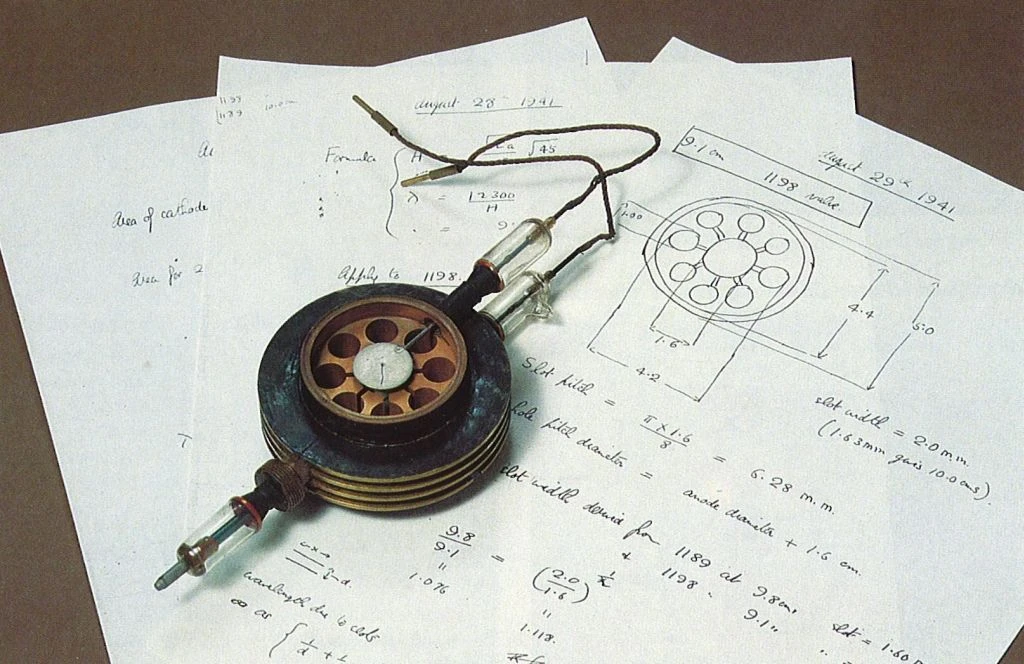
The Tizard Mission's Trunk for America
A Navy for Two Oceans
Persuade or Compel Industry
Opel under the wartime Reich: what does General Motors do?
Citroën, the occupier and the secret little car
Should Stalin Be Armed?
Kaiser, the Rivet and the Electric Arc
America Shifts to a War Economy
The Forgotten Tooling at Rock Island
Rubber or nothing — America's gamble on an unobtainable material