
HMS Rawalpindi — Kennedy at 3:47 p.m.
HMS Rawalpindi was originally a P&O liner (Peninsular and Oriental Steam Navigation Company), built in 1925, of 16,700 tons, assigned to the London-Bombay line. Requisitioned at the outbreak of war and converted into an Armed Merchant Cruiser, she carries as principal armament only eight very old 152 mm guns, inherited from the First World War; her crew of 277 is mostly reservists around a core of regulars.
She patrols the Denmark Strait, the 480 km passage between Iceland and Greenland, to prevent German ships from breaking out into the Atlantic. The mission remains largely theoretical, so poorly armed is she for it: barely 17 knots, no armour, an entirely manual fire-control system.
Her captain, , 60, is a recalled reserve officer — and the father of the future writer , who will become a BBC journalist and naval chronicler. On 23 November 1939 at 3:45 p.m., while cruising 70 miles south-east of Iceland, the Rawalpindi sees two massive silhouettes loom up: the German battlecruisers Scharnhorst and Gneisenau, having sailed from Wilhelmshaven on 21 November for their first ocean sortie of the war, under Admirals Marschall and Lütjens. Faced with these two behemoths — 32,600 tons and nine 280 mm guns each — the Rawalpindi is technically defenceless. Any combat would be suicidal.
What decision does Kennedy take at 3:47 p.m.?
Kennedy chooses B. At 3:51 p.m., he opens fire on the Scharnhorst at 8,600 metres with his 152 mm guns. Insignificant hit. The Scharnhorst replies at 3:56 p.m.: the third salvo of 280 mm pulverizes the bridge, killing Kennedy and all the deck officers. At 4:03 p.m., the Gneisenau also opens fire. At 4:11 p.m., the Rawalpindi is ablaze, masts broken, firing no more. At 4:25 p.m., she capsizes and sinks. Kennedy had transmitted before his death a clear message to the Admiralty giving the position of the two German battlecruisers. Toll: 238 British dead out of 277, including Kennedy. 37 prisoners recovered by the Germans, and 11 more by HMS Chitral. The Germans, informed that the was leaving Scapa Flow to intercept, return to Wilhelmshaven without further pursuit (24-28 November). The Rawalpindi's message probably saved dozens of merchant ships. Churchill, First Lord of the Admiralty, declares to the Commons on 27 November: "The HMS Rawalpindi has shown the eternal spirit of the navy. Captain Kennedy knew he had no chance. He fought nonetheless. His memory and that of his men will live with us." The episode enters British naval mythology as an example of fundamental tactical sacrifice. Kennedy receives posthumously the Distinguished Service Cross. His son Ludovic will become a naval critic and later a pacifist — his books Sub-Lieutenant (1942) and then Pursuit (1974) will revive his father's memory.
Learn more about this event
Related polls
10
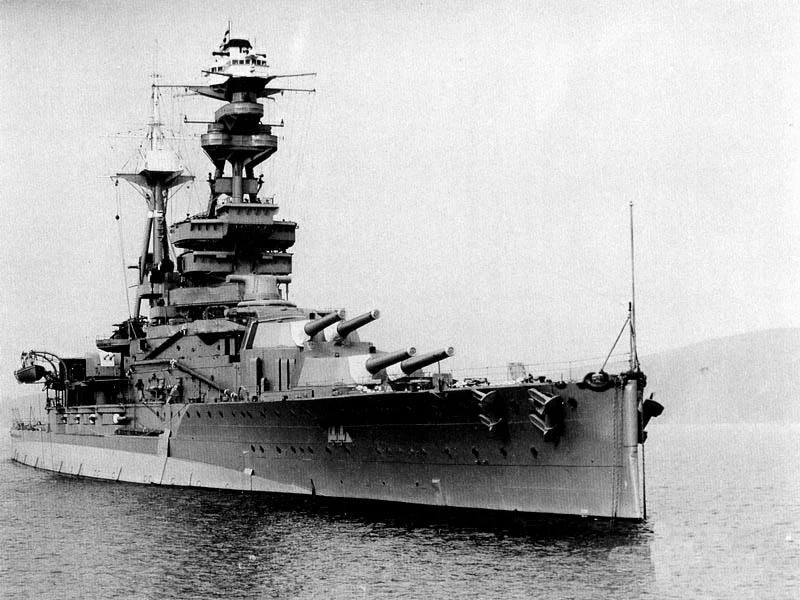
Royal Oak — Prien in Scapa Flow
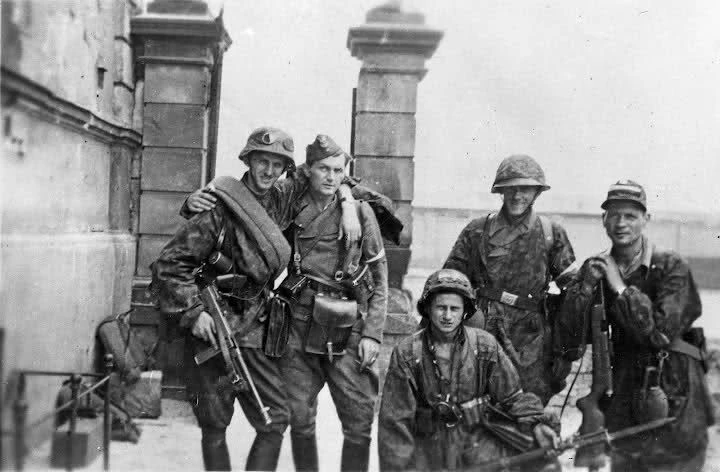
HMS Courageous — Makeig-Jones after the Torpedoes
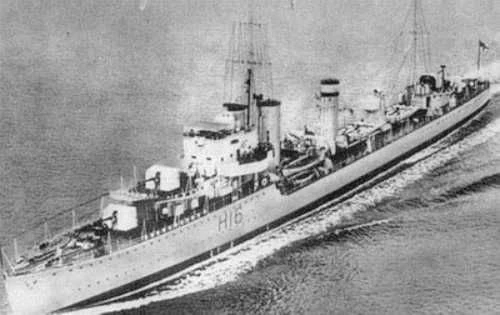
HMS Daring in the Pentland Firth
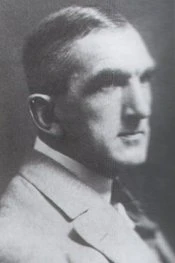
Fegen and the Jervis Bay — convoy HX-84
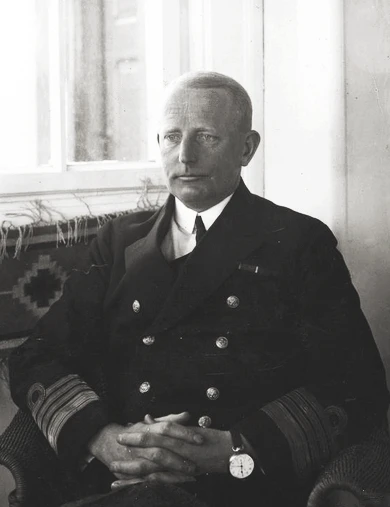
Hel — Unrug faces the German envoy
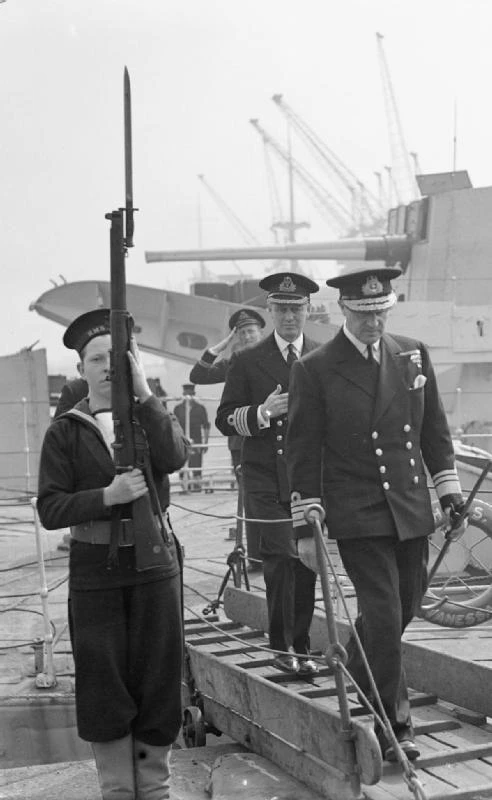
Whitworth and the Warspite — 13 April
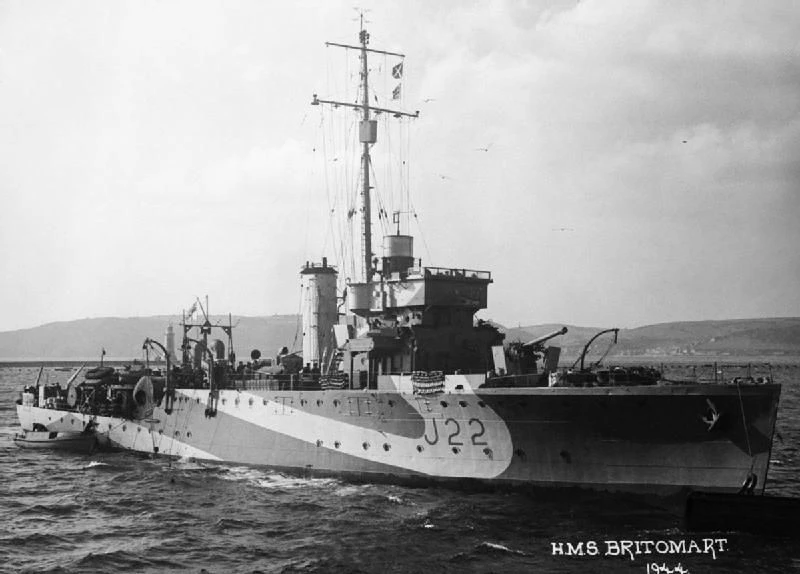
HMS Sphinx at Kinnaird Head
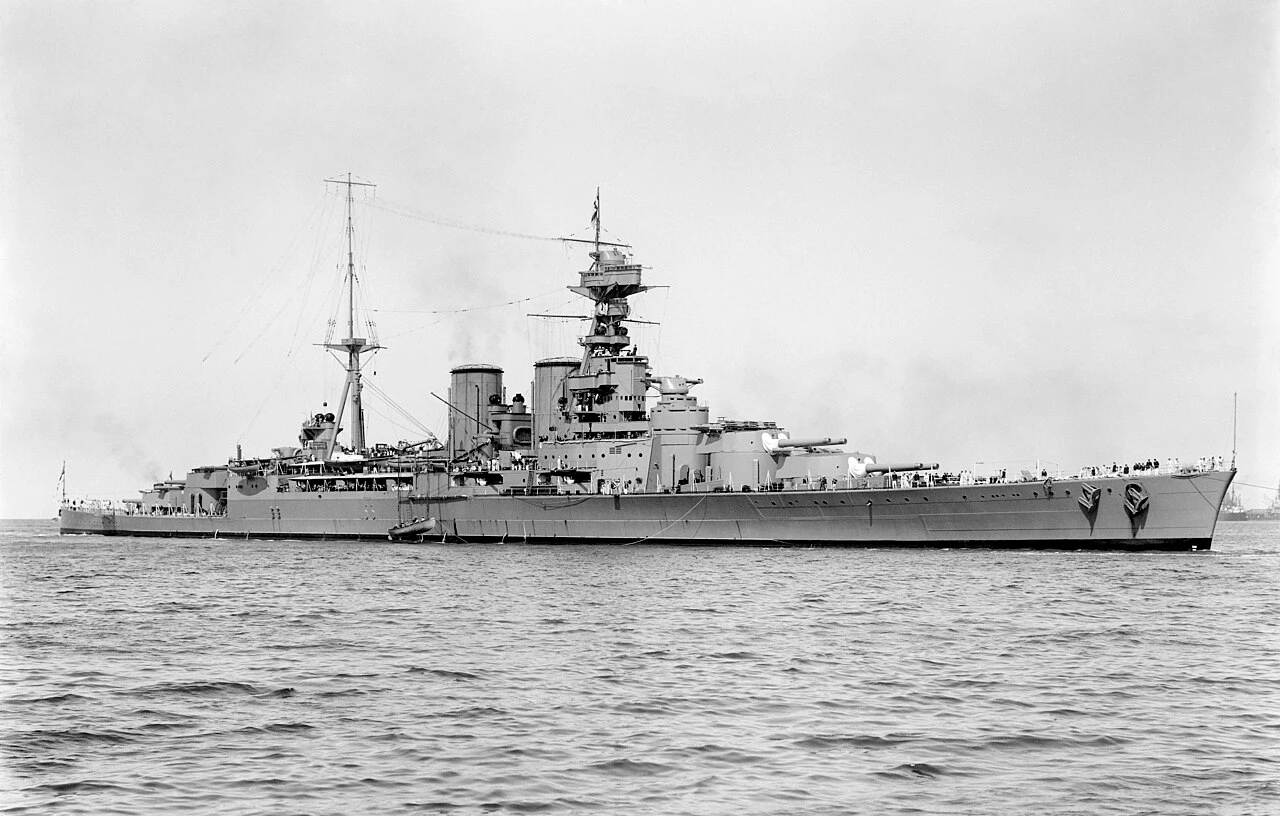
The Hood against the Bismarck
Kock — Kleeberg on the morning of 6 October
Ramsay at Dover Castle — Dynamo
Royal Oak — Prien in Scapa Flow
HMS Courageous — Makeig-Jones after the Torpedoes
HMS Daring in the Pentland Firth
Fegen and the Jervis Bay — convoy HX-84
Hel — Unrug faces the German envoy
Whitworth and the Warspite — 13 April
HMS Sphinx at Kinnaird Head
The Hood against the Bismarck
Kock — Kleeberg on the morning of 6 October