
Scarcely is the Pact of Steel signed when the Italian military chiefs relay to Mussolini a verdict beyond appeal: Italy is incapable of sustaining a great war in the short term. The stocks of raw materials are insufficient, the navy and air force incomplete, the army poorly equipped after the bloodlettings of Ethiopia and Spain. Marshal Cavallero compiles these data in a memorandum.
The pact has nonetheless just committed Italy to entering the war alongside Germany without condition. Yet Mussolini knows that Berlin could trigger a conflict as early as the autumn over the Polish question. The Duce finds himself caught between his desire for prestige and the reality of Italian weakness.
Several paths are open to him. To confess frankly to Hitler that Italy will not be ready for several years and to demand a long period of peace? To bluff by displaying a false confidence so as not to lose face? Or to seek discreetly to disengage from the most binding clauses of the pact? The message he sends to Berlin will weigh on Hitler's timetable.
Should Mussolini confess to Hitler Italy's unpreparedness and demand a long period of peace?
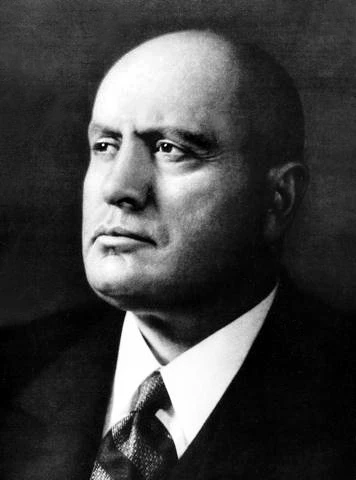
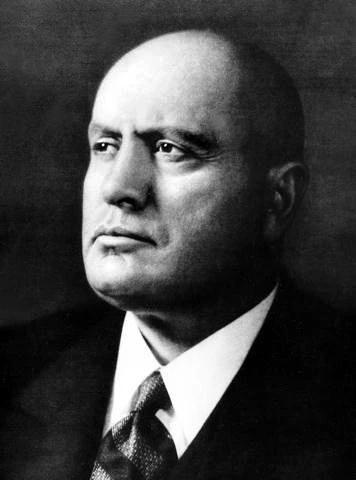
Mussolini chooses A: at the end of May 1939, he has transmitted to Berlin the so-called 'Cavallero' memorandum, setting out that Italy will not be able to sustain a general war before 1942-1943 and asking for a long period of peace to complete its rearmament. Hitler acknowledges receipt without modifying his plans. This discrepancy between the commitment of the Pact of Steel and the Italian military reality explains why, in September 1939, Italy will declare itself 'non-belligerent' rather than entering the war — to the great relief of its own generals, and to the disappointment of Berlin. Hitler, for his part, does not give up his timetable and continues to prepare methodically the attack on Poland.
Learn more about this event
Related polls
10
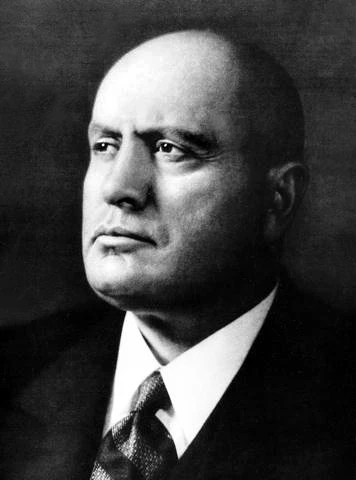
The Pact of Steel
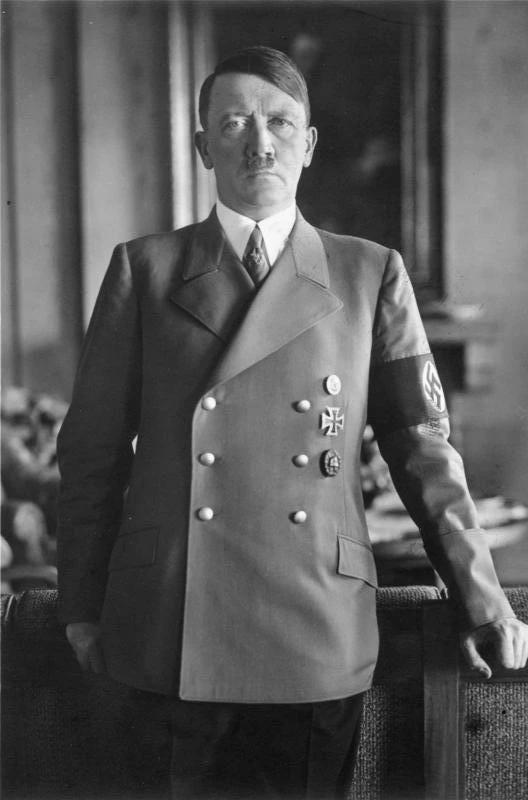
Hitler Before His Generals
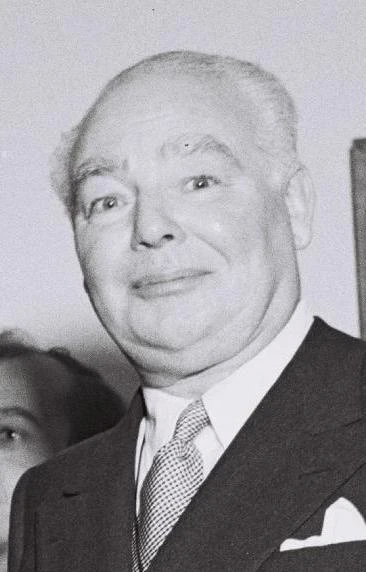
The Military Training Act
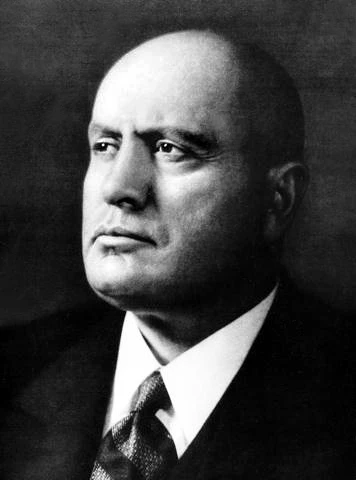
Mussolini at the Palazzo Venezia — early June
Mussolini on the Riviera — 21 June
Armed Neutrality
The Moscow Talks
The Brenner Pass meeting
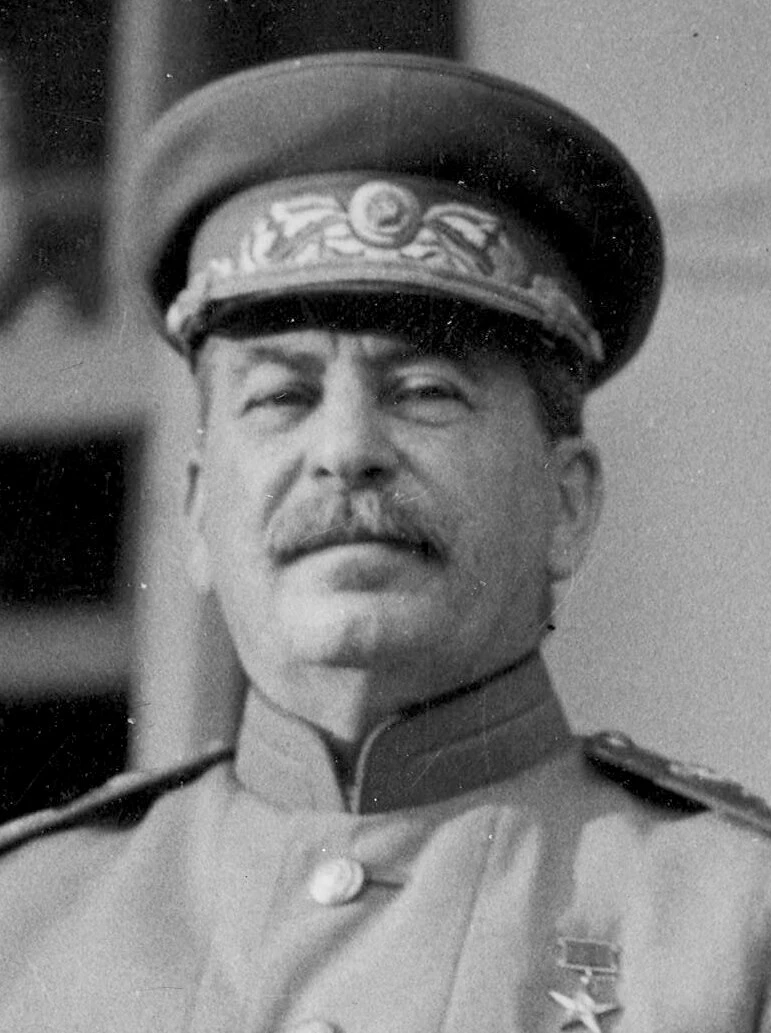
The Dismissal of Litvinov
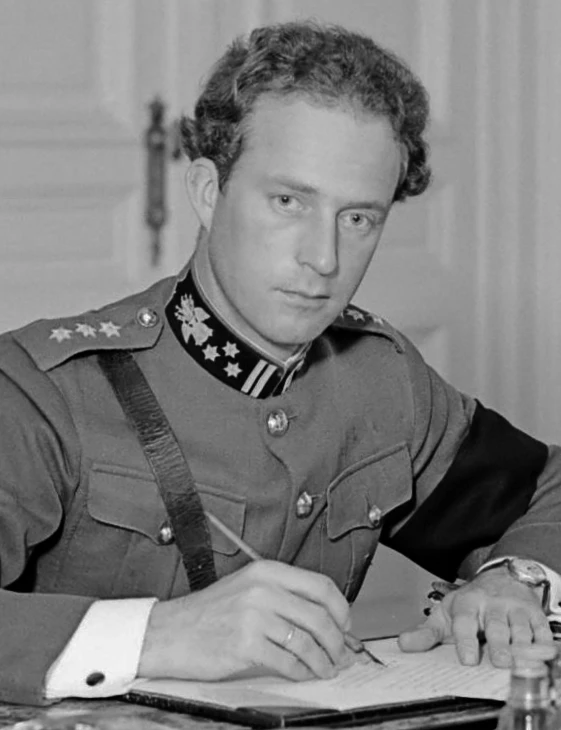
Brussels, September 1939: a small country's tightrope walk
The Pact of Steel
Hitler Before His Generals
The Military Training Act
Mussolini at the Palazzo Venezia — early June
Mussolini on the Riviera — 21 June
Armed Neutrality
The Moscow Talks
The Brenner Pass meeting
The Dismissal of Litvinov