
After the capture of Kassala and Agordat, the British advance in Eritrea runs into a formidable obstacle: Keren, a mountain lock commanding the road to Asmara and the port of Massawa. The town is protected by an amphitheater of steep peaks, where the Italians and their Eritrean colonial troops (ascari) have had time to establish themselves solidly, blasting the passes and mining the slopes.
For the Italians of East Africa, cut off from any supply since 1940, Keren is the last real chance to hold: the terrain compensates for their isolation and their growing material inferiority. The defenders, including elite units rushed up, know that to lose Keren is to open the way to the collapse of the whole colony.
The British — 4th and 5th Indian divisions — discover that the position will not fall by surprise. On both sides, the question is one of how to fight in this terrain: try repeated frontal assaults on the crests, at the cost of heavy losses; patiently seek a flanking route through the mountains; or, for the defenders, hold at all costs, gambling on the attacker's exhaustion.
How is the mountain lock of Keren to be carried — or held?
Keren gave rise to one of the hardest battles of the campaign: begun in early February 1941, it lasted nearly eight weeks. The Italians and ascari held with a tenacity that commanded respect (C), repulsing costly frontal assaults; the British eventually combined frontal pressure and infiltration of the crests (A and B) before carrying the position in late March 1941. The fall of Keren opened the road to Asmara and Massawa and precipitated the collapse of Italian East Africa, whose capital Addis Ababa would be retaken in April and the last redoubt (Gondar) in November 1941. Keren remains a reminder that, on the right ground, Italian and colonial troops could put up a fierce resistance.
Learn more about this event
Related polls
10
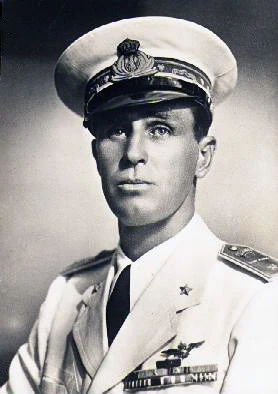
Amba Alagi — the Duke of Aosta encircled
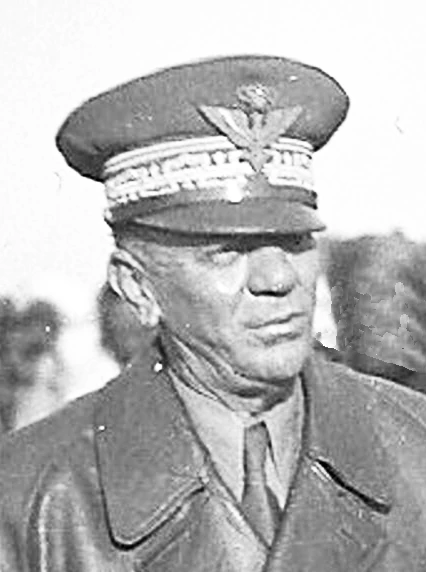
Asmara: a second Keren or an open city?
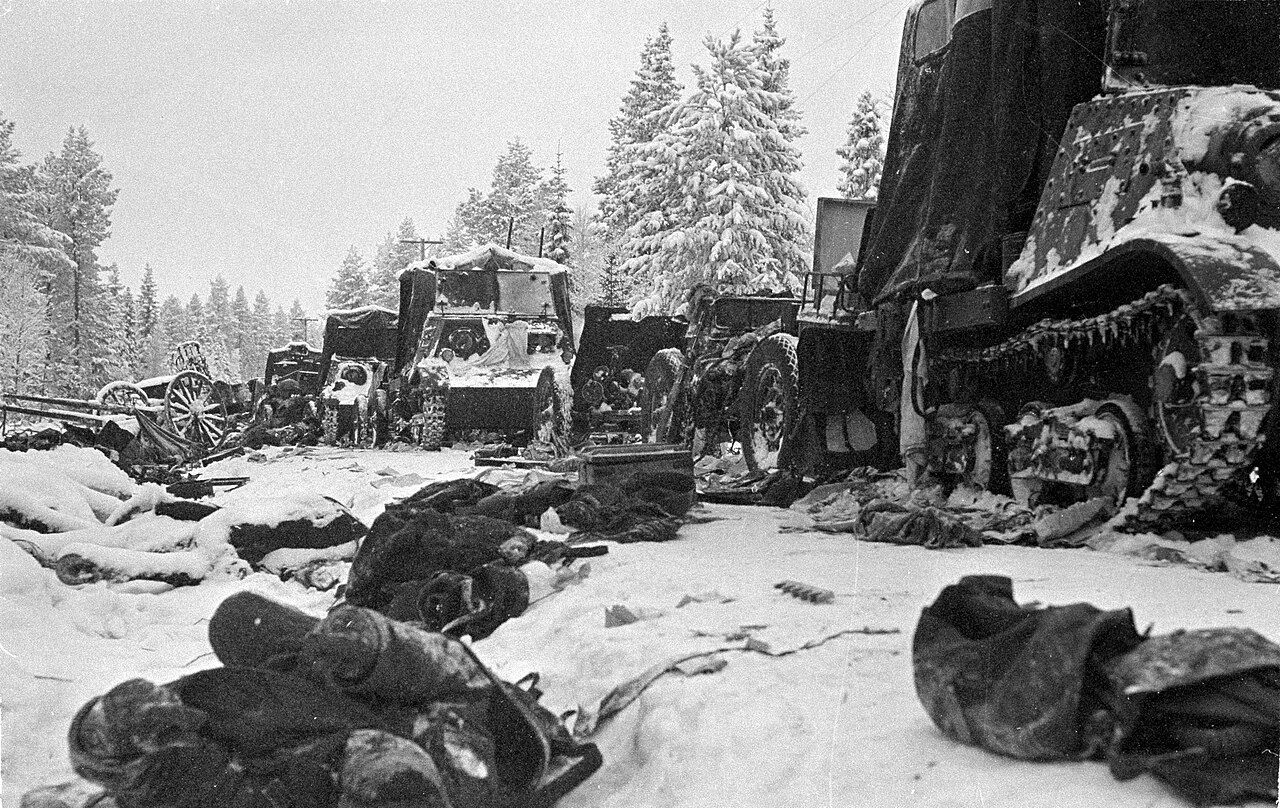
Raate — Vinogradov on the frozen road
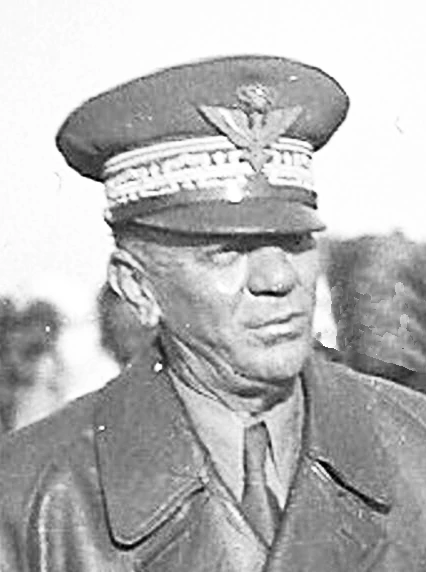
Prestige or orders, at Kassala
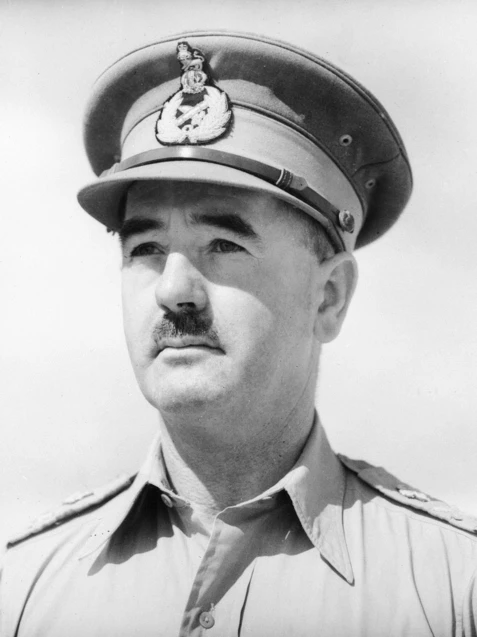
Morshead — Tobruk encircled, 10 April
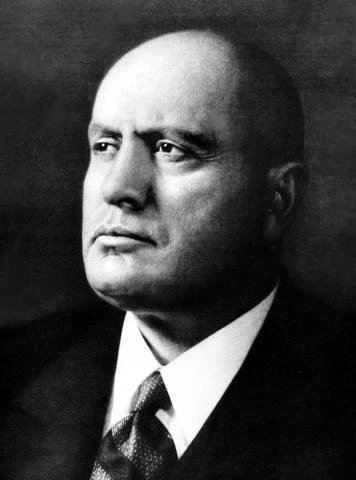
Hold the bastion or save the divisions?
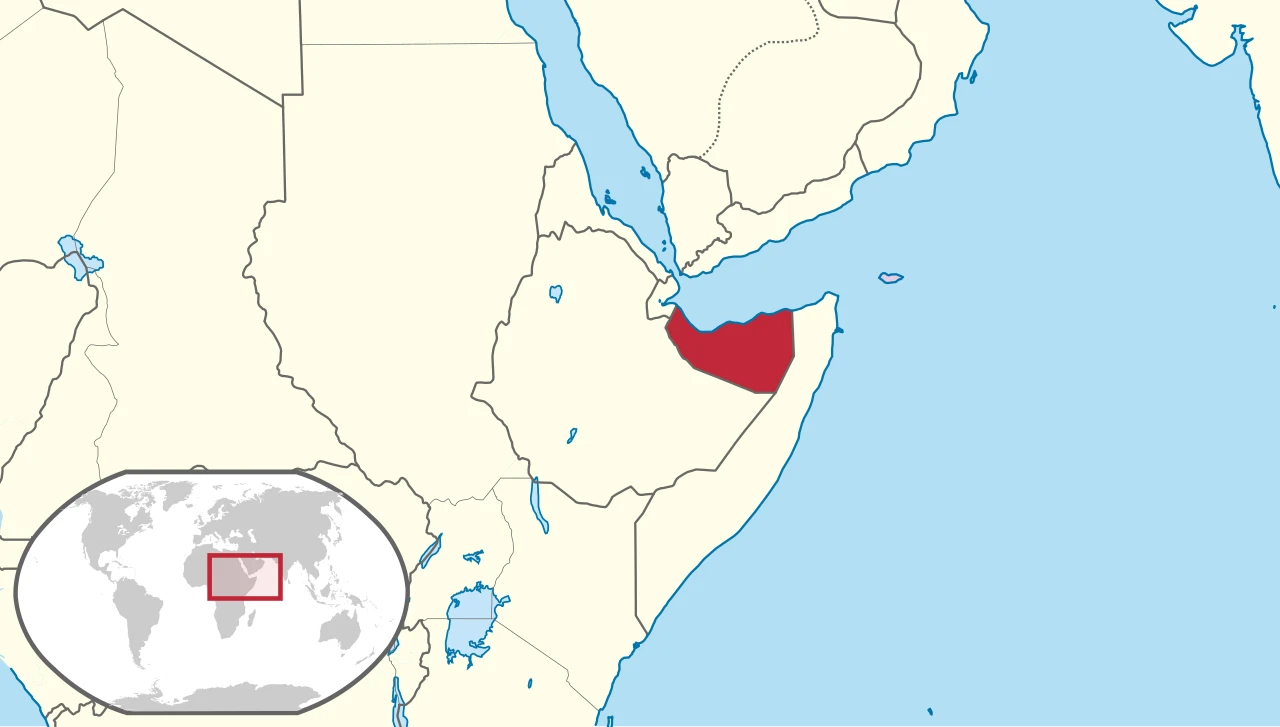
Tug Argan — fall back or hold in Somaliland
The ANZACs at Thermopylae
Barbarossa — 3:15 a.m.
Brest — the Encircled Fortress
Amba Alagi — the Duke of Aosta encircled
Asmara: a second Keren or an open city?
Raate — Vinogradov on the frozen road
Prestige or orders, at Kassala
Morshead — Tobruk encircled, 10 April
Hold the bastion or save the divisions?
Tug Argan — fall back or hold in Somaliland
The ANZACs at Thermopylae
Barbarossa — 3:15 a.m.