
General , 57, is British commander-in-chief of the Middle East, a vast theatre running from Egypt to East Africa. A cultivated and taciturn officer, he bears the responsibility of defending the Suez Canal and the approaches to the Near East against Italy with derisory means.
In mid-August 1940, bad news reaches Cairo: British Somaliland is lost. Outnumbered fifteen to one, its small garrison fought a delaying action at Tug Argan pass, then withdrew and was evacuated to Aden. The human toll is remarkably light — a few dozen British dead for an entire colony.
It is precisely this lightness that provokes London's fury. , both Prime Minister and Minister of Defence, judges that the troops did not put up a vigorous enough defence: so few casualties, in his eyes, betray a lack of fighting spirit, and deprive the press of a heroic story. On 19 August, he presses Wavell to explain himself, suggesting that a bloodier resistance would have been preferable. Wavell holds his reply at the end of the telegraph wire.
Should one defend a withdrawal that cost few lives, or yield to the pressure calling for a bloodier fight for propaganda effect?
Wavell chooses A: he openly defends the conduct of the retreat and replies to Churchill, by cable, that 'a big butcher's bill was not necessarily evidence of good tactics'. The formula, of cool defiance, deeply offends the Prime Minister and lastingly poisons their relations. Churchill will not forgive this insubordinate tone; despite Wavell's victories in Operation Compass a few months later, he will transfer him to India in 1941. Wavell's retort has nonetheless become proverbial, cited as the classic defence of a commander who refuses to measure success by the body count. Viceroy of India from 1943 to 1947, made field marshal and then earl, Wavell dies in 1950.
Learn more about this event
Related polls
10
Bombing London — and the reply on Berlin
Éboué Rallies Chad
The Belgian Congo in the War
Hanoi — the Japanese ultimatum in Indochina
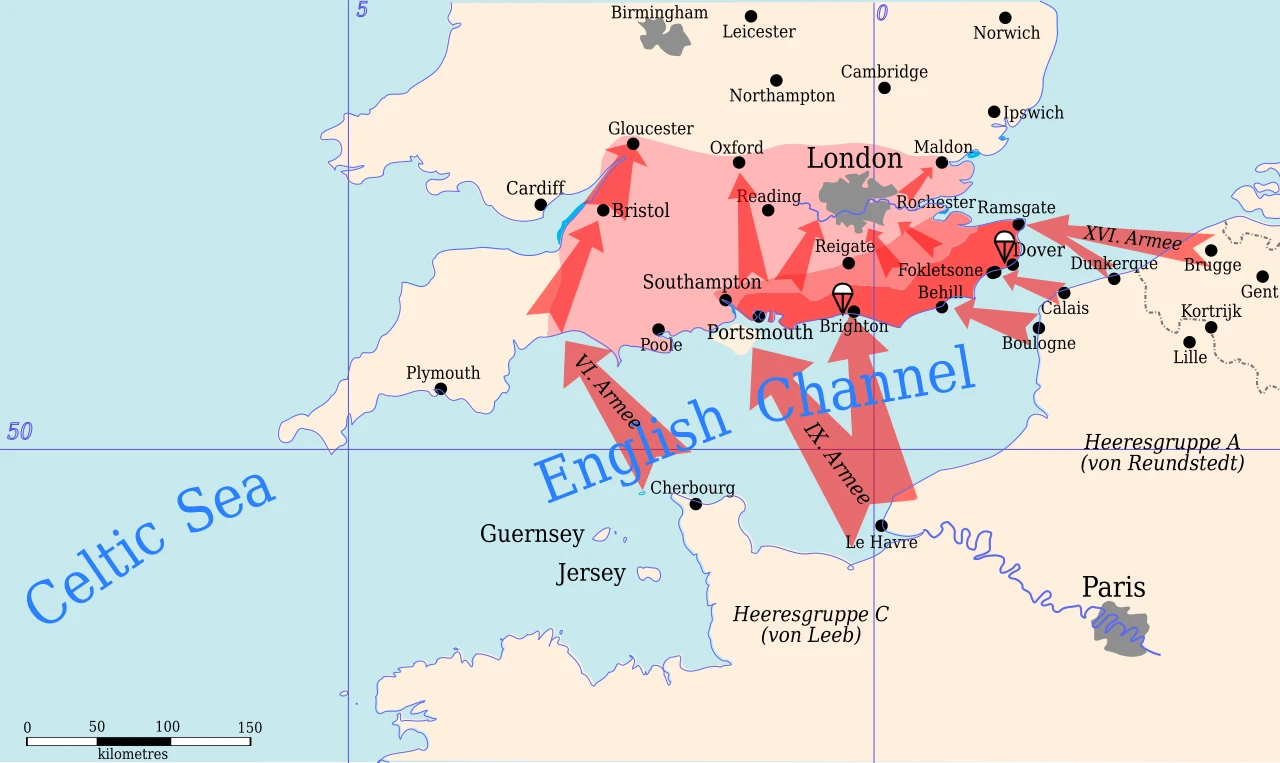
Hitler faces Sea Lion — September 17
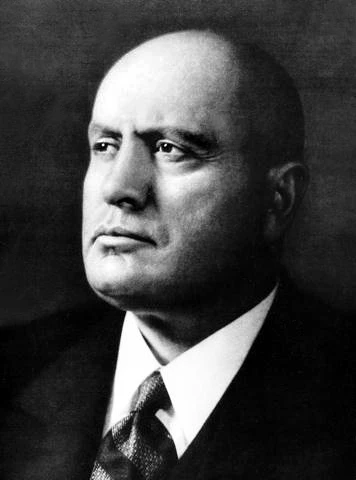
Mussolini, the Duce and the "Fait Accompli" — Rome, 15 October 1940
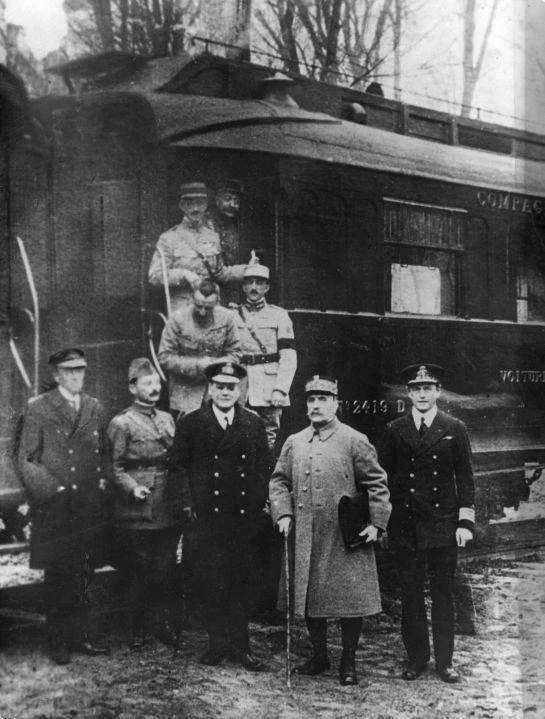
Rethondes — Article 8 on the Fleet
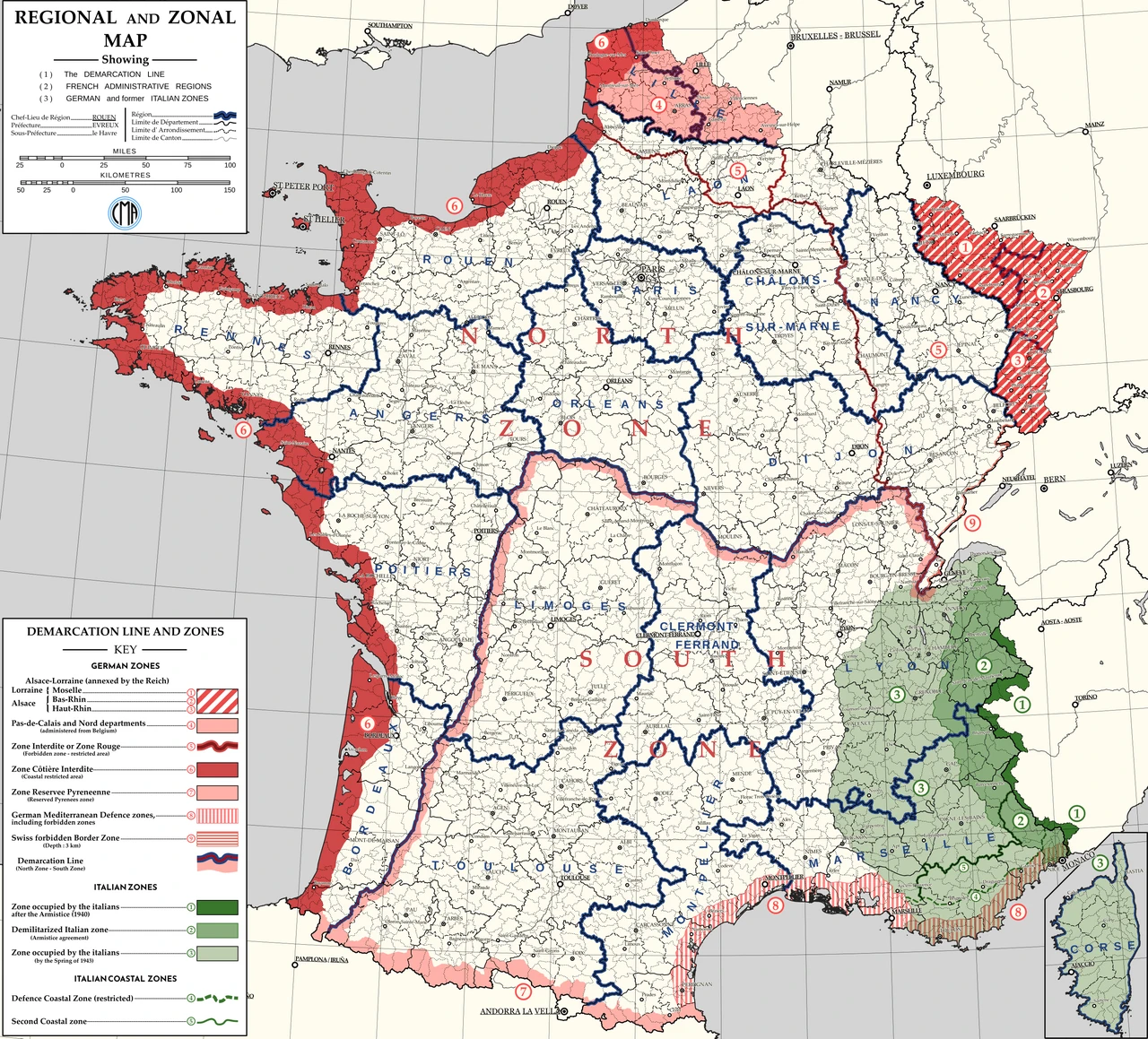
Wiesbaden — Tracing the Demarcation Line
Alexandria — the other fleet

Germany first, even before the war
Bombing London — and the reply on Berlin
Éboué Rallies Chad
The Belgian Congo in the War
Hanoi — the Japanese ultimatum in Indochina
Hitler faces Sea Lion — September 17
Mussolini, the Duce and the "Fait Accompli" — Rome, 15 October 1940
Rethondes — Article 8 on the Fleet
Wiesbaden — Tracing the Demarcation Line
Alexandria — the other fleet