
The aborted Weygand counter-attack
Having become commander-in-chief on 20 May, General Weygand devises a plan to save the situation: to cut the narrow "corridor" carved out by the Panzers as far as the Channel, by a double converging attack — the armies of the North (British, French, Belgian) striking southward, the armies reconstituted south of the Somme striking northward. If successful, the operation would isolate the German armour from its infantry and its supplies.
But the plan requires perfect coordination between separated forces, exhausted, poorly linked, of three nationalities, under constant German pressure. Time is short, communications are cut, and each day of delay seals the trap.
The command can attempt the concerted North–South counter-attack, the only theoretical chance of reversing the situation, despite the extreme difficulty. Give up and organise an evacuation by sea from the outset to save the troops of the North. Or play for time, seeking first to re-establish the links. The execution of the "Weygand plan" would depend on factors largely beyond control — among them inter-Allied coordination.
Should the Allied command attempt the concerted counter-attack, give it up in order to evacuate, or play for time to re-establish the links?
The command attempts A, but the plan fails: the concerted counter-attack never really materialises. The accidental death of Billotte (coordinator of the North), the exhaustion of the troops, the absence of reliable links, the German pressure and Gort's decision to withdraw on Dunkirk make the operation impossible. The only notable action, the British counter-attack at Arras (21 May), lacked the required depth. Having failed to cut the corridor, the armies of the North are condemned to evacuation (Dynamo). The "Weygand plan", militarily sound on paper, would remain the illustration of the impossibility, at this stage, of coordinating a dislocated coalition against an adversary master of the tempo.
Learn more about this event
Related polls
10
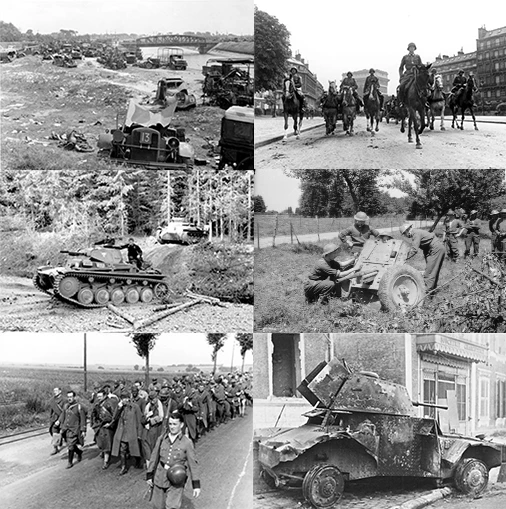
The reckoning of a campaign
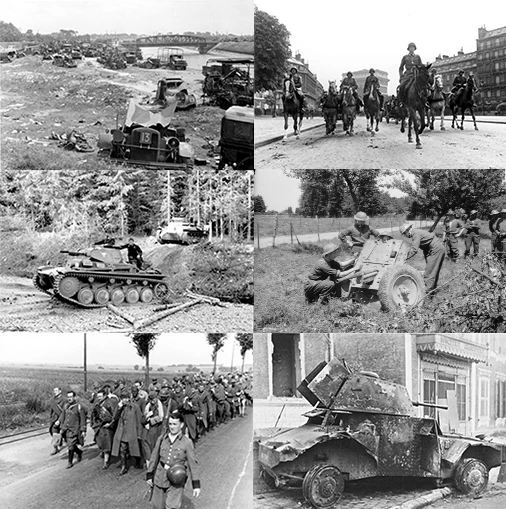
The Campaign's Toll — 10 May to 25 June
Commanding a battle without radio
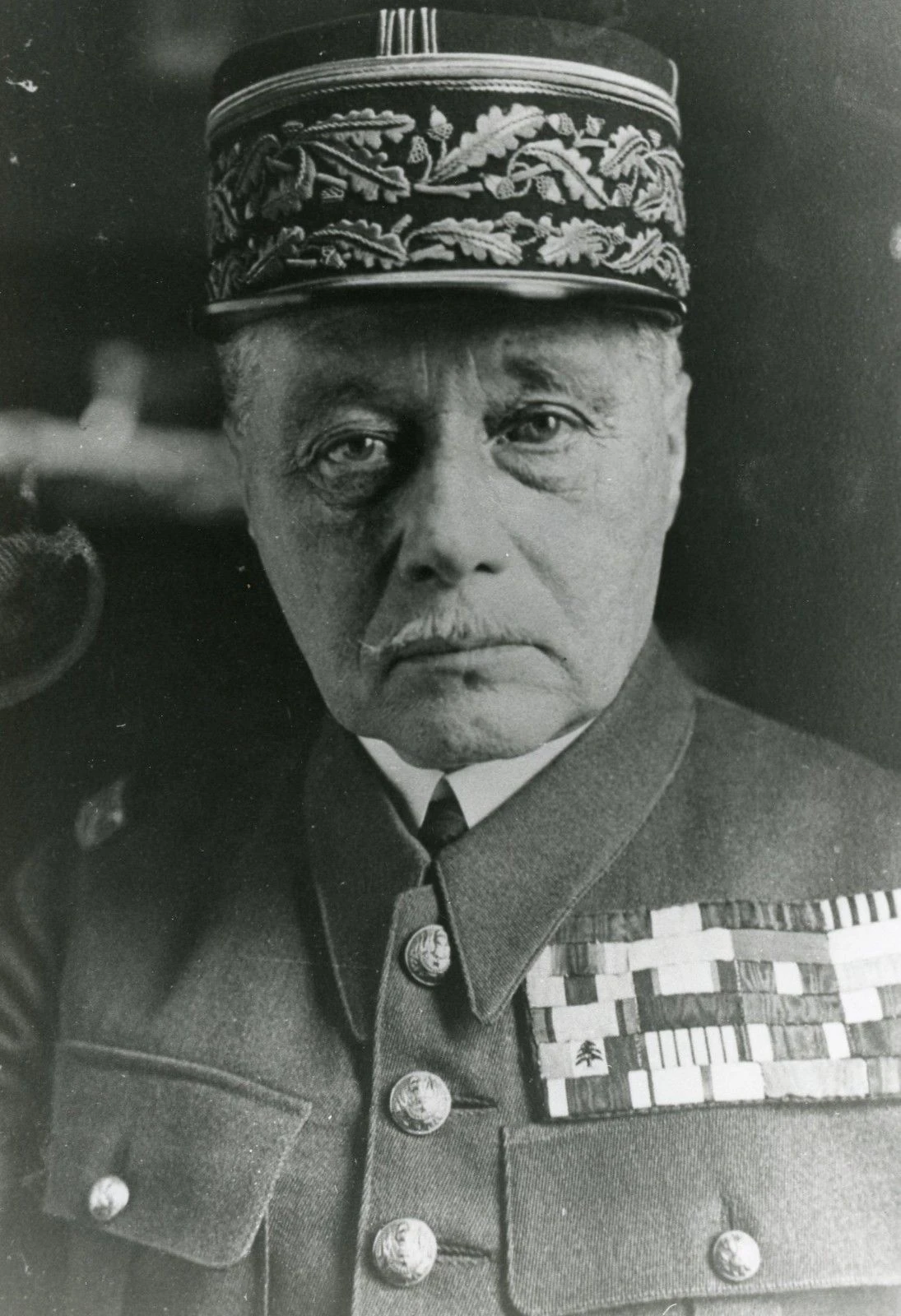
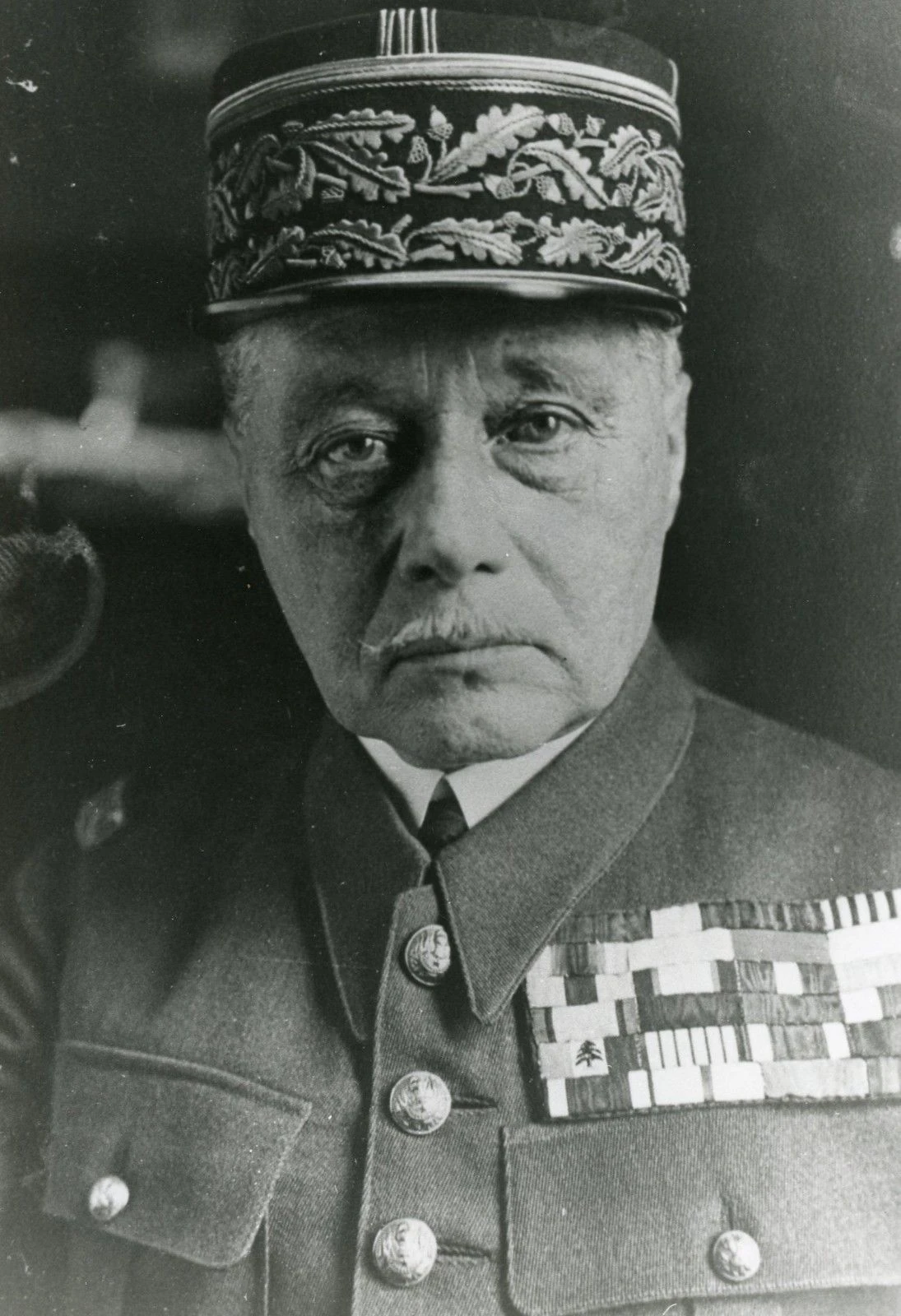
Gamelin, one last order before the envelope
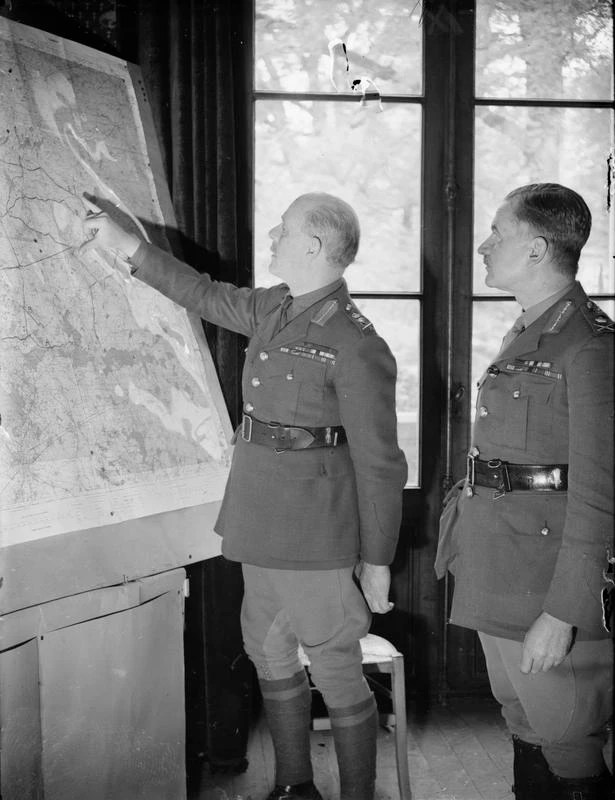
Gort at Habarcq — trust in the French plan
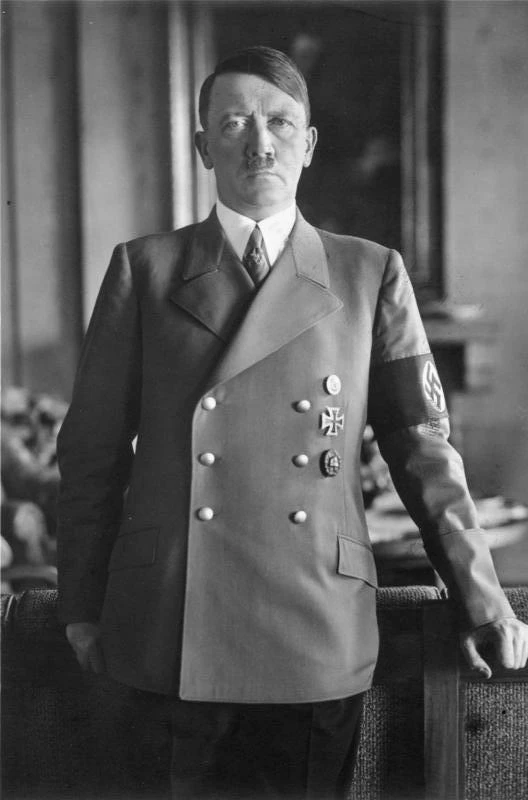
Guderian and the stop order
Halt-Befehl — Charleville 24 May 12:30
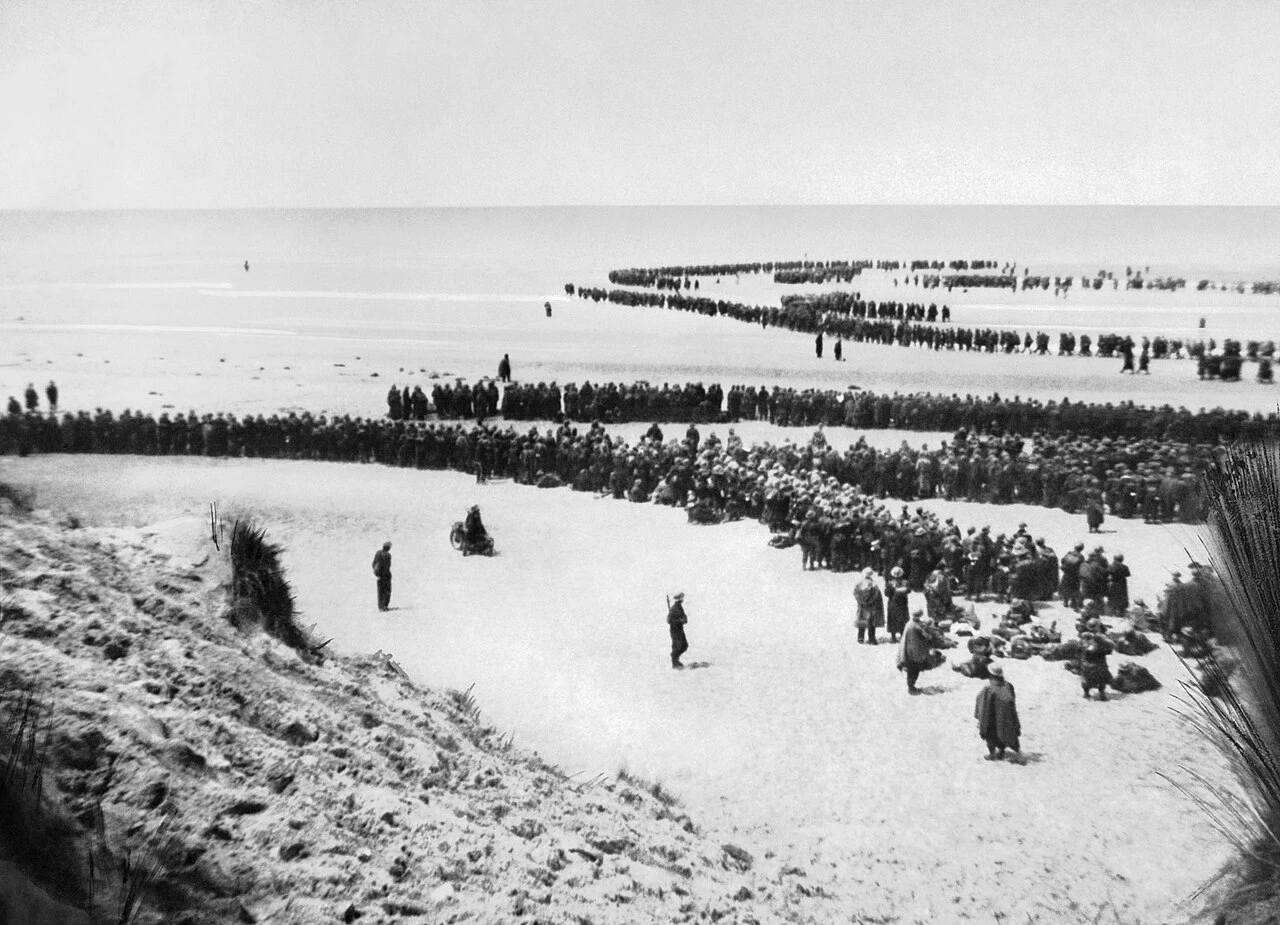
The "Halt Order" before Dunkirk
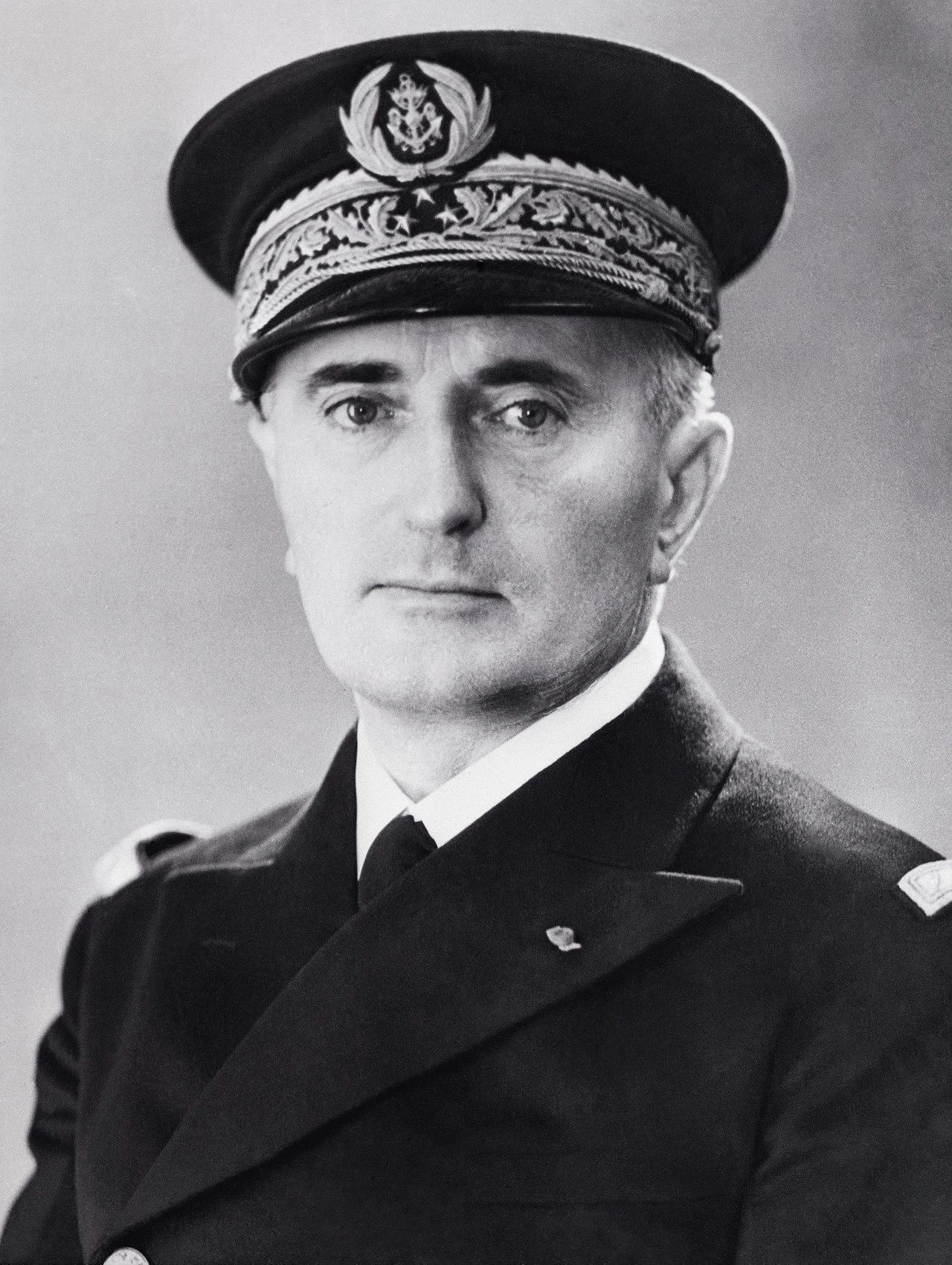
The French navy disperses
The death of Billotte
The reckoning of a campaign
The Campaign's Toll — 10 May to 25 June
Commanding a battle without radio
Gamelin, one last order before the envelope
Gort at Habarcq — trust in the French plan
Guderian and the stop order
Halt-Befehl — Charleville 24 May 12:30
The "Halt Order" before Dunkirk
The French navy disperses