
Car assembly lines for an aircraft engine
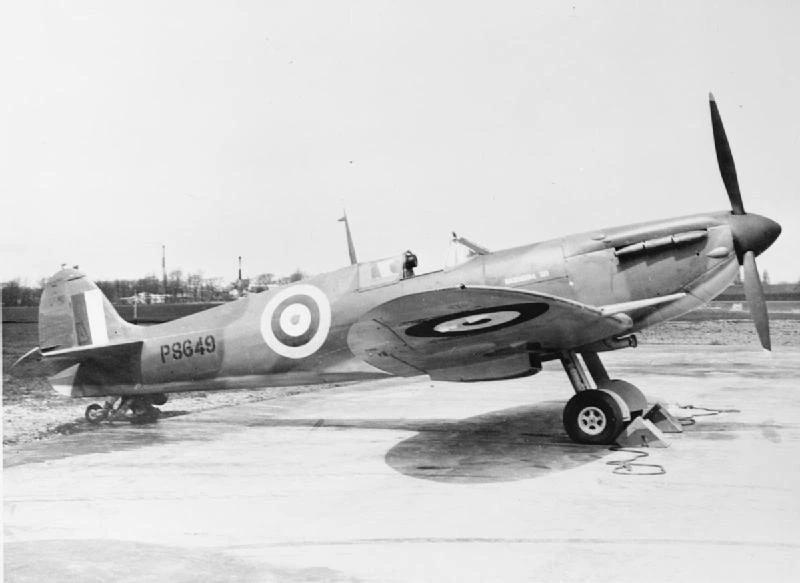
In the autumn of 1939, Rolls-Royce's Merlin engine powers the Spitfires, the Hurricanes, and soon the heavy bombers. But the Derby factory cannot keep up: output remains far short of the needs of an RAF preparing for a major confrontation in the skies.
The government has launched a "shadow factory" programme, entrusting the manufacture of military equipment under licence to major industrialists. The automotive industry, with its vast assembly lines, is being called upon — but an aircraft engine demands a precision in no way comparable to that of a mass-produced car.
Should the Merlin be entrusted to a car manufacturer, at the risk of a long development delay and uncertain quality, or should full control be kept within Rolls-Royce?
How can production of the Merlin engine be urgently increased?
The Merlin was produced under licence by the automotive industry as part of the shadow factory programme: Ford of Britain built a dedicated factory at Trafford Park (Manchester) which delivered Merlins from 1941 onwards, while Packard manufactured them in the United States. Ford imposed its own very tight tolerance standards and achieved reliable mass production. This mobilisation of the automotive industry multiplied Merlin output and sustained the British air effort over the long term.
Learn more about this event
Related polls
10
The tank of the future or the tanks of today?
The Tizard Mission's Trunk for America
The Shadow Factories
An all-wood combat aircraft
Whittle, his jet engine and the rebellious combustion chamber
Operation Pied Piper — Womersley and the evacuation
Whittle and the Jet Engine

Borakowski and the merchant fleet
Chain Home — the Invisible Wall
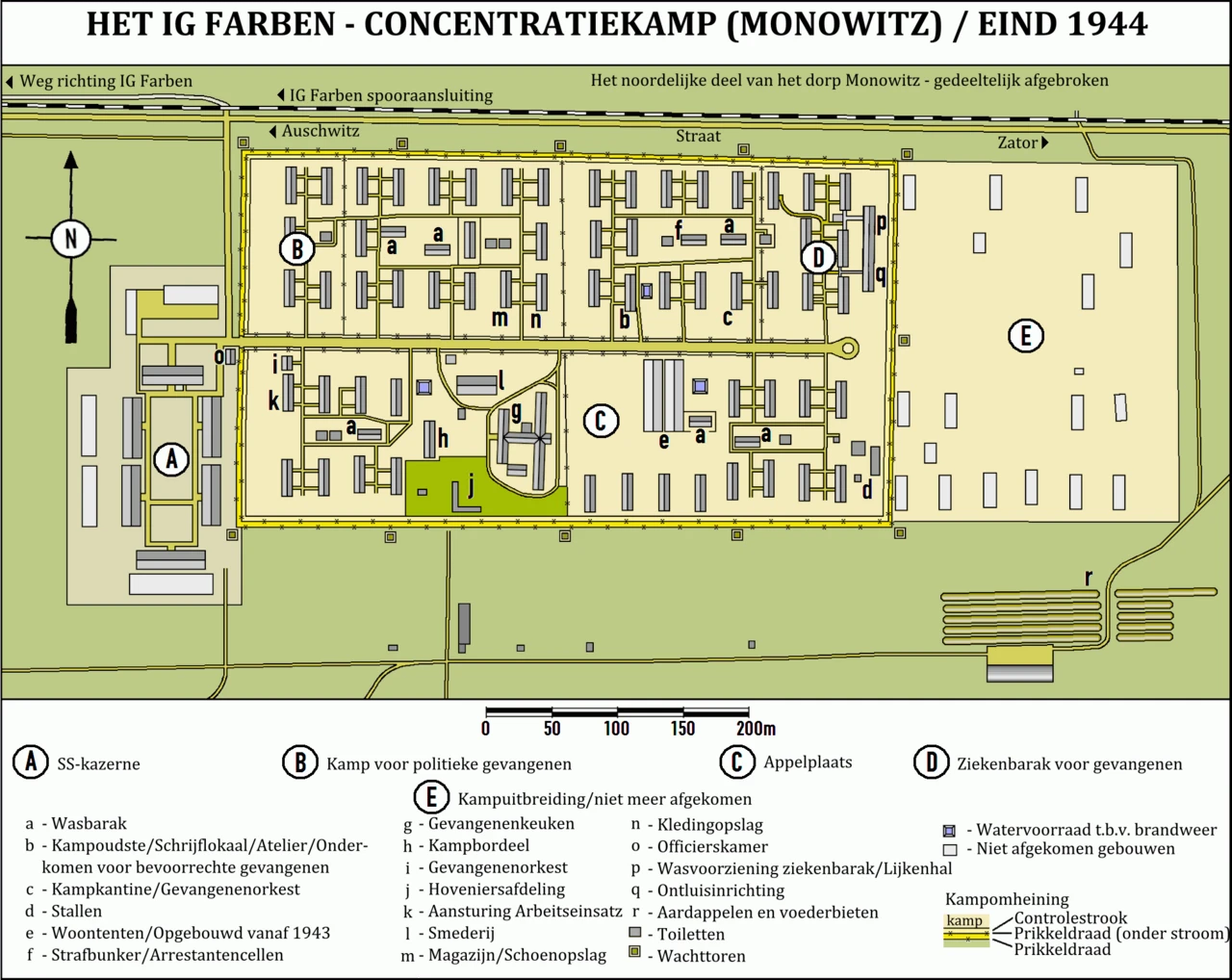
The Monowitz Construction Site
The tank of the future or the tanks of today?
The Tizard Mission's Trunk for America
The Shadow Factories
An all-wood combat aircraft
Whittle, his jet engine and the rebellious combustion chamber
Operation Pied Piper — Womersley and the evacuation
Whittle and the Jet Engine
Borakowski and the merchant fleet
Chain Home — the Invisible Wall