
Flavion — the 1st DCR run dry
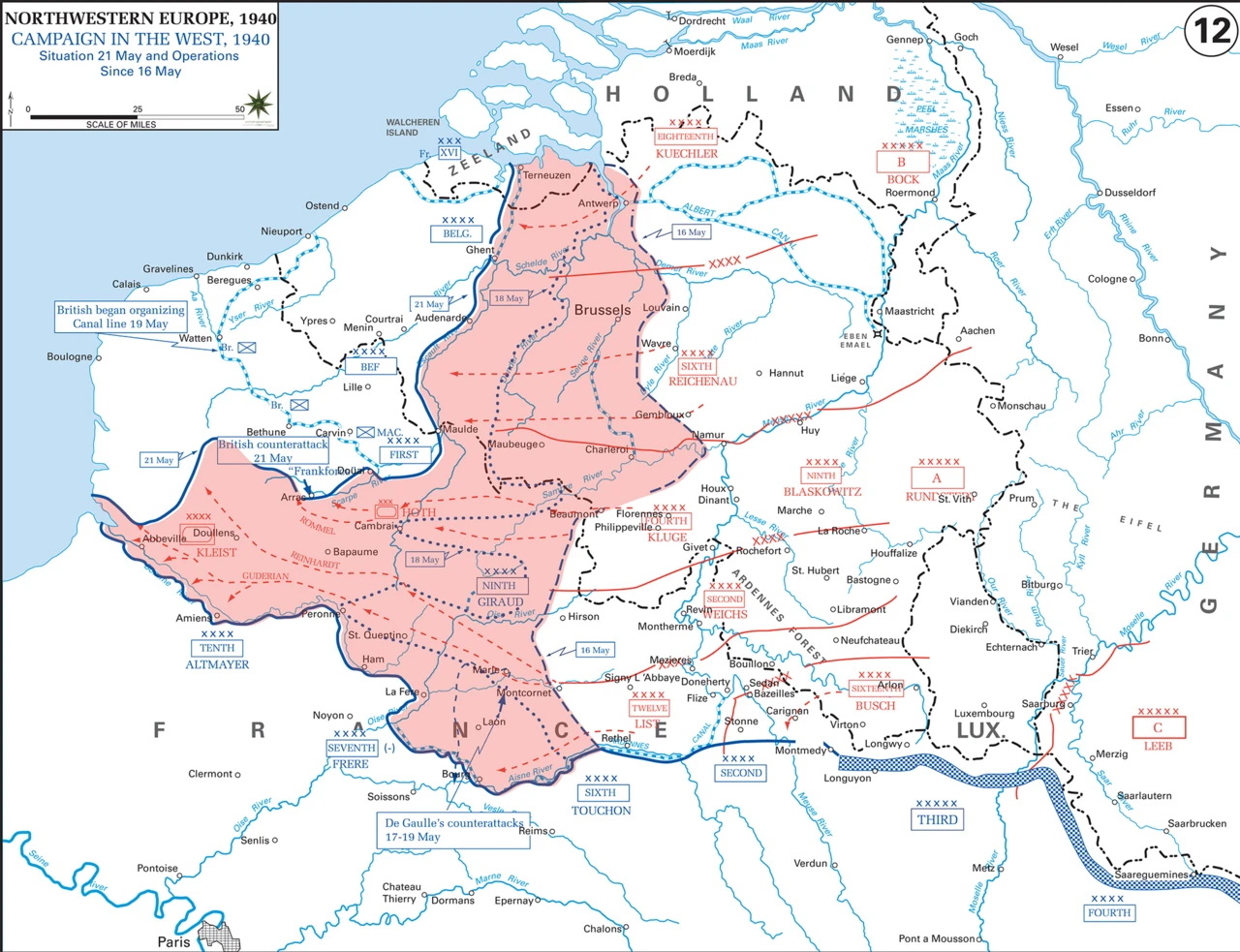
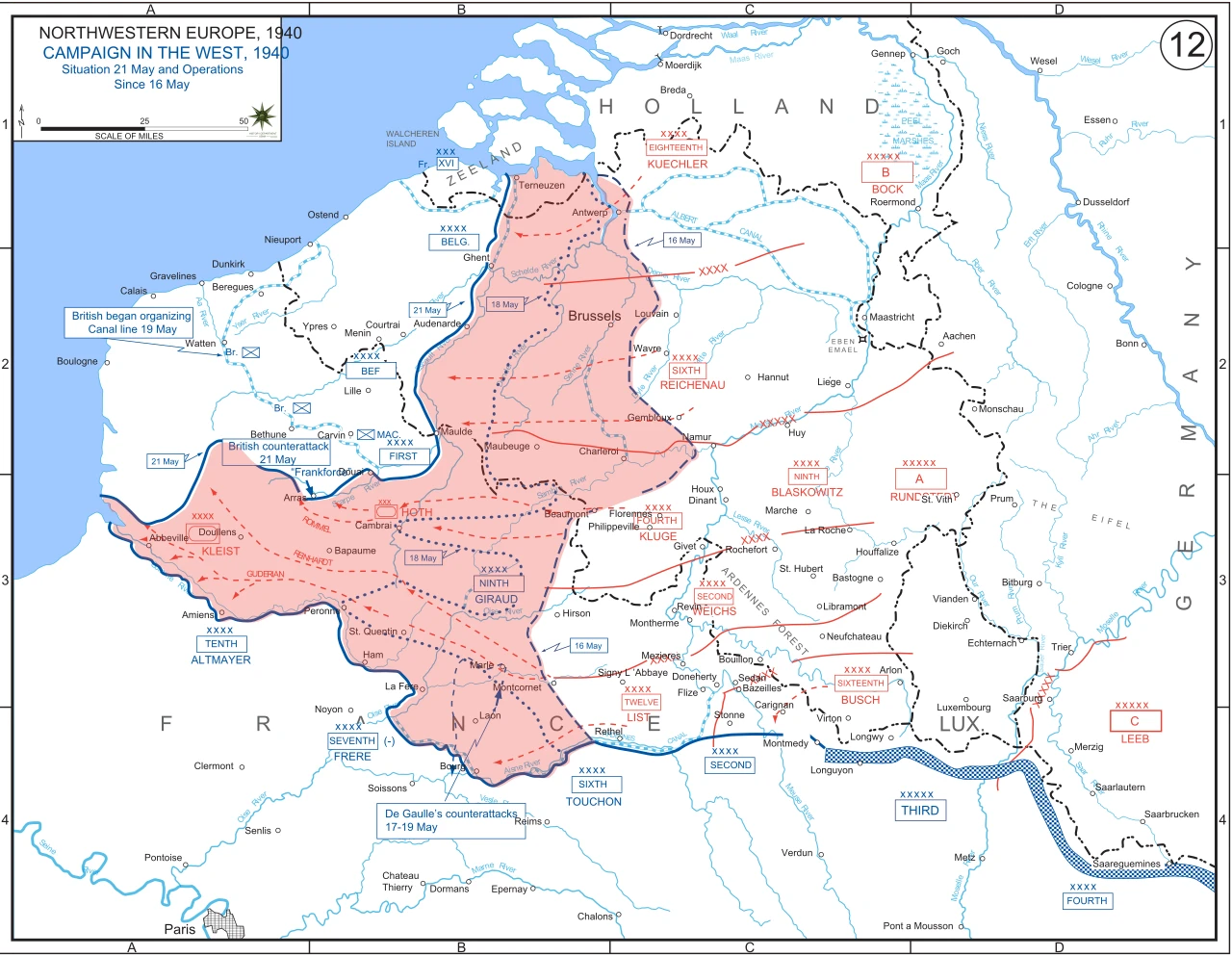
After the breakthrough on the Meuse, the French (), one of the most powerful Allied armoured units, is committed to counter the thrust of Rommel and Hoth towards the west. But its heavy B1 bis tanks, formidable in combat, are fuel-guzzlers and must be refuelled frequently.
On 15 May, near Flavion, the division is caught in the middle of refuelling, some of its tanks immobilised with empty tanks, at the very moment the German Panzers appear. It is the nightmare of every armoured commander: to be caught stationary, without fuel, by a mobile enemy.
General Bruneau can attempt to give battle immediately with the available tanks, sacrificing those that are dry. Disengage to regroup and refuel the division before fighting, giving up ground. Or disperse his tanks to spare them from destruction. The limited range and faulty logistics of the B1 bis, combined with German speed, place an excellent unit in a desperate situation.
Should the general give battle immediately, disengage to refuel, or disperse his tanks?
The is forced into a mixture of A and C under catastrophic conditions: caught in the middle of refuelling at Flavion, part of its tanks run dry, it is largely destroyed on 15 May by the Panzers of Rommel and Hoth. Its B1 bis, although nearly invulnerable in frontal combat, are lost for want of fuel and coordination, not through technical inferiority. The disaster of Flavion starkly illustrates France's logistical and doctrinal shortcomings: excellent tanks, but a reduced range, faulty resupply and unsuitable employment against an adversary who had made mobility and logistics its trump cards. A good division annihilated without having been able to give its full measure.
Learn more about this event
Related polls
10
The abatis of the Chasseurs Ardennais
The tank battle of Hannut
The Battle of the Lys
The bridges of the Meuse
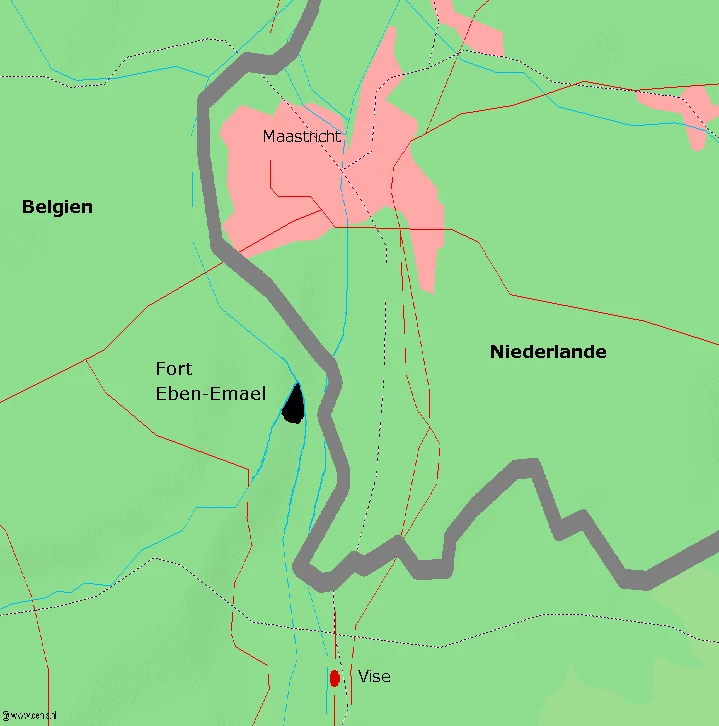
Eben-Emael — Jottrand under the explosions
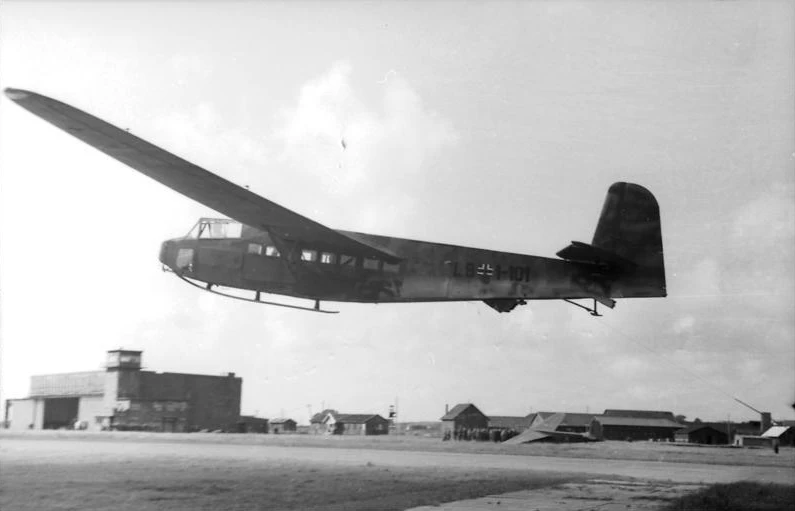
Kanne bridge — fourth airborne target
Veldwezelt bridge — Beert and the demolition officer
Vroenhoven bridge — the demolition order
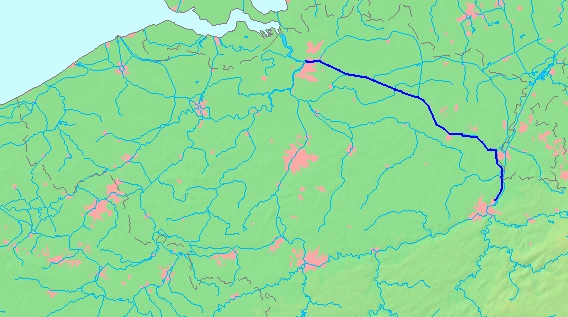
The bridges of the Albert Canal
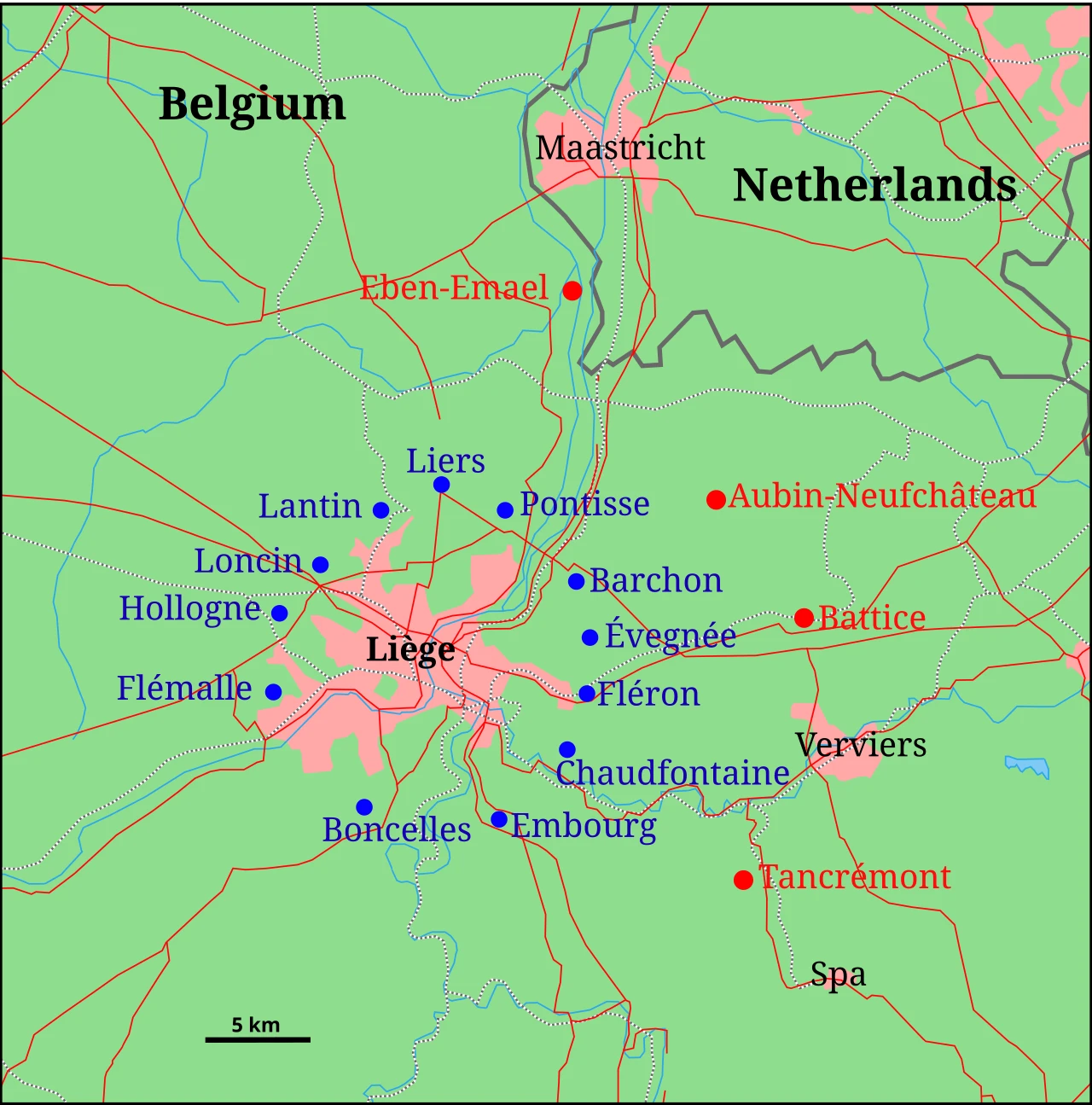
The fortified position of Liège
The abatis of the Chasseurs Ardennais
The tank battle of Hannut
The Battle of the Lys
The bridges of the Meuse
Eben-Emael — Jottrand under the explosions
Kanne bridge — fourth airborne target
Veldwezelt bridge — Beert and the demolition officer
Vroenhoven bridge — the demolition order
The bridges of the Albert Canal