
The Bzura — Kutrzeba faces the trap
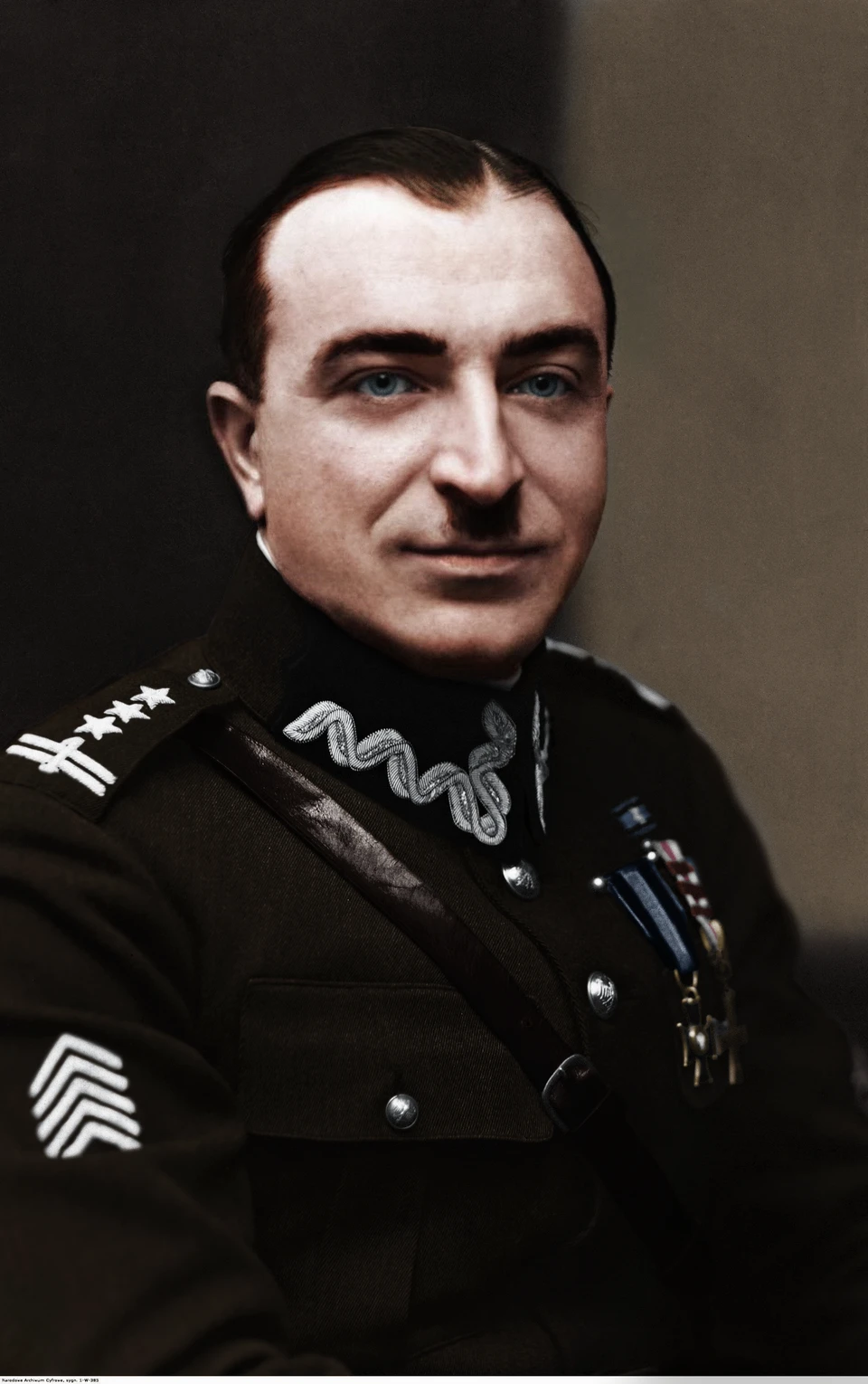
, 53, has commanded the since March 1939 — four infantry divisions and two cavalry brigades, some 100,000 men deployed in Greater Poland. A recognised staff officer (War College 1922-1928, deputy commandant), he had argued in vain as early as May 1939 for a preventive withdrawal to the Vistula, judging the forward defence untenable. Marshal Rydz-Śmigły had refused on political grounds.
By 8 September, Kutrzeba sees that the Wehrmacht has bypassed him to the north (Küchler's ) and to the south (Reichenau's ). His army and the (General , falling back southward) are about to be encircled by the Germans racing for Warsaw. Kutrzeba has roughly 175,000 men in all, still intact.
He proposes to Rydz-Śmigły a massive counter-attack to the south, toward Łódź, to strike the northern flank of General 's (the most exposed in the Reichenau-Blaskowitz arrangement). Rydz-Śmigły hesitates for three days. The decision comes on the evening of 8 September: green light. Kutrzeba must choose the axis and the tempo.
What axis and what tempo should the counter-attack take?
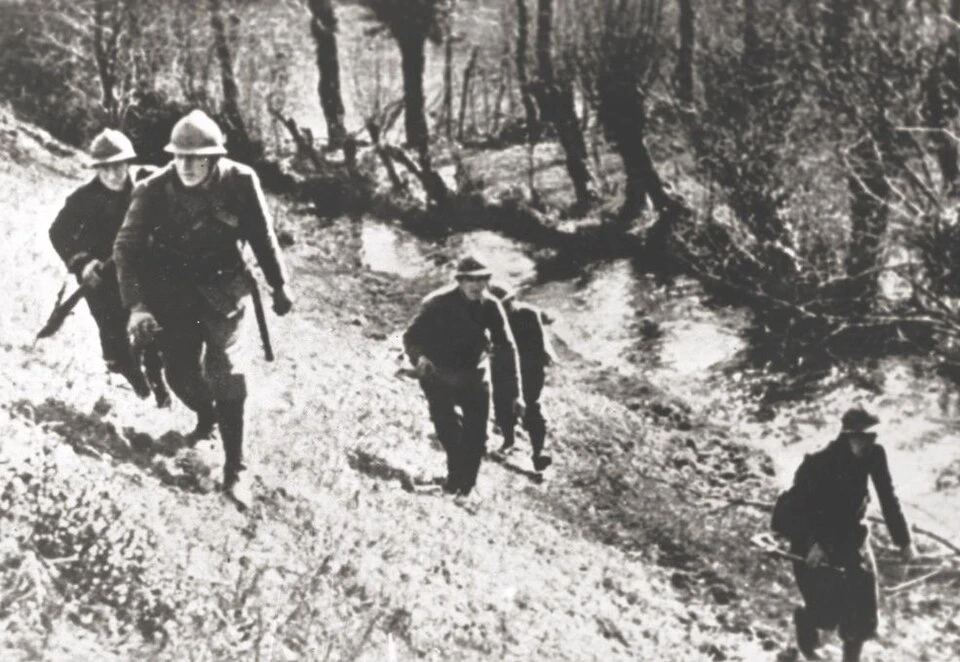
Kutrzeba chooses A and then C. On the evening of 9 September, his fourteen infantry regiments attack southward against the northern flank of the , around the towns of Łęczyca, Piątek and Łowicz. Total tactical surprise: the is severely mauled, losing about 1,500 dead and 3,000 prisoners on 9-10 September — unprecedented in the campaign. The Poles advance 30 km. But Reichenau and react quickly: the (Schmidt), the 4th (Reinhardt), an entire are wheeled north. From 12 to 17 September, Löhr's intervenes in strength — the bridges over the Bzura are cut. Kutrzeba is forced into retreat toward the Kampinos Forest to reach Warsaw. From 17 to 22 September, his army is progressively encircled and destroyed. About 120,000 Polish prisoners, about 20,000 Polish dead or wounded. Kutrzeba himself reaches Warsaw with a few thousand men on 22 September. He would negotiate the capital's capitulation on the 28th. The Battle of the Bzura is the largest of the Polish campaign — and proves that the Polish armies could still strike, but were stripped of mobility and air cover.
Learn more about this event
Related polls
10
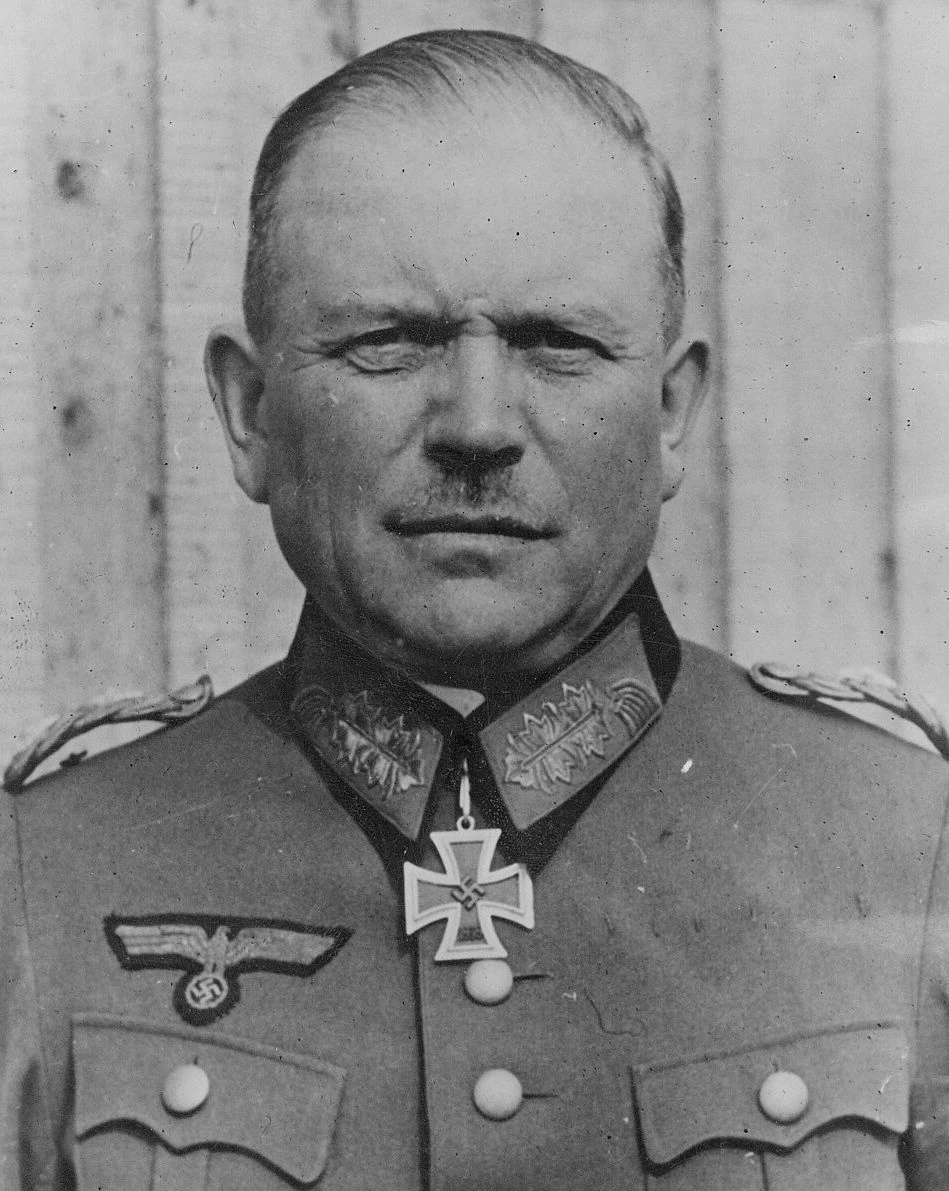
Brześć — Plisowski faces Guderian
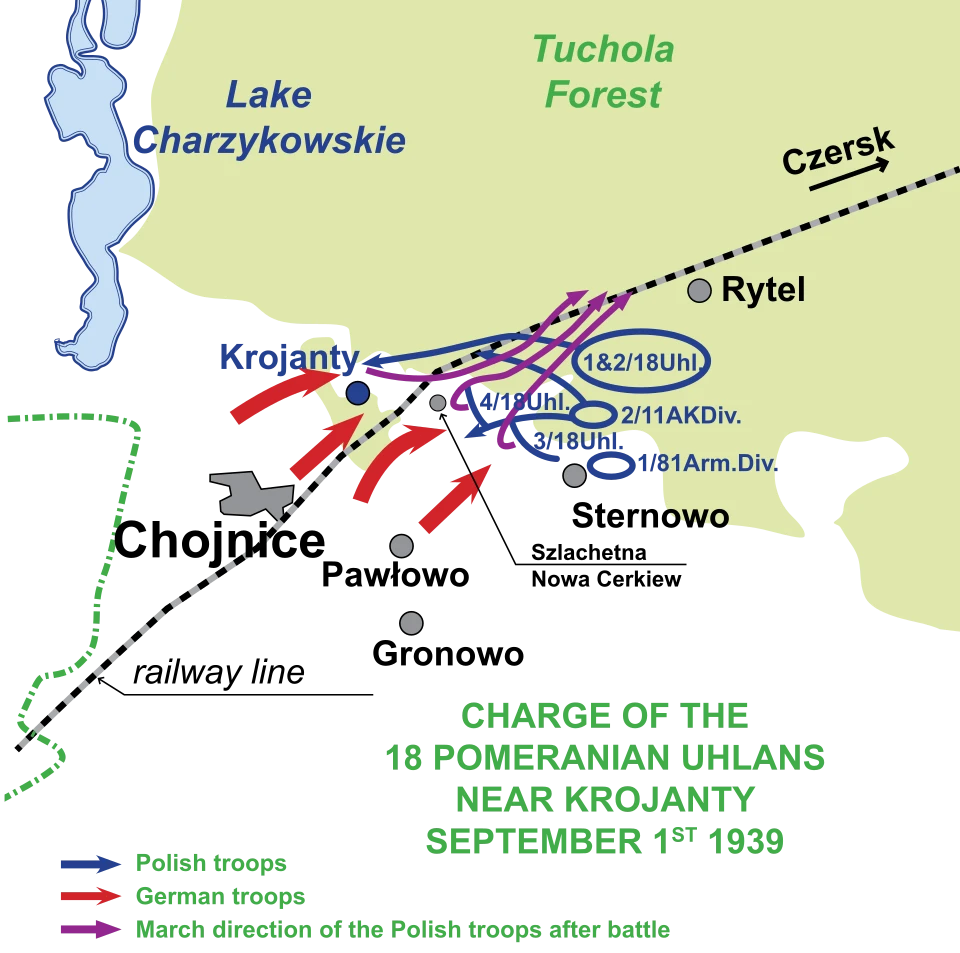
Krojanty — Mastalerz and the 18th Uhlans
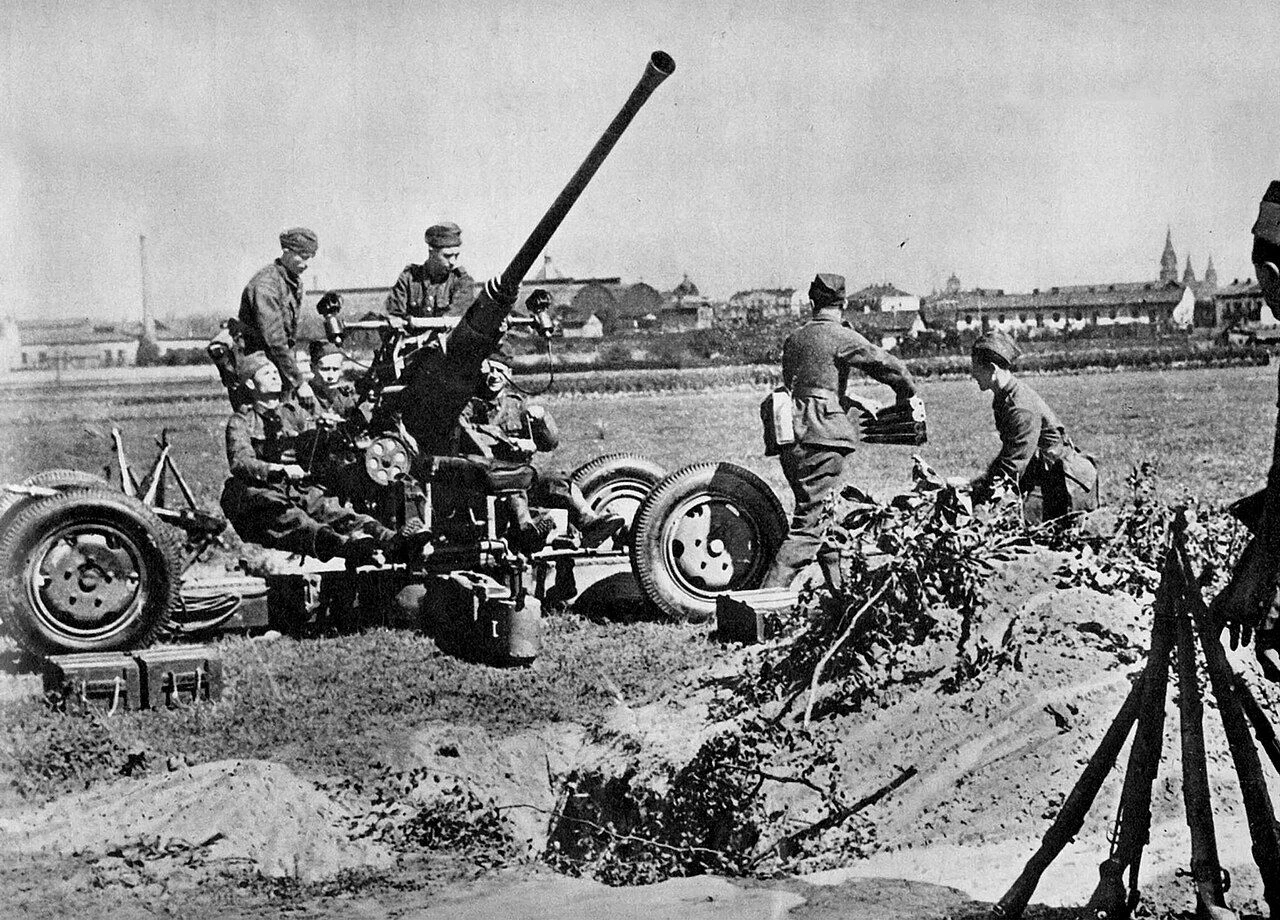
Lwów — Langner between two occupiers
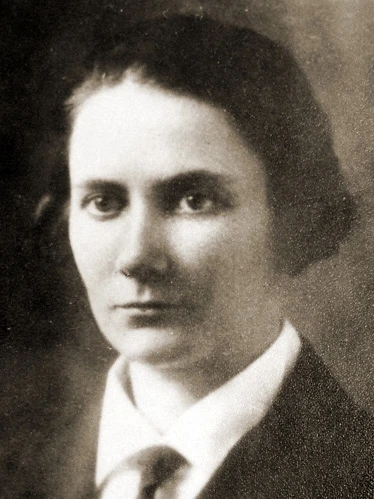
Maria Wittek — Wzgórze Wuleckie
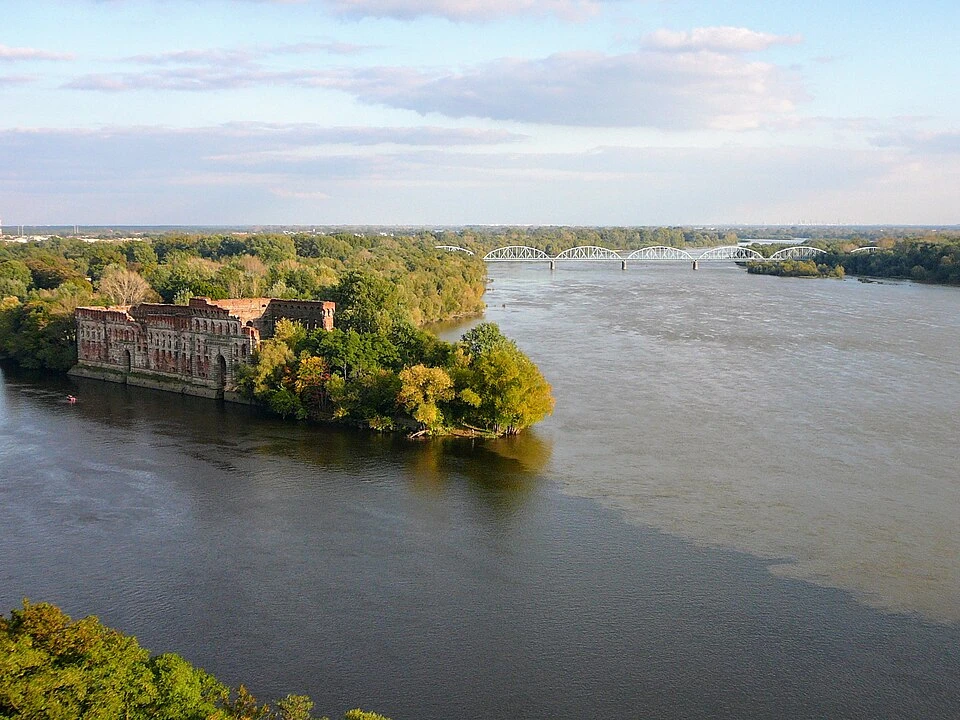
Modlin — Thommée at the last fortress
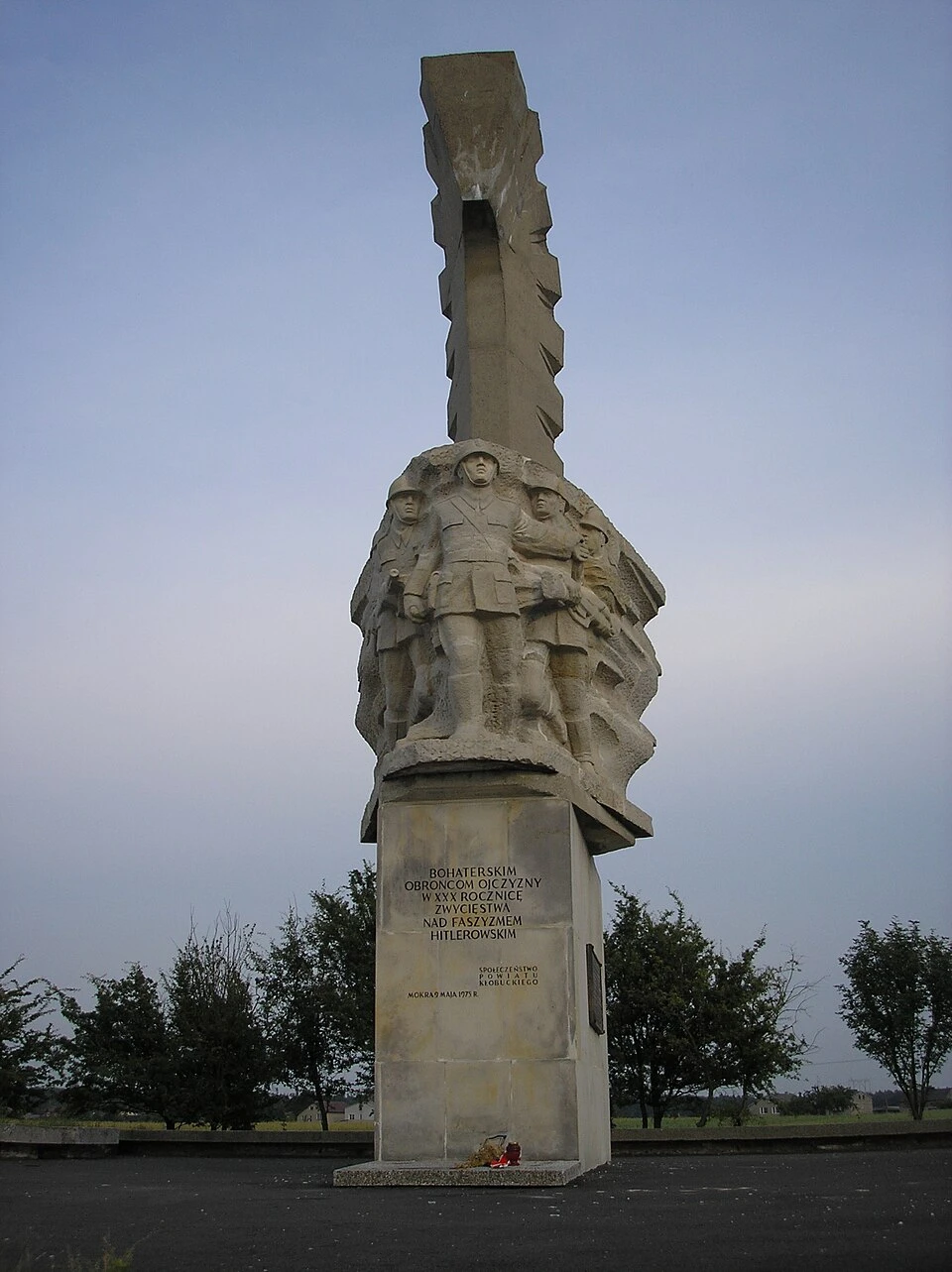
Mokra — Filipowicz and the Volhynian Brigade
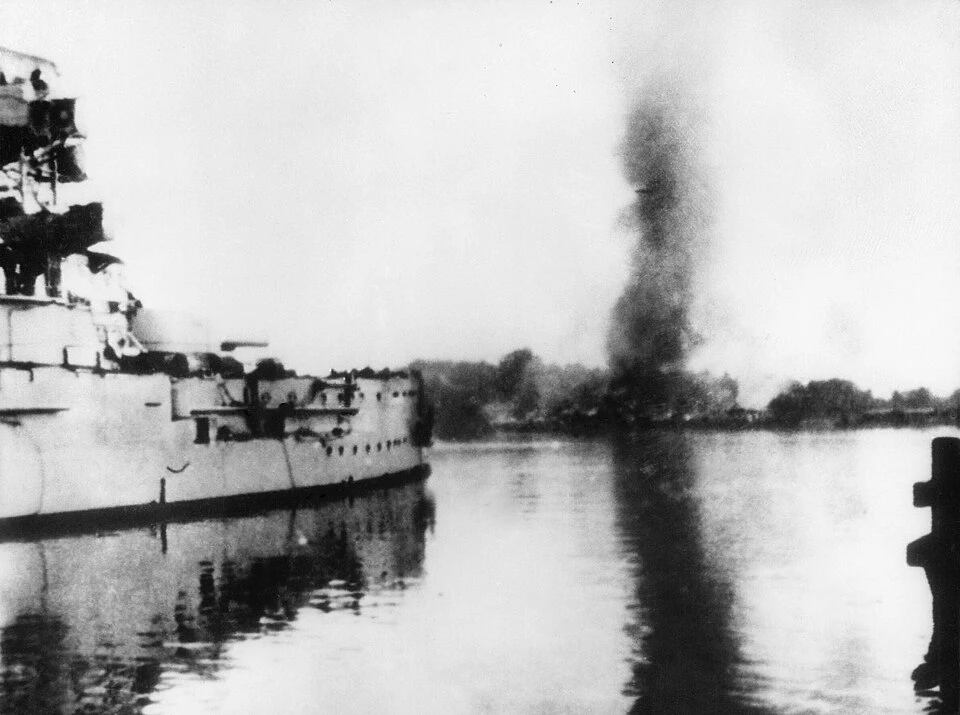
Westerplatte — Sucharski under the Schleswig-Holstein's guns
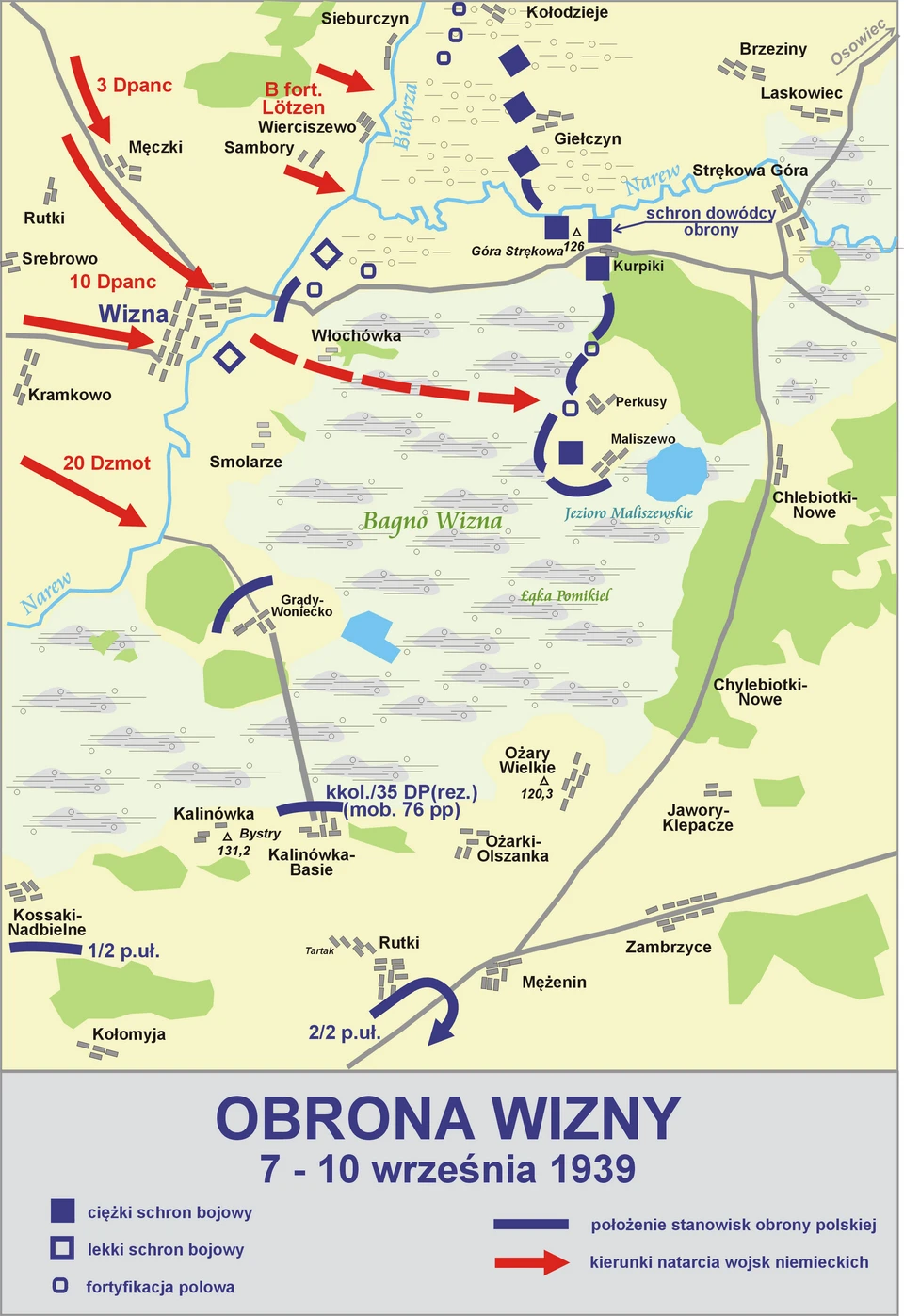
Wizna — Raginis in the Górka bunker
Kock — Kleeberg on the morning of 6 October
Wytyczno — Orlik-Rückemann after Szack
Brześć — Plisowski faces Guderian
Krojanty — Mastalerz and the 18th Uhlans
Lwów — Langner between two occupiers
Maria Wittek — Wzgórze Wuleckie
Modlin — Thommée at the last fortress
Mokra — Filipowicz and the Volhynian Brigade
Westerplatte — Sucharski under the Schleswig-Holstein's guns
Wizna — Raginis in the Górka bunker
Kock — Kleeberg on the morning of 6 October