
Müller in Rome — the Vatican channel
, 41, was a Bavarian Catholic lawyer — nicknamed "Ochsensepp" ("Joseph the Ox") for his build. A practising Catholic and an opponent of Nazism since 1933, he was close to Cardinal Faulhaber of Munich. In 1939 he had joined the resistance network of Generalmajor (Abwehr) and Admiral . His mission: to use his contacts in the Vatican (notably with Monsignor , former leader of the German Zentrum, in exile in Rome since 1933 and an adviser to ) to open a secret negotiating channel between the German resistance and the Allies.
The hypothesis: if the Vatican agreed to serve as intermediary, the British (Chamberlain and Halifax) might promise a negotiated peace on condition that the German resistance overthrew Hitler before Fall Gelb was launched. The peace terms put forward: restoration of the Versailles frontier, democratisation of Germany, withdrawal from Poland and Czechoslovakia.
Between 6 December 1939 and 26 February 1940 Müller made six journeys to Rome. He met Kaas, Cardinal Maglione (Secretary of State) and indirectly himself. The Pope agreed to transmit the message to London. Through the British minister to the Vatican, Sir , contact was made with Lord Halifax (Foreign Secretary).
Halifax had to choose how to reply.
What British answer should Halifax give Pius XII?
Halifax chose C. On 12 February 1940 he passed to Osborne (Vatican) the British reply: "If the German resistance overthrows Hitler and establishes a recognised government, we shall undertake to negotiate a peace without humiliation and without annexation. But we require deeds, not words." This reply — known as the X-Report — was carried by Müller to and . But the Oster-Beck-Canaris network could not organise the putsch: Brauchitsch had already given way to Hitler in November 1939, and a military coup had become impossible. The X-Report circulated quietly in the circles of the German opposition until April 1940. On 8 May 1940 — two days before Fall Gelb — Oster contacted Müller in Rome and asked him to warn the Dutch and the Belgians of the imminent invasion — a gesture later held against Oster as treason. Müller was arrested by the Gestapo in April 1943 when the Canaris network was dismantled. He survived Buchenwald and Flossenbürg. After the war, Minister of Justice of Bavaria 1945-1947, and a co-founder of the Bavarian CSU. He died in 1979. His Vatican correspondence remains one of the most controversial elements in the " and the Shoah" file.
Learn more about this event
Related polls
10
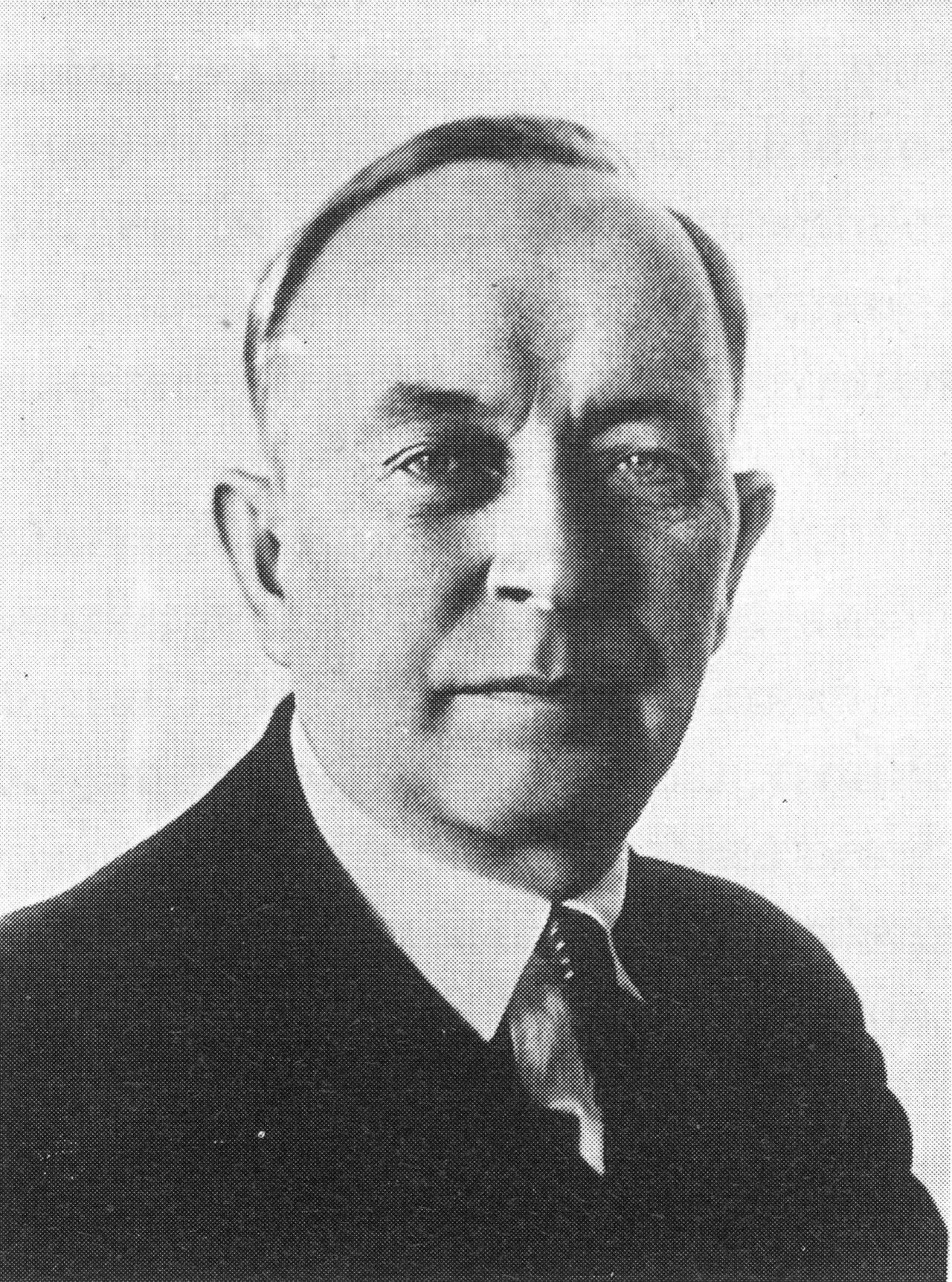
Kuusinen — Terijoki, 1 December
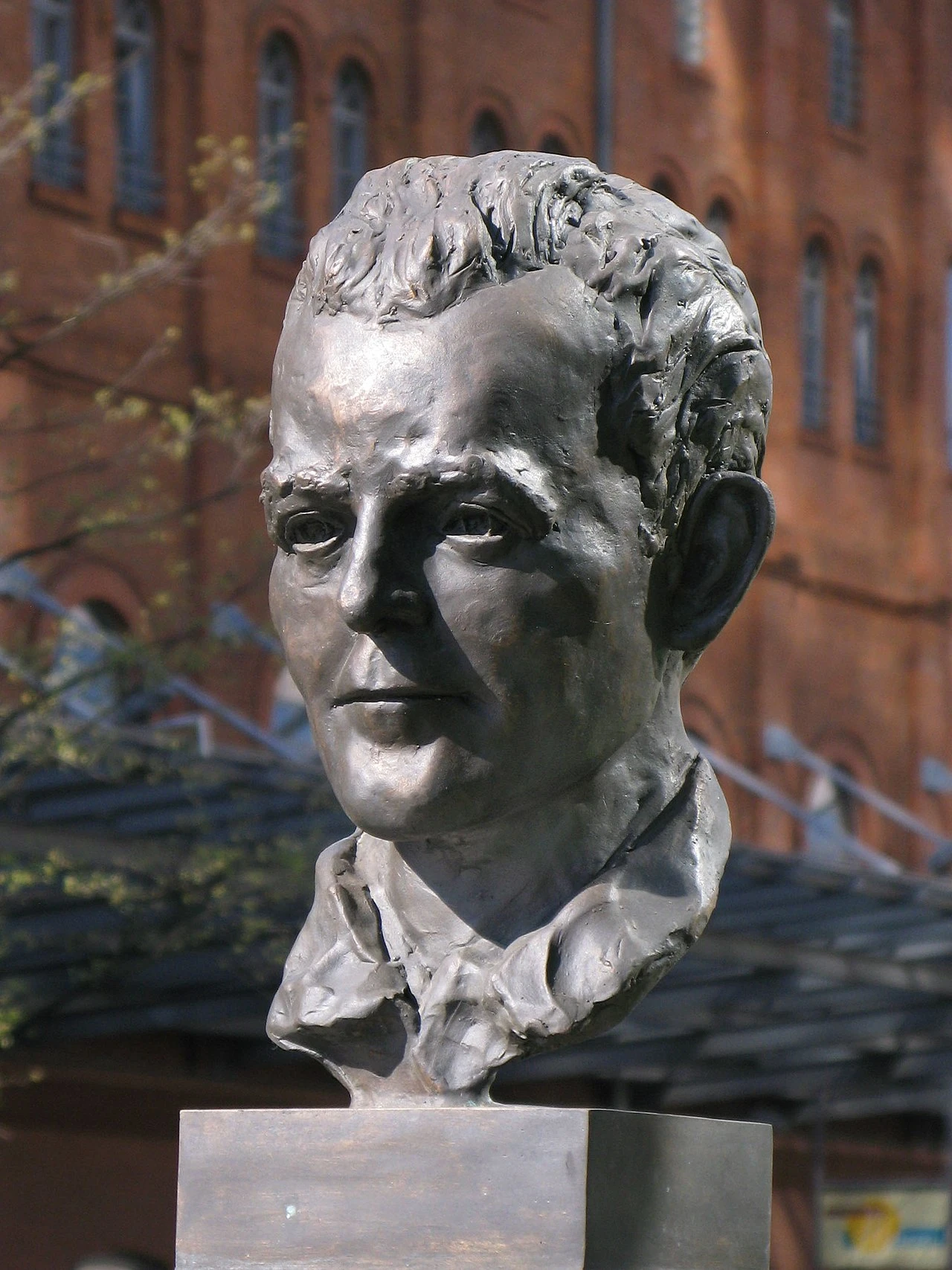
Elser in Munich — Bürgerbräukeller, 9.20 p.m.
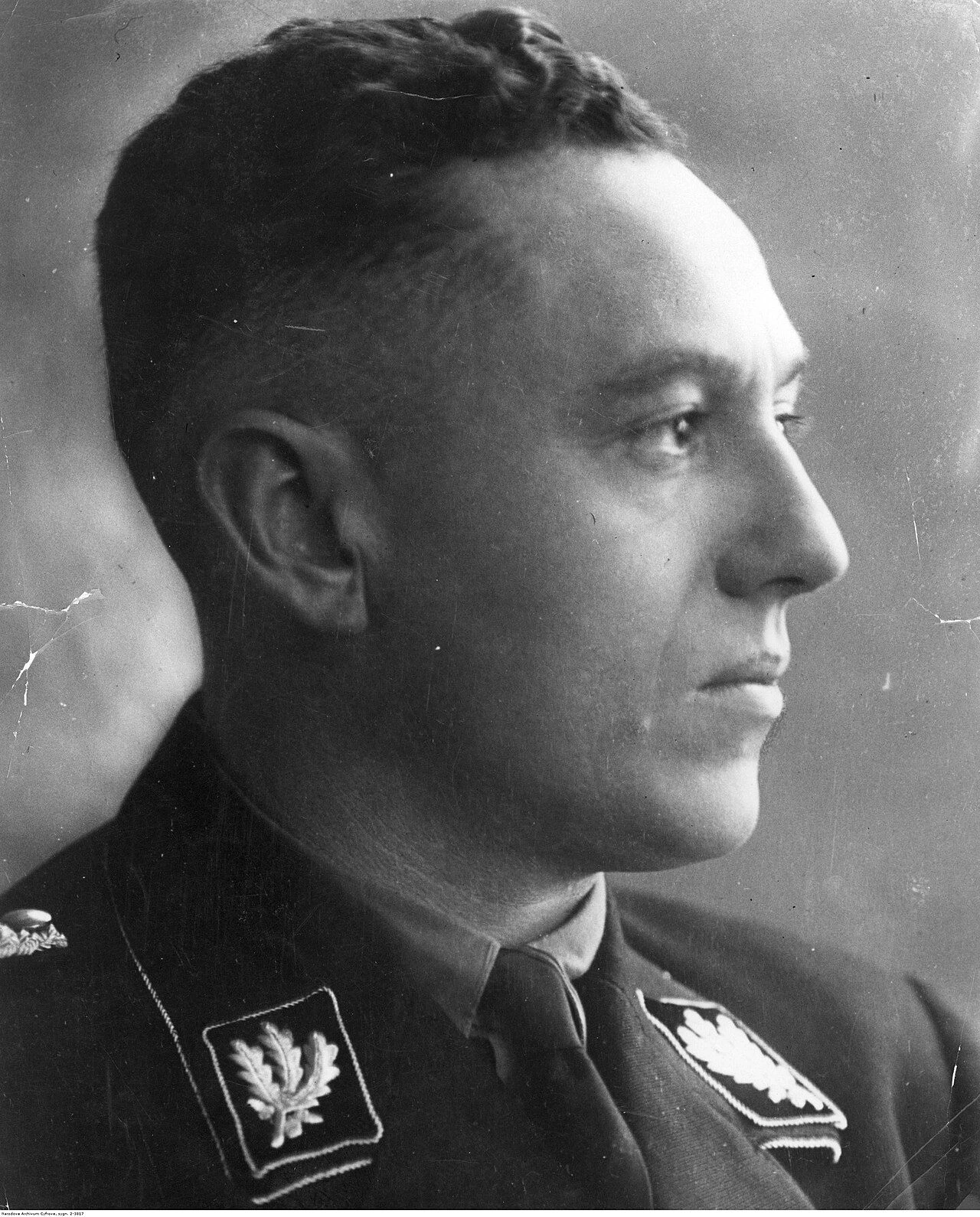
Forster — Kashubians and Kociewiacy
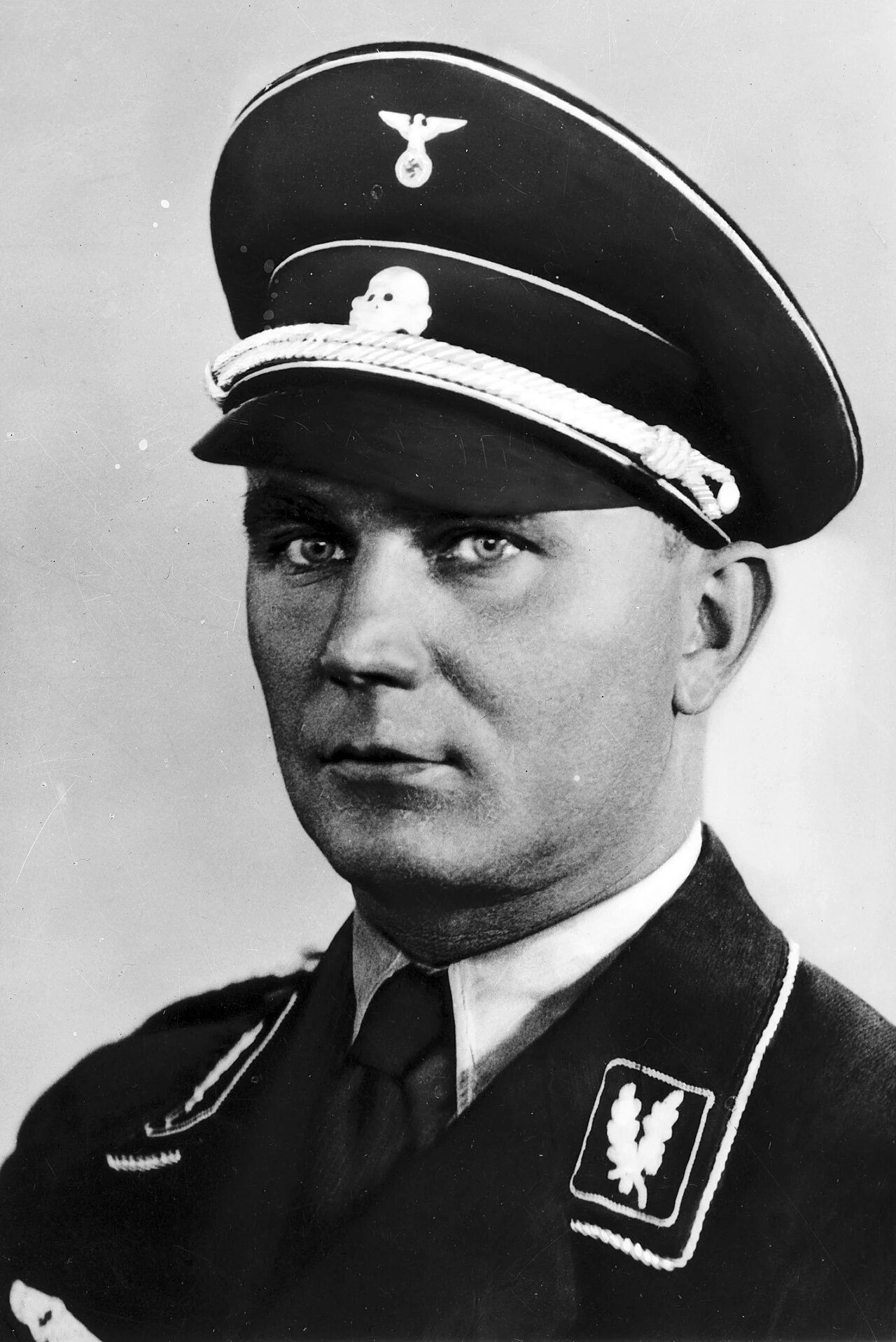
Greiser — the Priority of the Wartheland
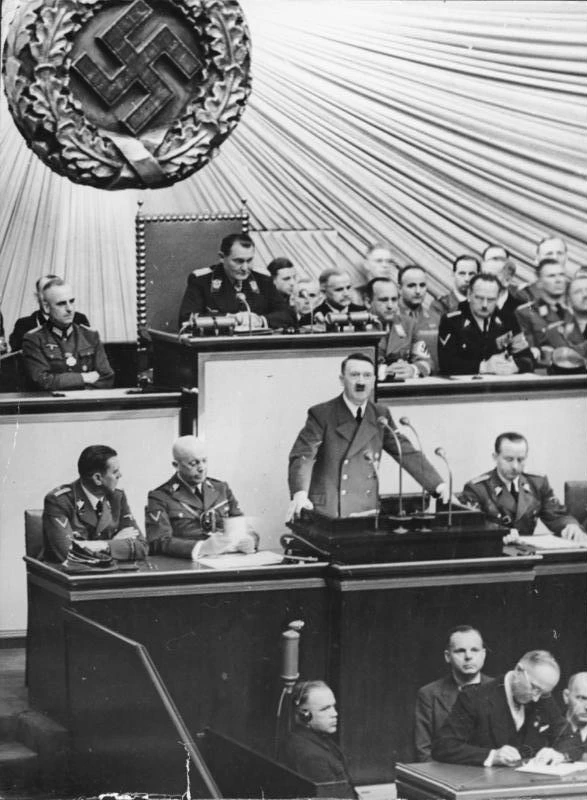
Hitler — the Reichstag Speech
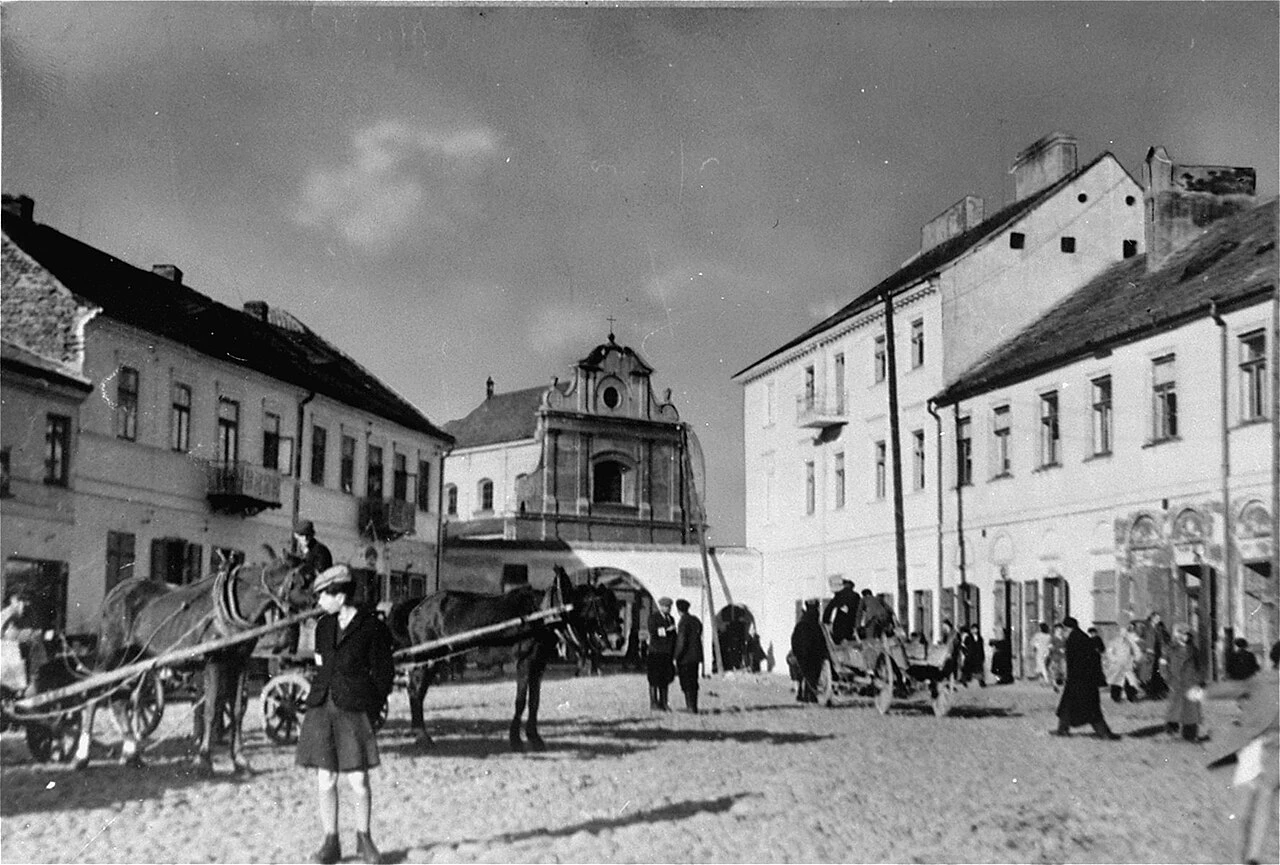
Piotrkow — Tenenberg Facing the Judenrat
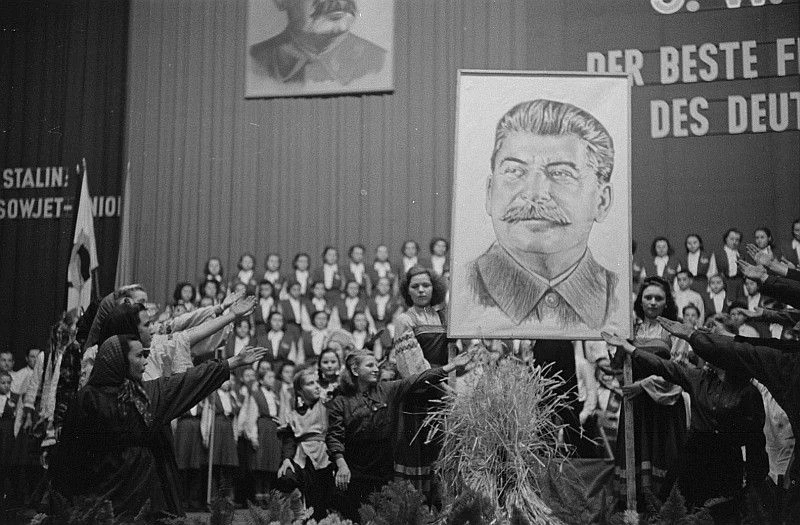
Stalin at 60 — Hitler at the Kremlin
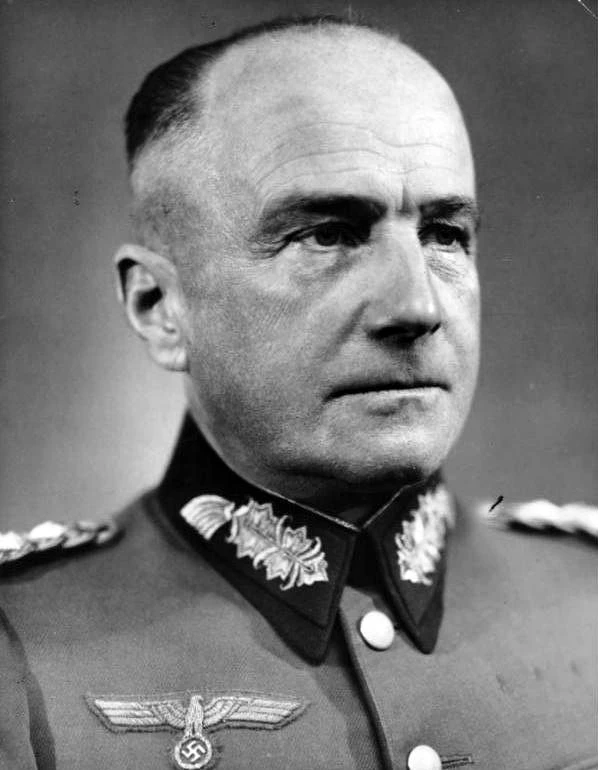
Brauchitsch — Reich Chancellery, 5 November
Goering — the economic mobilization plan
Hitler at the Sportpalast — 30 January, 8 pm
Kuusinen — Terijoki, 1 December
Elser in Munich — Bürgerbräukeller, 9.20 p.m.
Forster — Kashubians and Kociewiacy
Greiser — the Priority of the Wartheland
Hitler — the Reichstag Speech
Piotrkow — Tenenberg Facing the Judenrat
Stalin at 60 — Hitler at the Kremlin
Brauchitsch — Reich Chancellery, 5 November
Goering — the economic mobilization plan