
Altmayer and the 5th DLC in the Ardennes
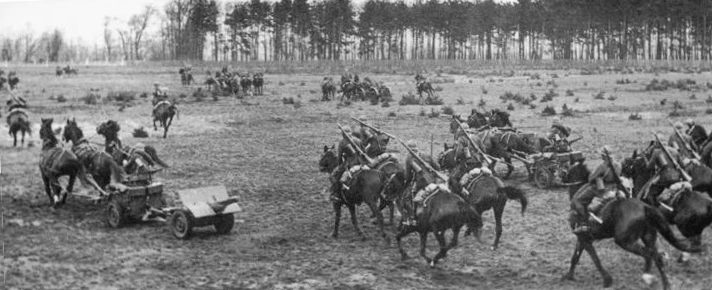
At the outbreak of war, the French army still had 180,000 horses on active service — a figure barely changed since 1918. They fell into three main categories: the mounted cavalry, with 17 regiments of cuirassiers, hussars and chasseurs à cheval, about 28,000 sabres forming 7 brigades; the motorised cavalry, 5 regiments which nonetheless retained "horse-mounted squadrons" for reconnaissance; and horse-drawn artillery, accounting for 60% of the 5,700 guns of the divisional artillery, hauled by horses.
General , 49, commanded the — 5,200 men, 2,800 horses, 12 Hotchkiss H35 tanks and 16 25 mm anti-tank guns. His mission: reconnaissance in the Ardennes, an area held to be impassable to armour according to the Gamelin doctrine — hence the idea that cavalry was enough.
Through the winter of 1939-1940, the patrolled on foot and on horseback between Bouillon, in Belgium, and Sedan. No combat. The horses were trained to cross minefields, an impossible exercise. Altmayer reported to the General Staff: "Our horses are freezing at pasture. Our men wonder what they are doing here."
The General Staff had to decide how to modernise the use of the cavalry.
How should cavalry use be modernised during the Phoney War?
The French General Staff (Gamelin) applied B. No cavalry reform during the winter. On 10 May 1940, 3 light cavalry divisions were deployed in the Ardennes facing Guderian's (3 armoured divisions, 800 Panzer tanks). The result was catastrophic: Altmayer's was annihilated within 48 hours on 12-13 May 1940 by the Panzers in the Ardennes forest. Losses: 70% of the men killed or captured, 100% of the horses shot. Altmayer survived, was taken prisoner and released in 1945; he testified at the 1947 trial of the French military leaders and accused Gamelin of grave fault. Rehabilitated, retired, he died in 1956. The Battle of the Ardennes 1940 would remain the archetype of French doctrinal disaster — horses against Panzers. In all, 40,000 French horses were killed in May-June 1940 in the Battle of France. The lesson had been drawn by de Gaulle (Vers l'armée de métier, 1934, prophetic) and by Manstein. Paradoxically, the Wehrmacht itself kept 2.75 million horses in service during the war.
Learn more about this event
Related polls
10
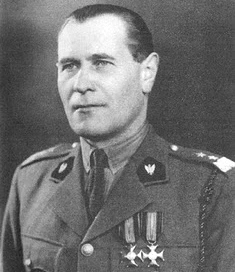
Béthouart at Briançon — preparing Narvik
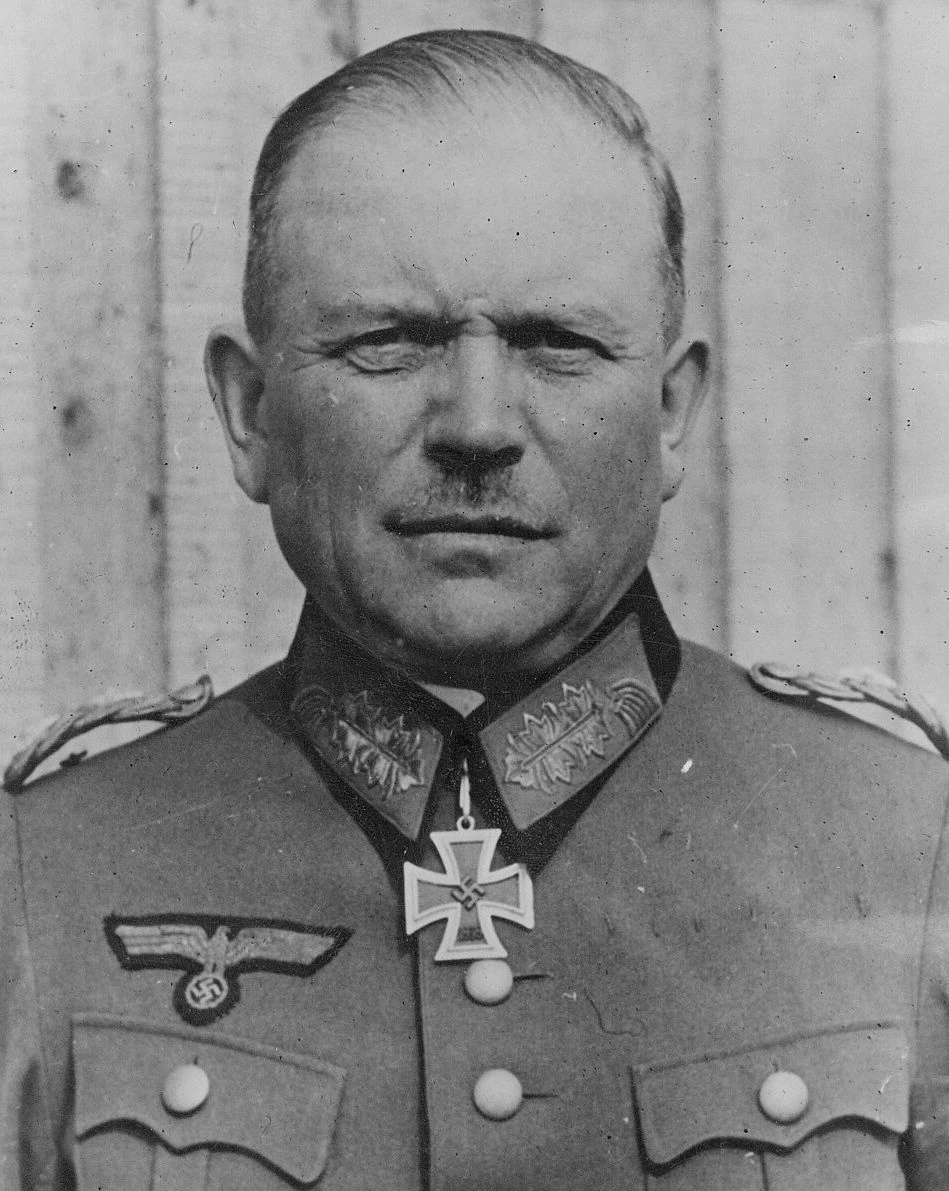
Brześć — Plisowski faces Guderian
The Bzura — Kutrzeba faces the trap
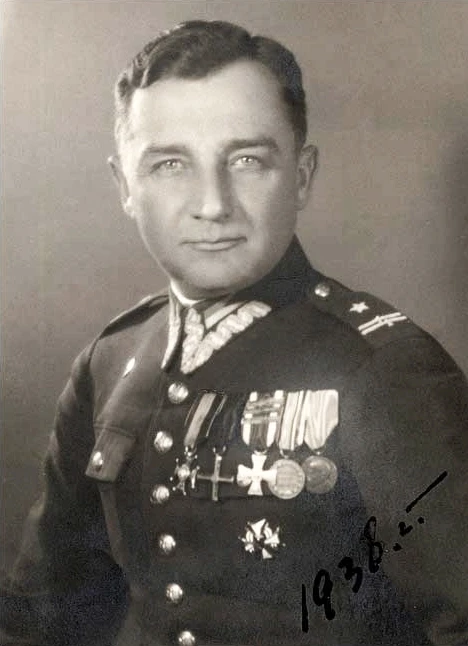
Hubal — after the order to disband
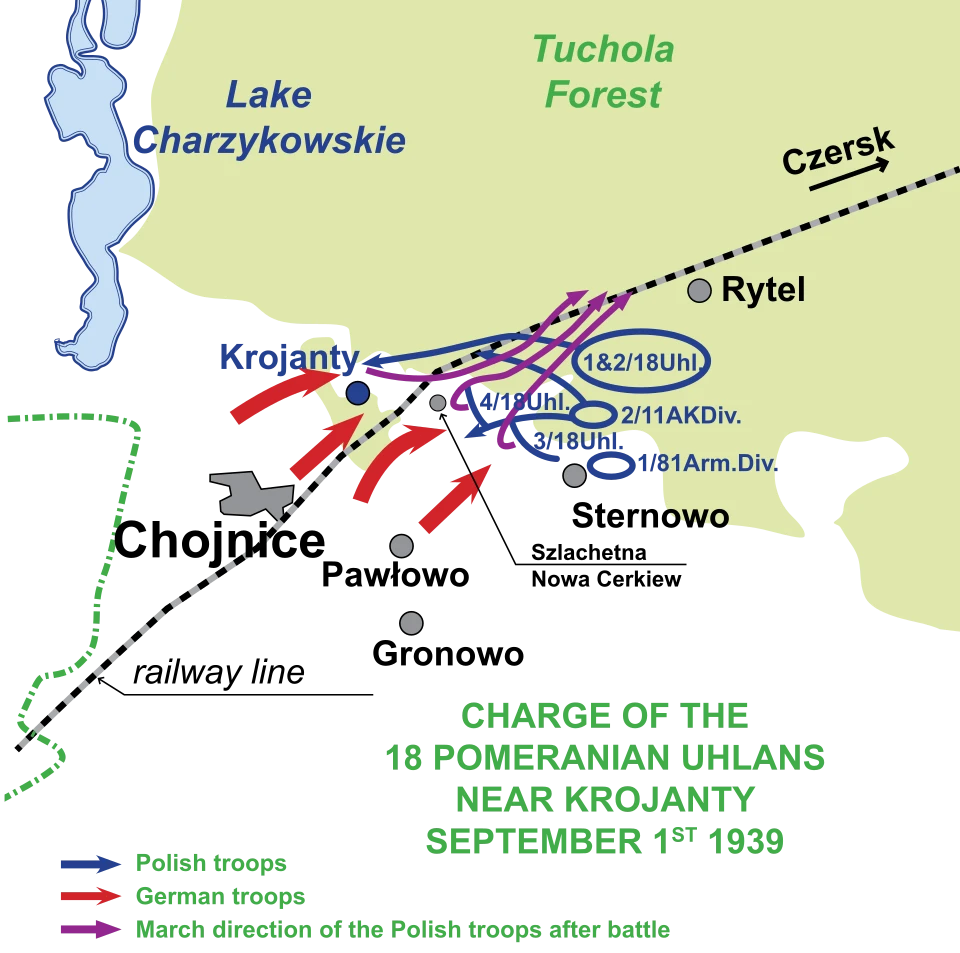
Krojanty — Mastalerz and the 18th Uhlans
Lwów — Langner between two occupiers
Maczek — the Black Brigade at Tatarska Przełęcz
Maria Wittek — Wzgórze Wuleckie
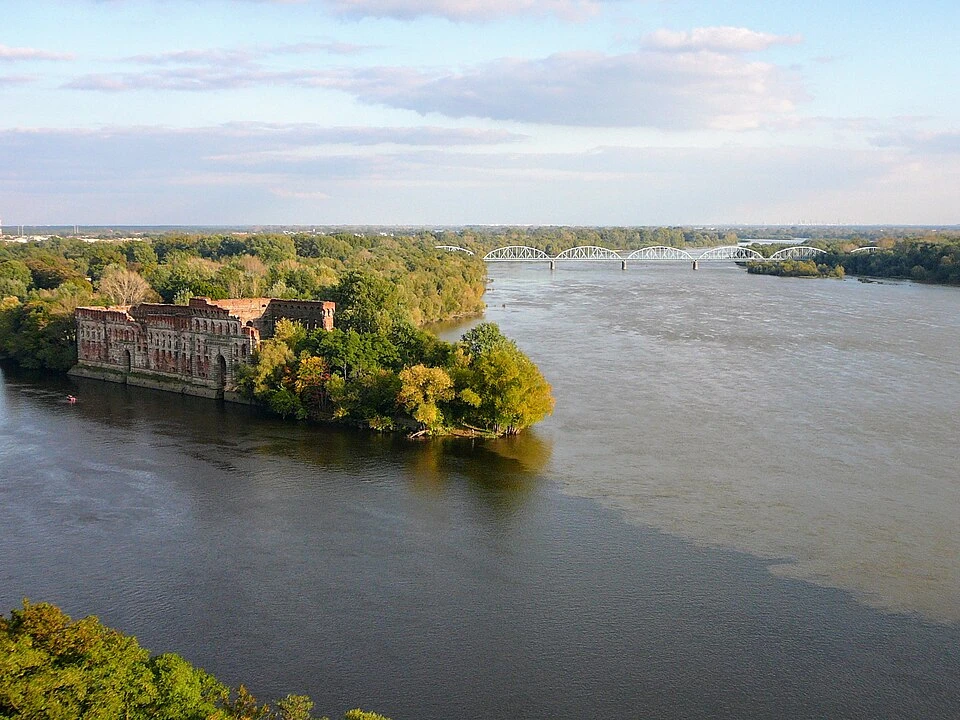
Modlin — Thommée at the last fortress
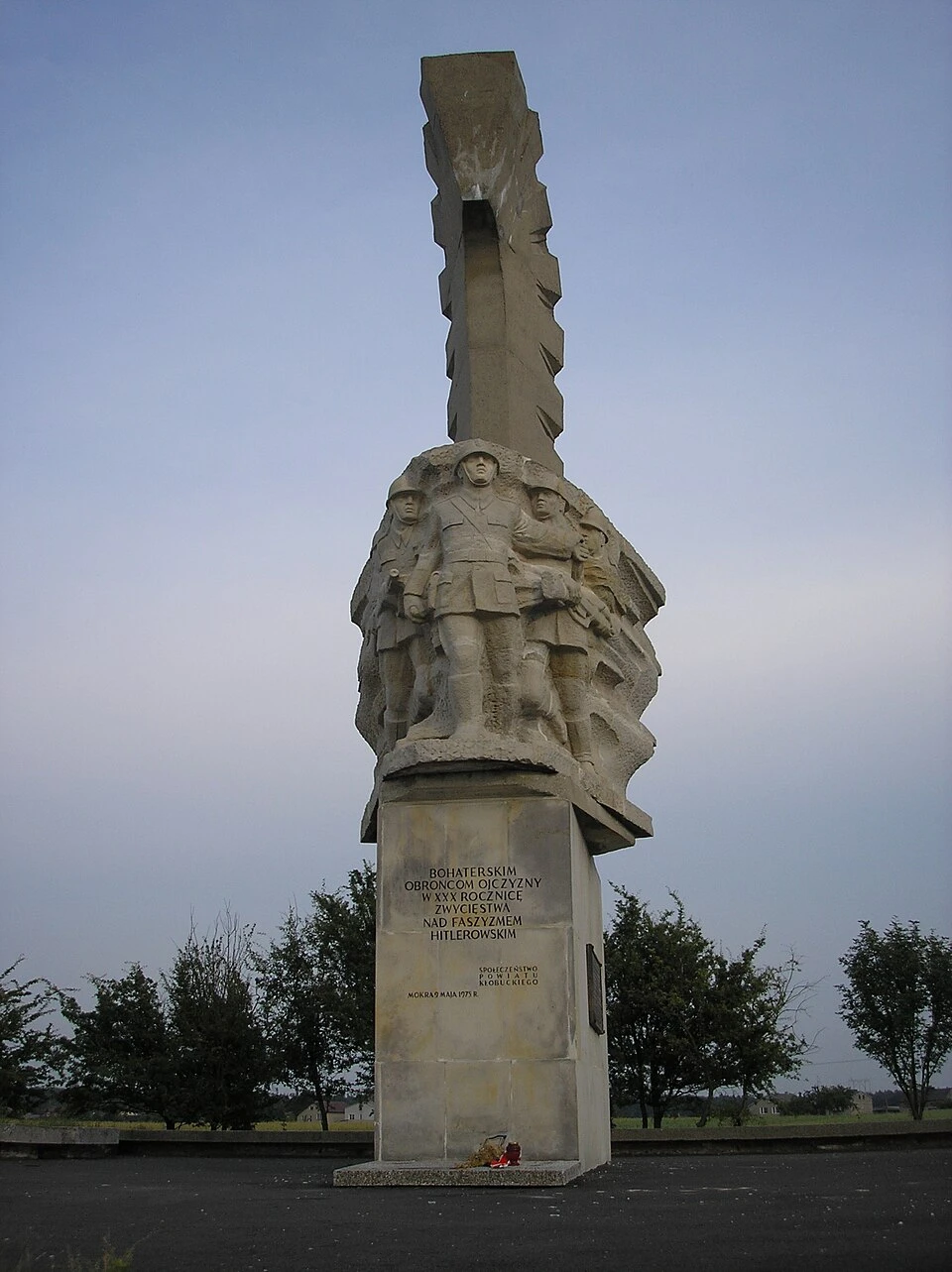
Mokra — Filipowicz and the Volhynian Brigade
Béthouart at Briançon — preparing Narvik
Brześć — Plisowski faces Guderian
The Bzura — Kutrzeba faces the trap
Hubal — after the order to disband
Krojanty — Mastalerz and the 18th Uhlans
Lwów — Langner between two occupiers
Maczek — the Black Brigade at Tatarska Przełęcz
Maria Wittek — Wzgórze Wuleckie
Modlin — Thommée at the last fortress