
The Pits Run Dry — Bevin and the Coal of 1941
In 1941, the United Kingdom is desperately short of coal, a fuel vital to the war industry, the railways and electricity supply. The problem lies not in the ground but in the men: since 1939, tens of thousands of miners have left the pits, many swept up by the army or drawn to better-paid industries.
, the Minister of Labour, already has the Essential Work Order of March 1941, which ties workers to their posts. But production keeps falling and the army is reluctant to release its miner-soldiers. , the Secretary for Mines, is pressing for a swift solution before winter.
Three paths compete: forcibly recalling the experienced miners who have left for other industries, pouring fresh, unskilled labour into the pits, or rationing coal severely to spread the shortage across industry and households.
Faced with a shortage of miners, how should Bevin restock the coal pits in 1941?
Bevin chose to bring back the experienced miners. On 23 June 1941, he made a radio broadcast appealing to former miners to return to the pits (aiming for roughly 50,000 men) and issued a 'standstill order' blocking any further call-up of underground miners to the armed forces. Young men who had left coal in violation of the 1940 orders were sent back to the pits under Regulation 58A of the Defence Regulations. The government refused strict coal rationing at the time and did not adopt conscription of fresh labour until December 1943, with the famous 'Bevin Boys' chosen by lot.
Learn more about this event
Related polls
10
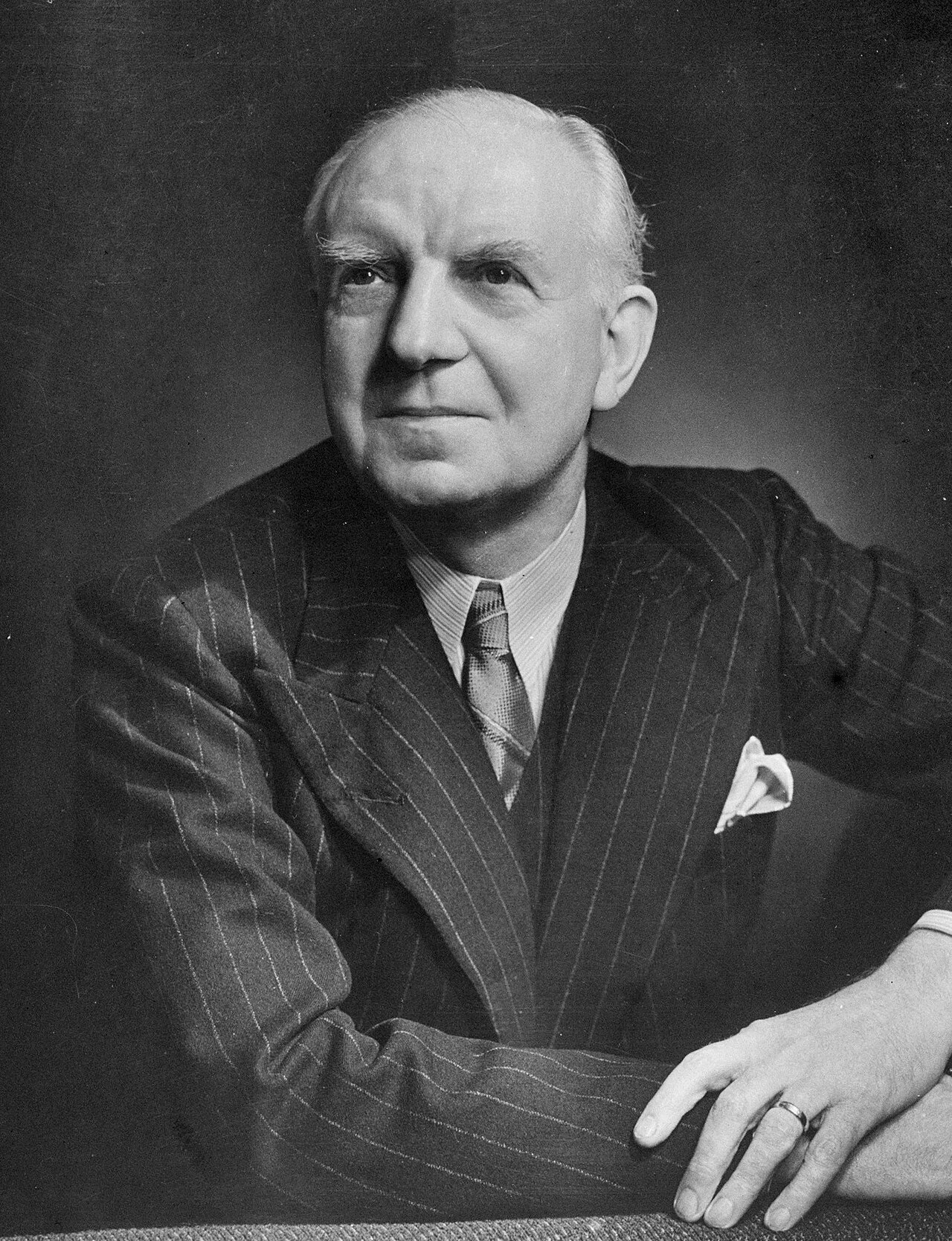
British rationing put to the test in 1941
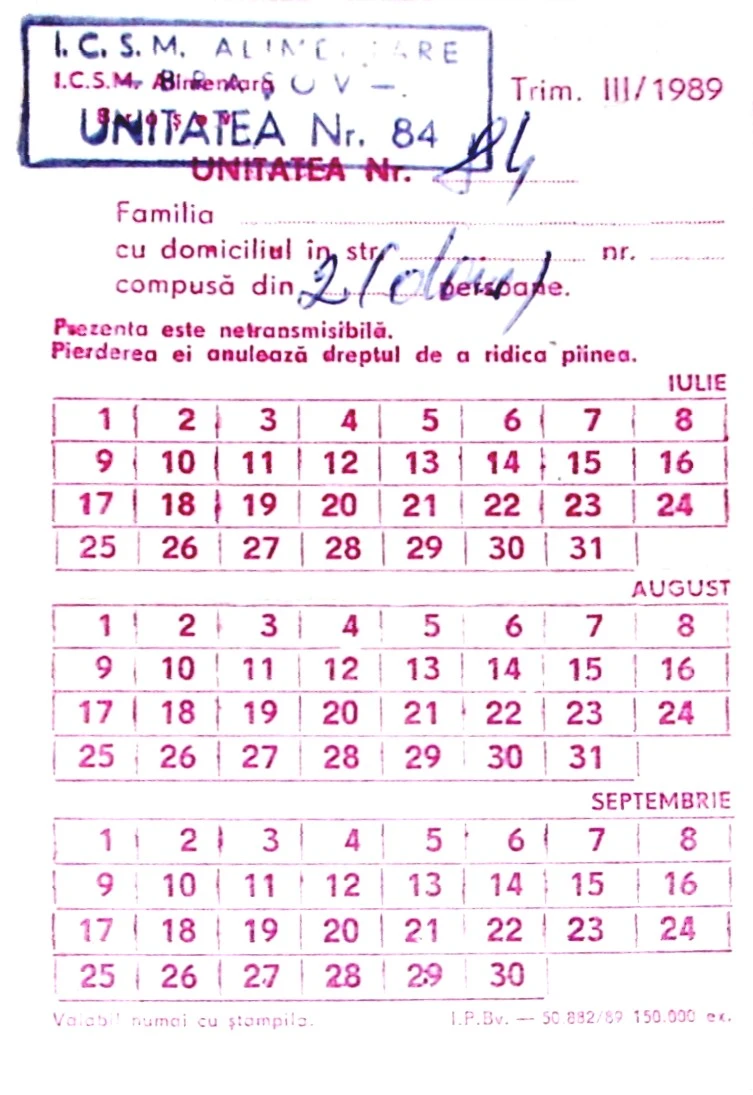
British Clothes Rationing
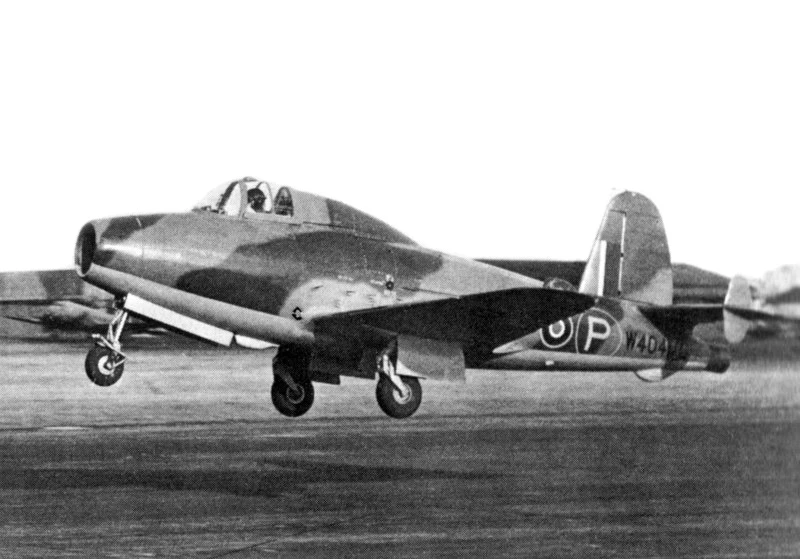
Whittle, his jet engine and the rebellious combustion chamber
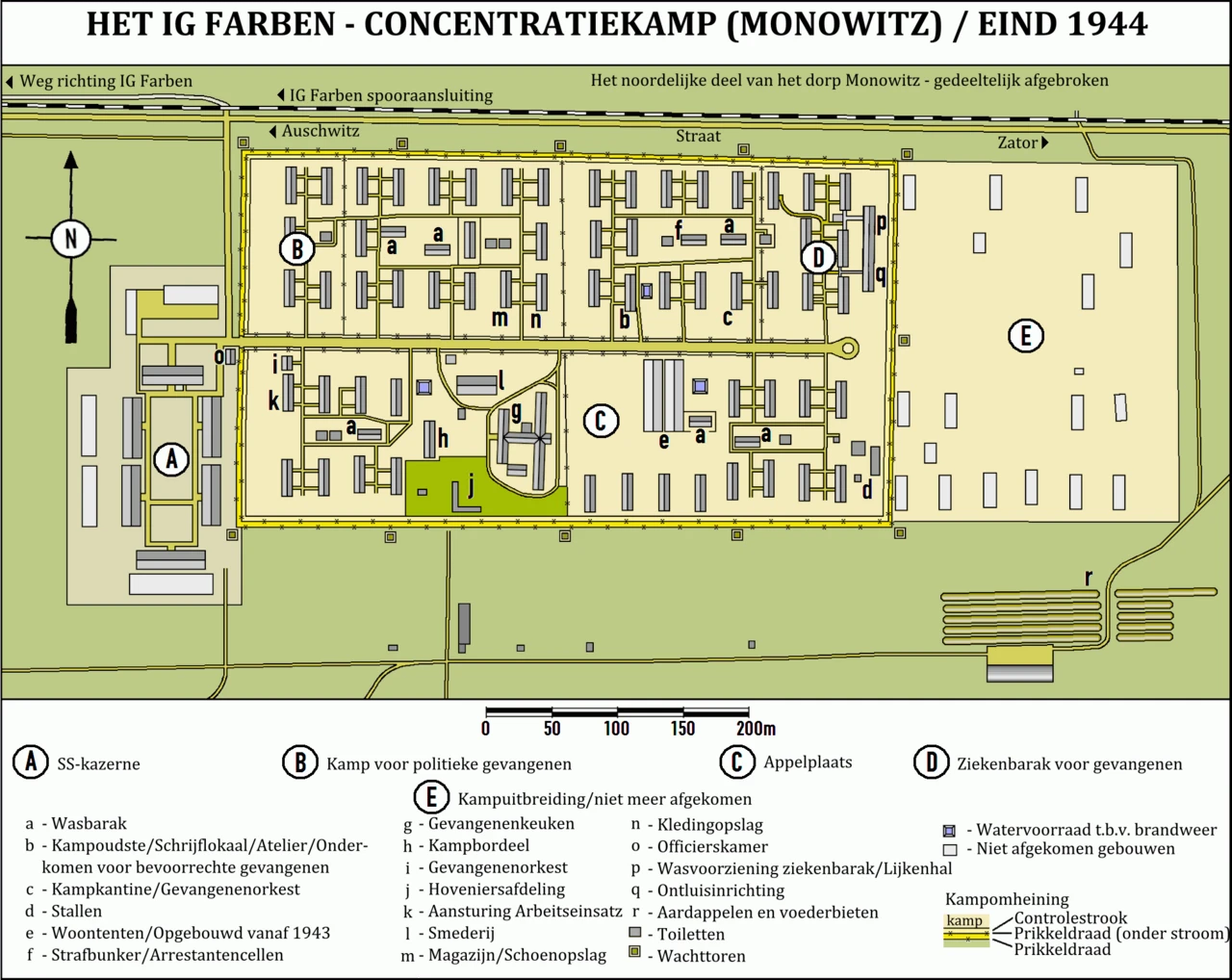
The Monowitz Construction Site
The Minister, the Fleet and the Empty Plates

Castle Bromwich: car assembly lines to build the Spitfire
British Coal for the Winter of 1939
Campine Coal and the Hunger of Year One
The Tizard Mission's Trunk for America
The Shadow Factories
British rationing put to the test in 1941
British Clothes Rationing
Whittle, his jet engine and the rebellious combustion chamber
The Monowitz Construction Site
The Minister, the Fleet and the Empty Plates
Castle Bromwich: car assembly lines to build the Spitfire
British Coal for the Winter of 1939
Campine Coal and the Hunger of Year One
The Tizard Mission's Trunk for America