
Moscow, 16 October 1941: the capital on the brink
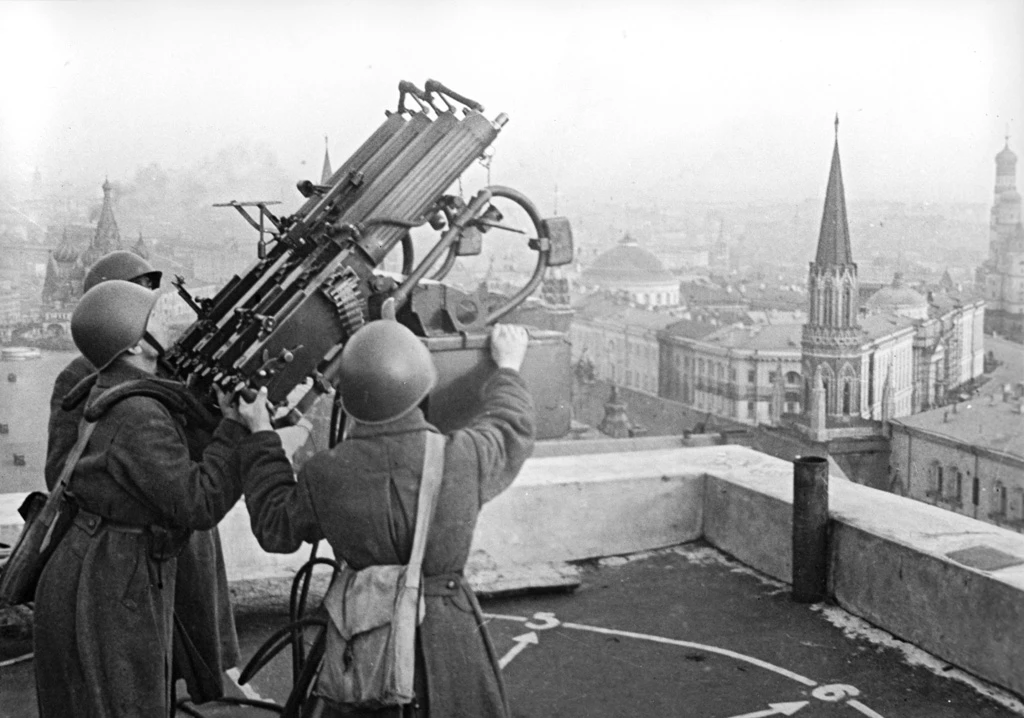
On 16 October 1941, Moscow plunged into terror. Since the launch of Operation Typhoon in early October, von Bock's panzers have torn open the front, encircled entire armies at Vyazma and Bryansk, and the road to the capital seems wide open. In the city, it is the "great panic": crowds besieging the railway stations, trains taken by storm, files burned in the courtyards of the ministries, looting, the flight of officials and functionaries to the east. The evacuation of the government, the diplomatic corps and the archives to Kuibyshev has already begun. The question is no longer merely to hold, but to contemplate the unthinkable: what if the capital fell?
At the Lubyanka, you receive instructions without precedent. The task is to decide, coldly, the material fate of Moscow should the Wehrmacht enter the city. The great armament factories, the power stations, the bridges over the Moskva, the railway junctions, the communication networks, the brand-new metro, down to the symbolic edifices of Soviet power: all of it can be prepared for destruction, set aside for evacuation, or left intact. Each option bears upon future resistance, the morale of a population already on the verge of breaking, and the image of the regime.
You weigh the secrecy of the preparations, the speed of the enemy advance, and the utter uncertainty as to whether the city will hold. The decision falls to you.
On this day of panic, how do you prepare the material fate of Moscow in the face of a possible fall?
On orders from the leadership, the NKVD did indeed mine Moscow's key infrastructure: factories, bridges, power stations, railway lines, along with plans to destroy the metro and emblematic buildings, so as to leave nothing to the enemy. On 19 October 1941, a state of siege was proclaimed and Stalin chose to remain in the capital, which helped to quell the panic. The Soviet counter-offensive of December 1941, launched by Zhukov, pushed the Wehrmacht back 100-250 km from Moscow; the charges were ultimately removed without having been used. The 7 November parade on Red Square, with troops marching straight to the front, sealed the recovery of morale.
Learn more about this event
Related polls
10
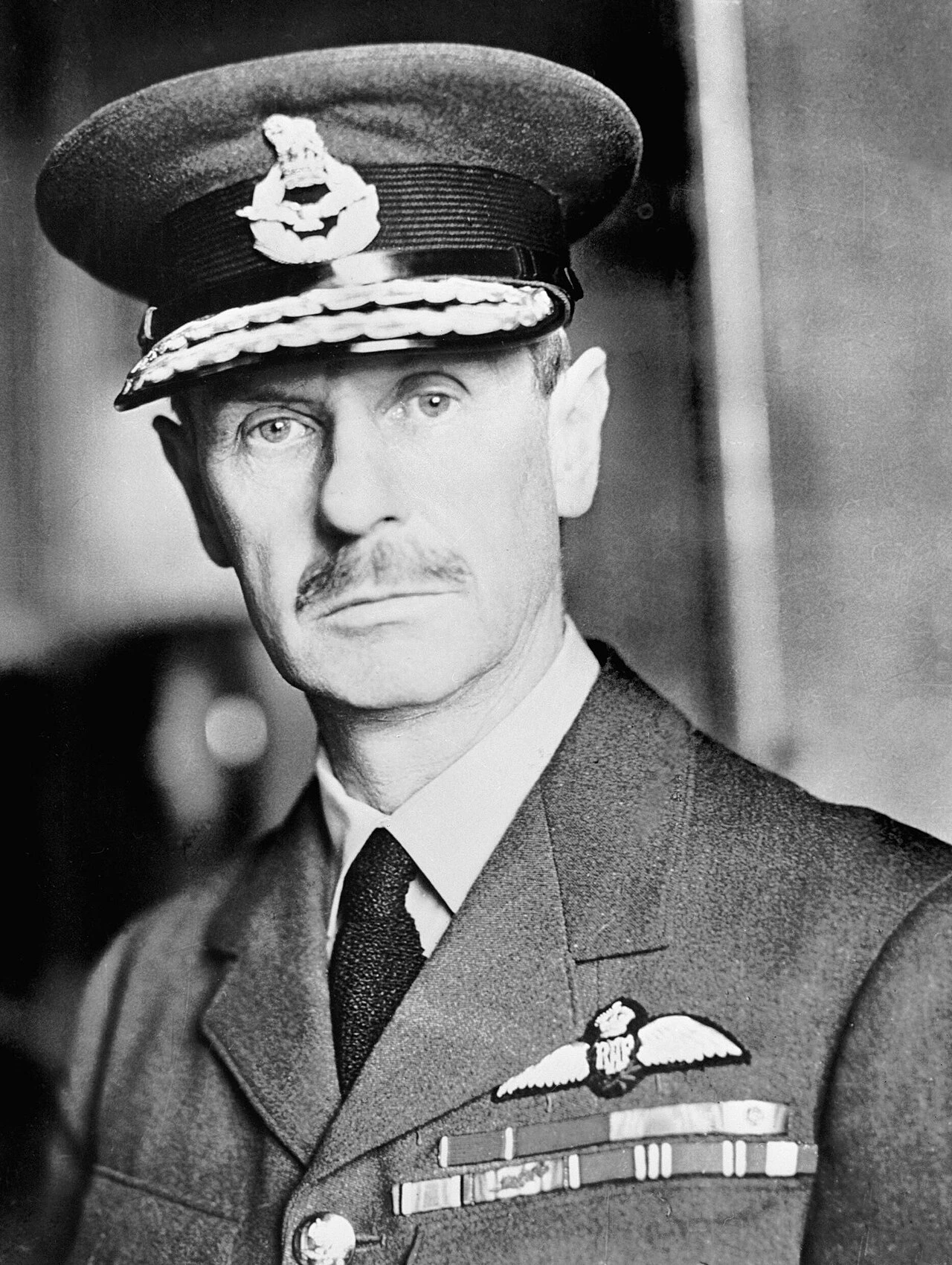
Chain Home — the Invisible Wall
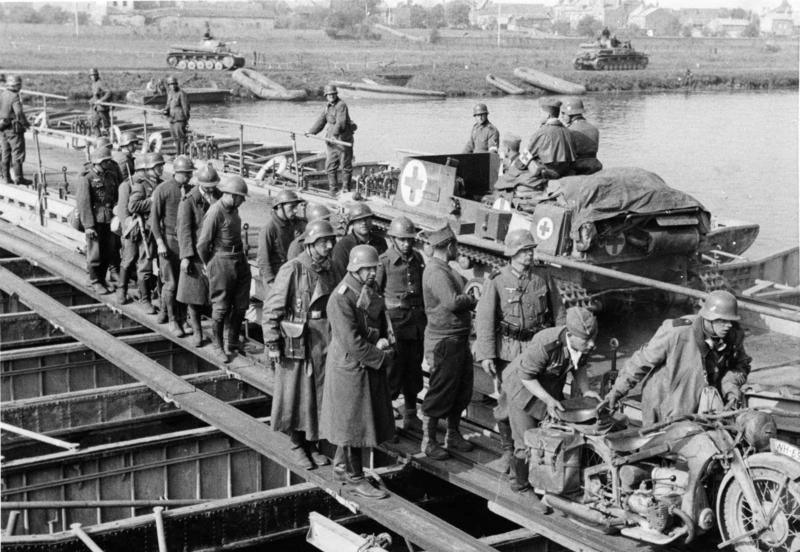
The French engineers at Sedan
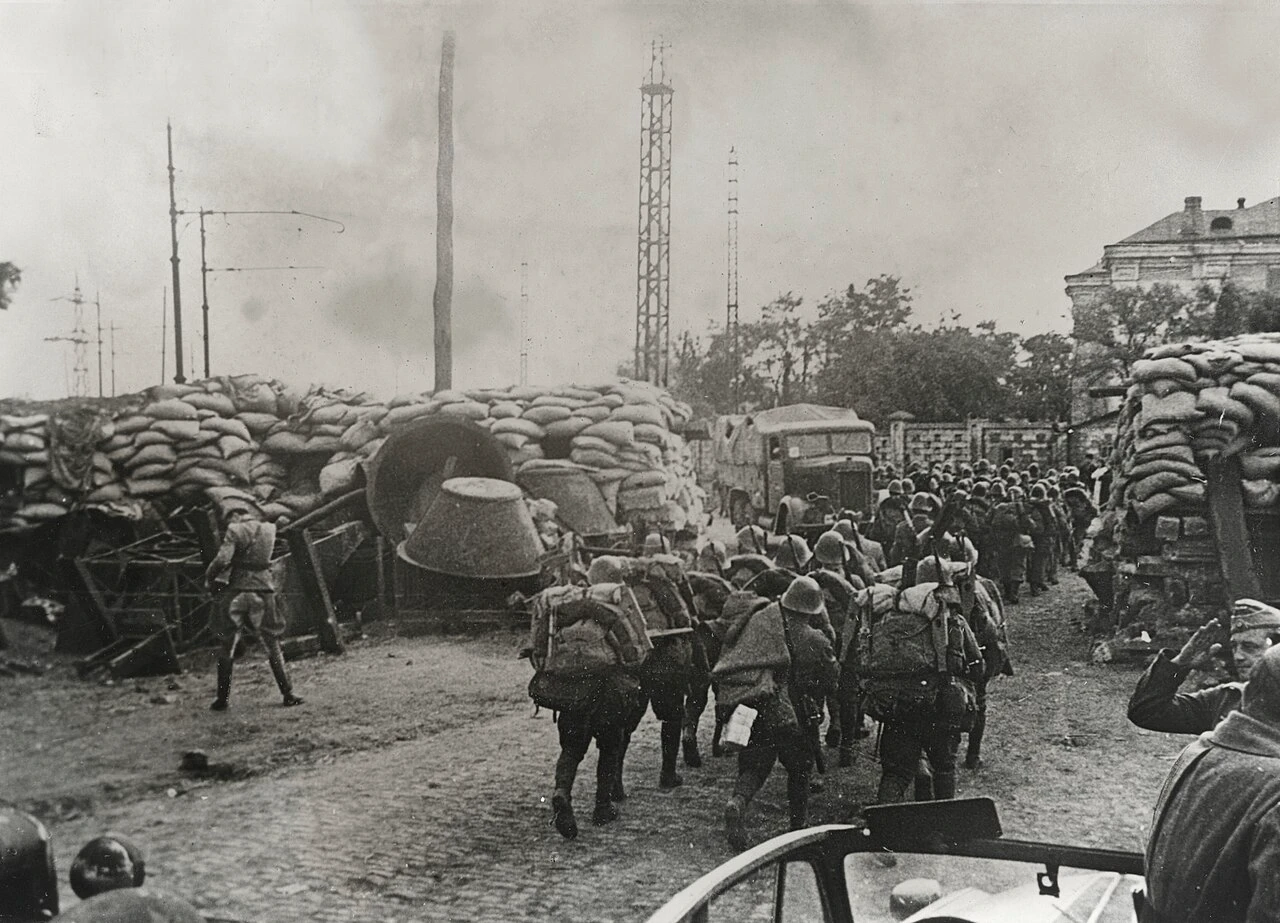
Odessa, October 1941: The Sea or Death
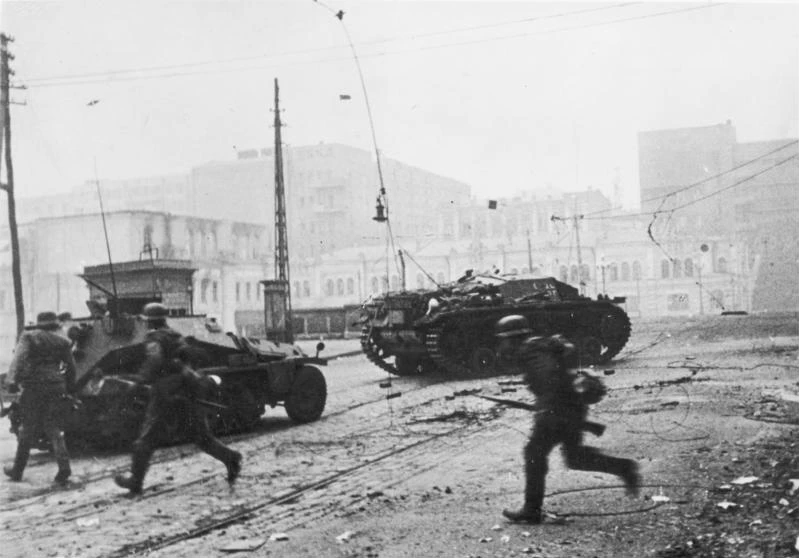
Soviet Sappers at Kharkov
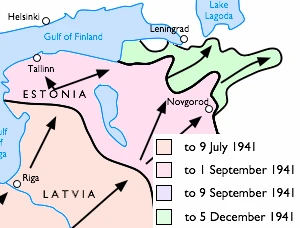
Barbarossa — 3:15 a.m.
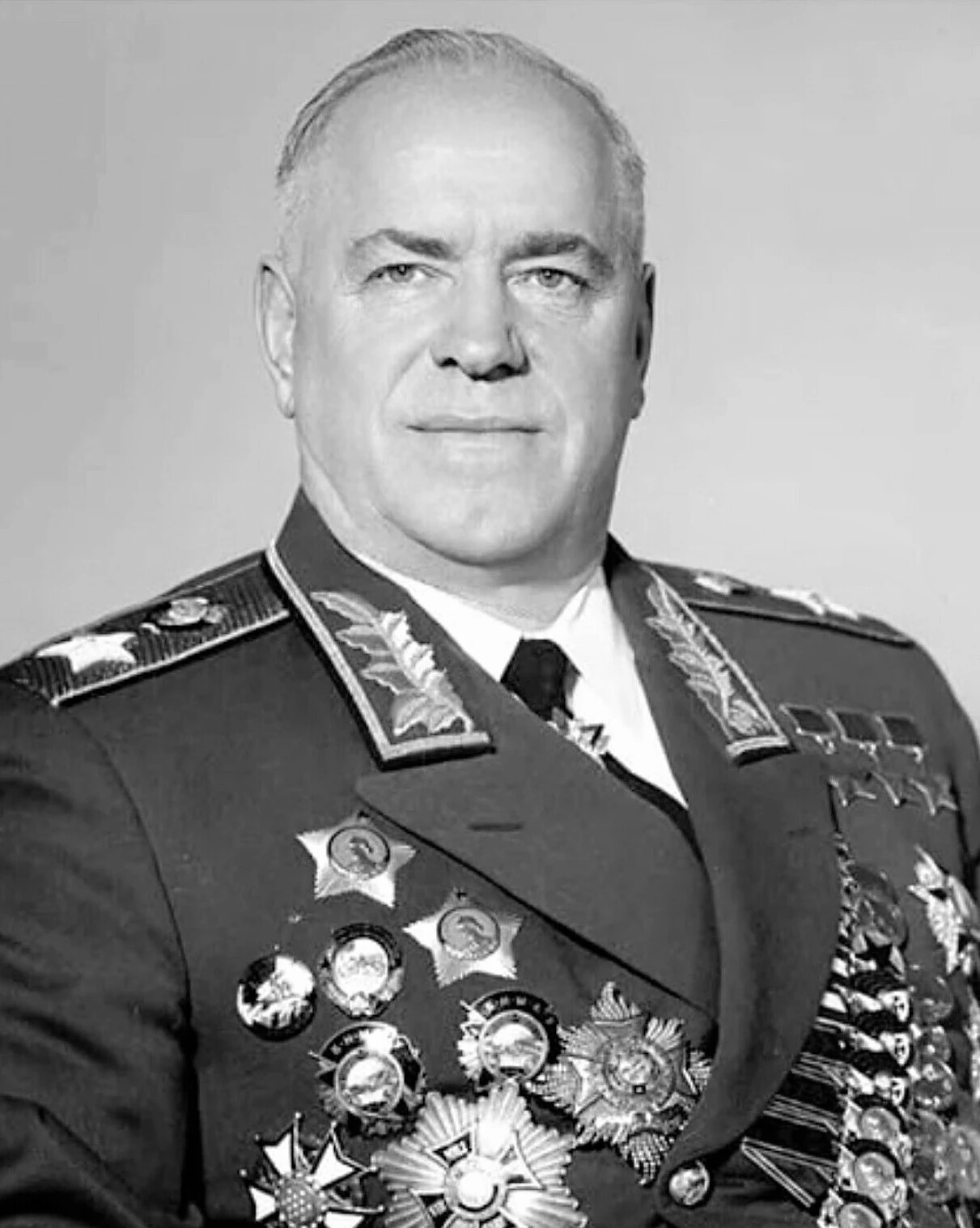
Zhukov Facing the Void Before Moscow
The Reich's Concrete Against the Sea
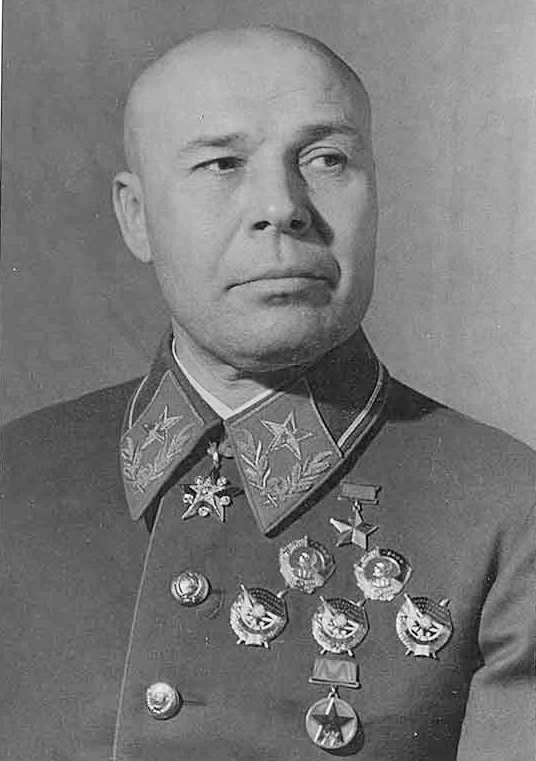
Smolensk — the pocket closes
Vyazma, October 1941: the militia faces the onslaught
Aalto-Setälä — passive defence
Chain Home — the Invisible Wall
The French engineers at Sedan
Odessa, October 1941: The Sea or Death
Soviet Sappers at Kharkov
Barbarossa — 3:15 a.m.
Zhukov Facing the Void Before Moscow
The Reich's Concrete Against the Sea
Smolensk — the pocket closes
Vyazma, October 1941: the militia faces the onslaught