
Oslo — how to govern occupied Norway
must, in late April 1940, settle the form of power in occupied Norway. The question arose on the very first day of the invasion. On 9 April, , leader of the tiny Nasjonal Samling party — which had never exceeded 3% of the vote nor elected a single deputy — proclaimed a government on his own initiative on the radio, with Berlin's verbal blessing.
But Quisling's coup fell flat. King and the legitimate government refused to recognise him, and the sovereign preferred internal exile to any endorsement of Quisling. Deprived of all popular support, Quisling became useless, even cumbersome: the German Foreign Ministry had never wanted him. On 15 April, power was transferred to an Administrative Council of seven men, set up by members of the Norwegian Supreme Court and presided over by , whom Berlin hoped to see cooperate with the king.
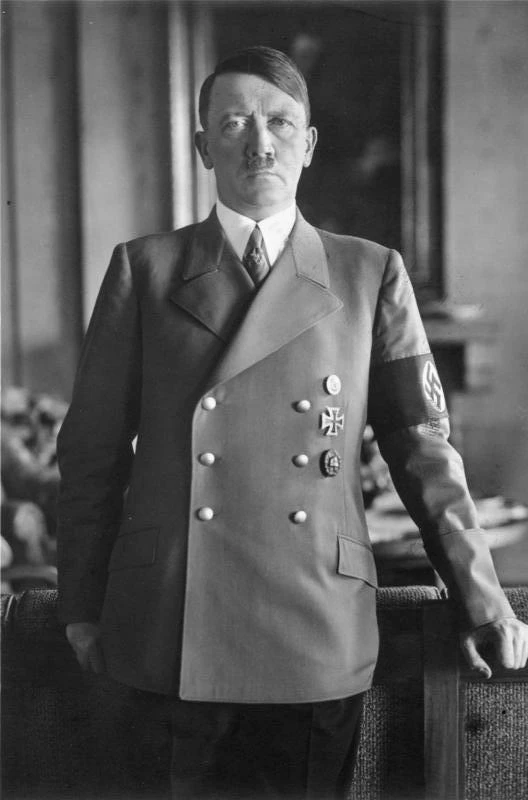
Hitler must now fix the lasting structure of the occupation. Three paths offer themselves: confirm Quisling despite his failure, lean on the Norwegian Administrative Council, or impose one of his own men. Norway's political fate is being decided in Oslo.
Will you confirm Quisling, let a Norwegian council govern, or impose a German commissioner?
Hitler ruled for C. On 24 April 1940, he appointed , a senior Nazi party official, Reichskommissar of Norway, giving him effective control of the country — even though, in the early days, the Administrative Council continued to dispatch routine affairs and the armed forces remained under General Falkenhorst. Terboven would govern Norway with an iron hand until the end of the war. Quisling, sidelined in April, was finally reinstalled as Minister-President under German tutelage in 1942; tried after the war, he was shot in 1945, and his name passed into the language as a synonym for traitor. The choice of a Reich commissioner rather than a native administration marked the hardening of the German occupation model in Western Europe.
Learn more about this event
Related polls
10
Goering at Carinhall — the promise to Hitler
Hitler at Compiègne — 22 June 4:30 p.m.
Mussolini and the entry into the war
Lodz — sealing the ghetto
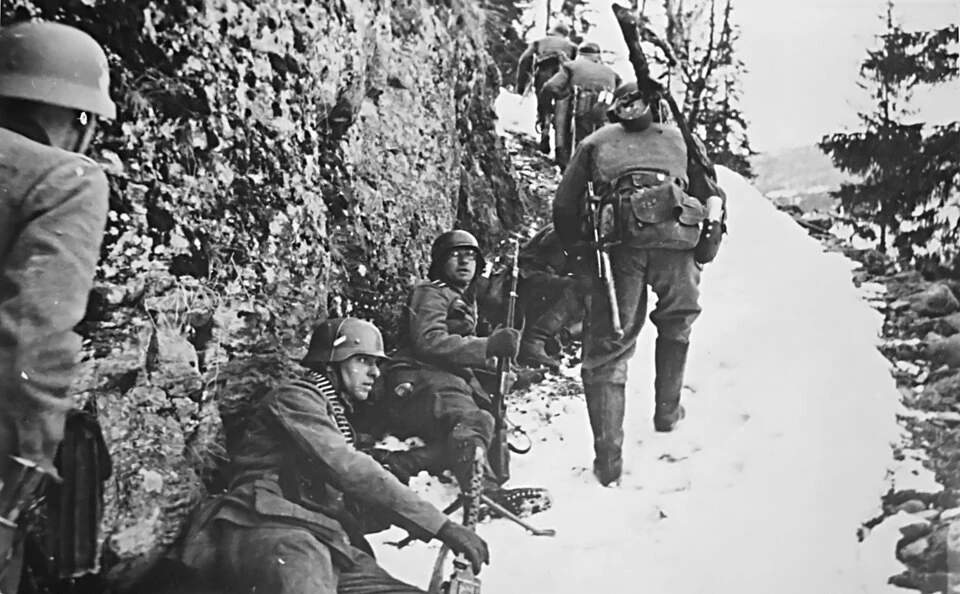
Weserübung — directive of 1 March
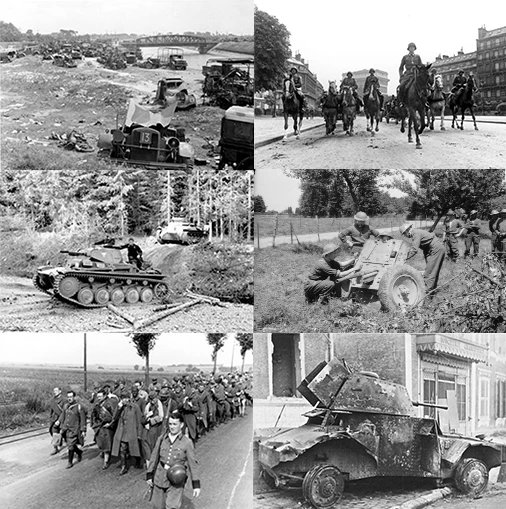
The armistice of Rethondes
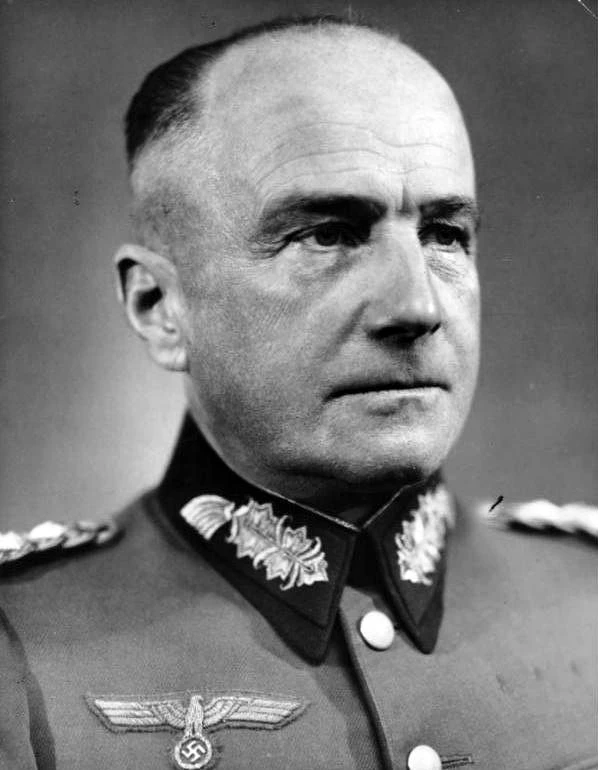
Brauchitsch — Reich Chancellery, 5 November
Ciano summons the ambassadors — 10 June
Hannah Arendt, Stateless and Interned, Facing Exile
Hitler and Fall Gelb — 29 postponements
Goering at Carinhall — the promise to Hitler
Hitler at Compiègne — 22 June 4:30 p.m.
Mussolini and the entry into the war
Lodz — sealing the ghetto
Weserübung — directive of 1 March
The armistice of Rethondes
Brauchitsch — Reich Chancellery, 5 November
Ciano summons the ambassadors — 10 June
Hannah Arendt, Stateless and Interned, Facing Exile