
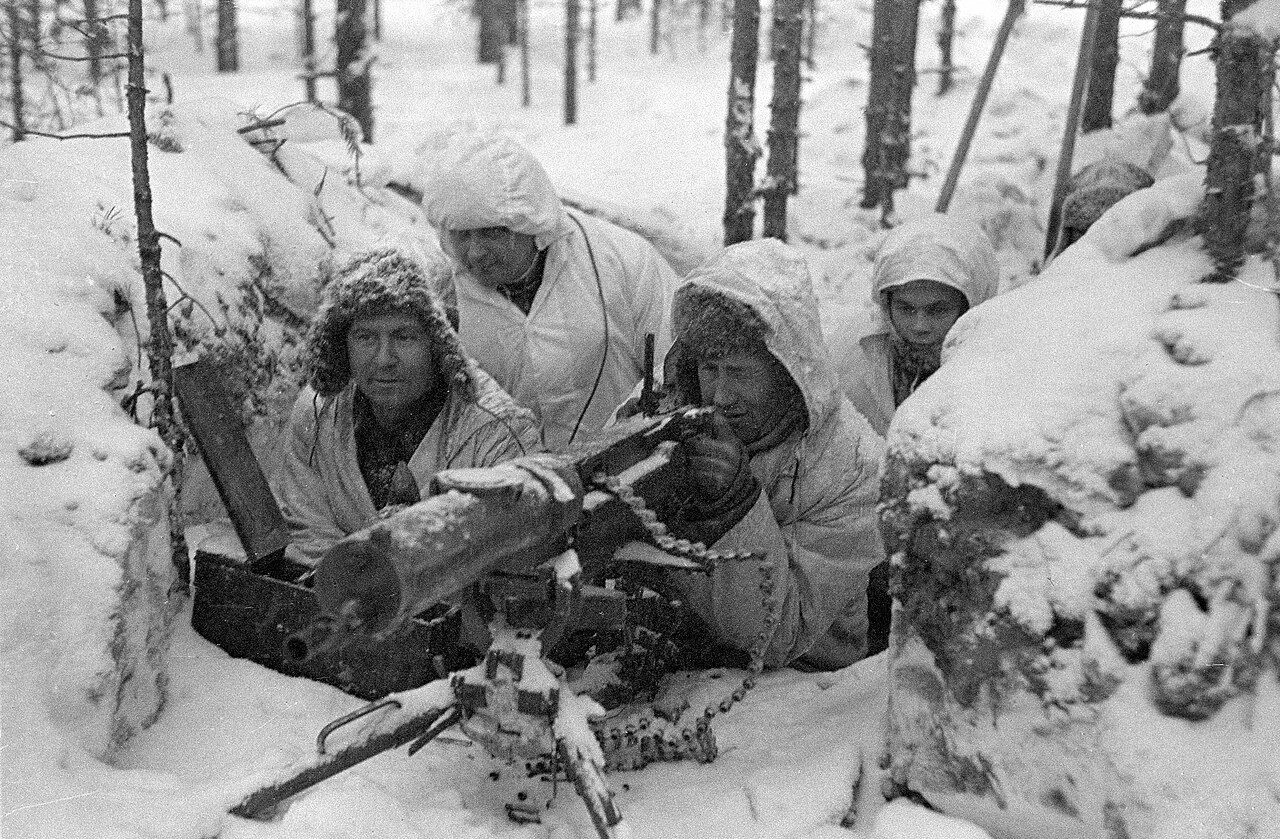
The Peace of Moscow, signed on 12 March 1940 and effective on 13 March at 11:00 am, brought the Soviet-Finnish Winter War to an end after 105 days of combat. The official balance sheet, published at the end of the 20th century once the Soviet figures opened up after 1991, is damning on both sides.
Finland counted 25,904 dead — or 10 per thousand of the soldiers committed —, 43,557 wounded, 1,029 missing and 875 prisoners, repatriated in May 1940; it lost 167 aircraft and 30 tanks.
Soviet losses were of a wholly different order: 131,476 confirmed dead, 264,908 wounded, 5,600 prisoners, 957 aircraft shot down and 3,543 tanks destroyed — the equivalent of seven armoured divisions. At that price, the USSR wrested 11% of Finnish territory, or 35,000 km², and threw 422,000 Karelian refugees onto the roads. The casualty ratio reached 5.07 Soviet dead for every Finnish dead, one of the most lopsided of modern war.
The strategic consequences played out on three levels. Finland survived as an independent state, kept its democratic regime and would retain its Western ties. The USSR, for its part, exposed a major military weakness, from which Hitler drew the — mistaken — conclusion that Barbarossa would be easy. As for the Allies, they had shown their inability to intervene militarily among the Scandinavian neutrals — a diplomatic humiliation that helped bring down the Chamberlain government in May 1940 and the Daladier government in March 1940.
It now falls to historians to characterise the overall result.
How should the overall outcome of the Winter War be judged?
Consensual historiography today regards the Winter War as A and C combined. Finland lost 11% of its territory but preserved its existence as a state. The USSR gained ground but lost enormously in military prestige and lives. Hitler's strategic reading (a fragile , Barbarossa feasible) remained mistaken but partly explains his later audacity. The Winter War was also a unifying moment for the Finnish nation: before 1939, social and political divisions ran deep (legacies of the 1918 civil war); after 1940, a strong national cohesion that would last for decades. Talvisotahenki ("the spirit of the Winter War") became a Finnish founding myth. To this day, Finnish resilience in the face of an overwhelming aggressor inspires other nations facing Russian aggression — the example was explicitly invoked by Ukrainian President Zelensky in 2022. Finland, outside NATO for 70 years, would join NATO in April 2023 — the end of a historical parenthesis opened by the Peace of Moscow of 1940.
Learn more about this event
Related polls
10
Baku in the crosshairs — Operation Pike
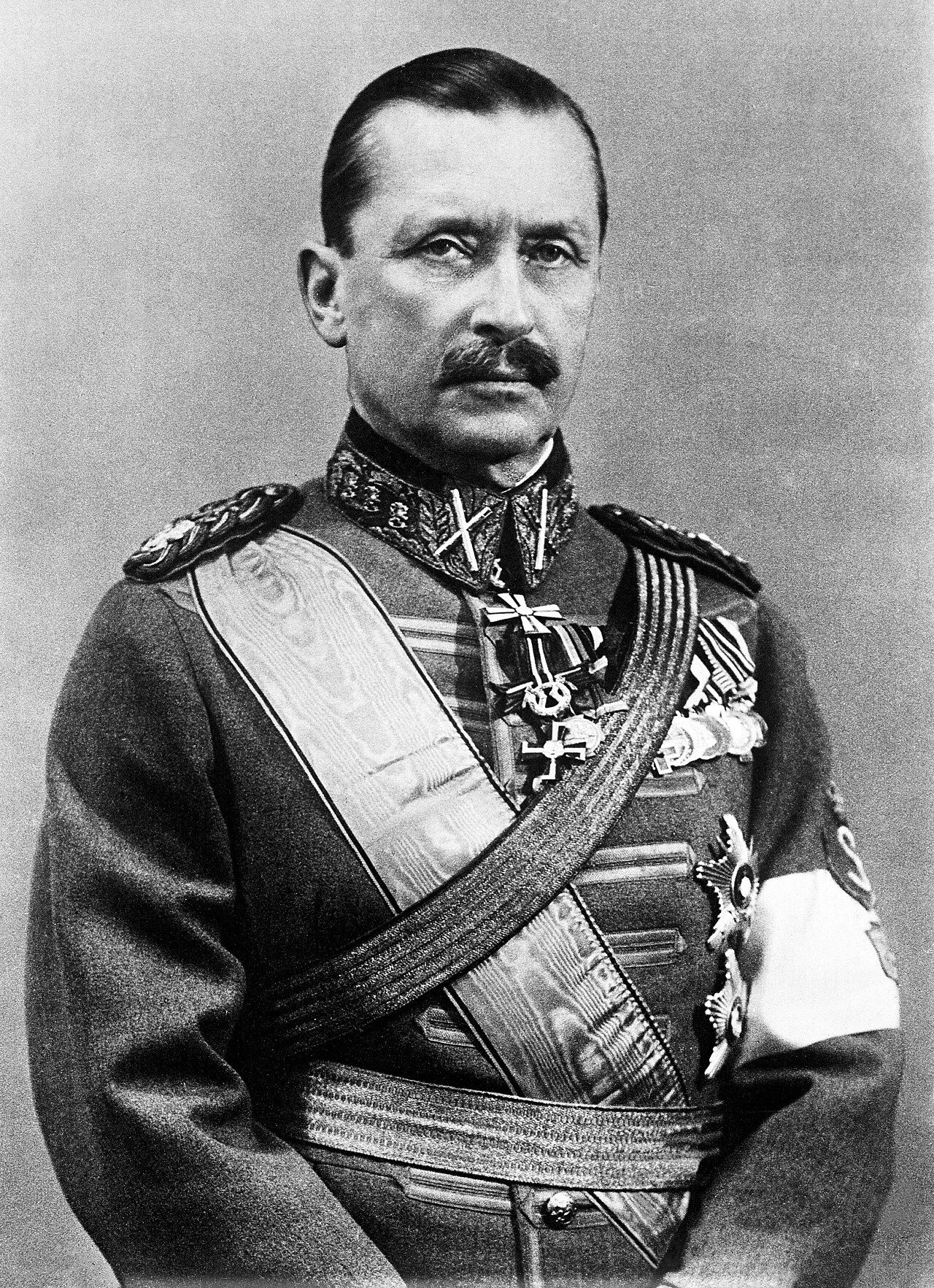
Mannerheim to the Ryti government — 28 February
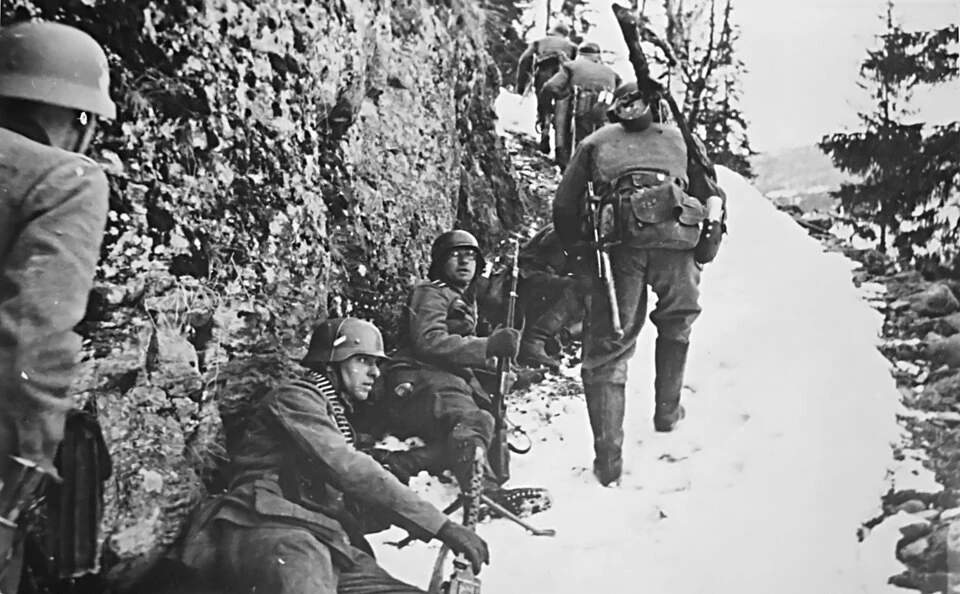
Weserübung — directive of 1 March
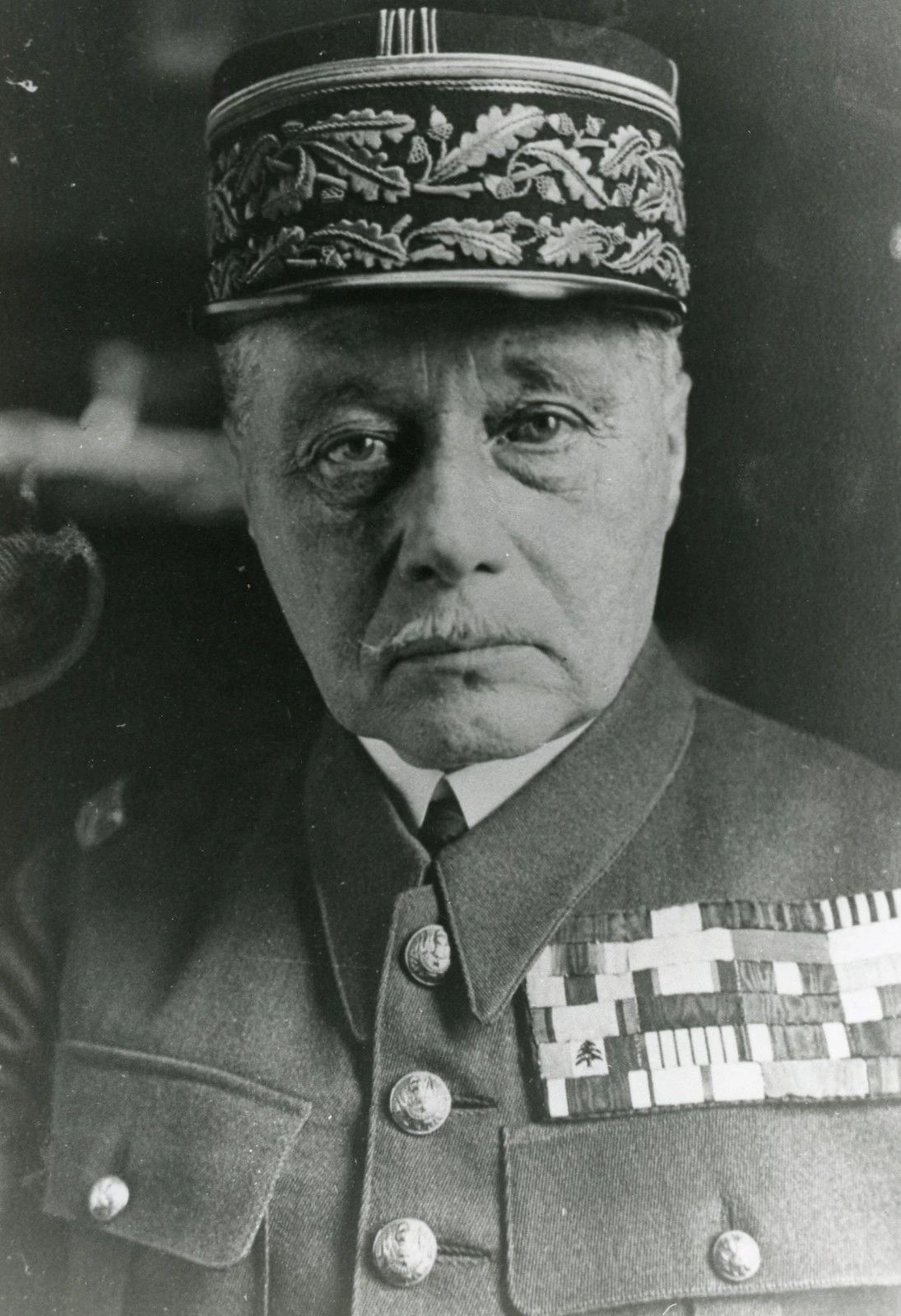
The Supreme Allied Council faces Finland
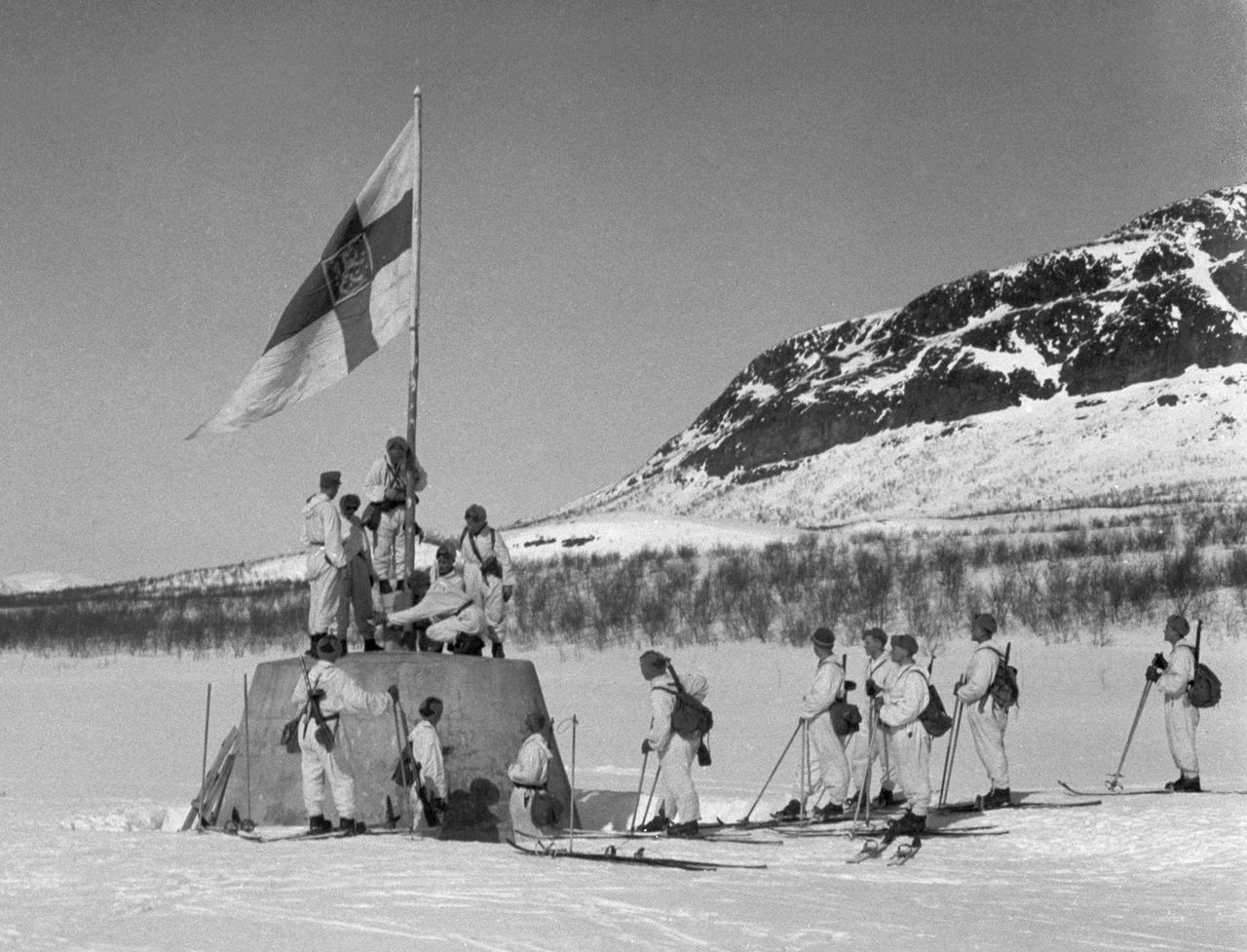
Should Finland be helped?
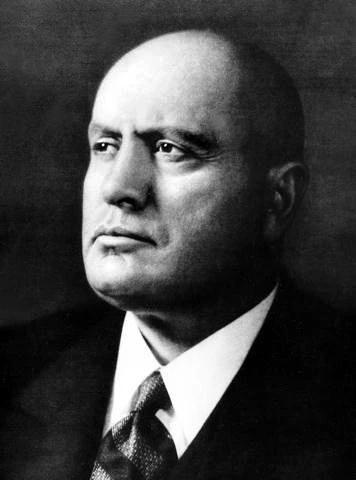
The Brenner Pass meeting
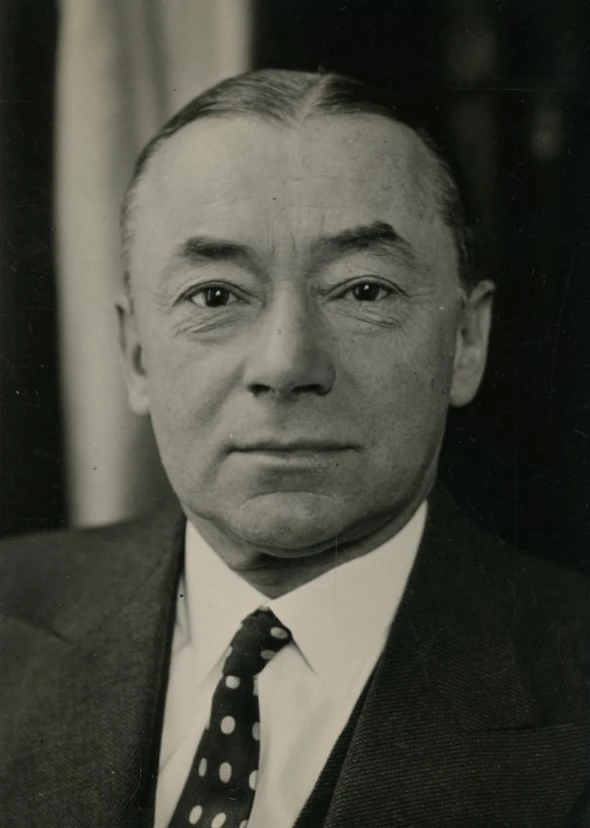
Reynaud — Matignon 21 March
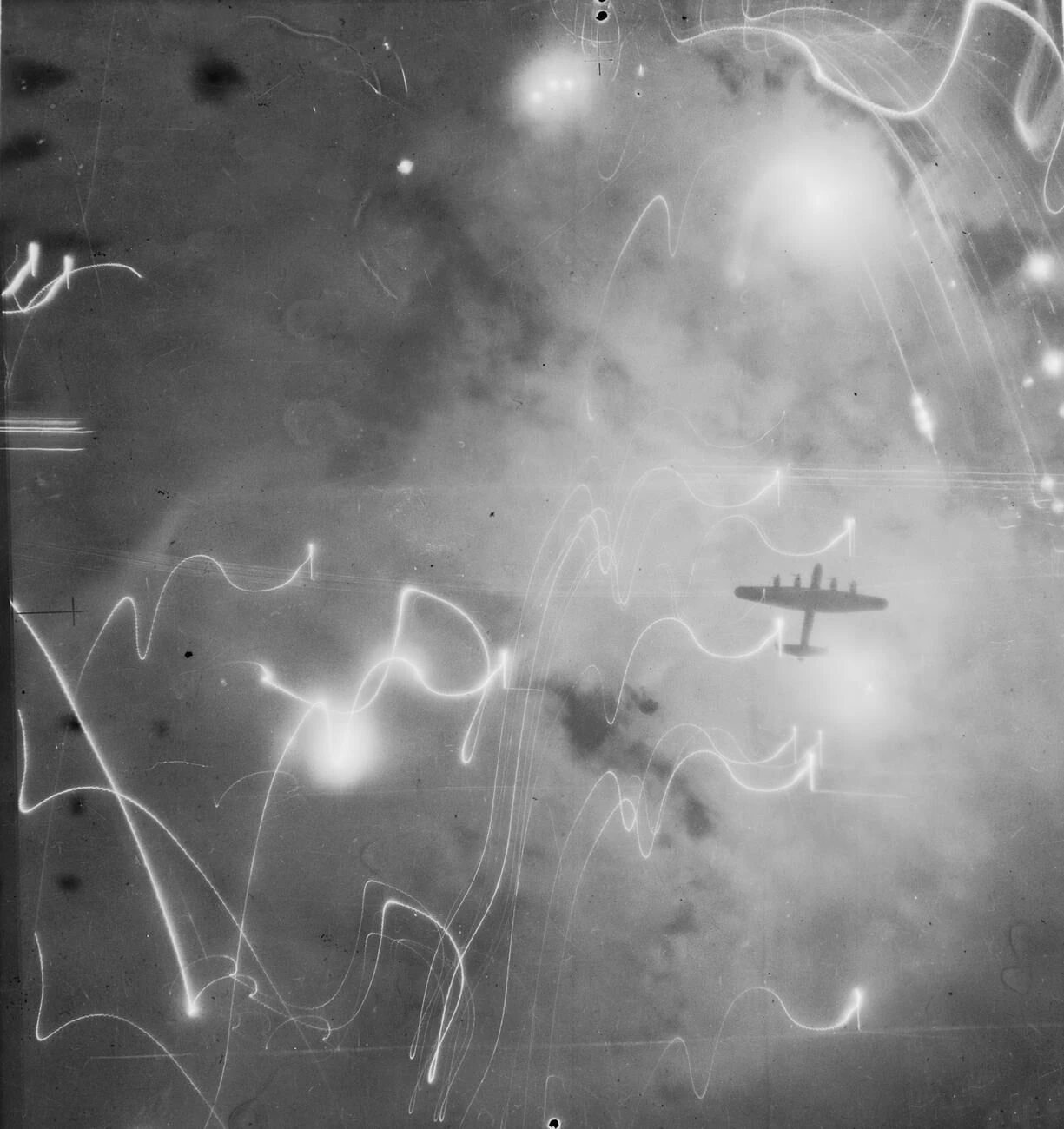
Bombing London — and the reply on Berlin
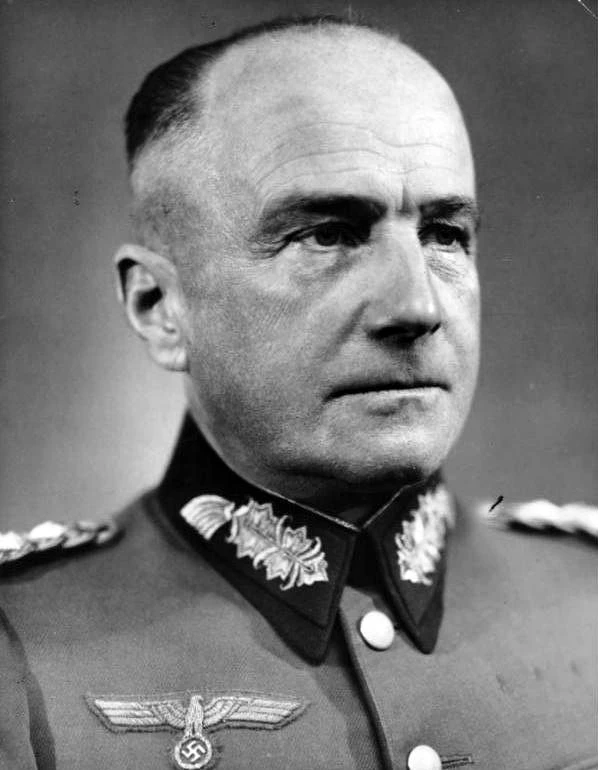
Brauchitsch — Reich Chancellery, 5 November
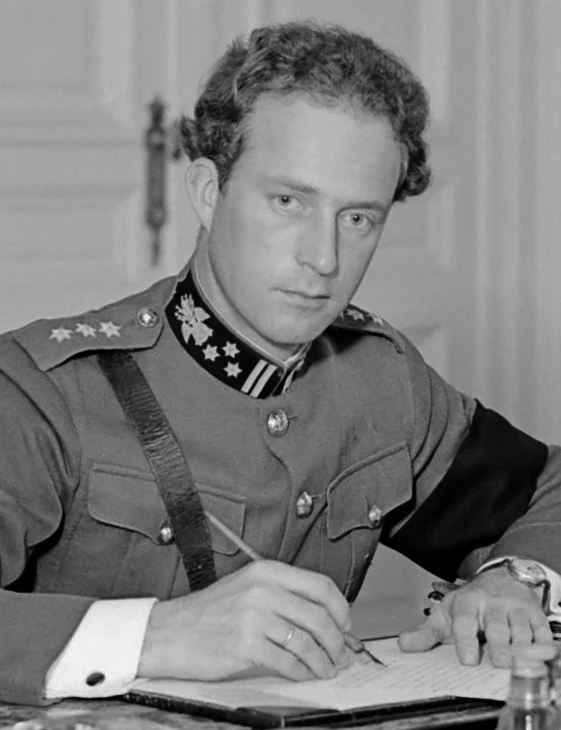
The Capitulation of 28 May
Baku in the crosshairs — Operation Pike
Mannerheim to the Ryti government — 28 February
Weserübung — directive of 1 March
The Supreme Allied Council faces Finland
Should Finland be helped?
The Brenner Pass meeting
Reynaud — Matignon 21 March
Bombing London — and the reply on Berlin
Brauchitsch — Reich Chancellery, 5 November