
Amsterdam, February 1941 — after the round-up
In the Netherlands, occupied since May 1940, the vise is tightening on the Jews: exclusions, registration, provocations by pro-Nazi gangs in the Jewish quarter of Amsterdam, the Jodenbuurt. Clashes break out; after the death of a member of the Nazi gangs in a brawl, the occupier strikes back with calculated violence. On 22 and 23 February 1941 the German police round up 425 Jewish men and youths in the quarter and deport them to the camps of Mauthausen and Buchenwald — from which almost none will return.
The news shakes the city. The Dutch Communist Party, banned since July 1940 but still organized underground in Amsterdam, decides to react. Its militants must choose a form of action in a country under German boot, where any opposition is severely repressed.
Three paths open before them: call for an open general strike of protest, a gesture without precedent and heavy with risk; stick to a discreet resistance (leaflets, sabotage) so as not to expose their networks; or abstain, judging the occupier too powerful for such a challenge to serve any purpose but to provoke reprisals.
How should the Communist militants react to the round-up of Amsterdam's Jews?
The militants chose A. On 25 February 1941 a call to strike spread: the tram drivers walked out first, followed by municipal services, factories, schools; in two days some 300,000 people stopped work in Amsterdam and the neighboring towns. The February Strike (Februaristaking) was the first — and only — great public protest against the persecution of the Jews anywhere in occupied Europe. The occupier broke it by force in two days: nine strikers killed, hundreds arrested, heavy collective fines. The repression foreshadowed the hardening to come; the Netherlands would suffer one of the highest deportation rates of Jews in Western Europe. The strike is still commemorated every 25 February before the statue of the Dokwerker.
Learn more about this event
Related polls
10
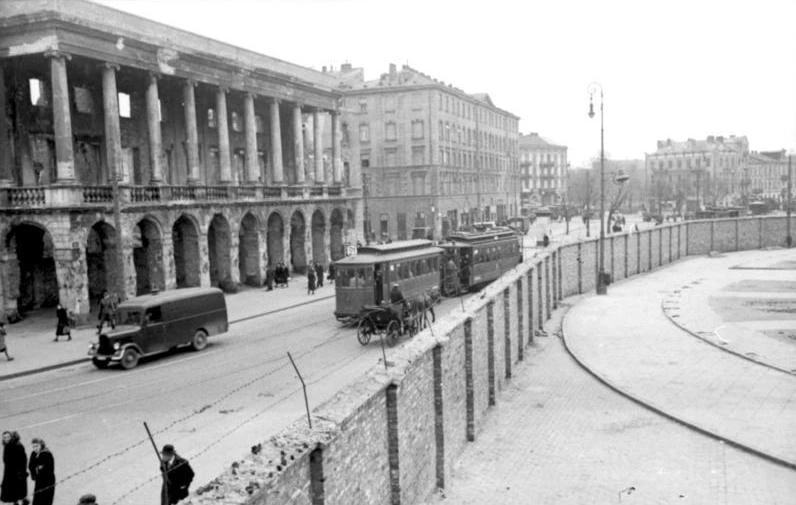
The Warsaw Ghetto — the temptation of informing
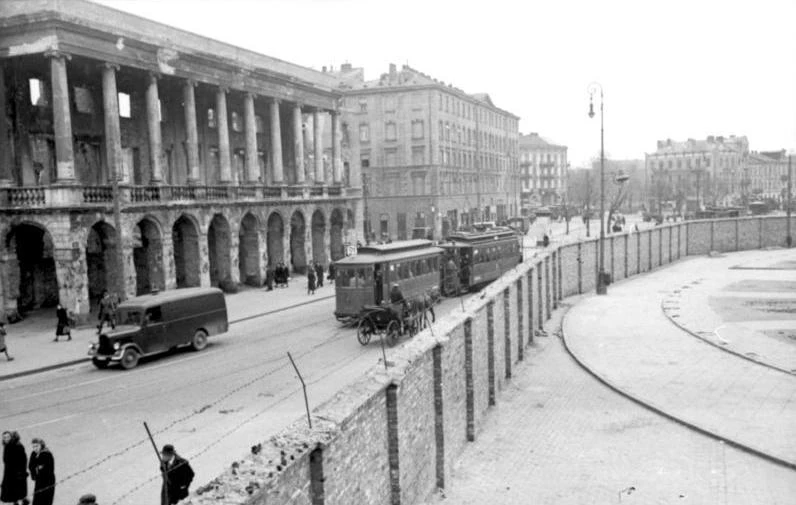
Studying in the Warsaw Ghetto
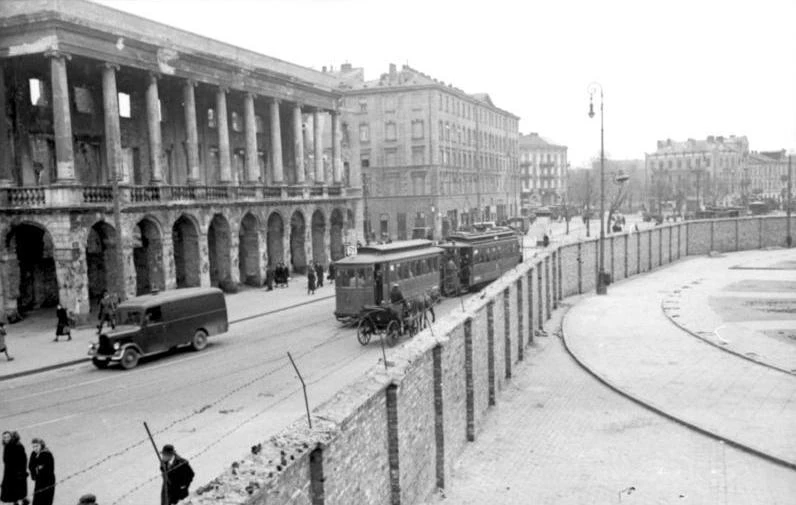
Clandestine teaching in the Warsaw Ghetto
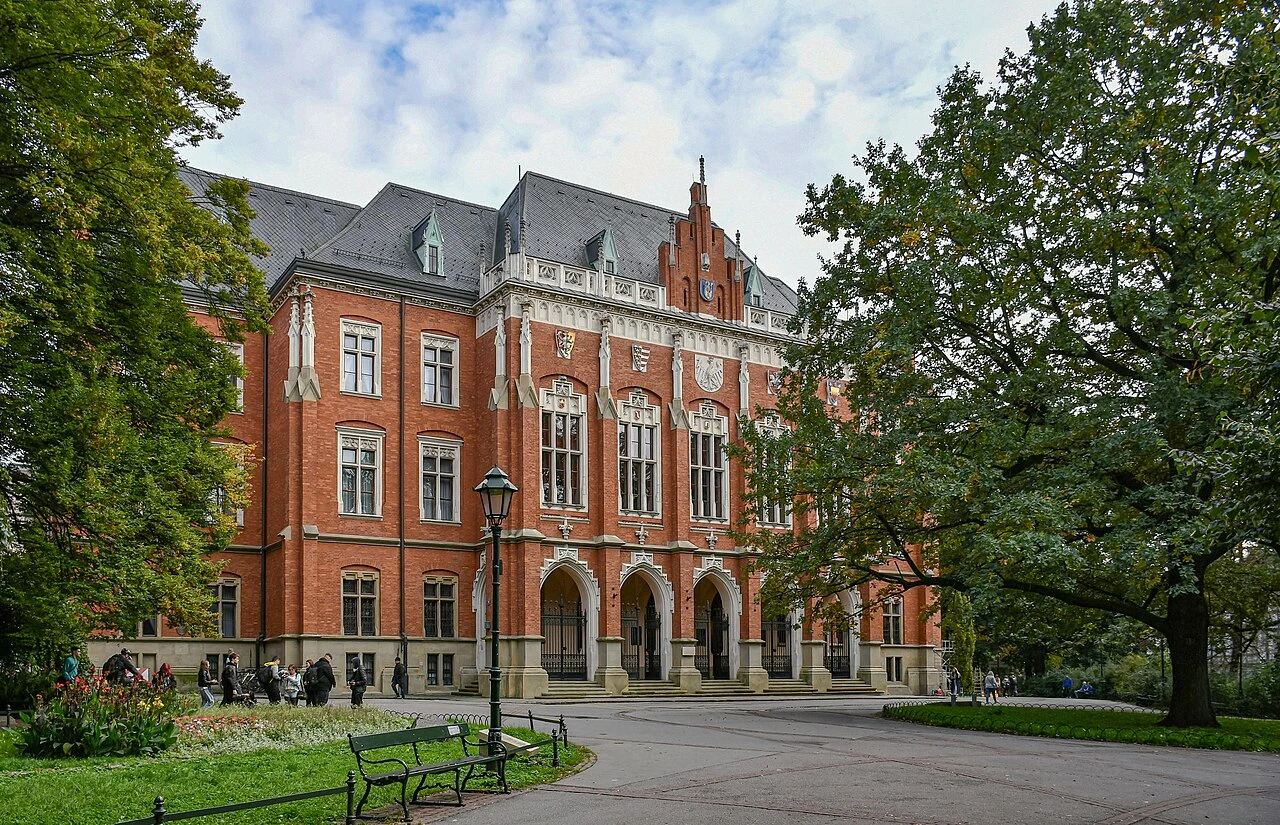
The Kraków Student After the Sonderaktion Krakau
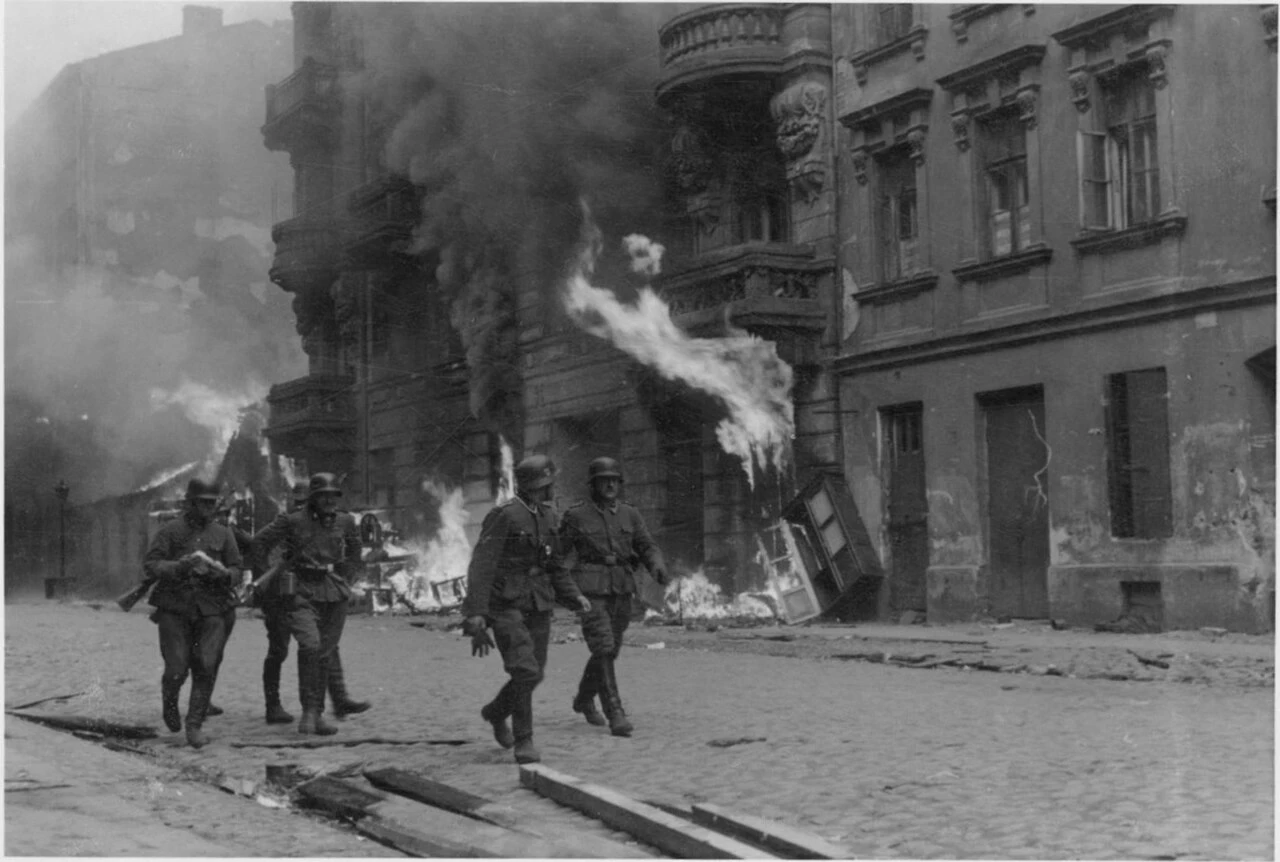
The Jewish Schoolteacher of Kazimierz
The University of Warsaw under the Bombs
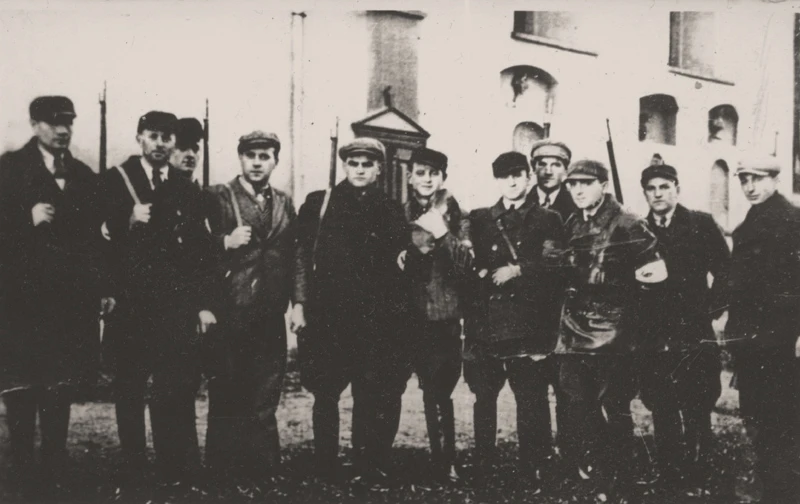
The Volksdeutsche Conscripted into the Selbstschutz
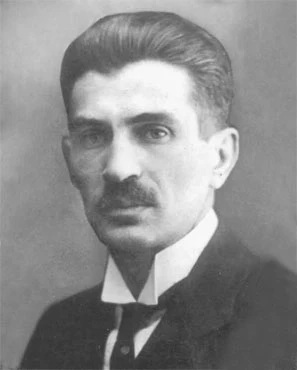
Maciej Rataj — Filtrowa Street, 28 November
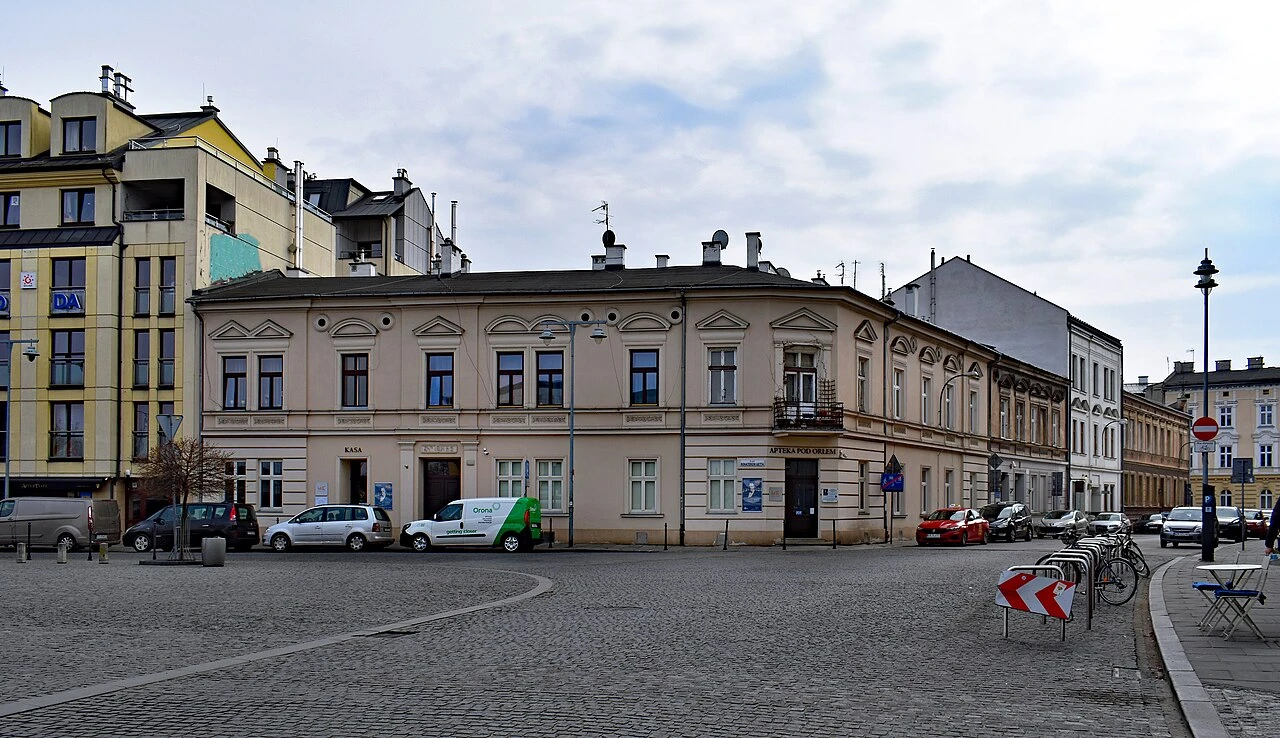
The apothecary of the Kraków Ghetto
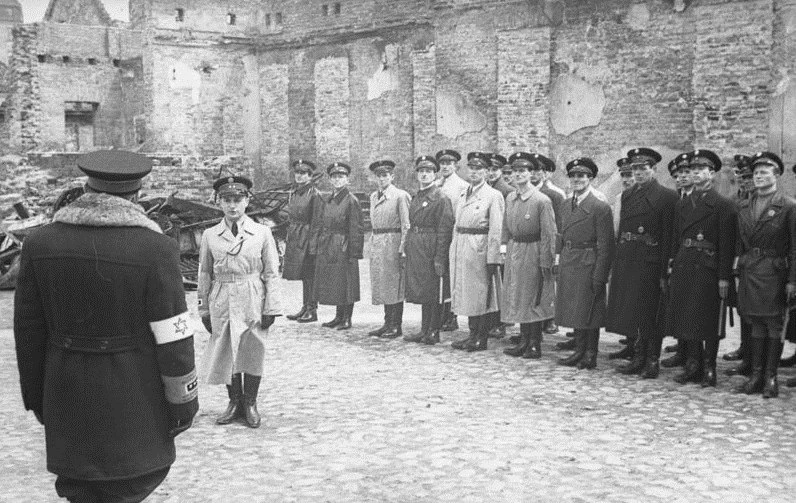
Czerniaków — the Warsaw ghetto sealed
The Warsaw Ghetto — the temptation of informing
Studying in the Warsaw Ghetto
Clandestine teaching in the Warsaw Ghetto
The Kraków Student After the Sonderaktion Krakau
The Jewish Schoolteacher of Kazimierz
The University of Warsaw under the Bombs
The Volksdeutsche Conscripted into the Selbstschutz
Maciej Rataj — Filtrowa Street, 28 November
The apothecary of the Kraków Ghetto