
Marita — the invasion of Greece
To rescue his Italian ally bogged down in Albania and secure his southern flank before Barbarossa, Hitler had decided to invade Greece (Operation Marita). On 6 April 1941, Feldmarschall 's , massed in Bulgaria, attacked Greece and Yugoslavia simultaneously. The Greeks had concentrated the bulk of their forces against the Italians in Albania and along the Metaxas Line, frontier fortifications facing Bulgaria.
The Greek deployment had a gaping flaw: it assumed Yugoslav neutrality or resistance to cover its north-western flank, through which ran the Vardar valley and the road to Salonika. But the Yugoslav army, attacked on the same day, was itself in the throes of crisis. List had to choose the axis of his main effort.
Should he attack frontally the solid Metaxas Line, at the cost of heavy losses; bypass it through north-western Yugoslavia, racing for Salonika to cut off the Greek army of Eastern Macedonia; or aim directly south to take the Greek forces and the British expeditionary corps from the rear? Speed of decision would determine the scale of victory.
Where should List place Marita's main effort?
List combined A and especially B: while units wore themselves out against the Metaxas Line — whose defenders resisted fiercely — the bulk of the exploited the Yugoslav collapse, swept down the Vardar valley and took Salonika as early as 9 April, encircling the Greek army of Eastern Macedonia, which capitulated. The way south was open. The British expeditionary corps and the Greek forces, outflanked and crushed under German air superiority, had to fall back toward Athens and the Peloponnese. The resistance of the Metaxas Line bunkers forced the respect of the Germans themselves, but could not prevent the conquest of mainland Greece in three weeks.
Learn more about this event
Related polls
10
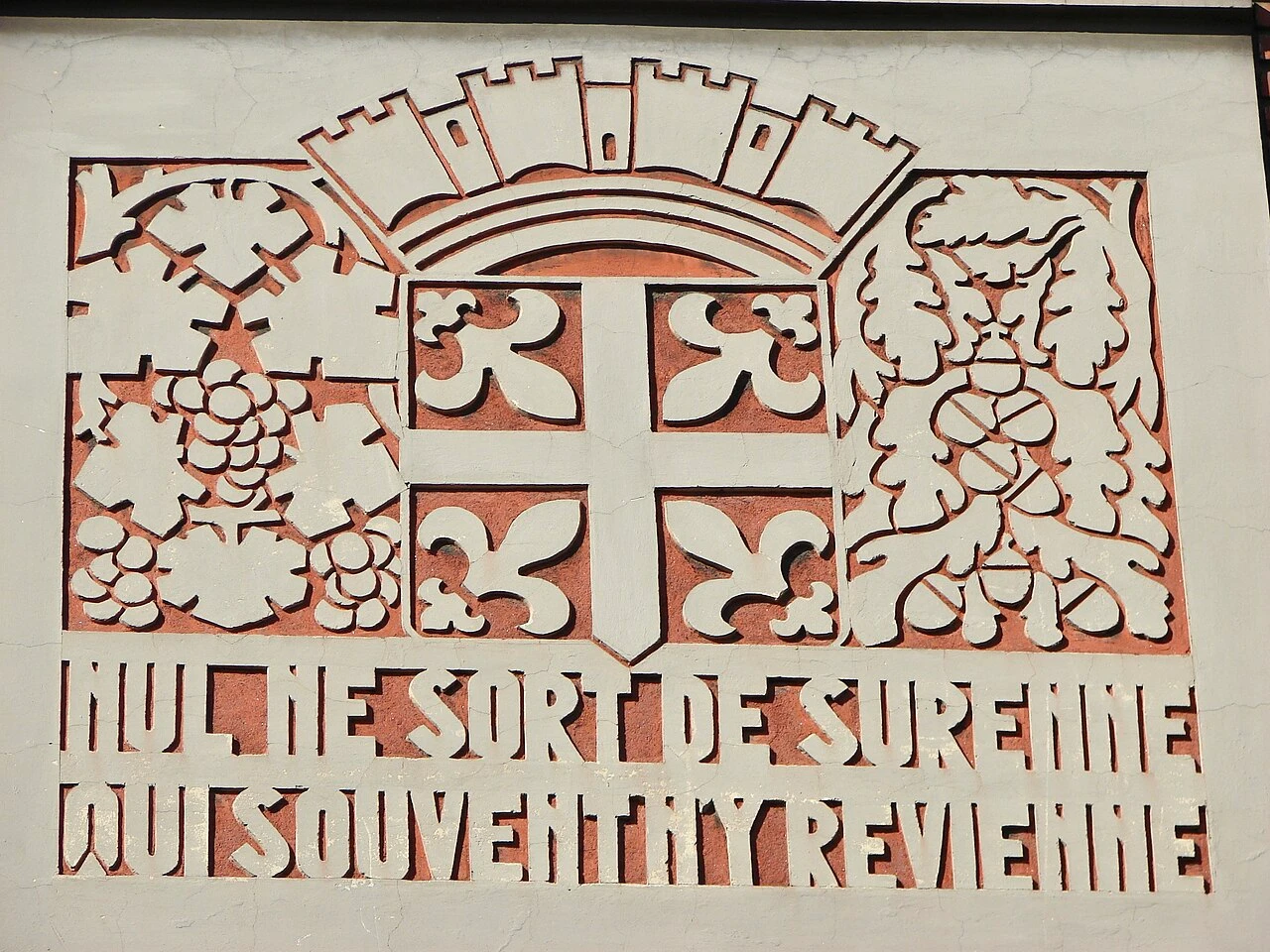
The Houx weir
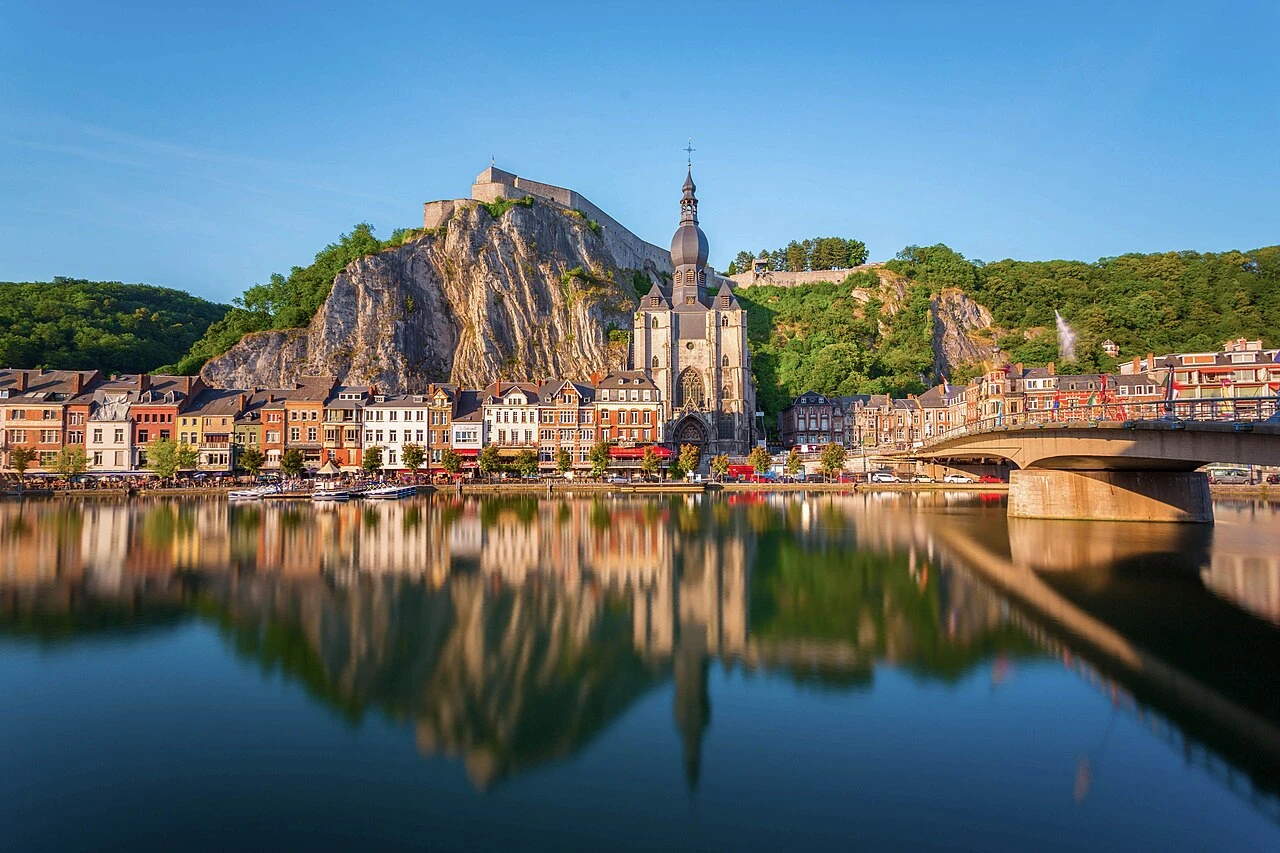
The crossing of the Meuse at Dinant
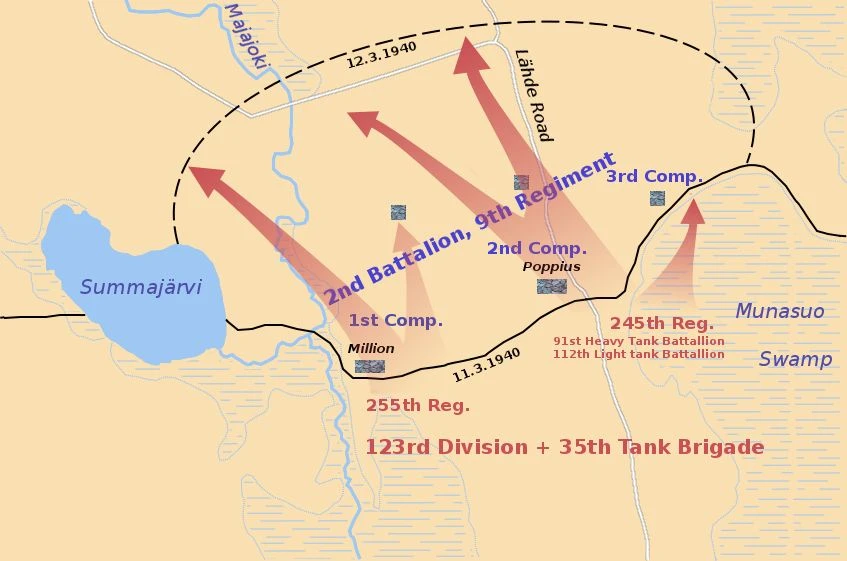
Lähde — Yakovlev against the Mannerheim bolt
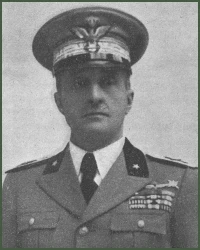
Pintor in the Alps — 21 June
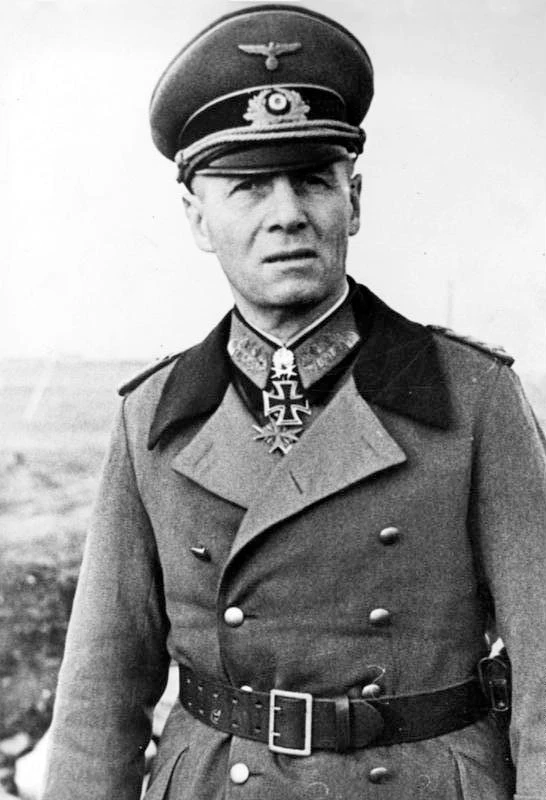
Rommel before the Meuse — Dinant, 13 May
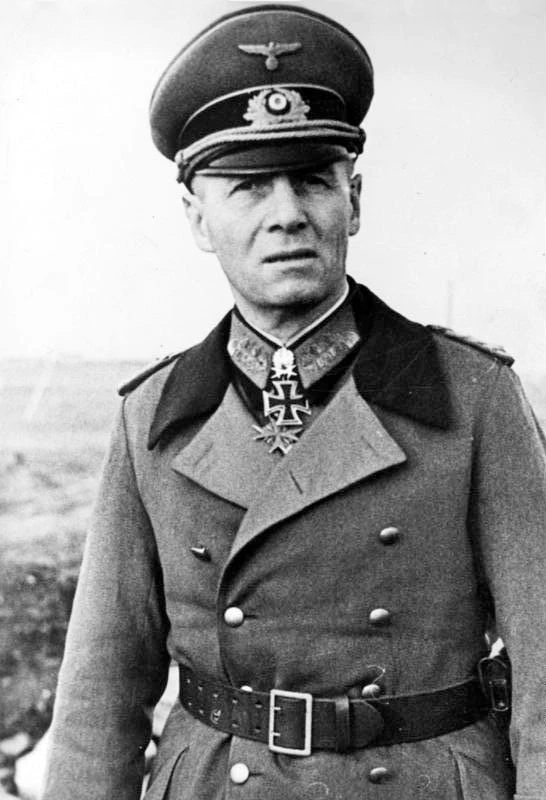
Rommel before the Serre — the Crécy bridge
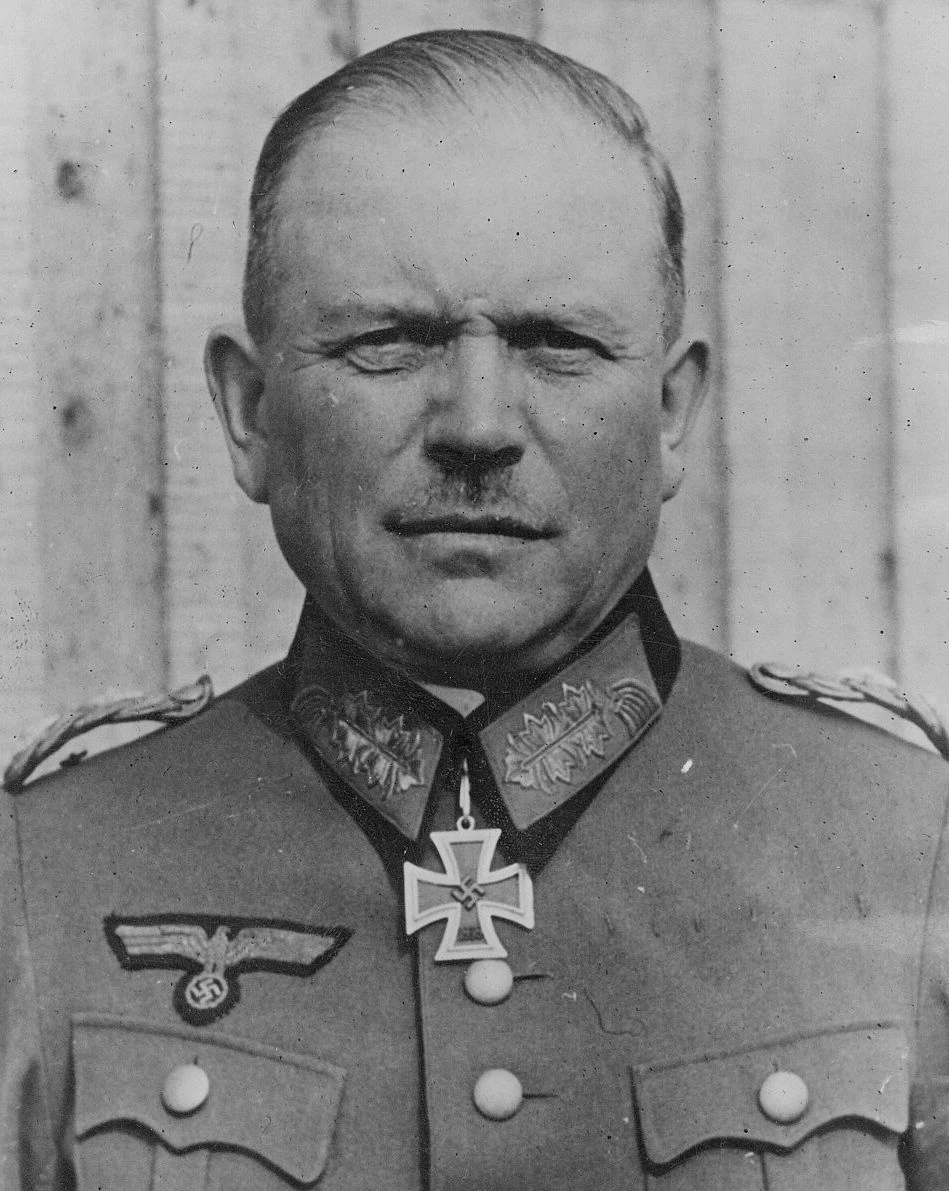
Sedan — Guderian on the Meuse
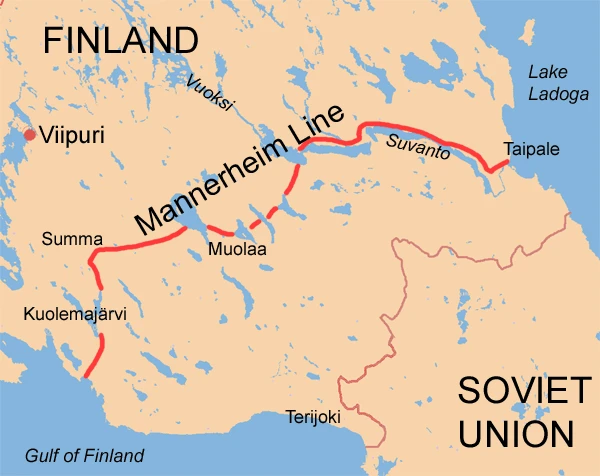
Timoshenko at Summa — 11 February
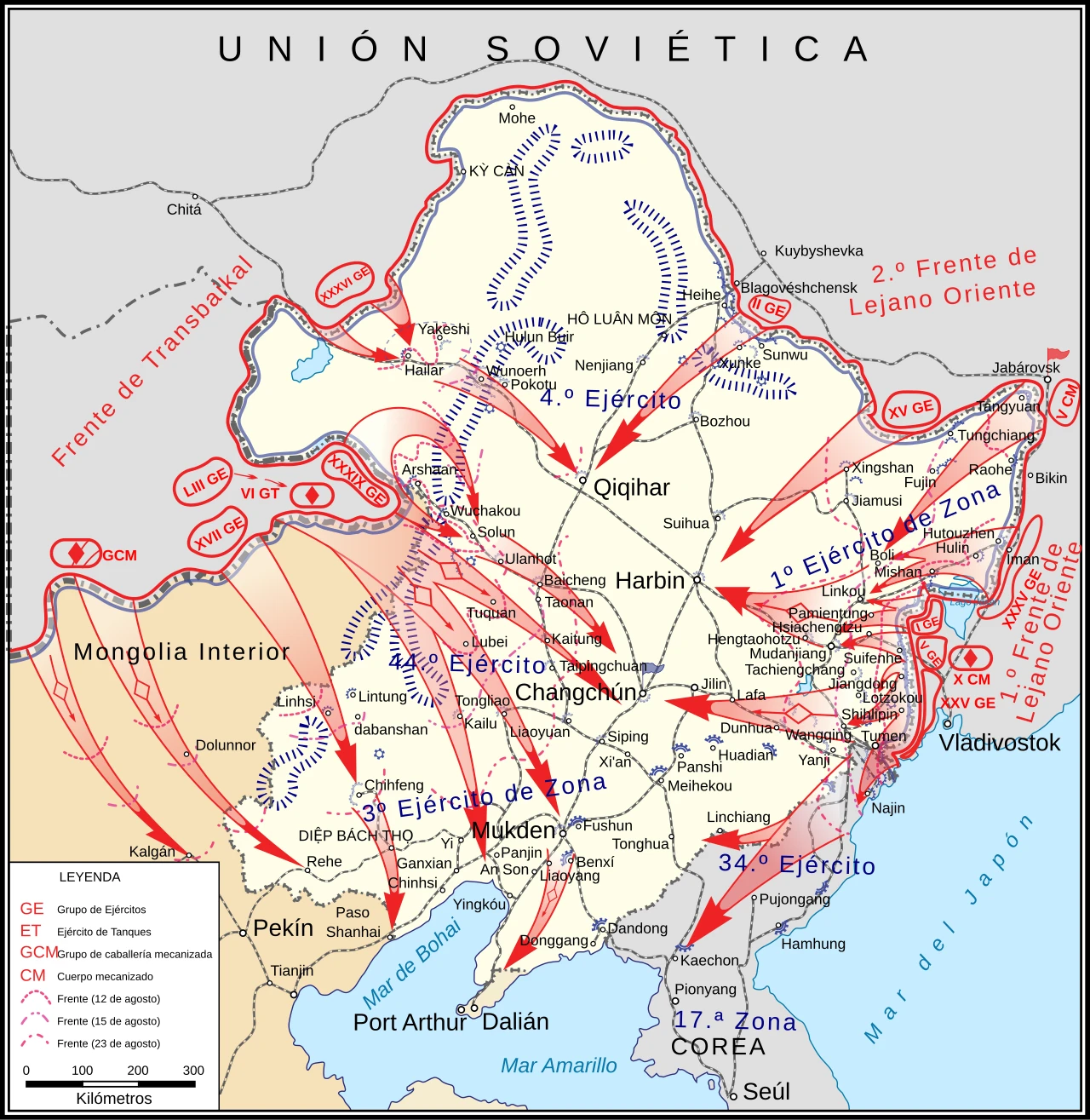
Zhukov Counterattacks
Khalkhin Gol — Baïn-Tsagan
The Houx weir
The crossing of the Meuse at Dinant
Lähde — Yakovlev against the Mannerheim bolt
Pintor in the Alps — 21 June
Rommel before the Meuse — Dinant, 13 May
Rommel before the Serre — the Crécy bridge
Sedan — Guderian on the Meuse
Timoshenko at Summa — 11 February
Zhukov Counterattacks