
Since 1934, the People's Commissar for Foreign Affairs has embodied the line of 'collective security': rapprochement with France and the United Kingdom, entry into the League of Nations, the search for an anti-fascist alliance to contain Nazi Germany. Jewish, Francophile, an avowed advocate of a common front with the democracies, Litvinov is the face of this policy.
Yet, in the spring of 1939, this line appears barren. Munich (September 1938) humiliated Moscow, kept apart from the Czechoslovak settlement. The talks with London and Paris are stalling, and Stalin suspects the Western powers of wanting to divert German aggression toward the East.
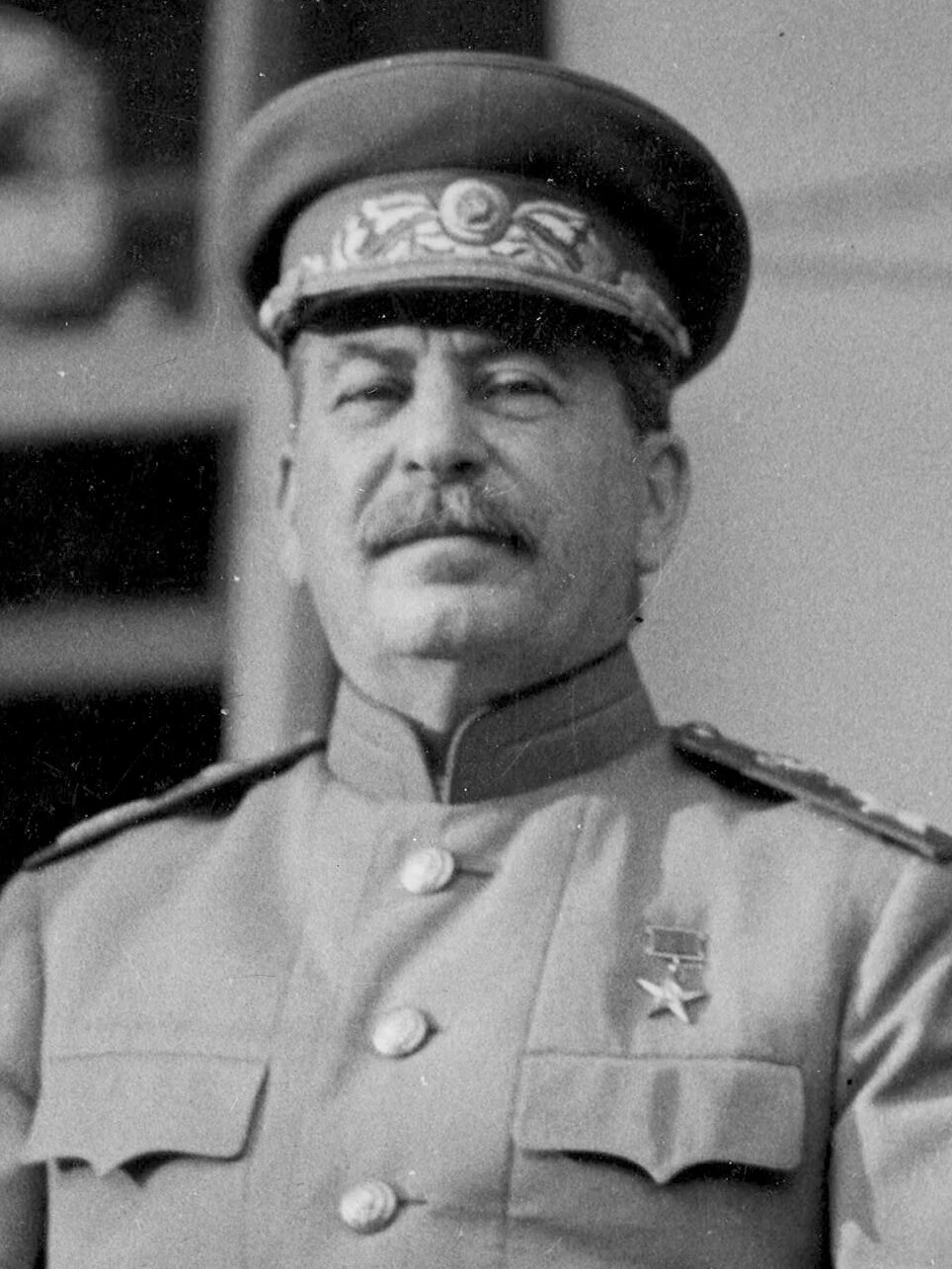
In the night of 3 May 1939, Stalin must arbitrate a question heavy with meaning. To keep Litvinov is to confirm the Western gamble; to dismiss him is to send a signal — notably to Berlin, where the slightest Soviet shift is being watched. , a faithful executor and Chairman of the Council, waits in the wings.
The options commit the strategic orientation of the USSR for the decisive months to come. The choice he settles on in Moscow will be scrutinised from London to Berlin, for it will tell toward which camp the immense USSR might lean.
Should Stalin keep Litvinov and the line of collective security, or change his man and his course?
Stalin chooses B: on 3 May 1939, Litvinov is removed and replaced by Molotov. The gesture is immediately read in Berlin as a signal of openness — the ousting of a Jewish and pro-Western commissar lifts a symbolic obstacle to a rapprochement. Molotov, without diplomatic experience but Stalin's liege man, will conduct two parallel negotiations at once: with the Western powers, and with Germany. Litvinov's dismissal still decides nothing, but it opens the way to the double-faced diplomacy that will dominate the summer of 1939. Litvinov himself is set aside without being harmed and will briefly return to favour as ambassador to Washington after the German attack of 1941.
Learn more about this event
Related polls
10
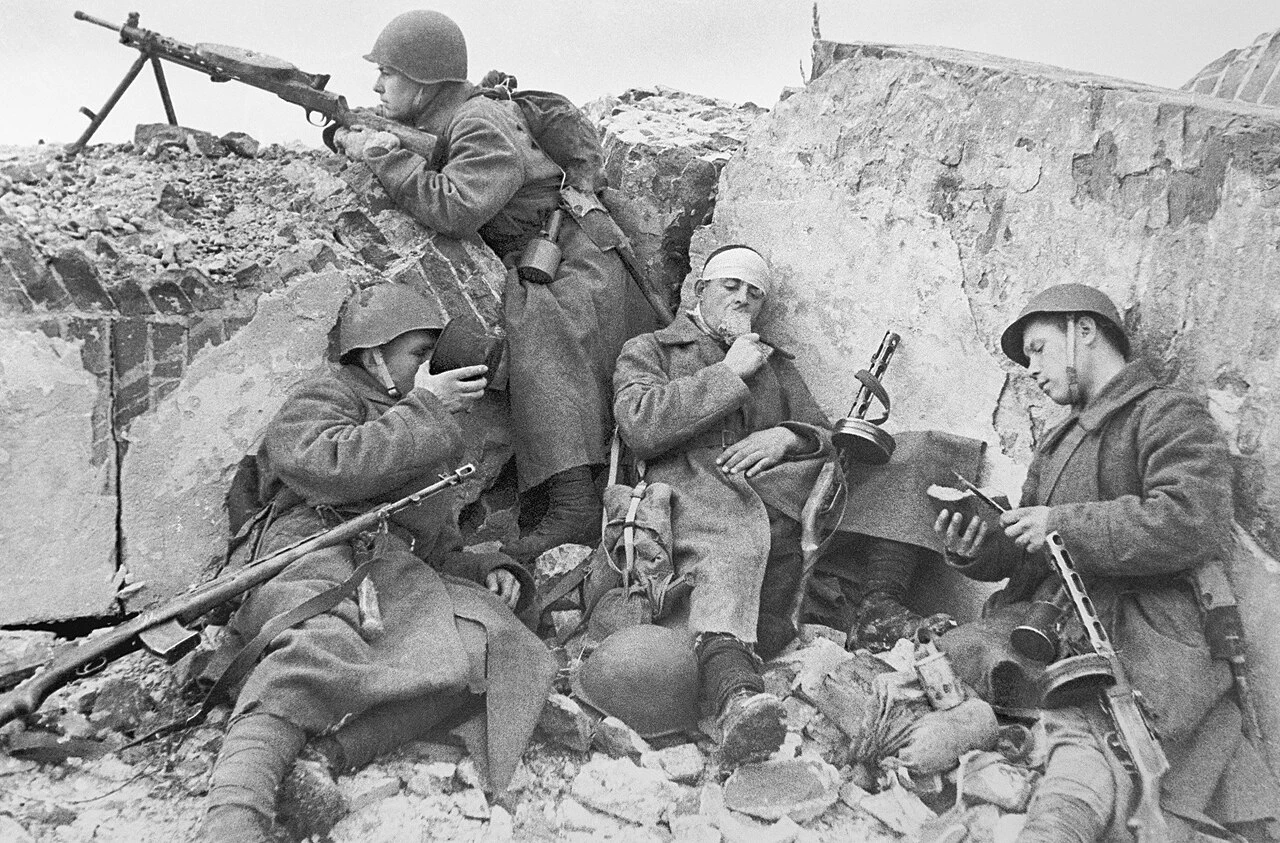
The Moscow Talks
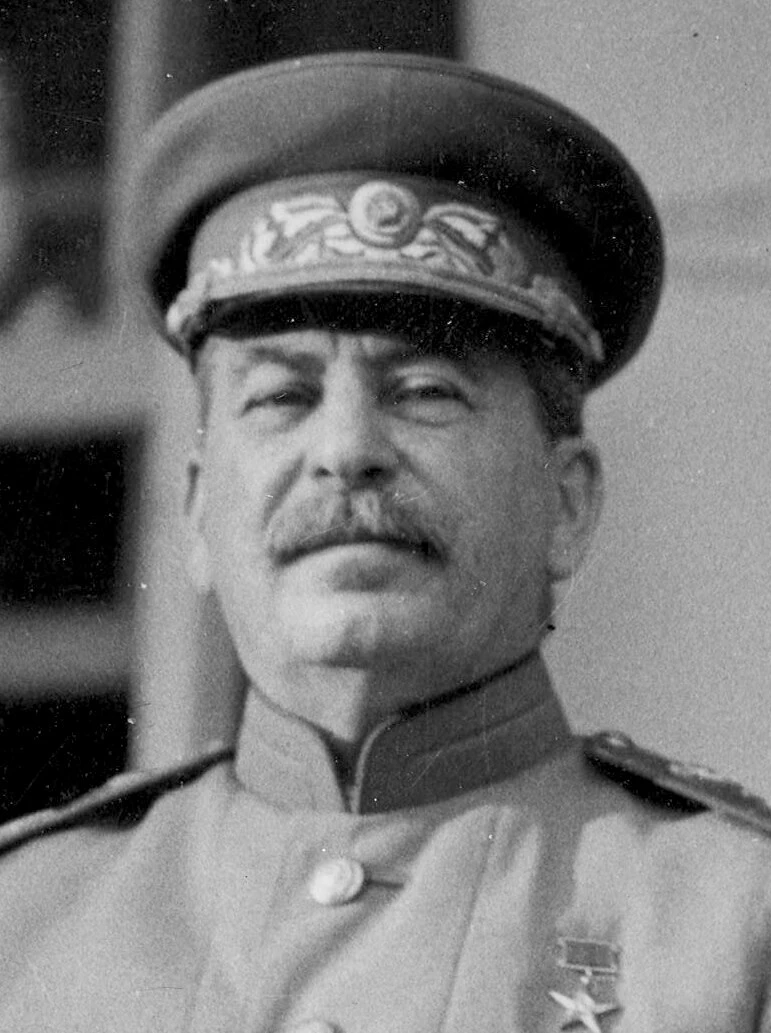
The Nazi-Soviet Pact
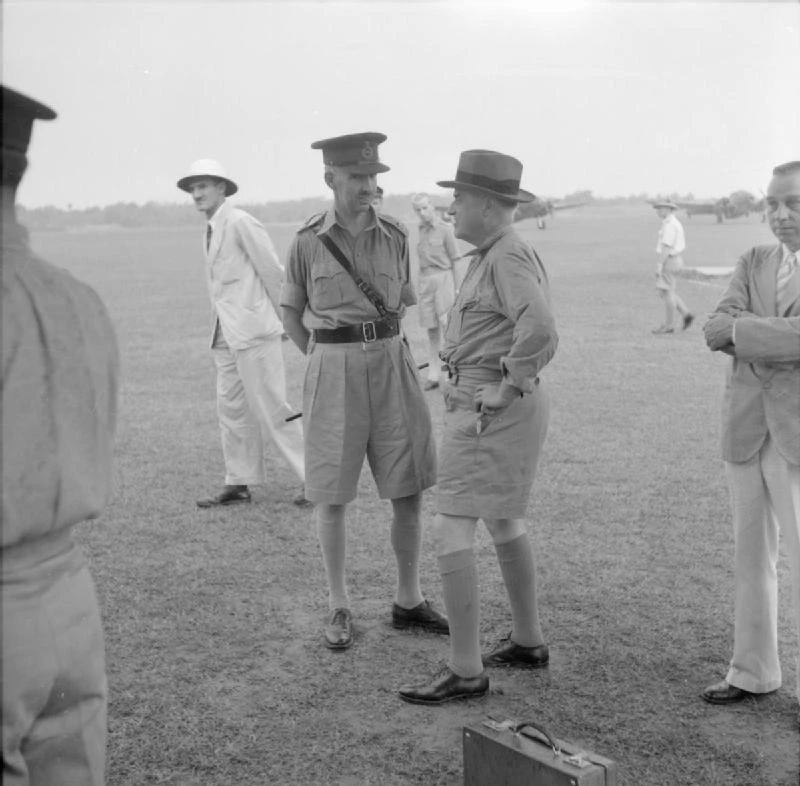
Harriman in Moscow, Face to Face with Stalin
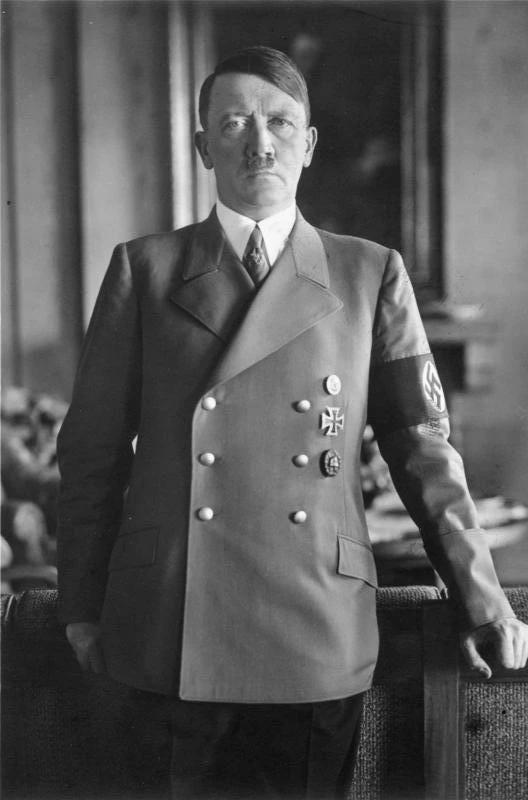
Hitler Before His Generals
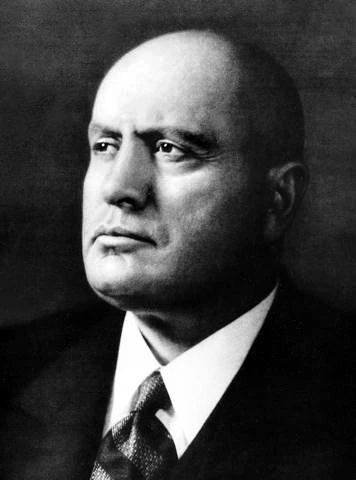
Italy Is Not Ready
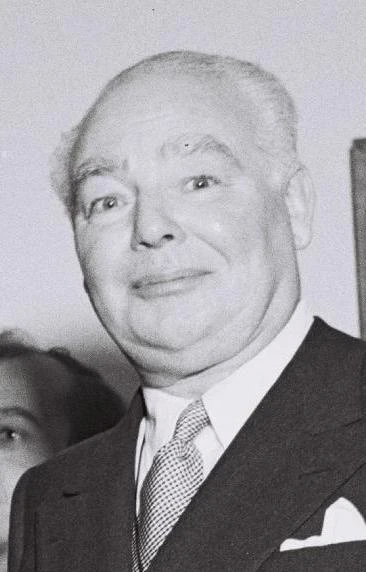
The Military Training Act
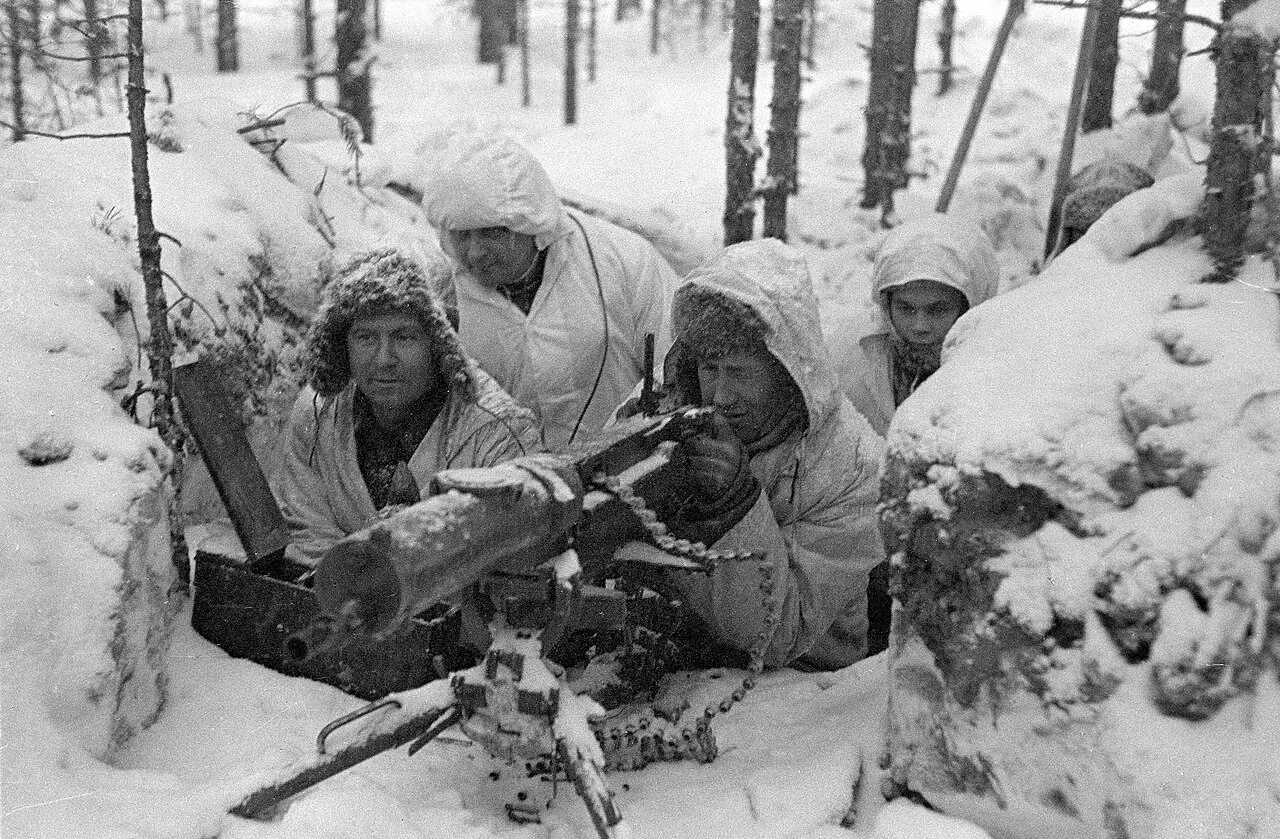
The Drax-Doumenc Mission
Above all, do not provoke Berlin
The Pact of Steel
Stalin at the microphone — 'brothers and sisters'
The Moscow Talks
The Nazi-Soviet Pact
Harriman in Moscow, Face to Face with Stalin
Hitler Before His Generals
Italy Is Not Ready
The Military Training Act
The Drax-Doumenc Mission
Above all, do not provoke Berlin
The Pact of Steel