
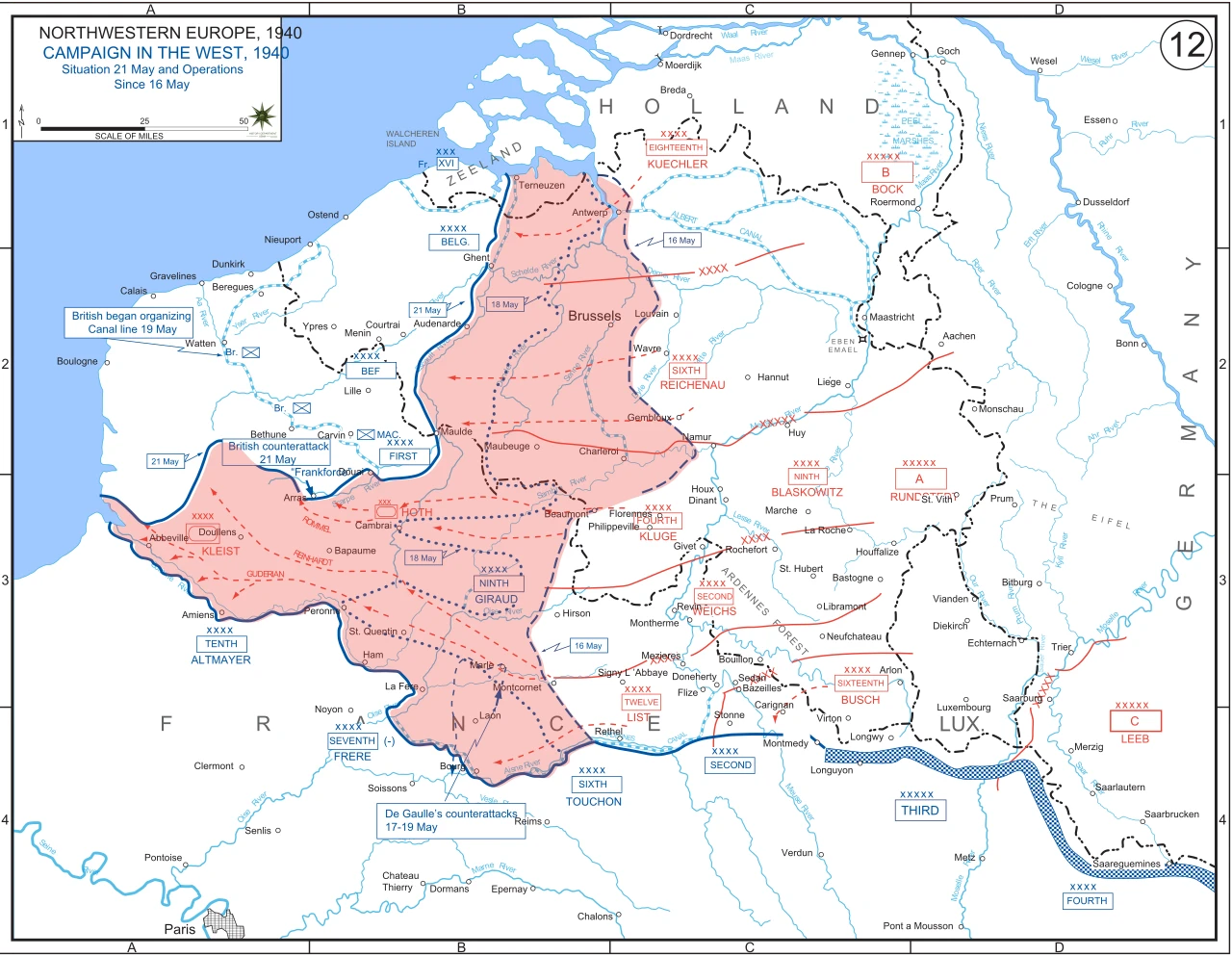
A week after the invasion, the German advance becomes irresistible. After the loss of the Albert Canal and the withdrawal of the Belgian army to the west, Brussels finds itself directly threatened. The capital, rich in heritage and with a considerable population, has no decisive defensive value once the Dyle line is abandoned.
The city authorities must decide its fate. To declare Brussels an "open city" is to renounce any defence in order to spare its inhabitants bombardment and street fighting, but it is also to hand over the capital without resistance and offer the occupier a symbol. To try to defend it, on the contrary, would expose the population and the monuments to destruction, for a dubious military gain since the army is already withdrawing beyond it.
The memory of the martyred cities of 1914 weighs on the decision. Should the city be proclaimed open and a peaceful transition organised, the honour of the capital be defended in spite of everything, or the maximum evacuation be attempted before the arrival of the German troops? The choice involves the safety of hundreds of thousands of inhabitants.
Should Brussels be declared an open city to spare the population, or should it be defended?
The authorities choose A: Brussels is declared an open city and, on 17 May 1940, the German troops enter it without a fight. The choice spares the capital destruction, but immediately places the heart of the country under German administration, soon formalised by the Militärverwaltung of General von Falkenhausen. The decision foreshadows a logic that would dominate the occupation: preserving the population and infrastructure as far as possible, even at the price of accommodating the occupier. For the people of Brussels, the entry of the Germans on 17 May marks the beginning of four years of occupation.
Learn more about this event
Related polls
10
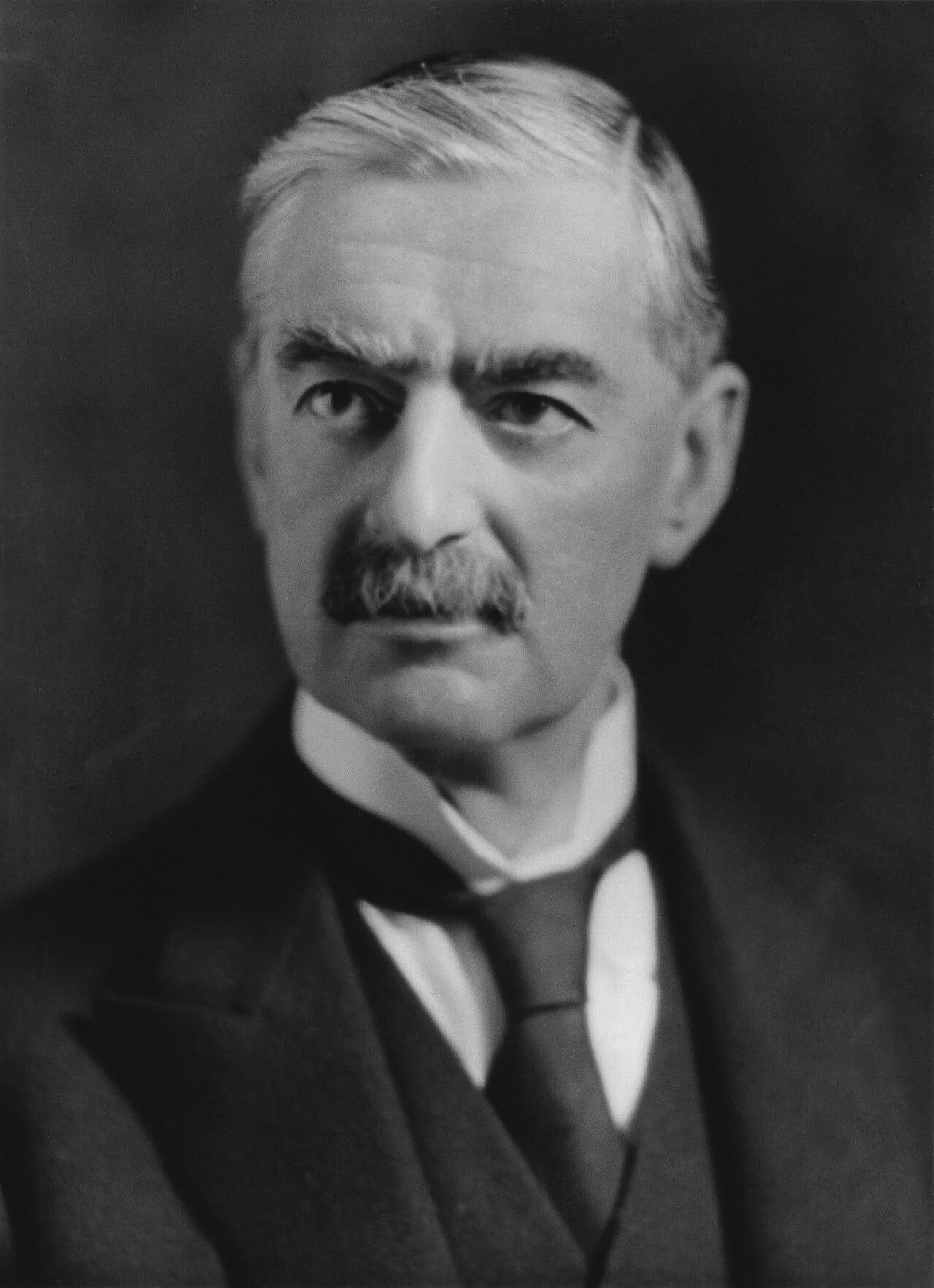
War council — leave central Norway?
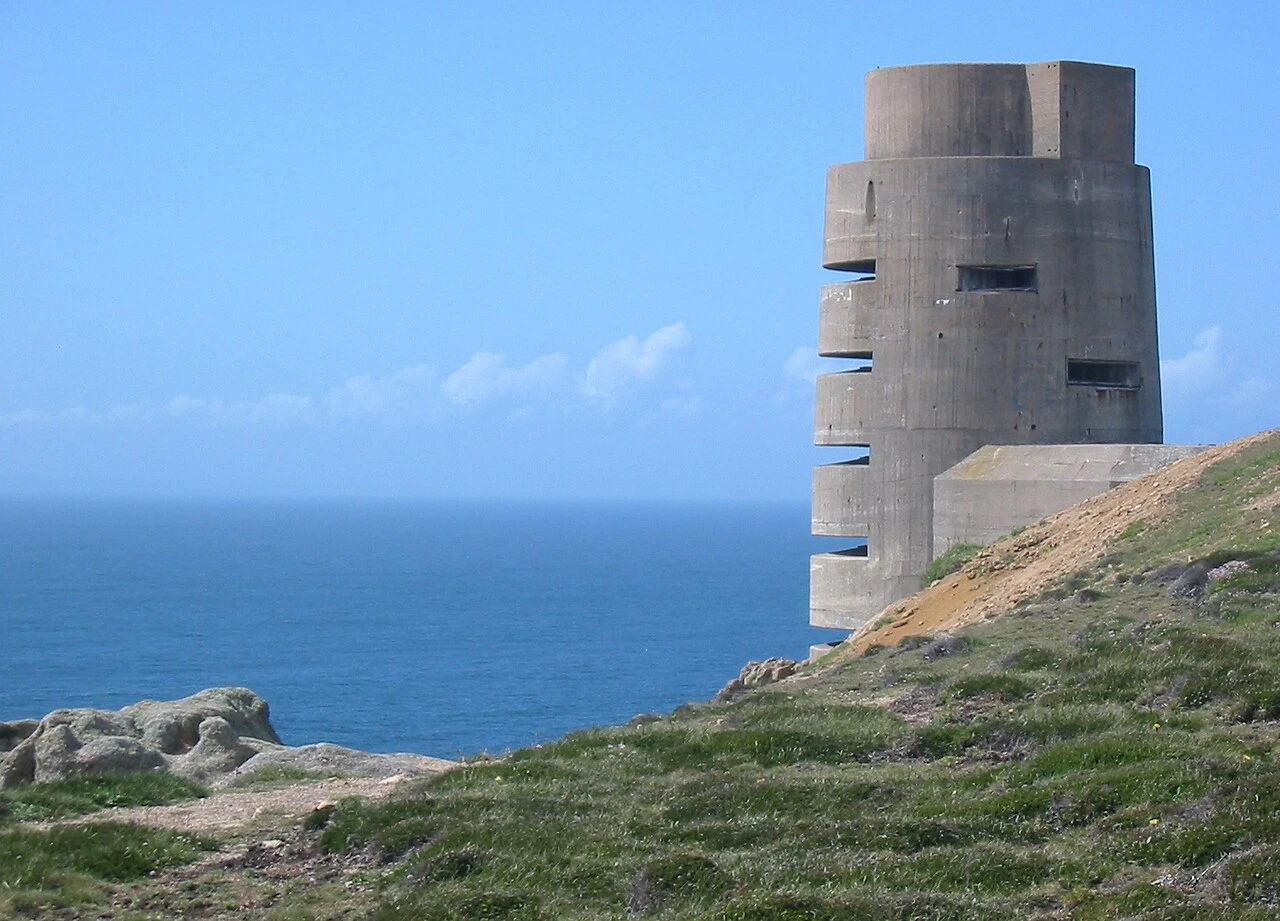
The fate of the Channel Islands
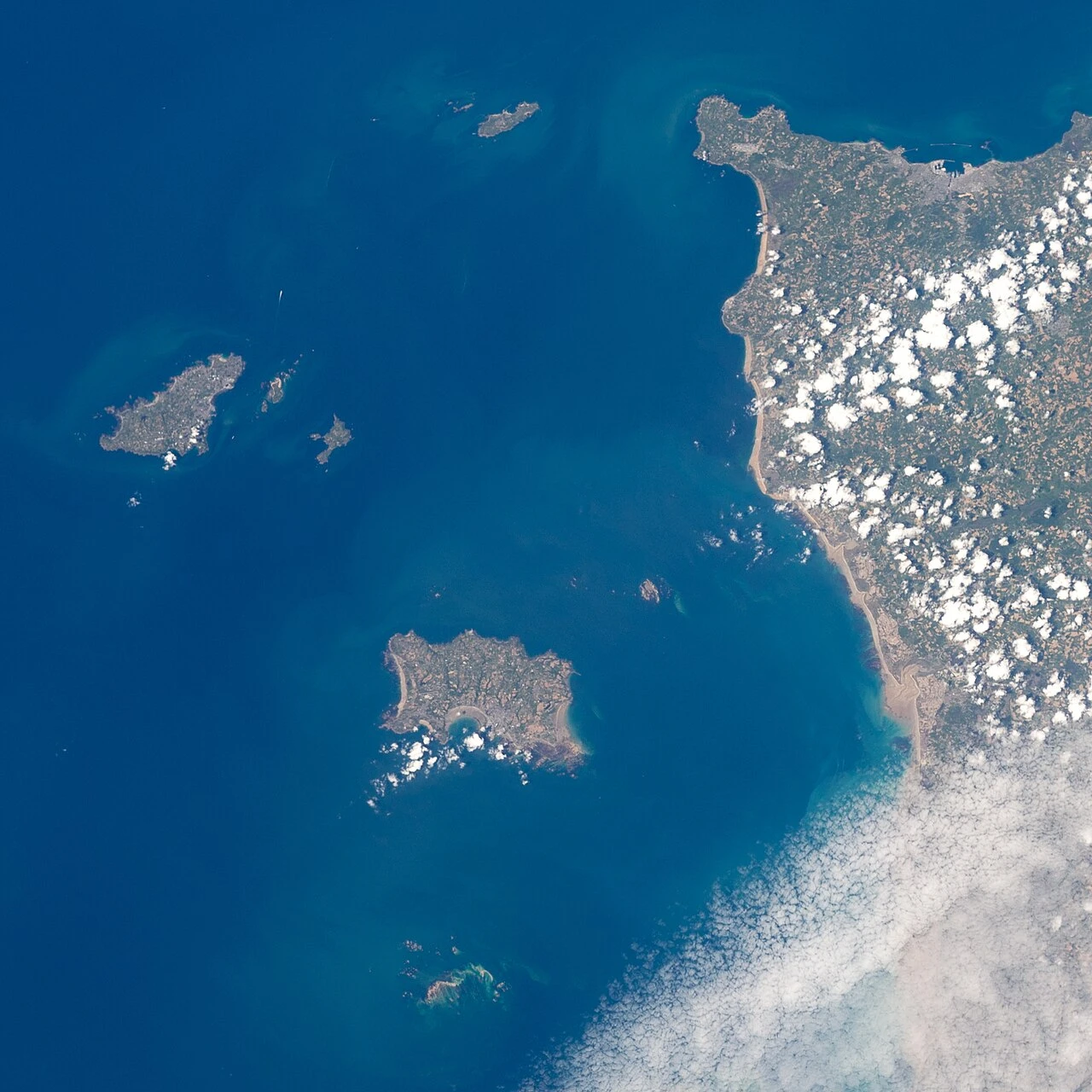
The Channel Islands — open city?
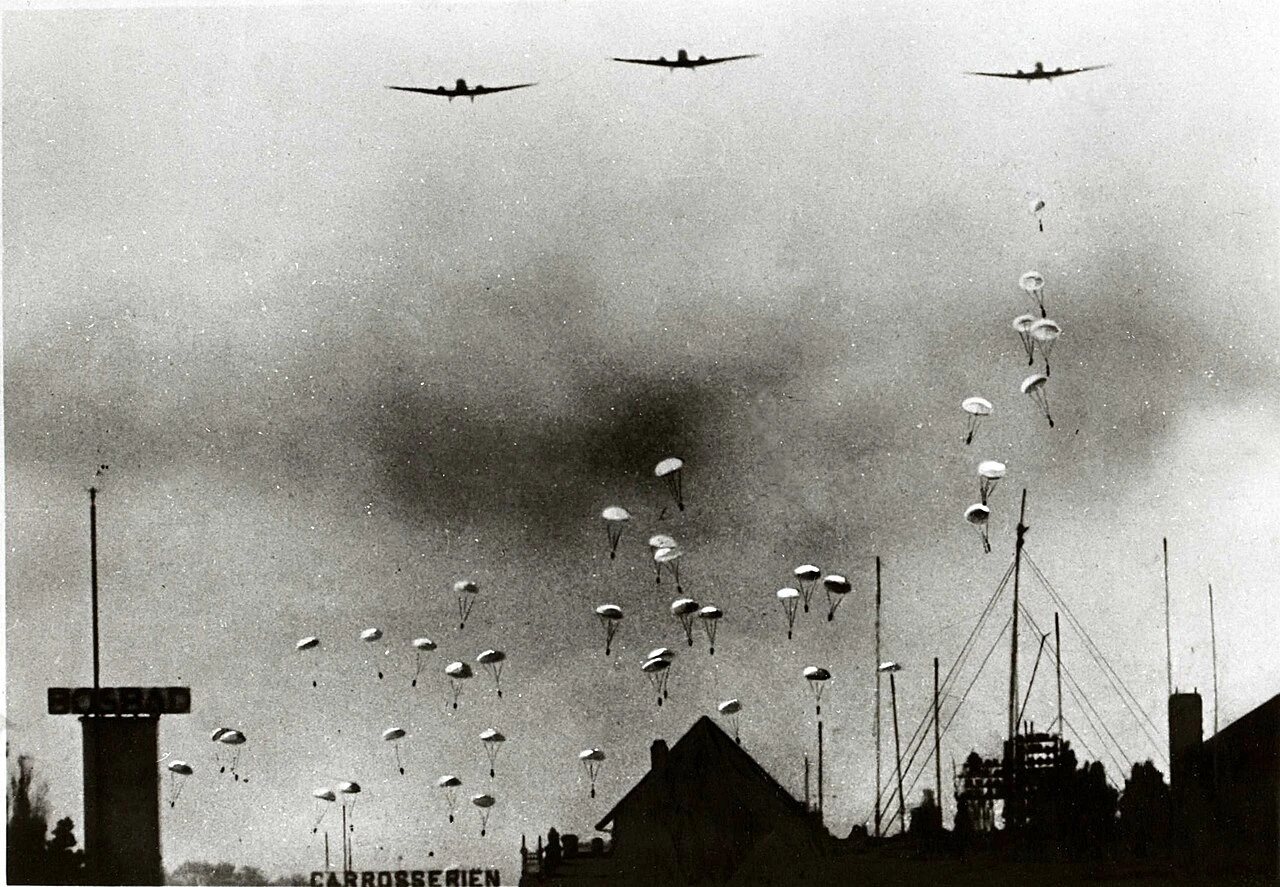
Winkelman and the fate of the Netherlands
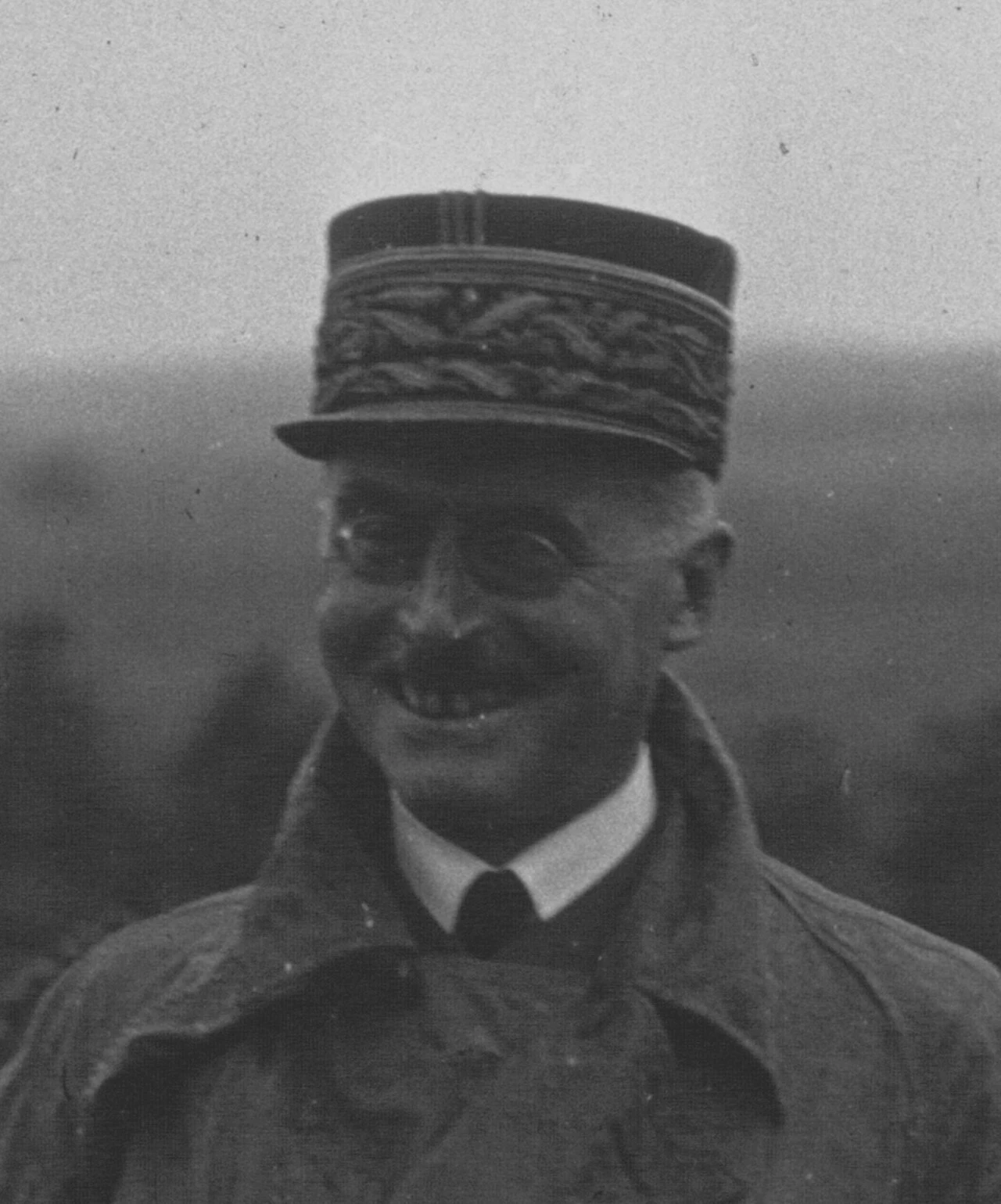
Héring — Paris open city, 13 June
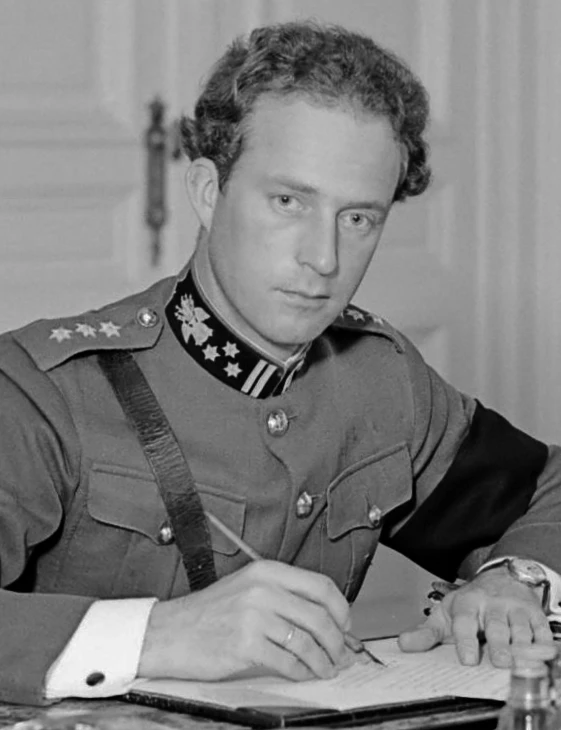
Leopold III takes command
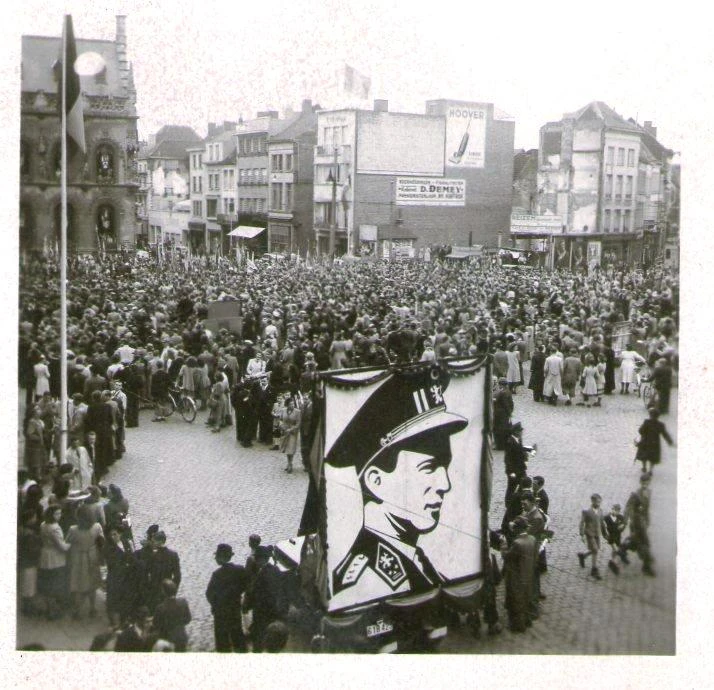
The Royal Question Begins
The abatis of the Chasseurs Ardennais

The Belgian air force on the ground
The Battle of the Lys
War council — leave central Norway?
The fate of the Channel Islands
The Channel Islands — open city?
Winkelman and the fate of the Netherlands
Héring — Paris open city, 13 June
Leopold III takes command
The Royal Question Begins
The abatis of the Chasseurs Ardennais
The Belgian air force on the ground