
De Gaulle joins the government — 5 June
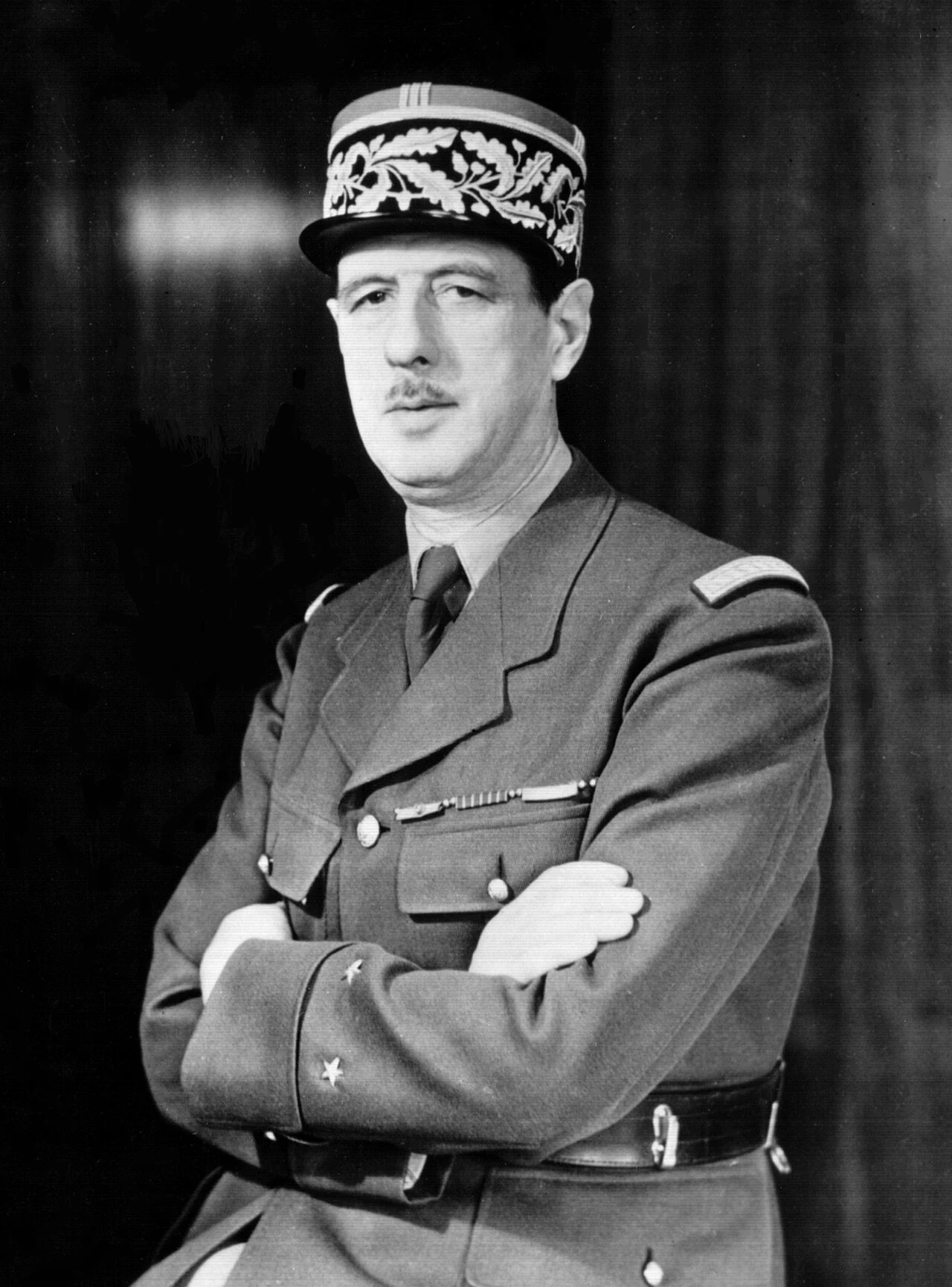
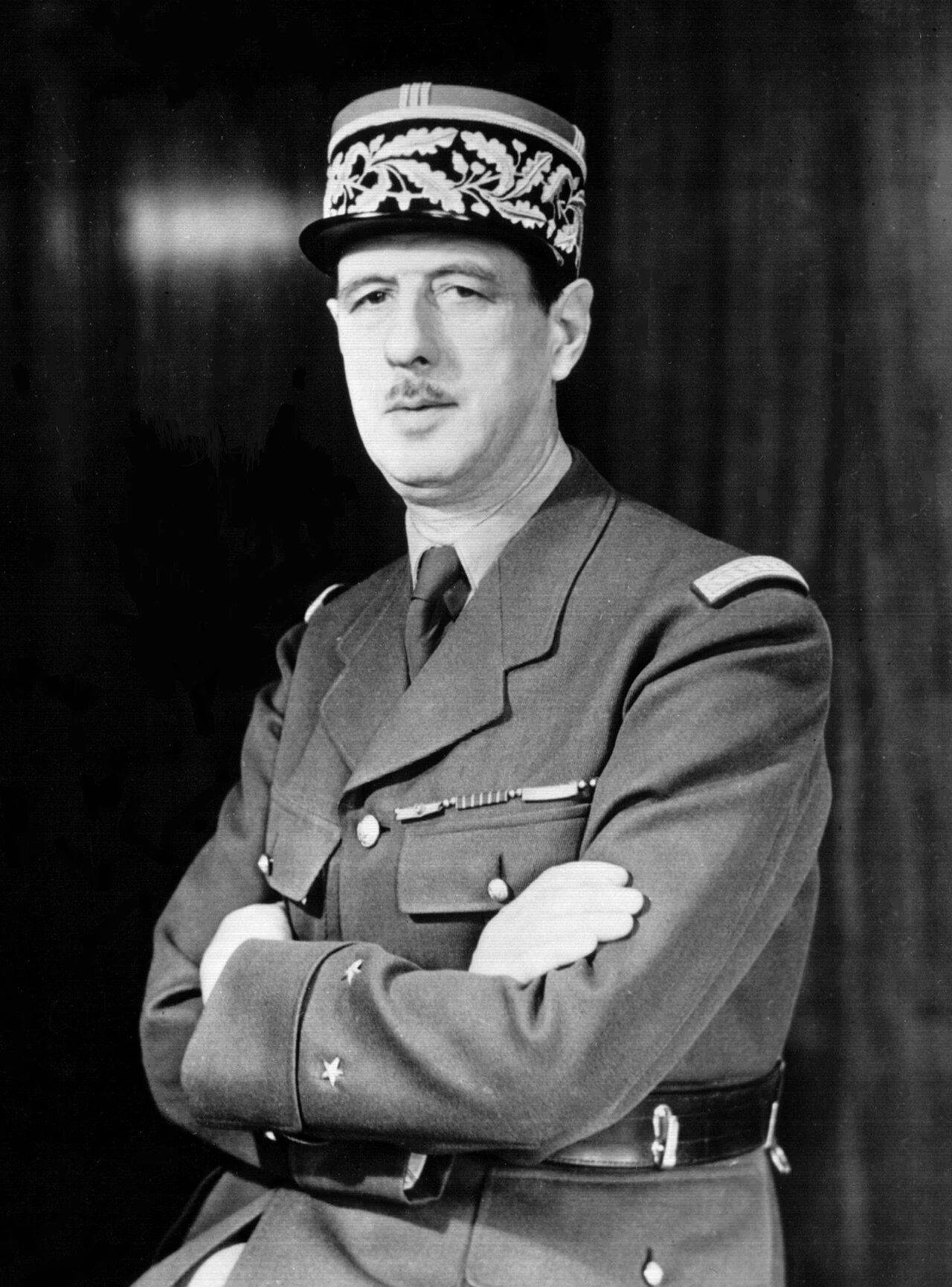
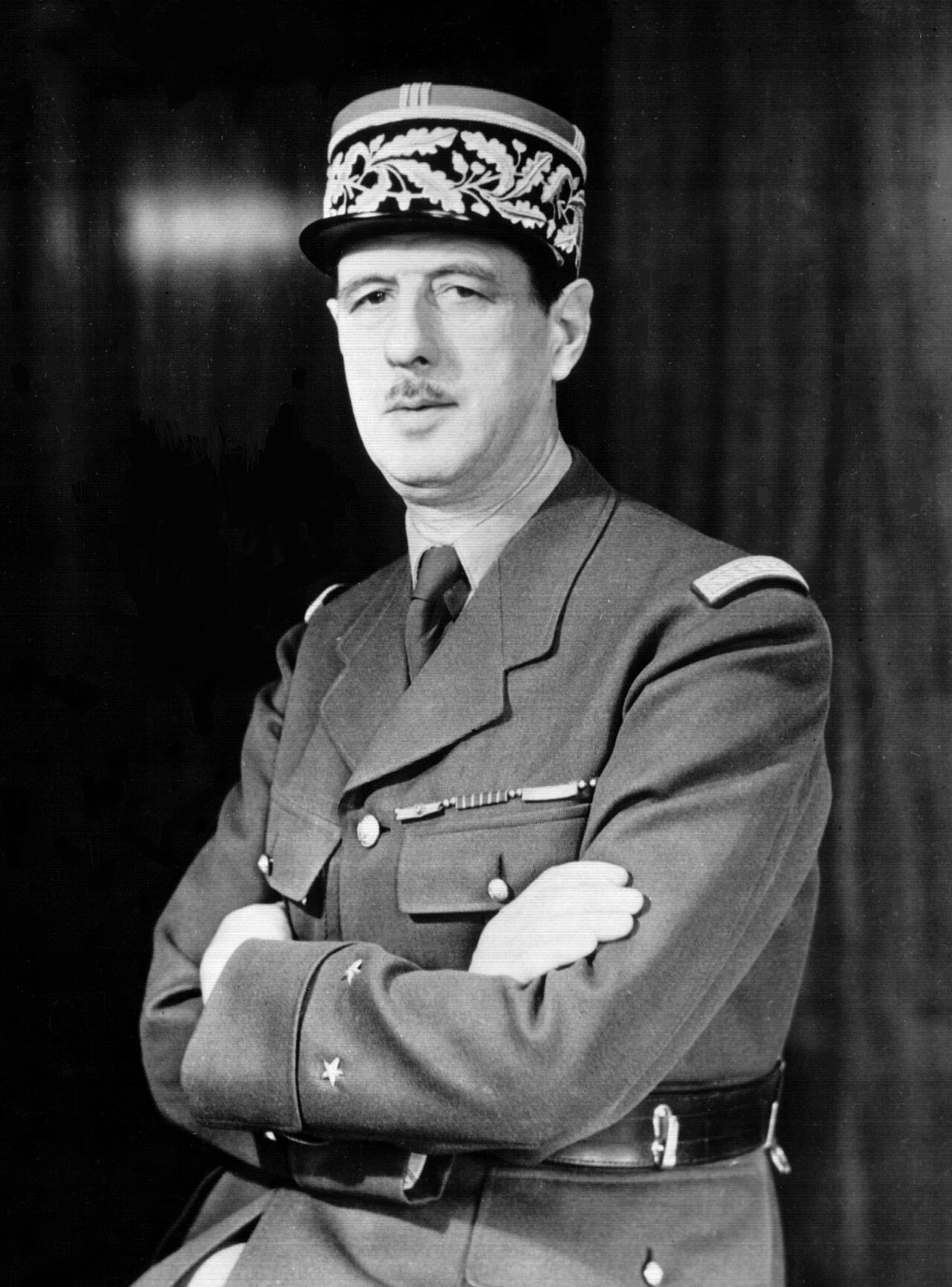
His counter-attacks at Montcornet (17 May) and then Abbeville (28-30 May), led with the , have given , 49, a military stature that outstrips his modest . Promoted brigadier general on a temporary basis on 25 May, he is one of the few French commanders to have bitten into the enemy during the debacle.
On 5 June 1940, , Prime Minister, appoints him Under-Secretary of State for War and National Defence. De Gaulle thus becomes the youngest member of the government and its most fiercely hostile to armistice, at a moment when Pétain, Deputy Prime Minister since 18 May, and Generalissimo Weygand are already leaning toward halting the fight.
His immediate task is to think through how to continue the war as the Aisne-Somme front gives way. Three options compete: the "Breton redoubt" dear to Reynaud, the transfer of forces to North Africa, or preparation for a political fallback to London. De Gaulle does not yet know which of these scenarios history will retain.
On which continuation strategy should de Gaulle focus his efforts?
De Gaulle argues for B while preparing C as insurance. He pushes for transfer to North Africa and opens the first direct contacts with London, where he travels as early as 9 June. The Breton redoubt project, militarily untenable, is abandoned. On 16 June he brings back from London the plan for a Franco-British union; on the morning of the 17th, sensing Reynaud about to fall and Pétain ready for armistice, he flies for England. His time in government will have lasted only twelve days, but it gives him the legitimacy of a minister — an argument he will press from the Appeal of 18 June onward.
Learn more about this event
Related polls
10
The Franco-British union — 16 June
De Gaulle calls on Churchill — 9 June
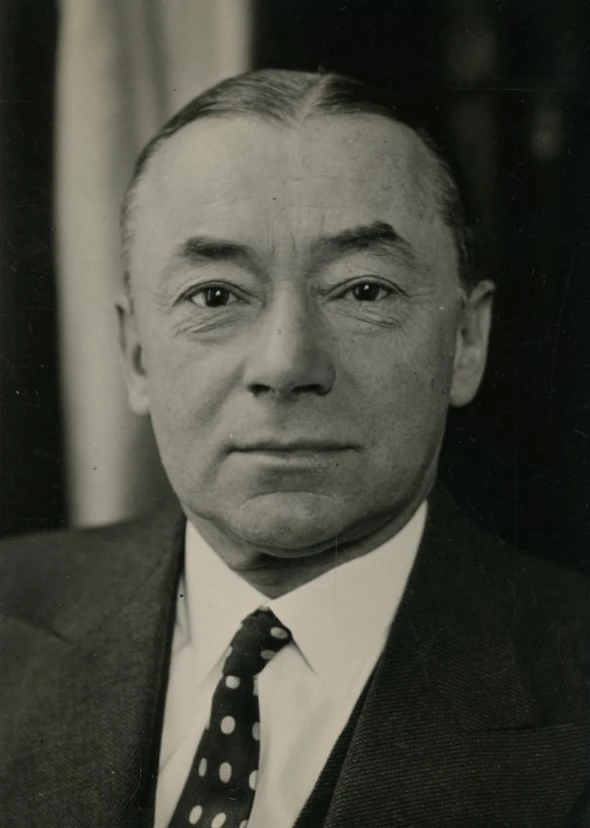
Reynaud — Matignon 21 March
Mérignac — de Gaulle and Spears's aircraft
Commanding a battle without radio
Dunkirk: should the French be saved alongside the British?
The Empire — Vichy or de Gaulle
Gamelin, one last order before the envelope
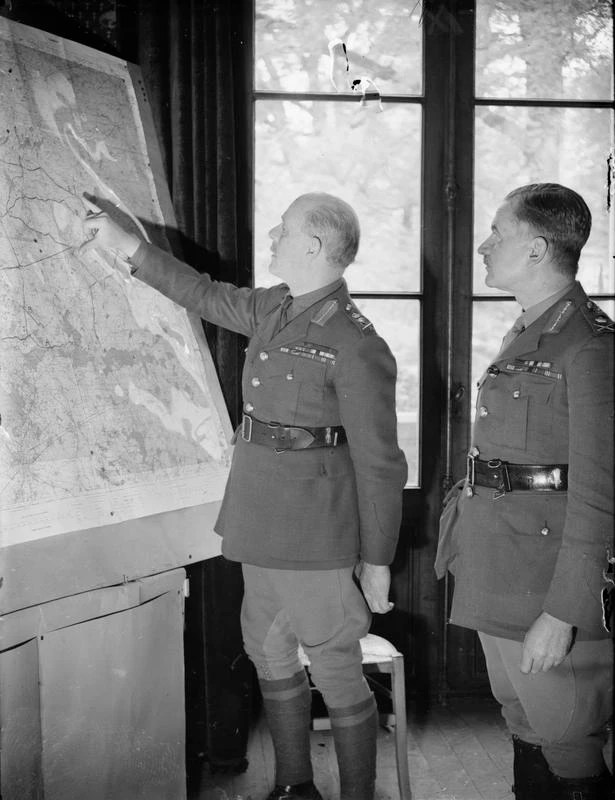
Gort at Habarcq — trust in the French plan
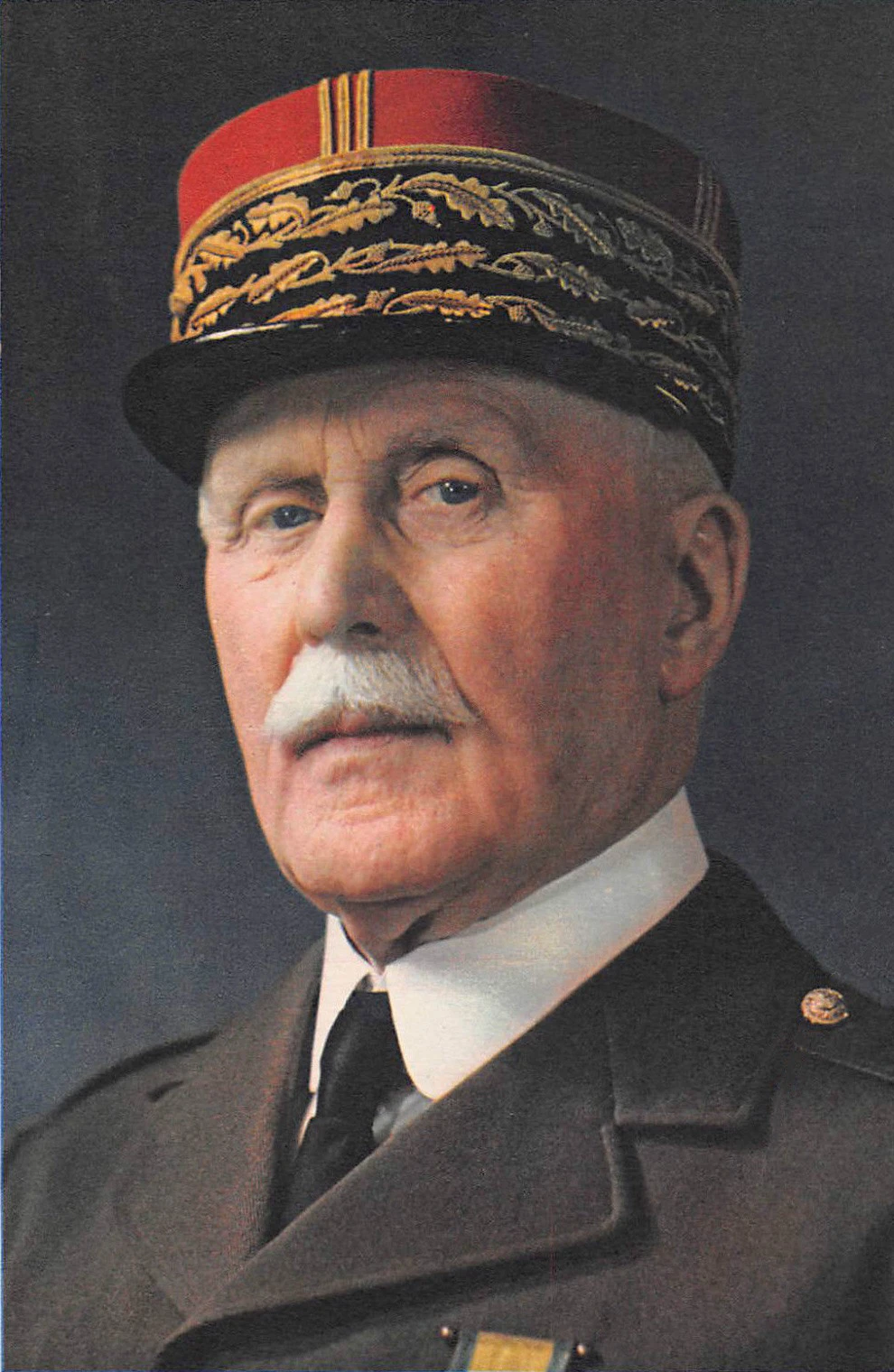
The hero of Verdun recalled from Madrid
The Franco-British union — 16 June
De Gaulle calls on Churchill — 9 June
Reynaud — Matignon 21 March
Mérignac — de Gaulle and Spears's aircraft
Commanding a battle without radio
Dunkirk: should the French be saved alongside the British?
The Empire — Vichy or de Gaulle
Gamelin, one last order before the envelope
Gort at Habarcq — trust in the French plan