
The Armistice of Saint-Jean-d'Acre
After five weeks of fierce fighting, the Syrian campaign turns to the advantage of the Allies and the Free French: Damascus has fallen, Beirut is threatened, and General Dentz's Vichy forces, with no reinforcements possible, are spent. To continue has no military sense, but surrender raises thorny political questions, notably about the fate of the soldiers — will they rally to Free France or return to mainland France? — and about the place of the Free French in the negotiation.
The British, anxious to safeguard the future of their position in the Middle East, negotiate directly with Dentz, much to the displeasure of de Gaulle, who demands that Free France be fully associated and recover men and matériel.
Dentz must decide the terms of the end of the fighting: capitulate by dealing essentially with the British, obtaining the repatriation of his troops to France; negotiate an organized rallying to Free France; or prolong a resistance now without hope. The choice engages the fate of tens of thousands of French soldiers and the already strained relations between London and de Gaulle.
On what terms should Dentz bring the fighting in the Levant to an end?
Dentz chooses A. The Armistice of Saint-Jean-d'Acre, signed on 14 July 1941, is negotiated for the most part between Vichy and the British, marginalizing Free France — which provokes a violent crisis between de Gaulle and London, partly resolved by later agreements. The great majority of Dentz's soldiers (around 37,000 out of 38,000) choose repatriation to France rather than rallying, a cruel disillusionment for de Gaulle, who had hoped to swell his ranks. Syria and Lebanon pass under Allied and Free French control. The episode, besides sealing a strategic victory in the Levant, illustrates the persistent mistrust between Churchill and de Gaulle over the status of fighting France.
Learn more about this event
Related polls
10
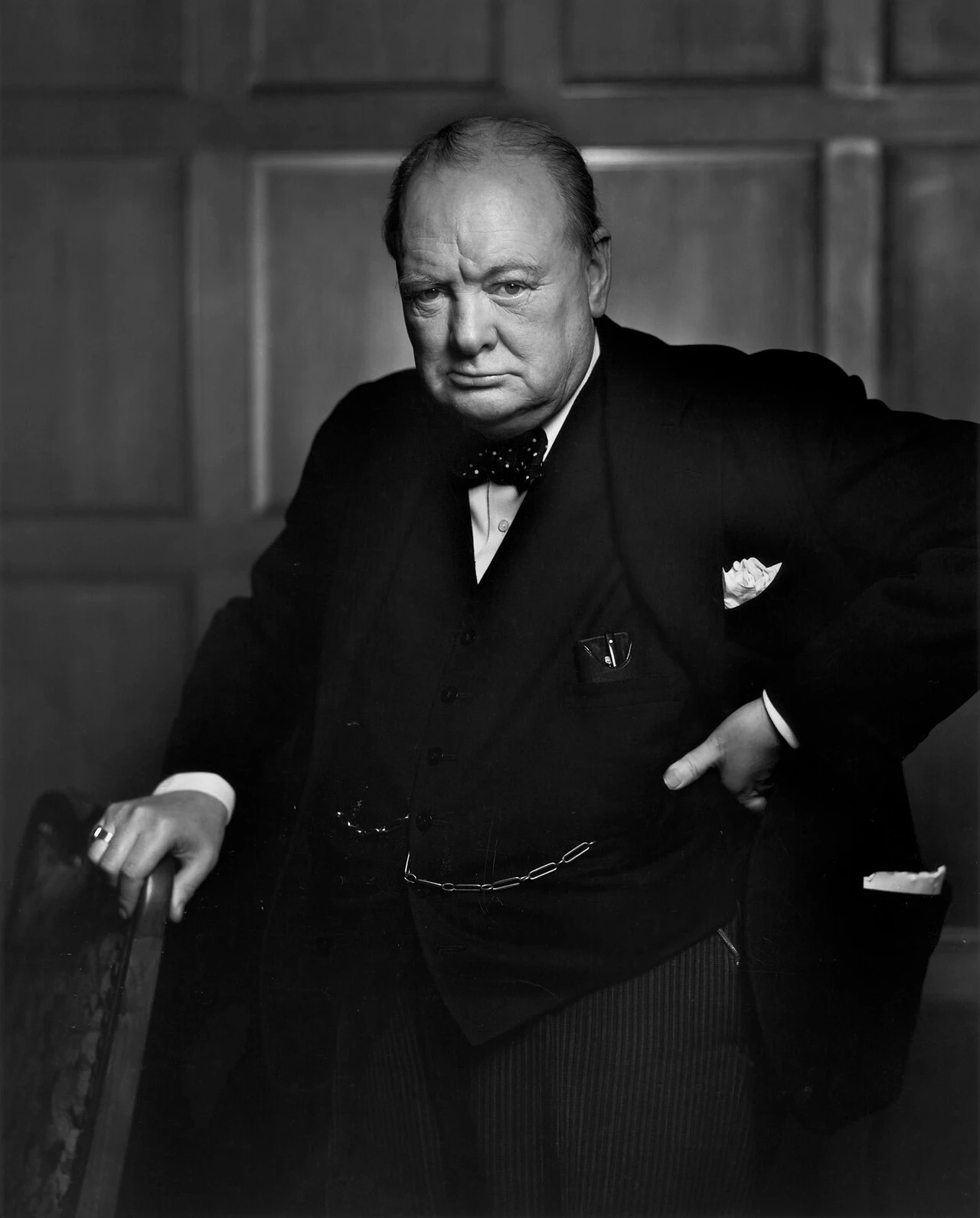
Auchinleck replaces Wavell
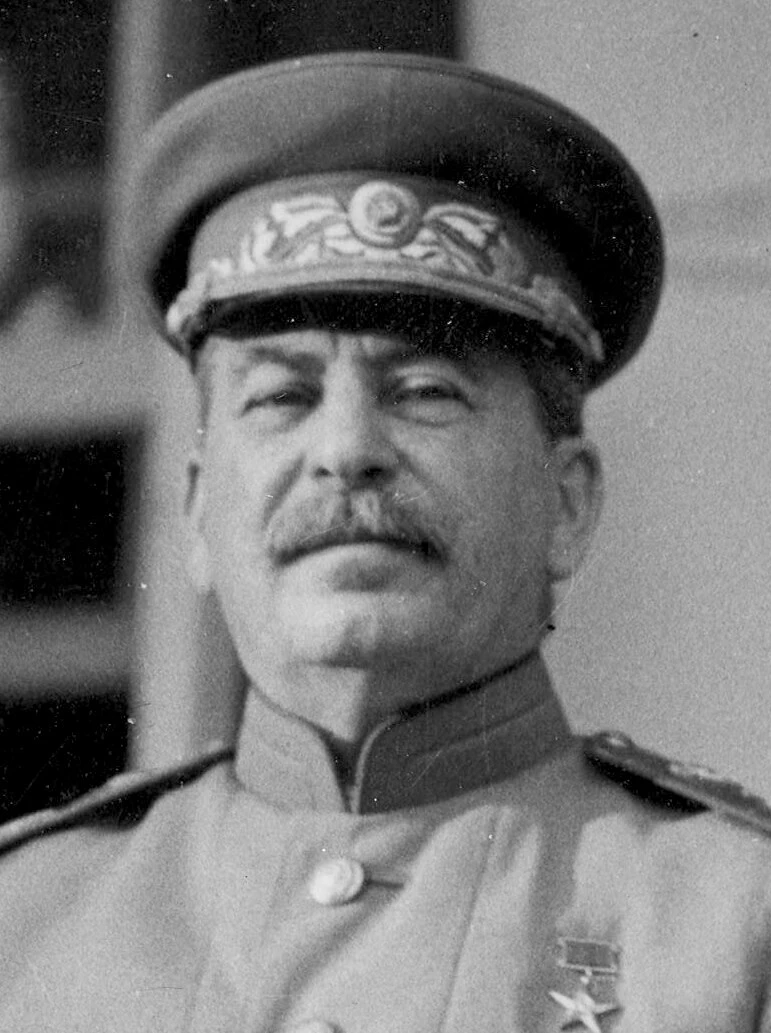
Stalin at the microphone — 'brothers and sisters'
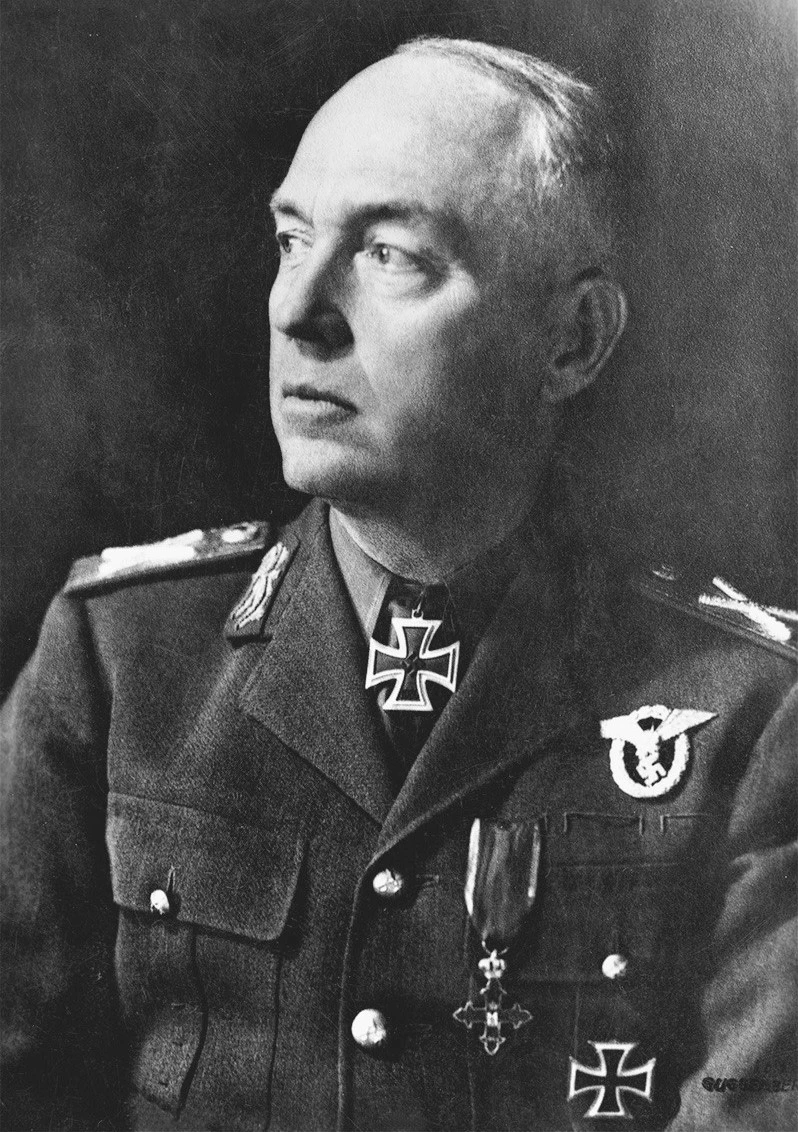
Bucharest — the Legionary rebellion
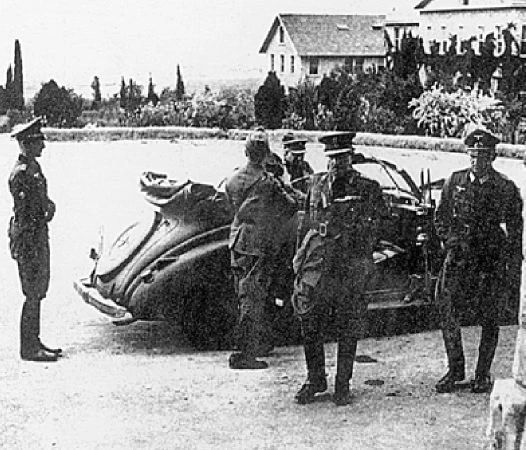
Tsolakoglou and the surrender of the Greek army
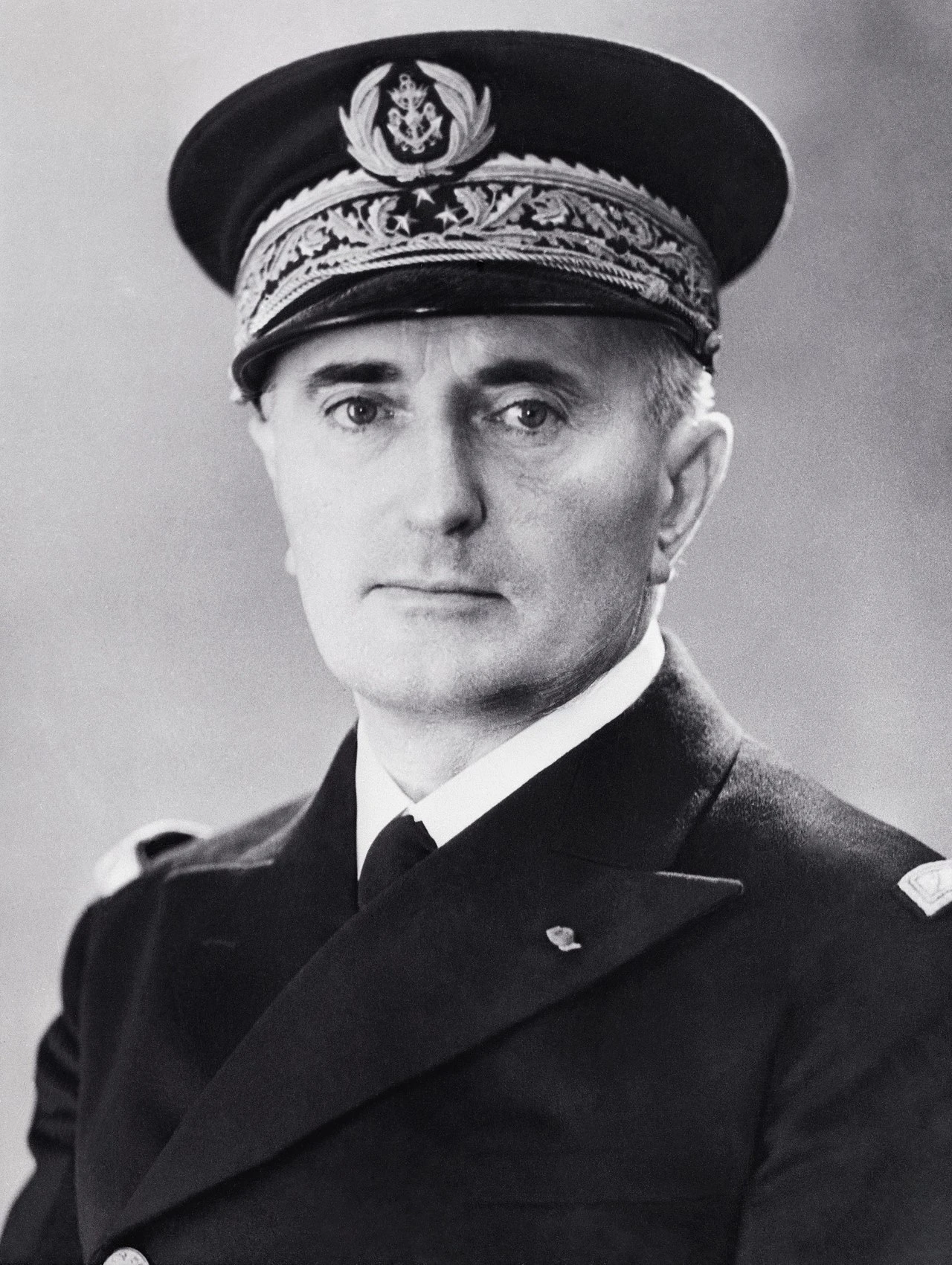
Darlan and the bases offered to the Axis
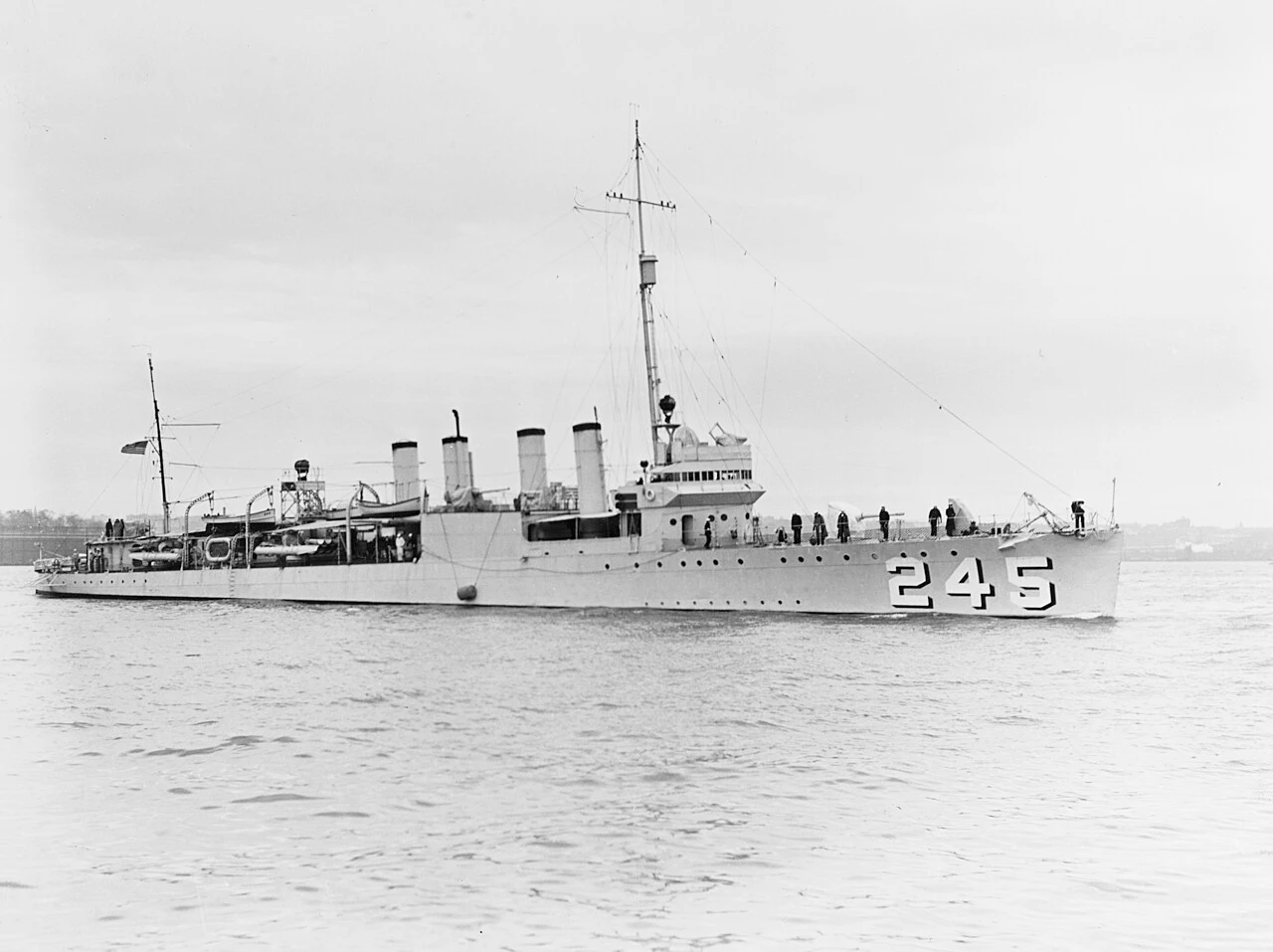
The Reuben James Sinks: The Undeclared War
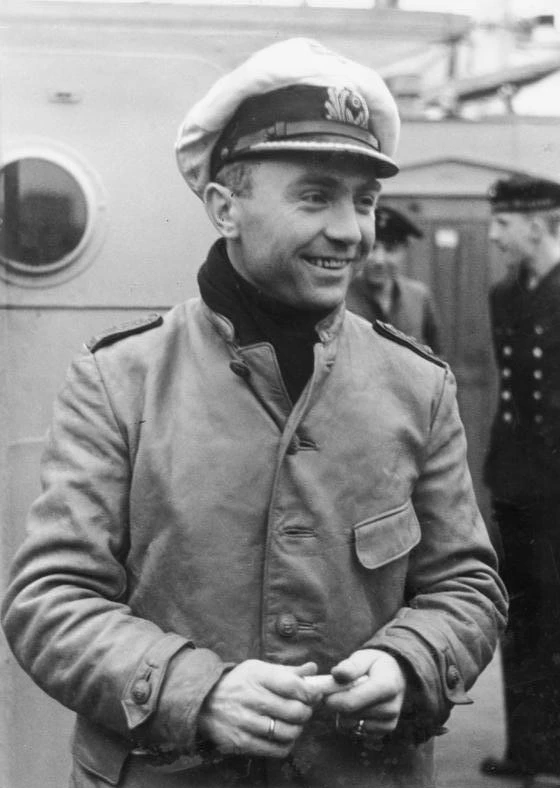
'Where is Prien?' — the fate of a hero
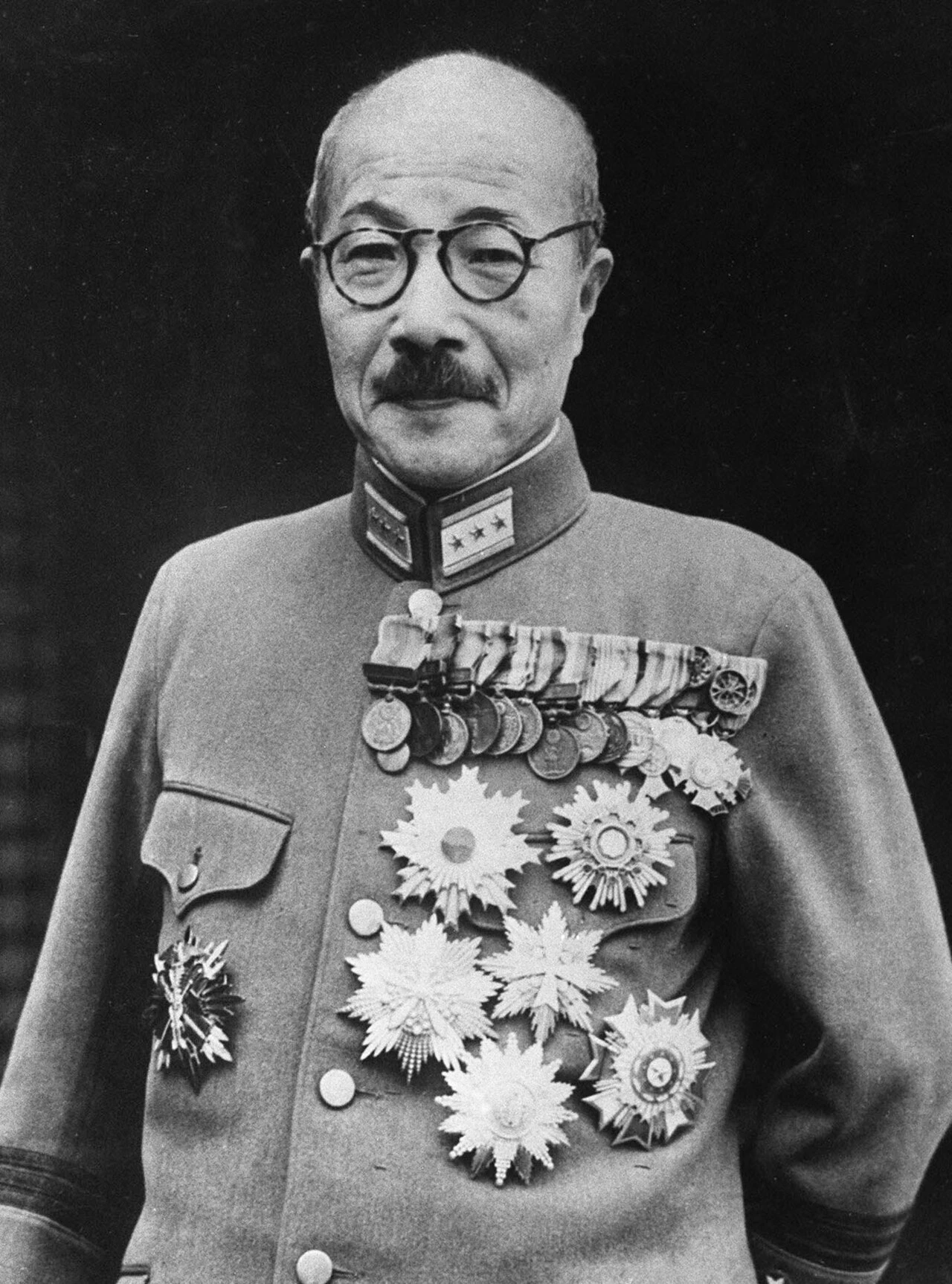
Tojo as Prime Minister: Reopening the Question of War
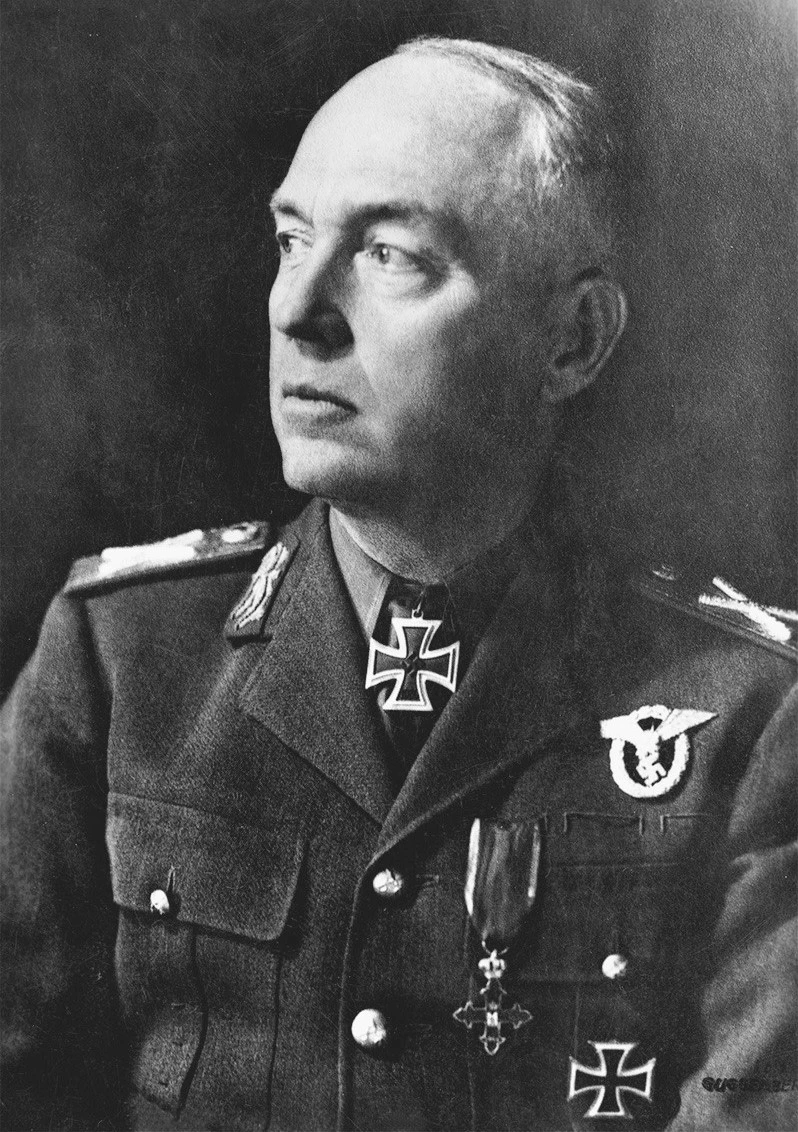
Antonescu and the Iron Guard — Bucharest
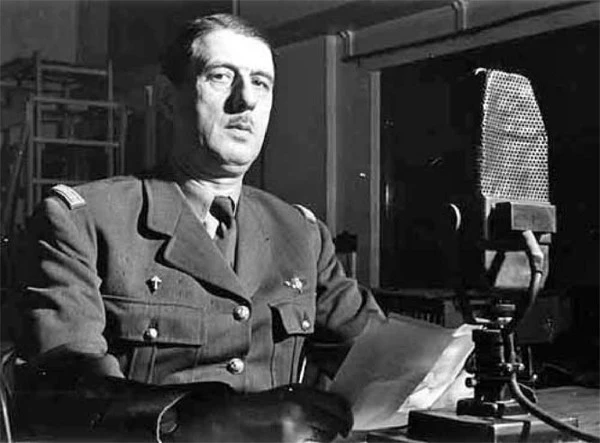
The Appeal of 18 June
Auchinleck replaces Wavell
Stalin at the microphone — 'brothers and sisters'
Bucharest — the Legionary rebellion
Tsolakoglou and the surrender of the Greek army
Darlan and the bases offered to the Axis
The Reuben James Sinks: The Undeclared War
'Where is Prien?' — the fate of a hero
Tojo as Prime Minister: Reopening the Question of War
Antonescu and the Iron Guard — Bucharest