
From the start of the occupation, Germany organised a legalised economic plunder. The exchange rate was fixed by authority at a level that strongly overvalued the Reichsmark against the Belgian franc (around 12.5 francs to one mark), making German purchases in Belgium very advantageous. German soldiers and services snapped up goods, stocks and products at knock-down prices, emptying the shops.
For you, it was a commercial and moral dilemma. To sell the Germans what they asked for, at this imposed rate, to keep the business running and avoid trouble — but at the cost of disposing of your stocks to the benefit of the occupier and to the detriment of the local clientele. To hide the goods and plead a stock shortage, at the risk of sanctions. Or to reserve them discreetly for the inhabitants and the black market.
The stakes went beyond trade: this overvaluation of the mark and the massive requisitions methodically impoverished the country to the benefit of the Reich. To resist, on your own scale, was to withhold goods from the plunder; to give in was to take part in it, sometimes unwittingly.
Should our shopkeeper sell to the Germans at the imposed rate, hide his goods, or reserve them for the inhabitants?
In practice, many tried B or C so as not to hand everything over to the occupier, but pressure and the fear of sanctions also led to A. The mechanism of the overvalued exchange rate and the requisitions allowed Germany to drain a considerable share of Belgian production and stocks almost free of charge — one of the levers of the systematic plunder of the occupied economies. Combined with the "occupation costs" imposed on the country, this arrangement durably impoverished Belgium and fuelled shortages, inflation and the black market. The concealment of goods became a common, and risky, form of everyday economic resistance.
Learn more about this event
Related polls
10
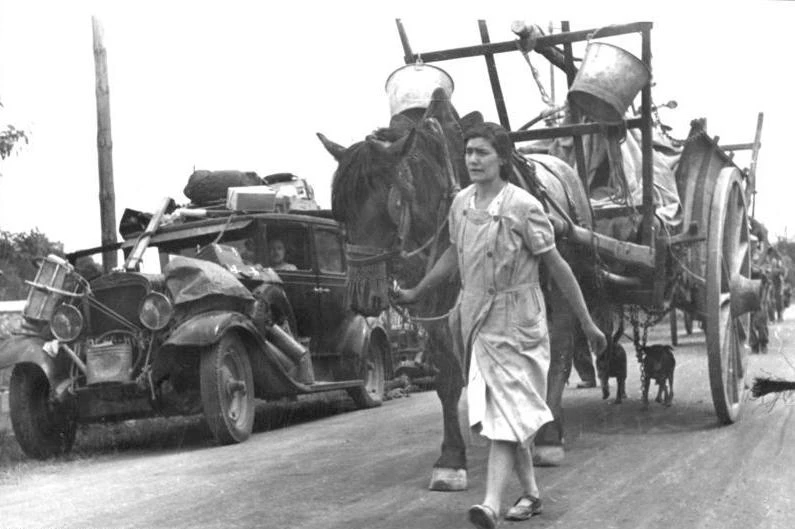
The Repatriation of the Refugees
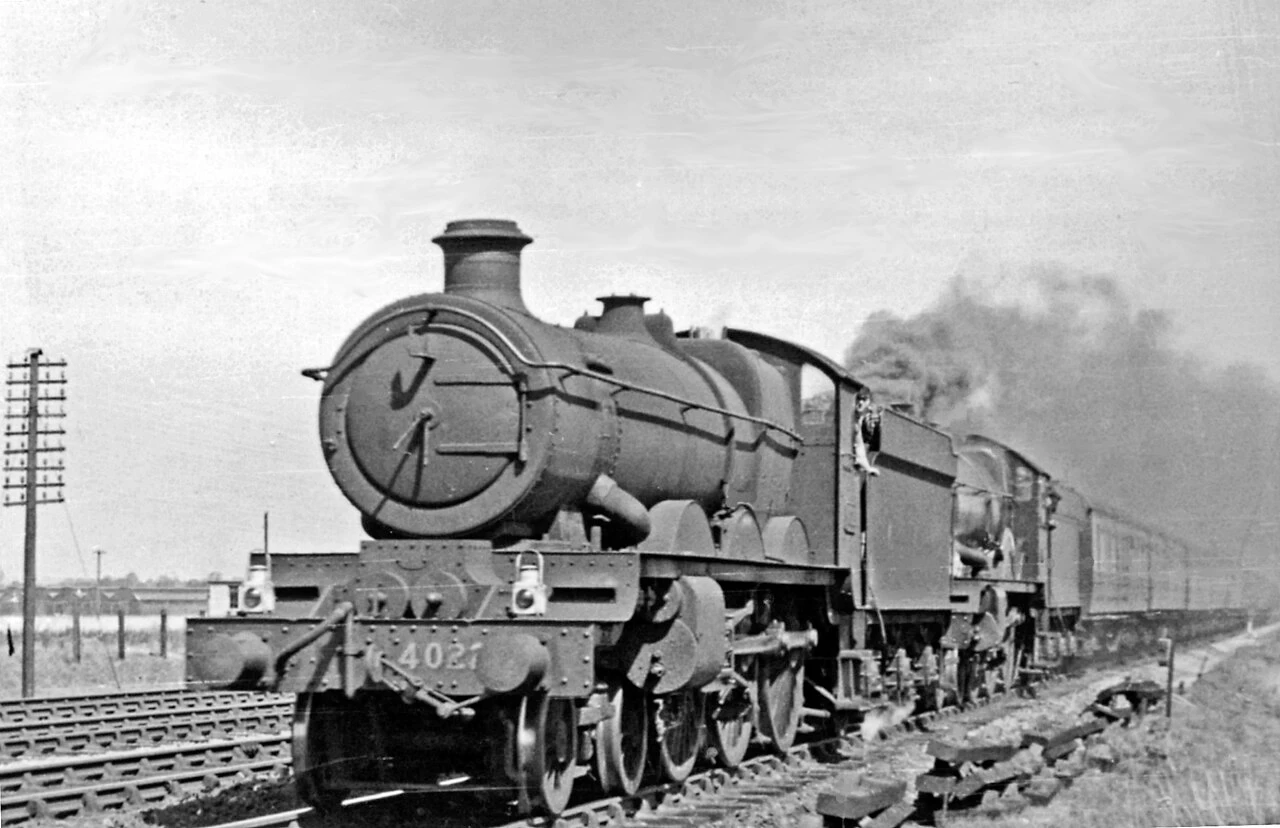
The Belgian railways under occupation
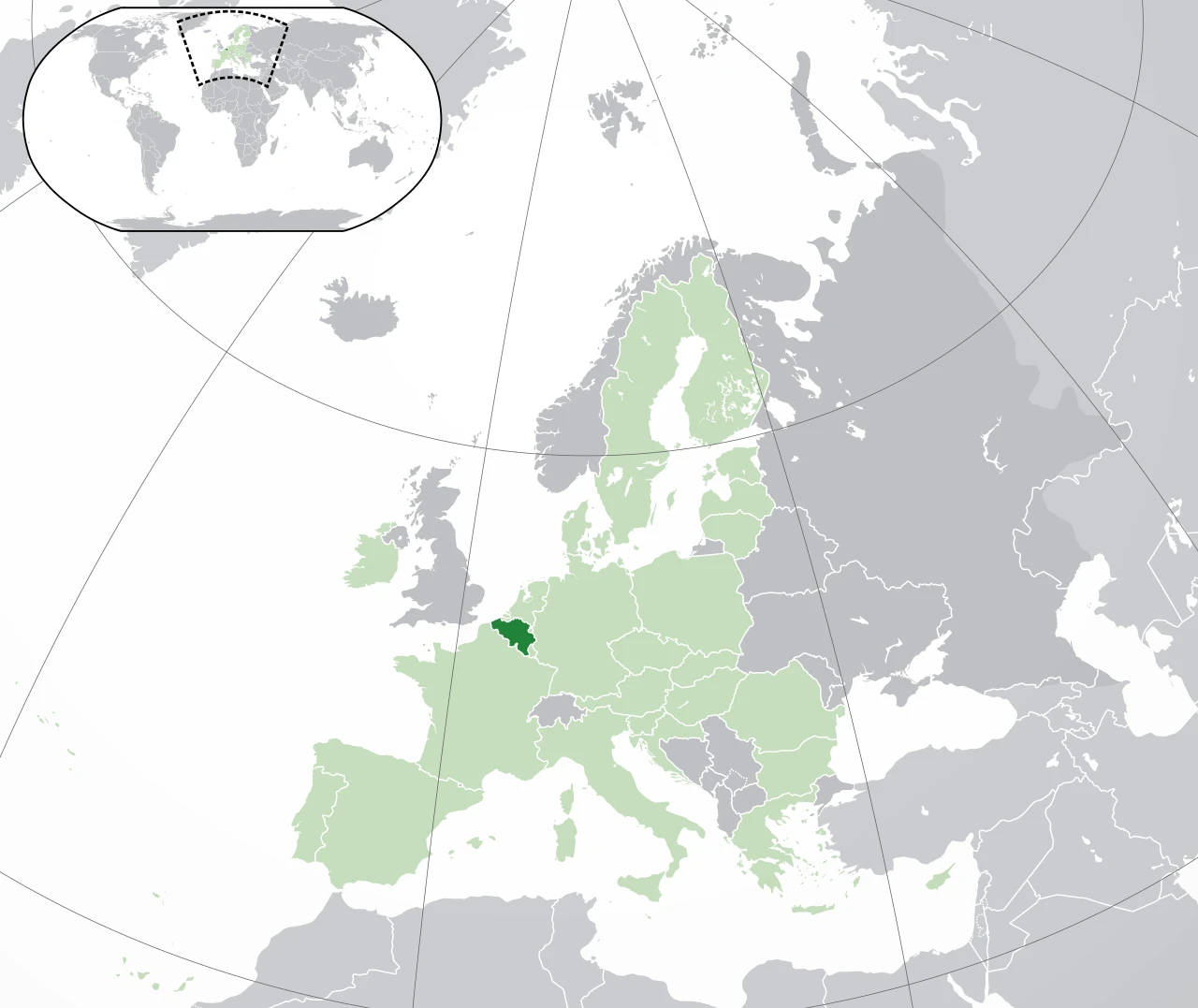
Provisioning and the Black Market
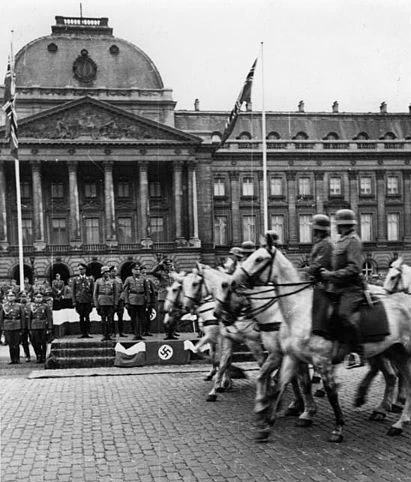
Going back to work under the occupier
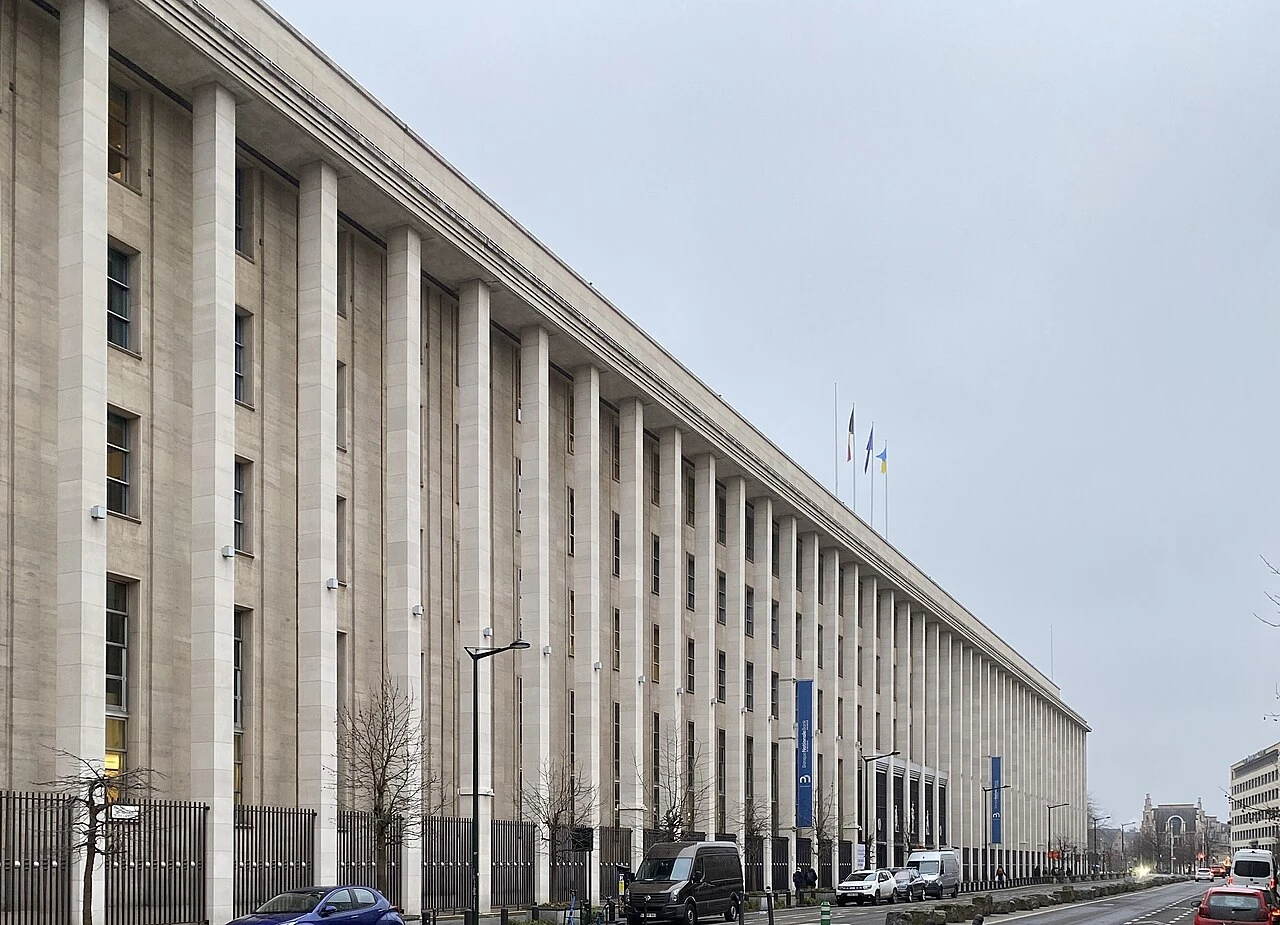
Forty tonnes of gold trapped at Ostend

Castle Bromwich: car assembly lines to build the Spitfire
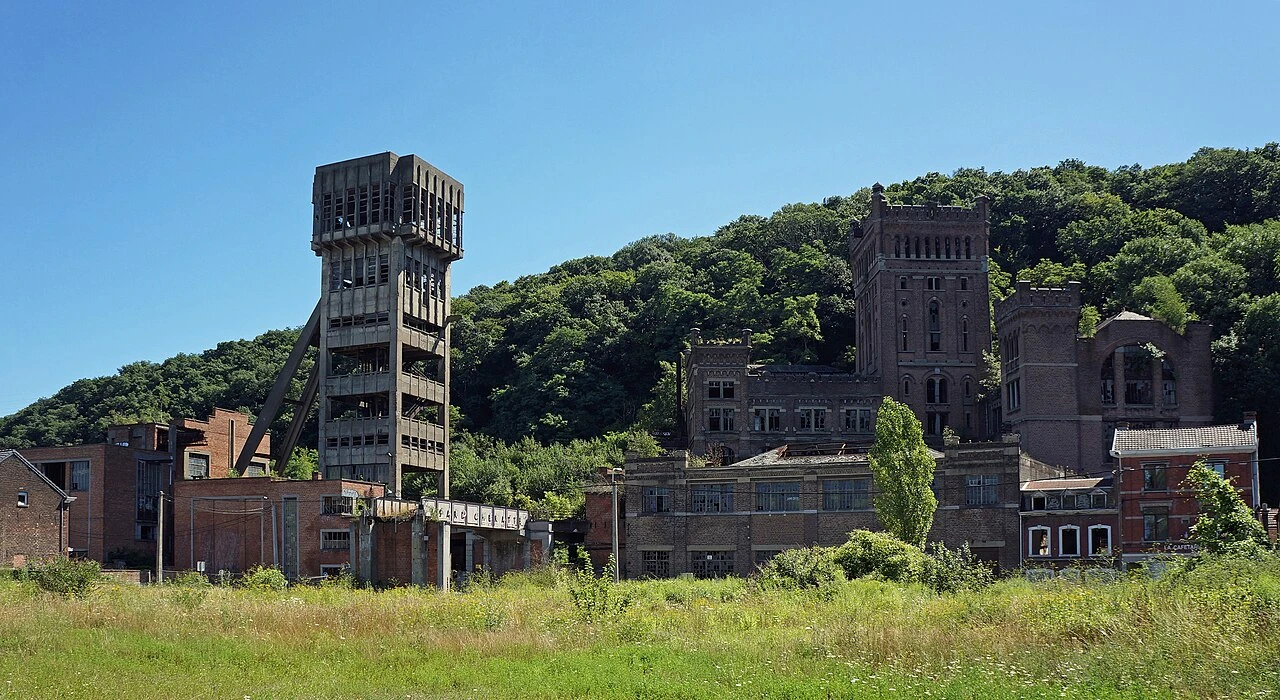
Campine Coal and the Hunger of Year One
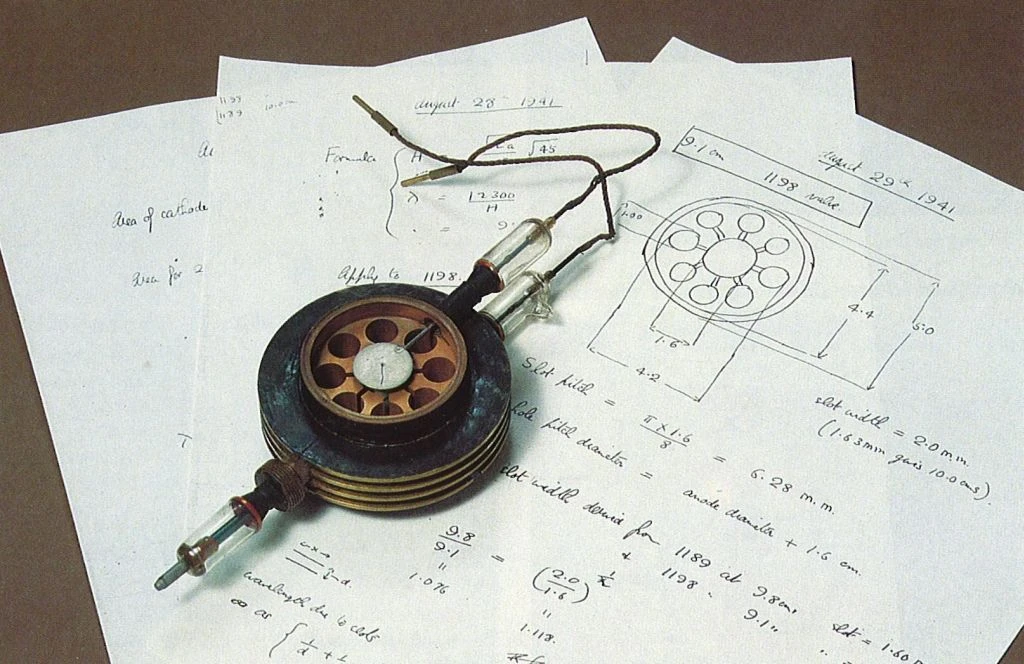
The Tizard Mission's Trunk for America

The Shadow Factories

Selling to Both Sides
The Repatriation of the Refugees
The Belgian railways under occupation
Provisioning and the Black Market
Going back to work under the occupier
Forty tonnes of gold trapped at Ostend
Castle Bromwich: car assembly lines to build the Spitfire
Campine Coal and the Hunger of Year One
The Tizard Mission's Trunk for America
The Shadow Factories