
Nomura and the Hull Note: Diplomacy on the Brink
Washington, 26 November 1941. In the Secretary of State's office, Ambassador Kichisaburō Nomura receives from 's hands a ten-point document. The tone is courteous, but the demands are uncompromising: total withdrawal of Japanese troops from China and Indochina, recognition of Chiang Kai-shek's government alone, the effective abandonment of the Tripartite Pact. An old sailor appointed to this post for his honesty and his American friendships, Nomura grasps at once the effect this text will have in Tokyo. For months, assisted by special envoy Saburō Kurusu, he has worn himself out trying to keep alive a thread of dialogue that the hardliners of the Japanese general staff already consider broken.
Yet the ambassador is unaware of the worst: fate is being decided elsewhere. At the other end of the Pacific, the decision for war has matured during the autumn's imperial conferences, and a fleet is setting sail in silence, beyond the reach of any watching eyes. The negotiations Nomura conducts with stubborn sincerity are, without his knowledge, drained of all substance. His superiors keep him in the dark, using his good faith as a screen. Every dispatch he sends, every approach he attempts, will play out in a game whose dice have already been cast.
What remains to the man of flesh and blood is a narrow margin, almost derisory, but real: that of his conscience and his actions. Faced with this text that rings like a rupture, the moment demands a decision.
In Ambassador Nomura's place, what do you decide in the face of the Hull note?
Nomura, together with Kurusu, faithfully transmitted the Hull note to Tokyo, which perceived it as an unacceptable ultimatum and saw in it confirmation that war was inevitable. He nonetheless pursued negotiations that had already become pointless: Admiral Nagumo's fleet had set sail on 26 November (Japanese time) for Pearl Harbor. On 7 December 1941, the attack killed roughly 2,400 Americans and sank or damaged 18 ships; Nomura delivered the note breaking off relations to Hull late, after the bombing had begun. Deeply humiliated at having served as a façade for a surprise attack of which he was unaware, he was repatriated in 1942; his reputation as a sincere man earned him a measure of leniency from historians.
Learn more about this event
Related polls
10
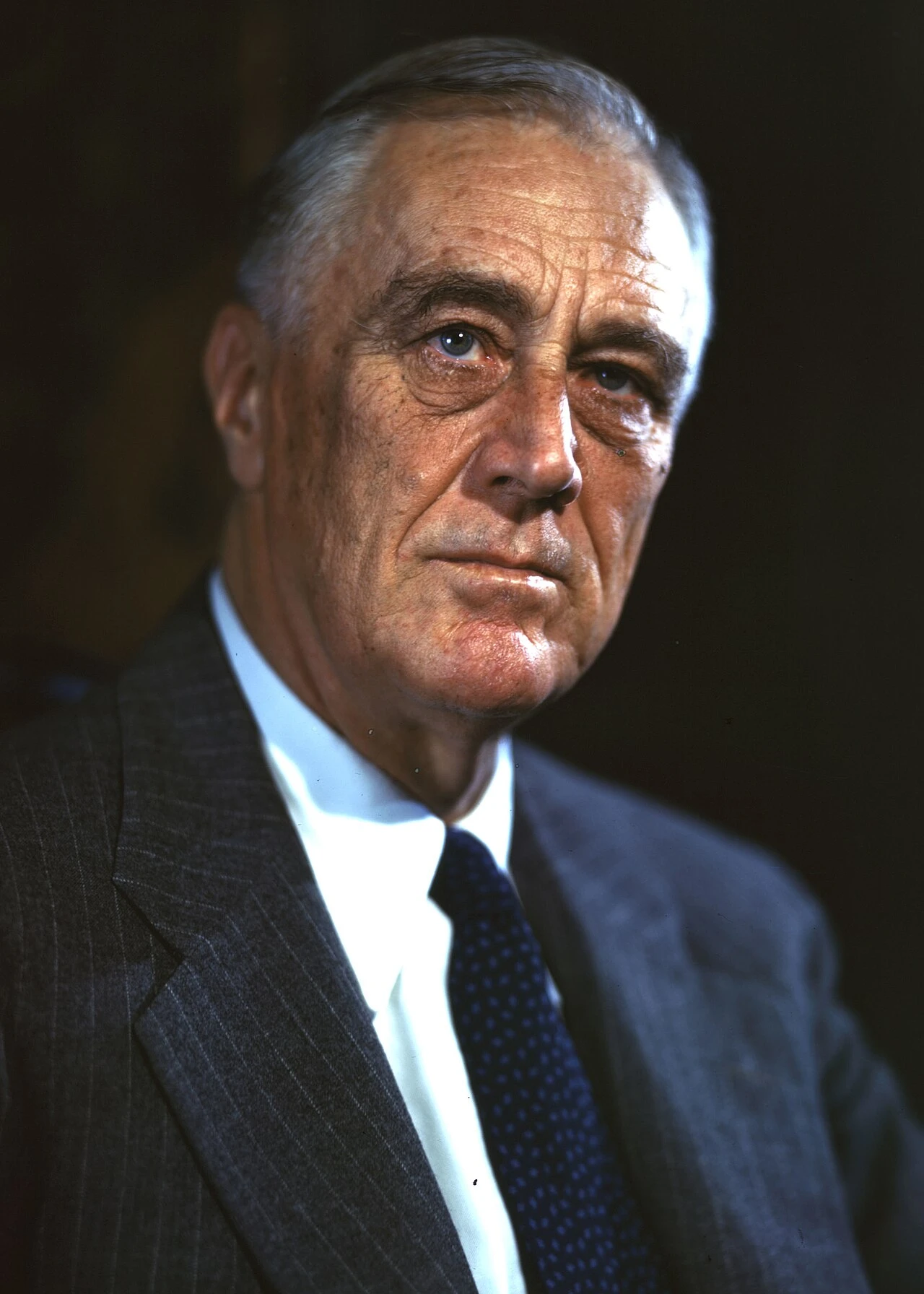
Roosevelt and the Japanese assets
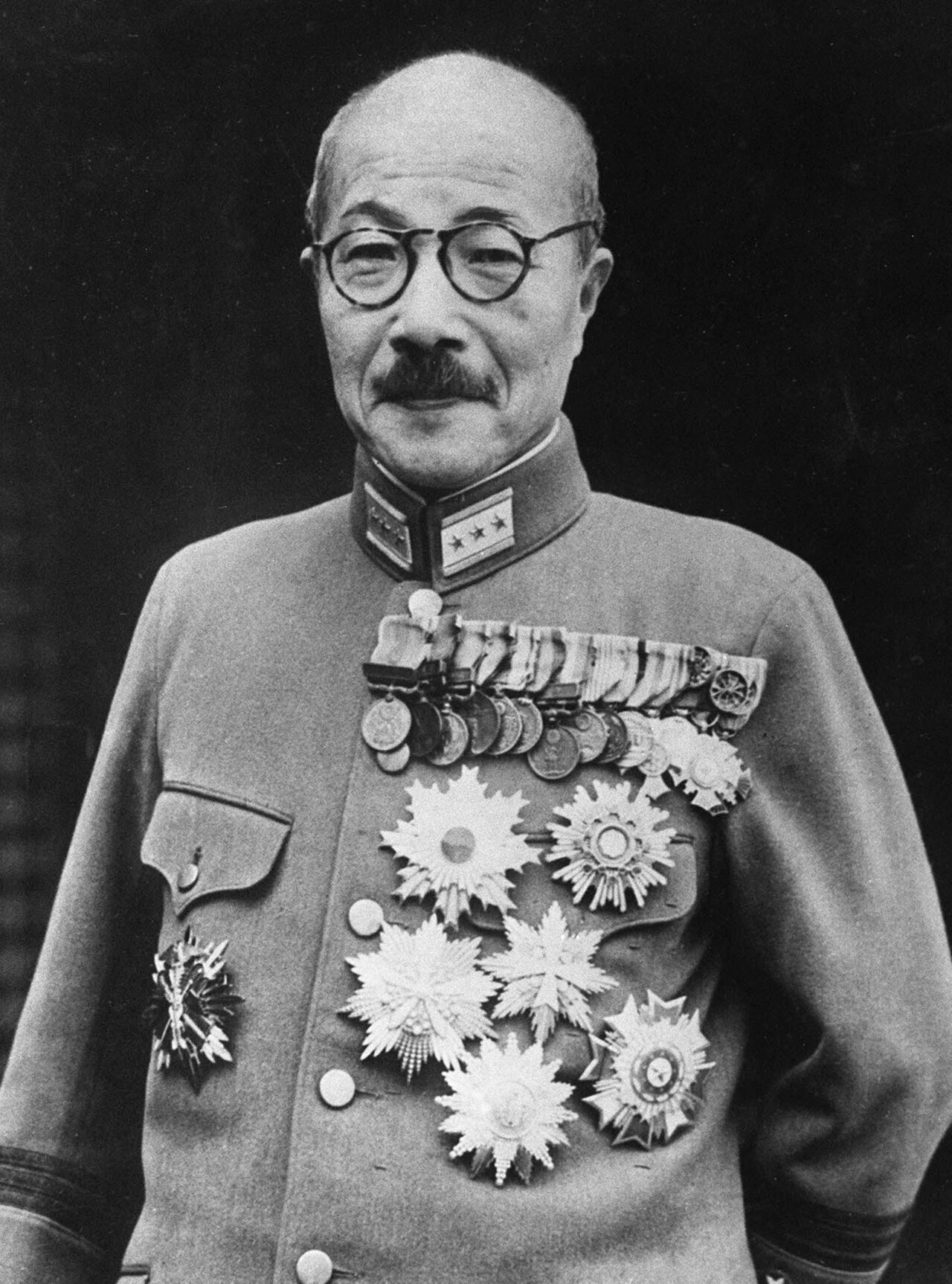
Japan and the Southern Resource Zone
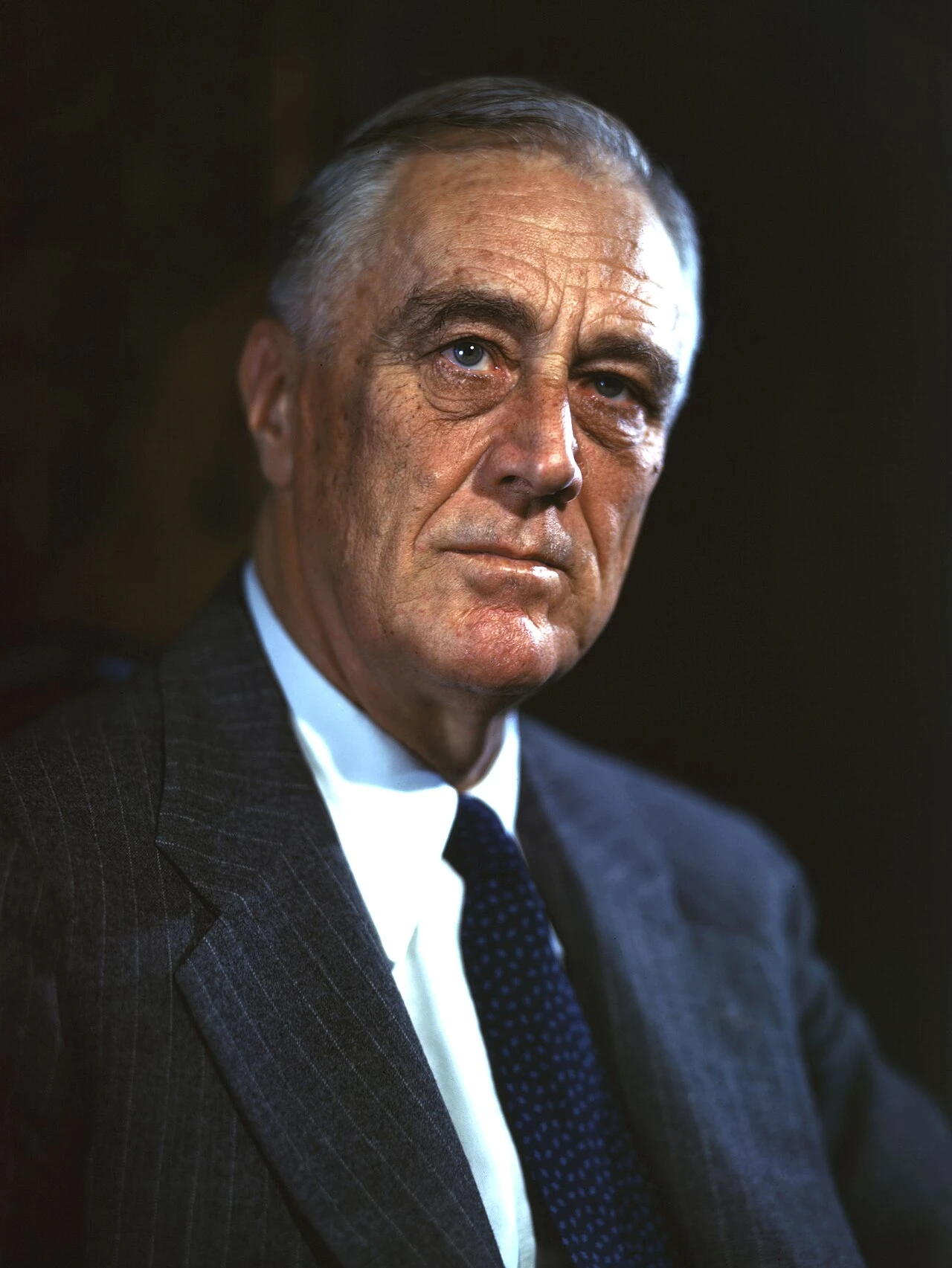
Roosevelt — Arm England?
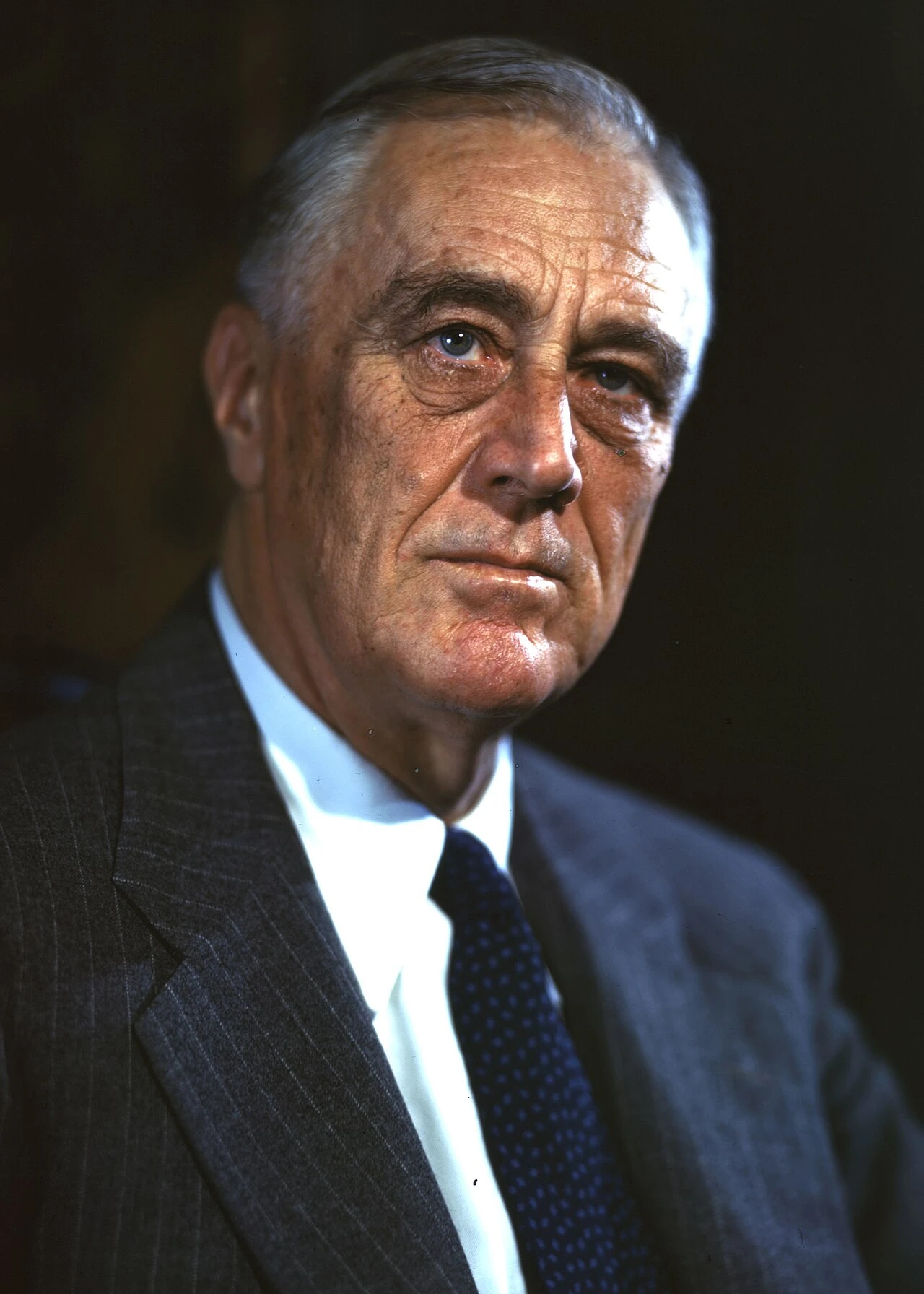
Roosevelt at the microphone — 29 December 1940
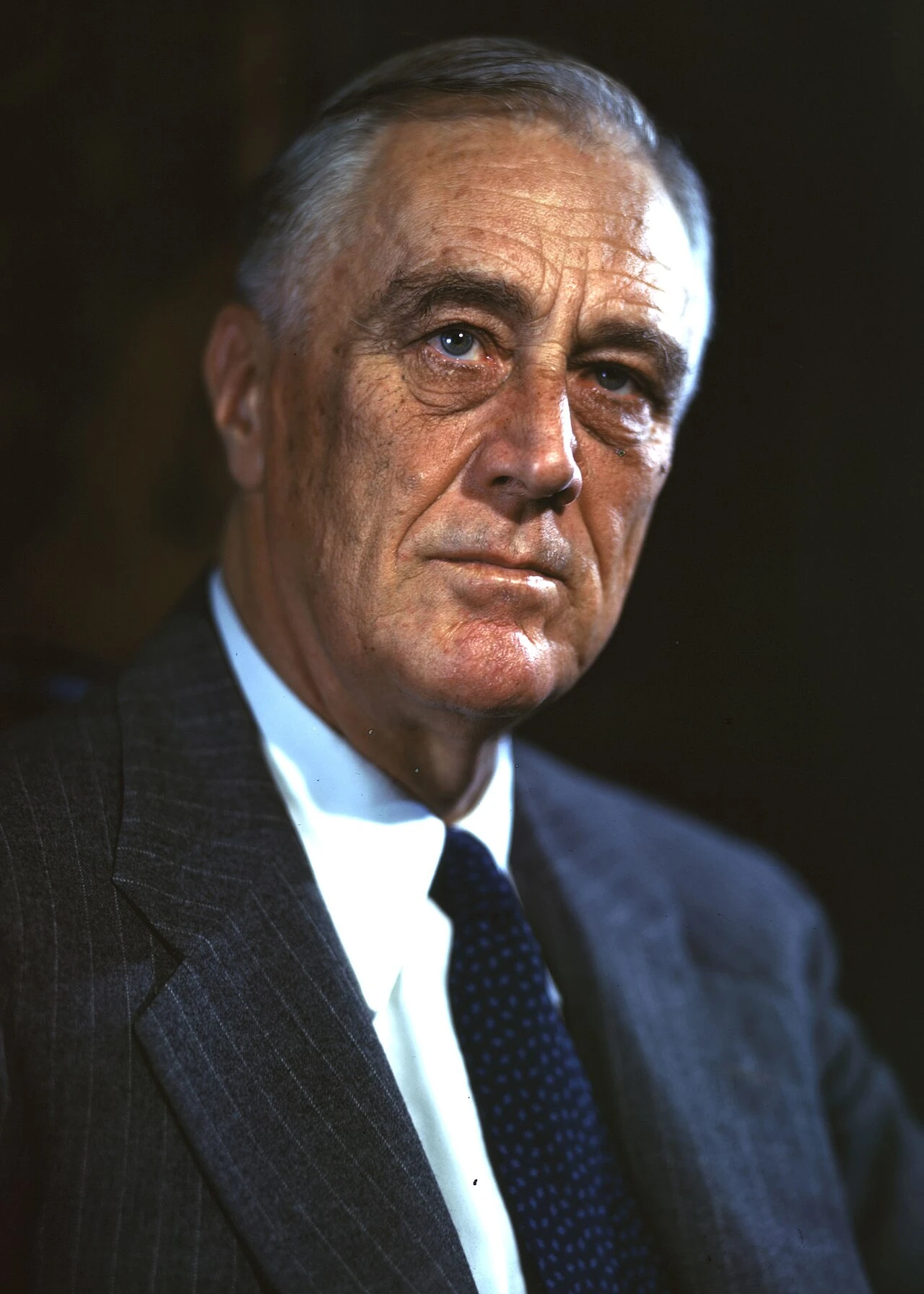
Roosevelt — destroyers for bases
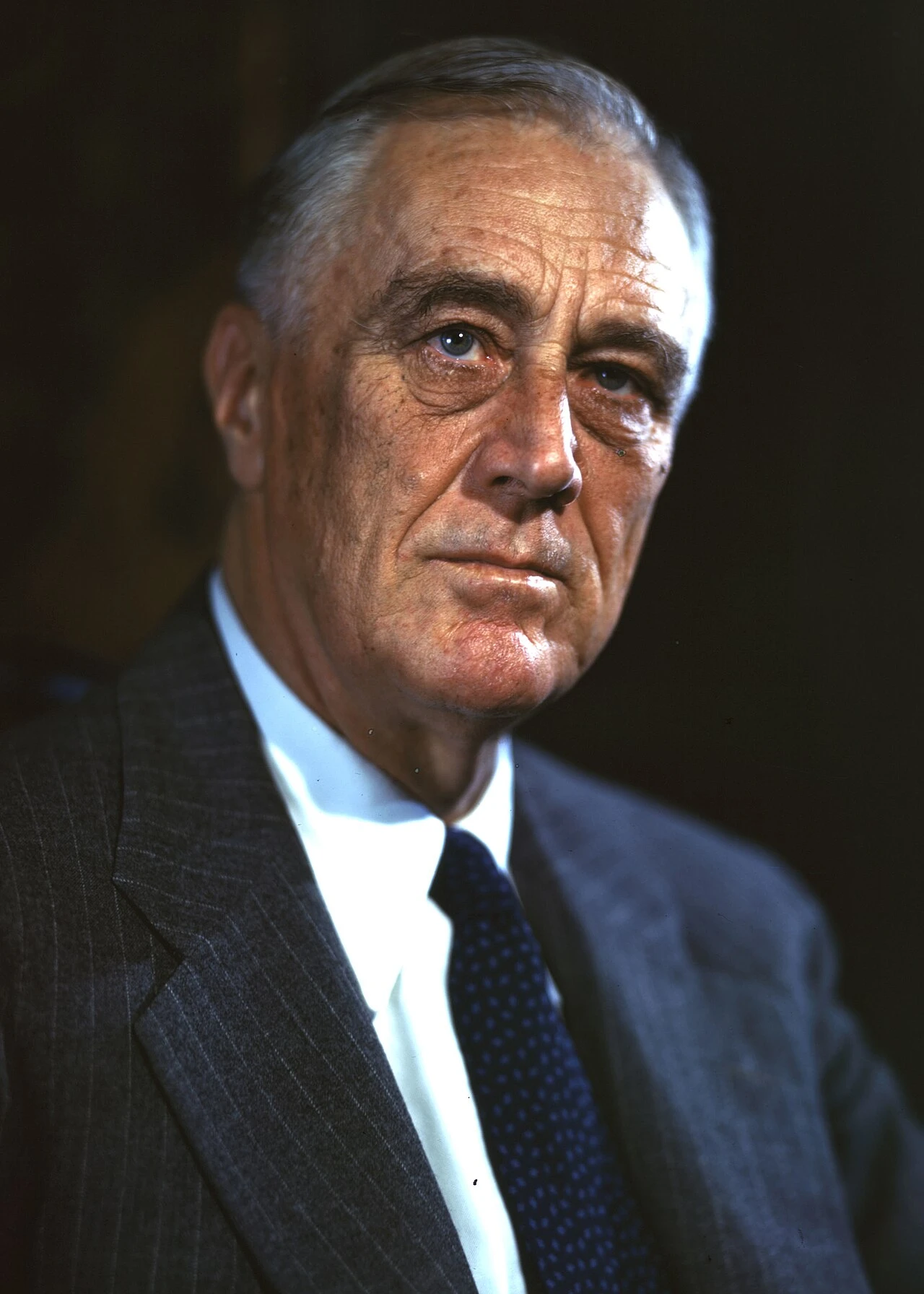
Roosevelt and the Squadron for Singapore — Washington, October 1940
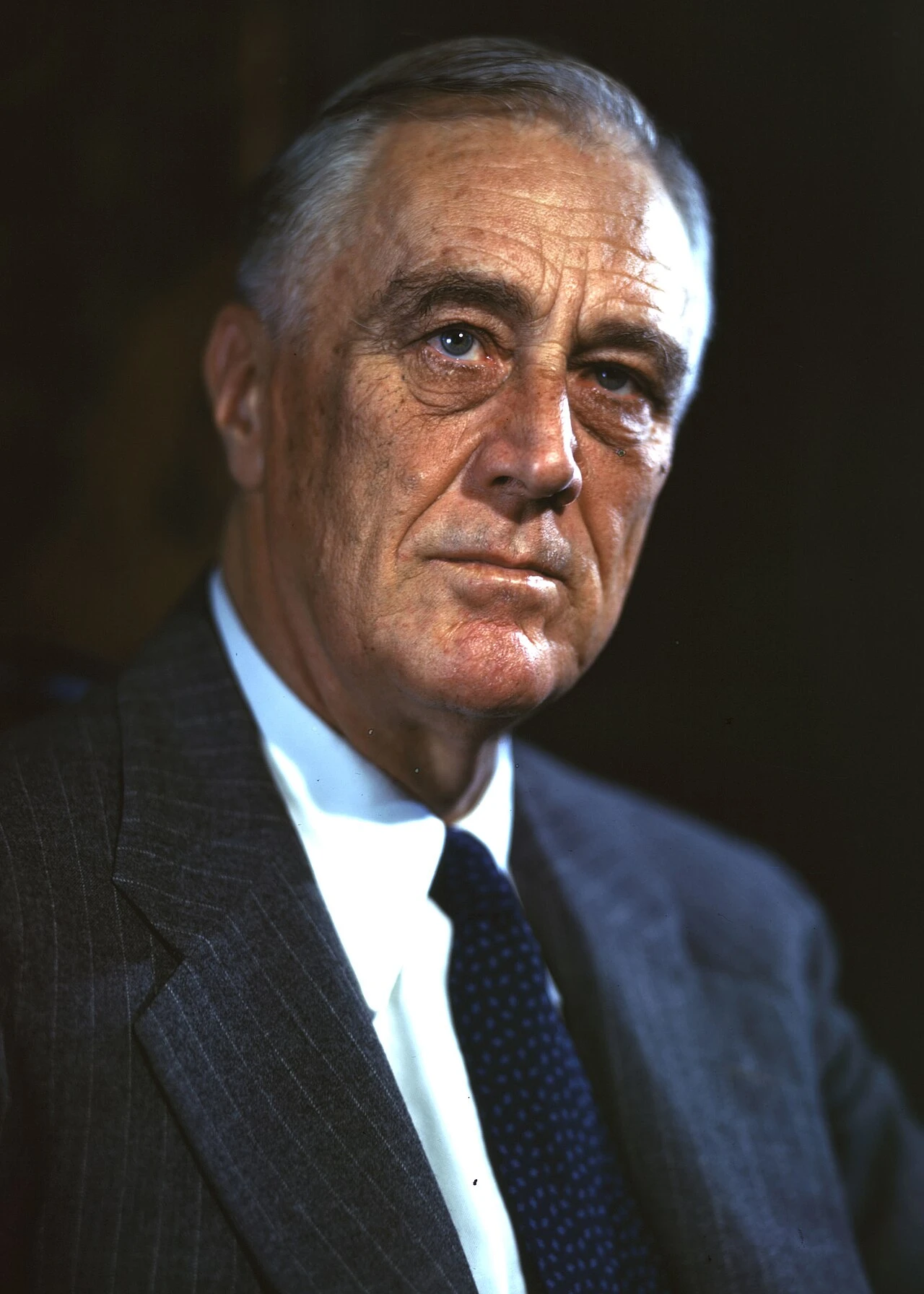
Roosevelt — signing Lend-Lease
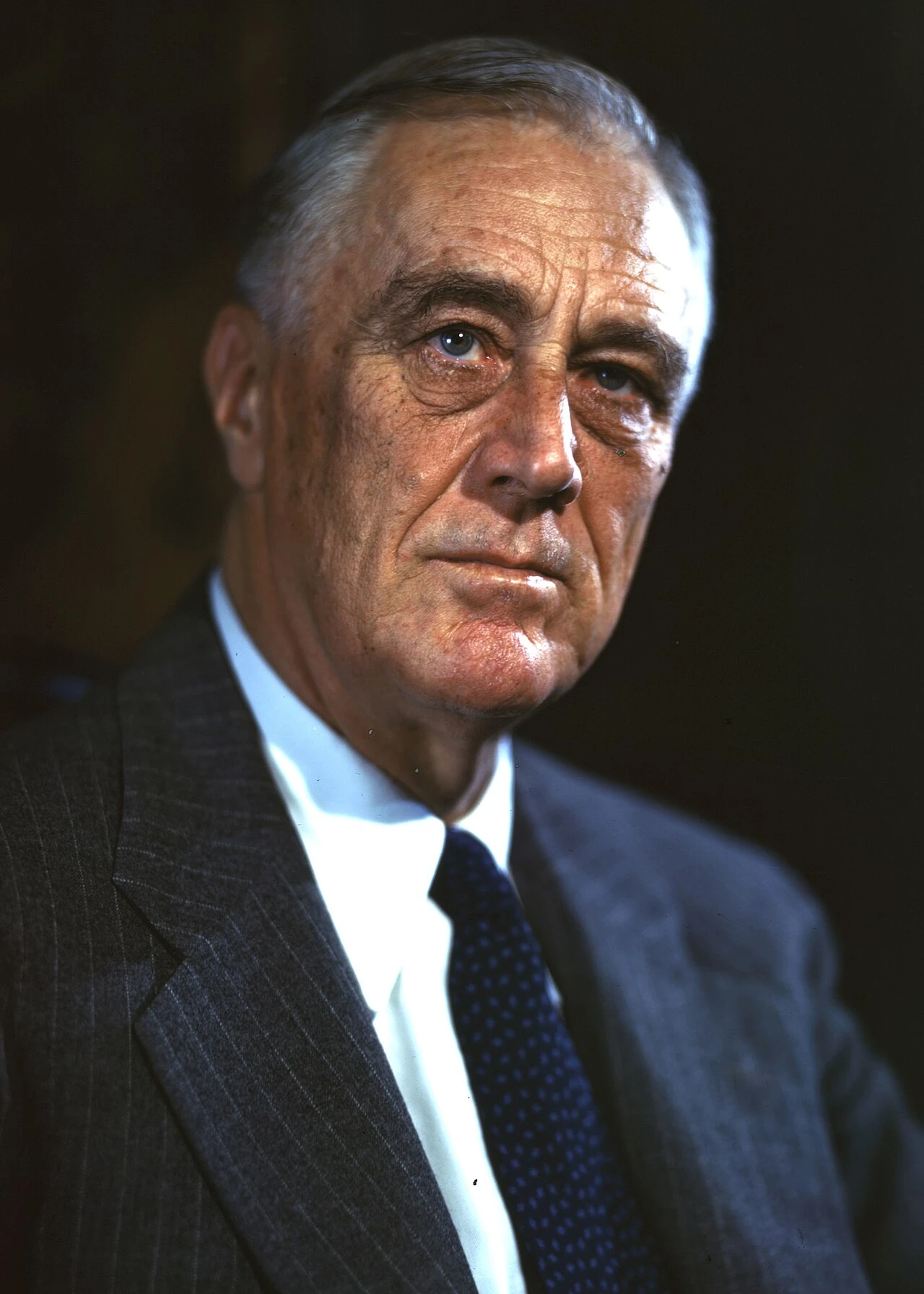
Roosevelt — Lend-Lease before Congress
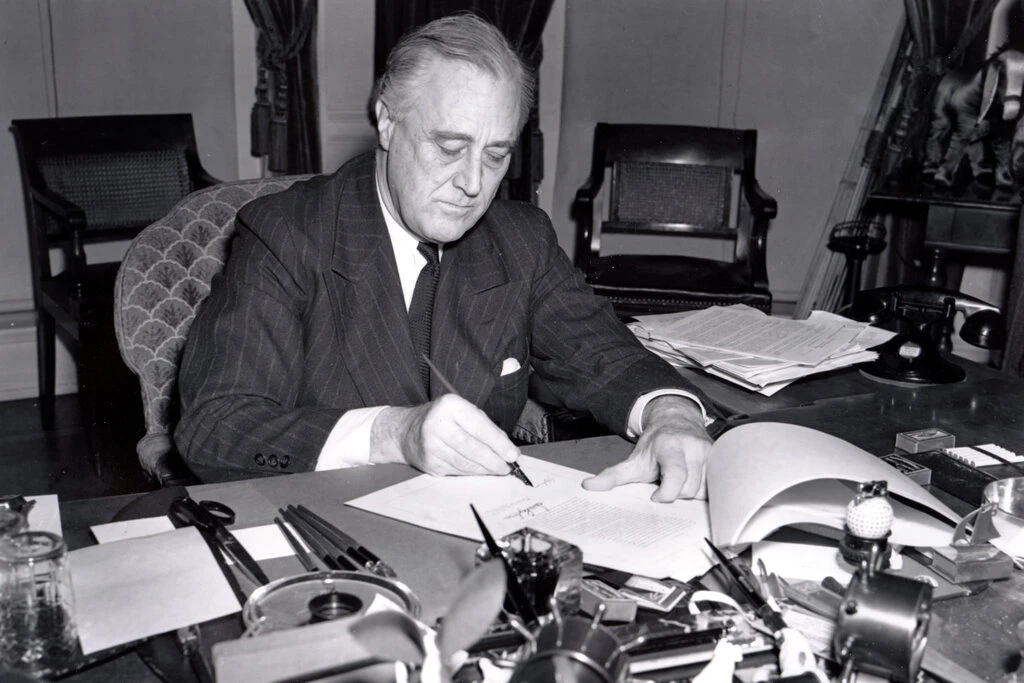
Washington, March 1941: Arming Without Entering the War
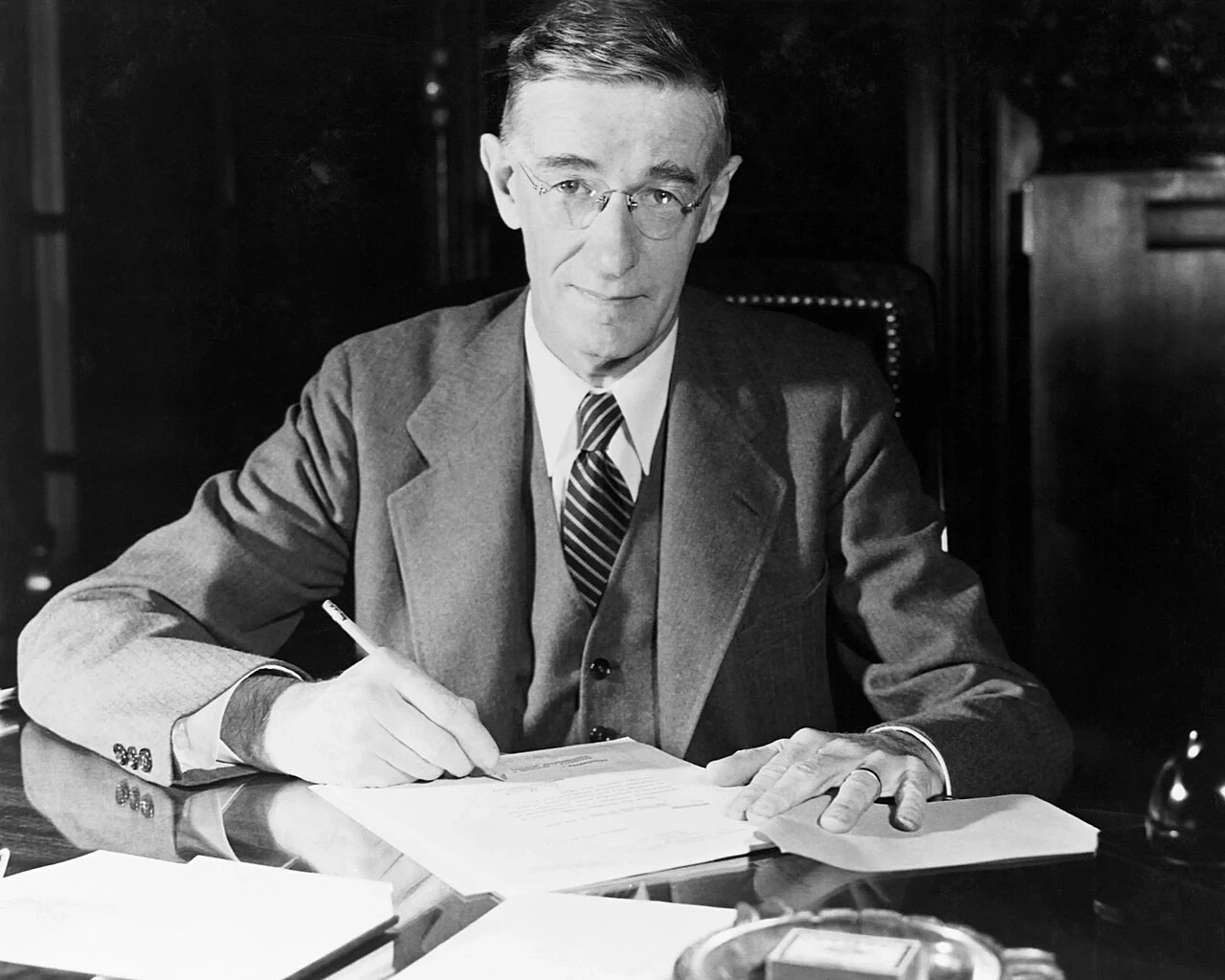
On the Eve of Pearl Harbor, a Decision in the Shadows
Roosevelt and the Japanese assets
Japan and the Southern Resource Zone
Roosevelt — Arm England?
Roosevelt at the microphone — 29 December 1940
Roosevelt — destroyers for bases
Roosevelt and the Squadron for Singapore — Washington, October 1940
Roosevelt — signing Lend-Lease
Roosevelt — Lend-Lease before Congress
Washington, March 1941: Arming Without Entering the War